
Stanislaus County is becoming more blue, but conservatives still pack a punch
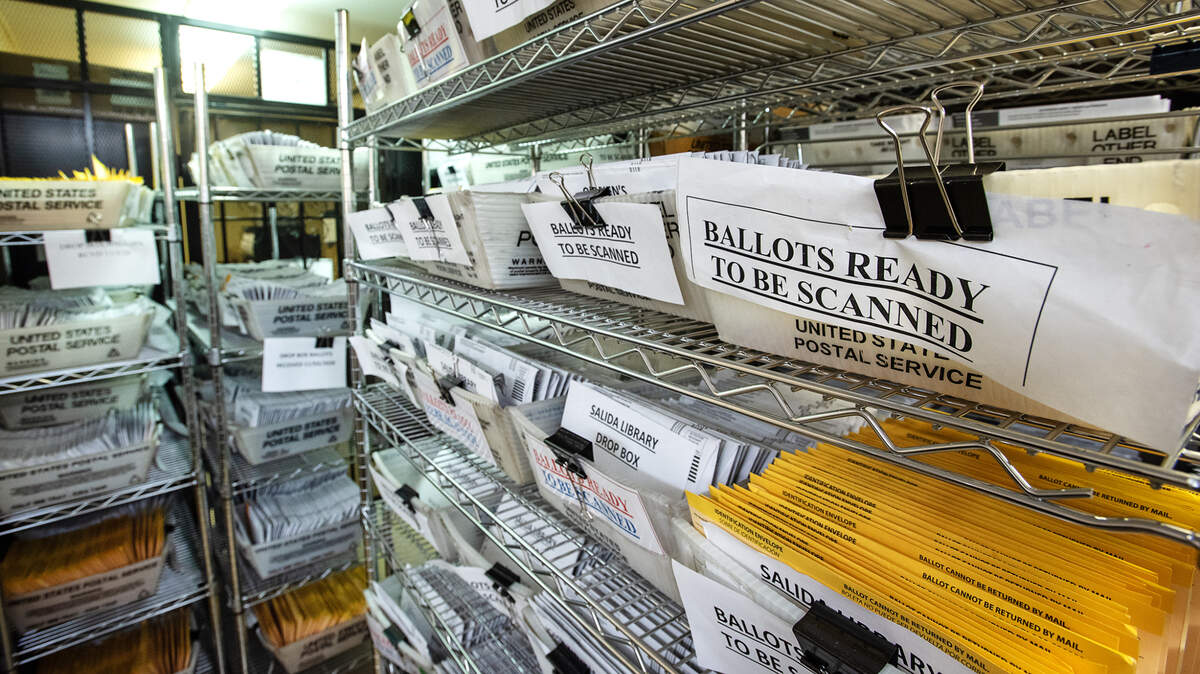
Politically, is Stanislaus County moving to the left?
We prefer Joe Biden to Donald Trump by 3 percentage points, according to returns released on Friday. That gap is a little bigger than the last presidential election, when we gave Hillary Clinton an edge of only 1.8% over Trump.
We also handed U.S. Rep. Josh Harder, a Democrat, a second term — also by a much larger margin this year over his GOP opponent (21.6%) than two years ago (4.6%).
Turlock voters placed a higher tax burden upon themselves with Measure A, something conservatives are loathe to do. School bonds also succeeded this year in Stanislaus Union and Newman-Crows Landing, and may yet pass in Salida and Waterford when final votes are announced.
And the GOP leadership juggernaut throughout Stanislaus County — all five county supervisors and every mayor of all nine Stanislaus cities had been Republican — is broken, with apparent victories of Supervisor-elect Channce Condit and Mayors-elect Javier Lopez in Ceres and Dennis McCord in Patterson.
Good points, all.
But evidence of conservative muscles flexing throughout Stanislaus County remains plentiful.
Voters in northeast Modesto embraced City Council candidate David Wright, and former Councilwoman Janice Keating’s bid to reclaim a council seat in central-west Modesto is a cliff-hanger. The council is a nonpartisan office, but the conservative pedigrees of both, including deep involvement with the local Republican Party, is no secret. And, right-leaning candidates for Modesto mayor, another nonpartisan contest that won’t be decided until a Feb. 2 runoff, received more votes collectively than those leaning left.
Perhaps more convincing, according to Tuesday tallies, was Stanislaus voters’ treatment of the dozen statewide propositions.
Five clearly advocated leftist causes: Propositions 14 (stem cell research), 16 (Affirmative Action), 17 (parolee voting), 18 (17-year-old voting) and 25 (no-cash bail), and one clearly pushed conservative policy (Prop. 20, prisons). In each case, Stanislaus voters took the conservative side by wider margins than the rest of California.
For example, California voters rejected a return to Affirmative Action with 56.5% “no” votes, while Stanislaus voters turned thumbs down by nearly 69%. Similarly, voters throughout the state doomed no-cash bail — benefiting poor defendants, including people of color — by 55.8%, while local “no” votes neared 65%.
Two more examples:
- Californians agreed to let parolees vote with 59% of the statewide vote, and Prop. 17 passed, while 53% of Stanislaus voters said “no.”
- Voters throughout the state agreed to a new infusion of cash for California’s stem cell agency by 51%, and Prop. 14 also passed. But it was frowned on here, with nearly 54% of Stanislaus voters saying “no.”
Remember that this analysis of propositions is based on early numbers that will change, but probably not enough to alter our main takeaway — that Stanislaus voters in general are not nearly as liberal as those throughout the rest of the Golden State and its powerful population centers in the Bay Area and Los Angeles.
We probably are slowly shifting left — partly because young people, Latinos and Bay Area transplants continue adding voters, and most tend to skew blue. But for now, there is might in the right, and conservatives exercise voting rights loyally and consistently.
Candidates here would ignore that enduring truth at their peril.