
Mixed COVID messaging from Modesto and Stanislaus leaders isn’t helping
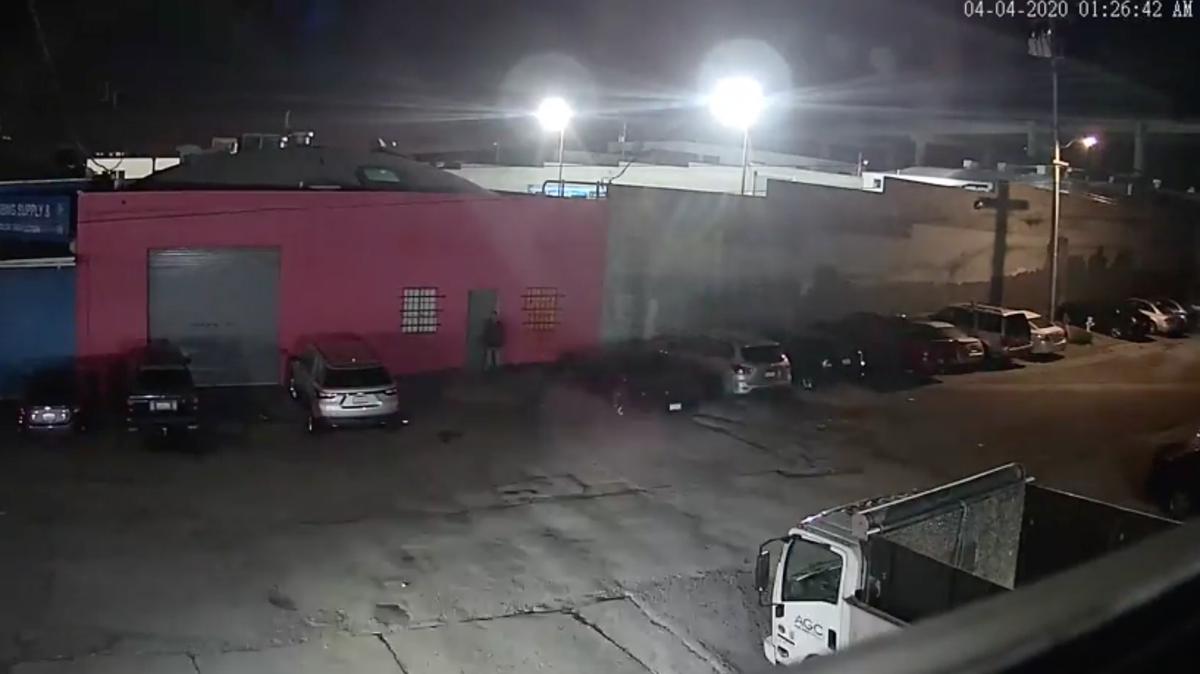
A Modesto nightclub advertised an indoor New Year’s Eve bash. Social media pictures evidenced a packed house of maskless, imbibing party-goers. The nightclub claims face masks are required with reduced capacity— neither apparent from pictures.
Why do flagrant COVID-19 violations occur, with 0% hospital ICU capacity, dire warnings of another holiday infection spike, and Stanislaus’ COVID-19 death rate third-highest in the state experiencing the nation’s current highest infection rate?
One might point to local leadership at best sending mixed messages, and at worst giving a green light for risky behavior. Our top county law enforcement official stated “we have no intention of arresting anyone as a result of any of these orders.” Modesto’s police chief “said the public should not expect the Police Department to take a heavy hand in enforcement.” Modesto’s outgoing mayor repeatedly called “on city officials to stop enforcing the new coronavirus pandemic restrictions.”
Although one runoff mayoral candidate “said she does not want to criminalize businesses, but she said the restrictions need to be followed,” the other — while faulting the current mayor for mixed messages — might be having it both ways, stating “the issue is one of ‘civil unrest’ and that when a large part of a community does not want to follow the rules, then there is not much that any government can do.”
Such logic isn’t applied to unsafe driving behavior. There is clearly some “civil unrest” with driving restrictions — an AAA study found “87% of drivers engage in unsafe behaviors while behind the wheel.” Yet public officials aren’t stating nothing can be done about enforcing traffic laws.
Motorists drive somewhat over the speed limit with relative impunity, but at some point excessive speed and reckless behavior is enforced. The specter of enforcement helps rein in driving behavior. Imagine the future of roadway safety if it was publicly announced no one was going to be cited.
The runoff mayoral candidate also asserts, “I’m not aware of science that (says) indoor dining or outdoor dining is a source of outbreaks.” While he may be right about outdoors, there are significant studies on viral spread indoors. But risk levels are nuanced. Targeting enforcement when situations involve all risk factors could be highly effective.
CDC studies indicate “exposures in restaurants have been linked to air circulation. Direction, ventilation, and intensity of airflow might affect virus transmission.” A Stanford study found “restaurants were by far the riskiest places” but “limiting restaurant occupancy to one-fifth of capacity would reduce new infections there by 80%.” An NIH paper, “Bar settings offer dangerous mix during height of COVID‐19 crisis,” cites factors including louder voices accelerating virus spread, impaired judgment leading to riskier behaviors, reduced air ventilation, reduced mask use, and reduced patron proximity.
Targeting enforcement when all risk factors are present — poor indoor ventilation, high capacity crowds and alcohol consumption — could have numerous benefits: a level playing field for businesses following rules, improved safety for employees serving patrons, reining in risky behavior by realization enforcement exists, and we get closer to controlling the pandemic so restrictions aren’t necessary.
Our local government challenges aren’t unique. A Kaiser Health News article notes “some counties enforce the rules and some don’t. And because the state hasn’t stepped in to assist with adequate enforcement, some local officials say businesses are often free to ignore the rules.”
Our local government has excelled in helping support business during the pandemic, with Stanislaus Workforce grants, innovative programs like the RAD card, and other initiatives. While we’re very challenged locally, we aren’t completely powerless. Some of our local leadership could help by taking a different tack in how we reduce spread of the pandemic.