Coronavirus curfew will begin in Stanislaus County this weekend. Who will enforce it?
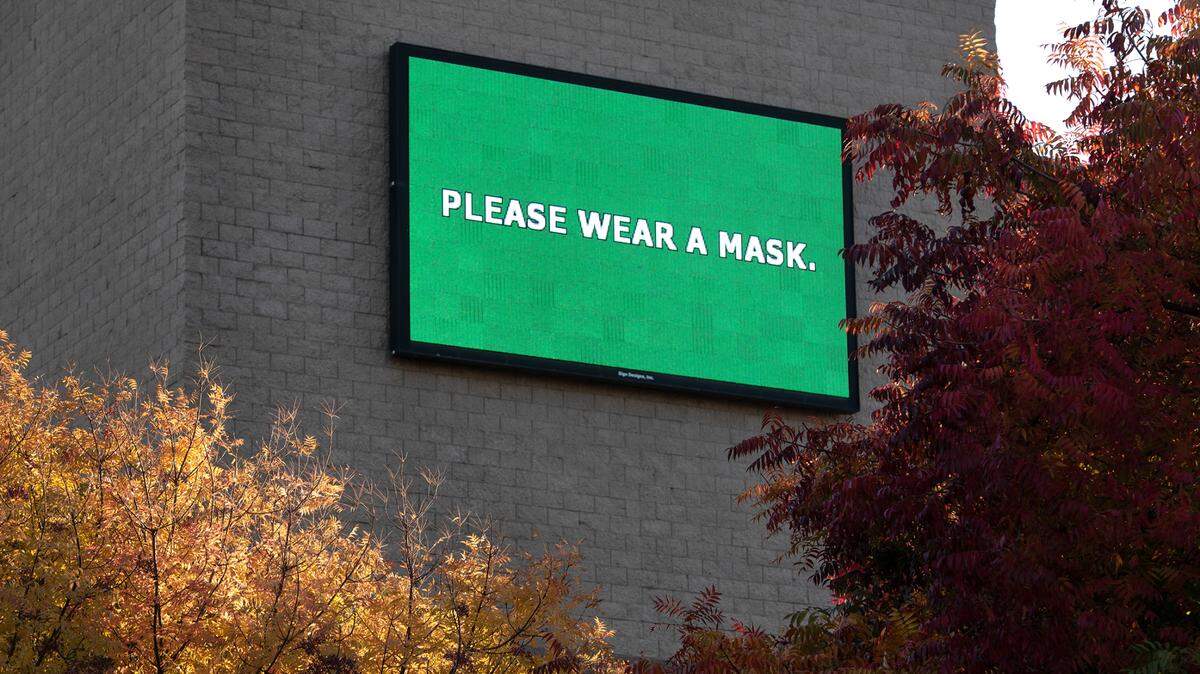
A state-imposed curfew from 10 p.m. to 5 a.m. will go into effect Saturday night in Stanislaus County and run through Dec. 21, as state health officials try to curb spiking coronavirus infections.
Stanislaus is subject to the curfew because it’s one of the 41 counties that are in the most restrictive purple tier of California’s plan for slowing the coronavirus pandemic.
Restaurants will be expected to close outdoor dining by 10 p.m. But what the state is calling a limited stay-home order does not affect essential businesses and activities. People will still be able walk their dog, buy groceries, pickup prescriptions at the drugstore or get takeout food at restaurants.
The goal is to curb spread of the coronavirus by reducing gatherings at night, when most activities that take place are nonessential. By issuing the curfew now, state officials hope to keep COVID-19 case rates from escalating out of control.
As they have said since the beginning of the county’s COVID-19 outbreak in March, local law enforcement officials won’t make it a priority to enforce the most recent health order from Gov. Gavin Newsom’s administration.
“My position has not changed,” Sheriff Jeff Dirkse said. “We have no intention of arresting anyone as a result of any of these orders. The expectation is the public follows the correct protocol to keep our community safe and ensure we have the hospital capacity that’s needed.”
Dirkse added: “At the end of the day, law enforcement is still dealing with major crime.”
Modesto Police Chief Galen Carroll said Thursday he needs to talk with his command staff about the curfew. Carroll said the public should not expect the Police Department to take a heavy hand in enforcement.
The chief said he hopes people will voluntarily follow the curfew and take steps to protect their health and the health of loved ones.
Carroll said because of the nationwide civil unrest over the death of George Floyd while in police custody and similar incidents, the curfew puts law enforcement in a tough position.
“You already have a situation where we are trying to rebuild community trust and now we are being asked to enforce a civil order,” Carroll said. “It’s a very tough situation.”
The state health order does not mention a specific fine for violation of the curfew. Typically, violation of a health order is considered a misdemeanor with potential penalties including a fine or jail sentence.
California curfew doesn’t apply to essential workers
County Chief Executive Officer Jody Hayes said cities and counties throughout the state have more questions than answers on how the new order will be implemented in the affected counties, which comprise about 90 percent of California.
“I don’t believe there is any expectation from the state of California that local law enforcement will be involved in the enforcement of this order,” Hayes said in an email. He understood that state agencies such as Alcohol Beverage Control and Cal OSHA will take part in enforcement.
Dr. Mark Ghaly, secretary of the California Health & Human Services Agency, said the curfew order does not apply to essential industries. Activities from 10 p.m. to 5 a.m. are usually non-essential and are often social activities that can easily spread the virus. That is what the state hopes to put a damper on.
The curfew won’t keep a food production plant from operating an all-night shift, Ghaly noted.
A friend leaving your house shortly before 10 won’t violate the spirit of the curfew if they reach their own home at 10:15, Ghaly said.
“We ask you to take it as seriously as you can because each action is additive, everything we do counts,” Ghaly said. “Each of these actions and decisions can make a difference.”
Ghaly said he’s sure some counties will benefit from using the curfew as a tool for slowing the spread of coronavirus in their local communities.
Several other states have experimented with curfews as a response to rising COVID-19 case rates.
In Massachusetts, the curfew requires businesses such as restaurants, fitness centers and casinos, as well as indoor and outdoor events, to close by 9:30 p.m. and not reopen their premises until 5 a.m. the following morning. The state also restricts the sale of alcohol and cannabis during that mandatory closing period.
Violations are punishable by fines of $500. There are similar restrictions in place in New York, Vermont and Maine.
Virginia, too, has a curfew in place. The state forbids the on-site sale, possession or consumption of alcohol at all dining establishments after 10 p.m.
This story was originally published November 19, 2020 at 6:58 PM.