
Modesto school leaders’ indecision hurts poor students in south Modesto | Opinion
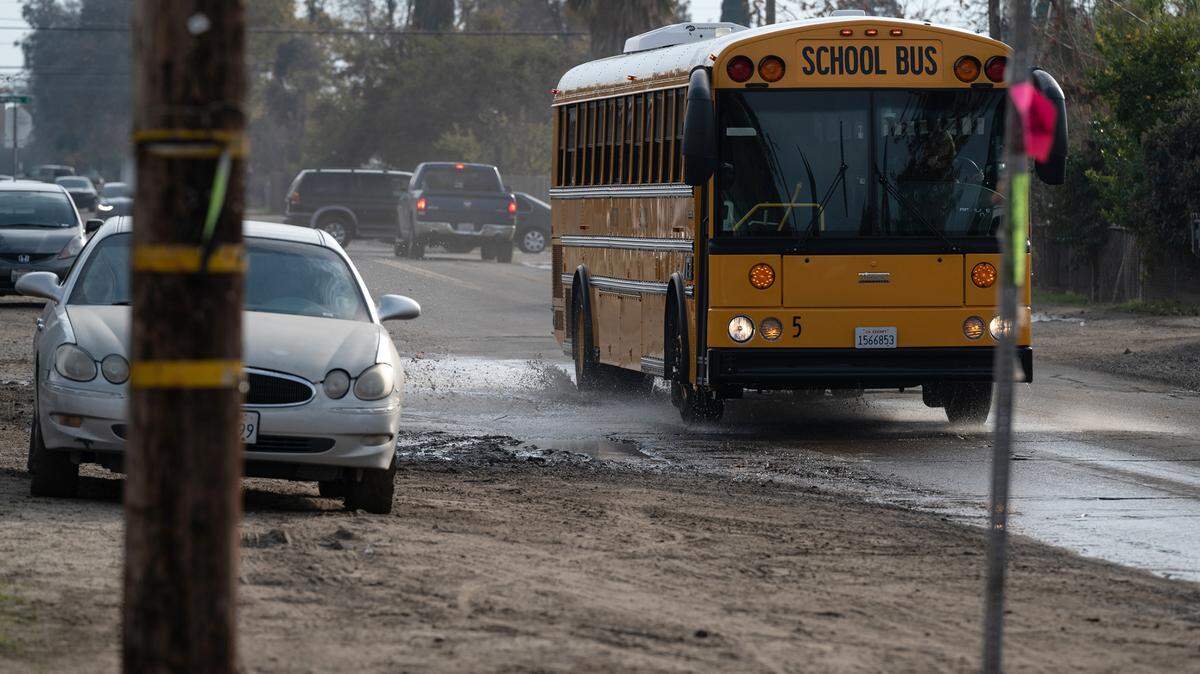
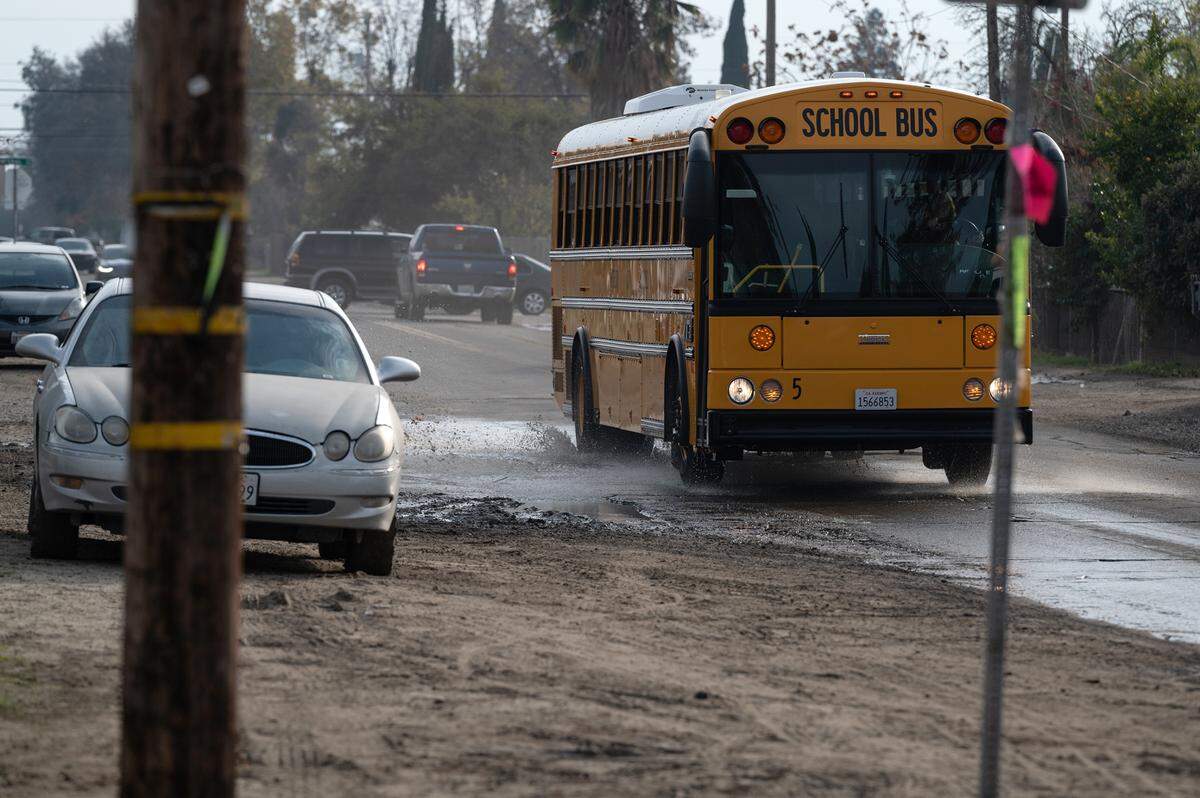
In postponing a change to high school boundaries, leaders of Modesto City Schools must not forget students and families in historically underserved south Modesto, where kids don’t have a high school of their own and spend an hour in traffic just to get to Downey High.
Rigid bus schedules exclude some south Modesto students from zero-period courses such as student leadership, and from eighth-period and extra-curricular activities such as sports, unless the teens get rides. But these students come from families in some of Modesto’s most economically challenged neighborhoods, often with both parents working to make ends meet and without an extra car or driver, or both.
The district has acknowledged that dozens of students in south Modesto ignore jurisdiction and enroll at Central Valley High School. That may make practical sense because it’s much closer than Downey, but Central Valley is in the Ceres Unified School District and these south Modesto students don’t belong there. By law, they’re supposed to be served by Modesto City Schools.
Failing to address the long commutes endured by south Modesto kids is not acceptable. By not locating a high school closer to where they live decades ago, and by choosing now to delay a solution, Modesto City Schools has failed to remove a significant barrier, making it harder for underserved teens to enjoy a right that most take for granted: accessible education.
These kids already face too many barriers, such as poverty. They don’t need their school district — an agency financed by tax dollars — creating more. That’s disenfranchisement, and it’s wrong.
Decades ago, rather than helping south Modesto kids, the district opted to serve then-new growth areas by building Johansen High east of town, then Enochs High to the northeast and Gregori High to serve northwest Modesto and Salida — all higher-income areas. And south Modesto students continue taking the long and winding road to and from Downey.
MCS leaders know this.
They have made strides in recent years, establishing a task force, restructuring hiring priorities to promote diversity, and bringing on board an equity and intervention specialist. Baked into these efforts were specific concerns of the inequity endured by south Modesto families.
A consulting firm came up with three scenarios for how boundaries might be changed. All would affect five of the city’s seven comprehensive high schools, leaving Beyer and Enochs untouched. The district sponsored community meetings, explaining the three scenarios and how they would affect families across most of Modesto.
Community meetings revealed that many parents all over town are resistant to change. That is unsurprising. Unless a sparkling new campus with amenities like cutting-edge science labs, a stadium, or a swimming pool is dangled, people usually are more comfortable sticking with what they have.
Recently announcing a pause on the effort to redraw high school boundaries, the district cited a wish to see how attendance at each school may change after upgrade renovations are done using bond money from Measure L, passed by voters in November.
Keep politics out of equity
But it must not be a pretext for refusing to deal with a difficult equity issue. And delaying several more years is not acceptable.
Busing students is undeniably a hot-button issue. In a debate before President Joe Biden and Vice President Kamala Harris became chums, they sparred over that very issue. As a child, she was bused to a white Bay Area school, and she objected to his previous legislation opposing forced integration.
Doing nothing in Modesto surely is easier than ruffling feathers at a time when even the mention of trying to make things fairer for some irritates those who historically have enjoyed more access to public services. But the easy answer isn’t always the right answer.
Modesto City School Board members must not forget that they were elected to represent everyone in their jurisdiction. These leaders must not lose sight of the long-ignored goal of improving education opportunities for students and families in south Modesto.
BEHIND THE STORY
MOREWhat are editorials, and who writes them?
Editorials represent the collective opinion of the The Modesto Bee Editorial Board. They do not reflect the individual opinions of board members, or the views of Bee reporters in the news division. Bee reporters do not participate in editorial board deliberations or weigh in on board decisions.
The board includes McClatchy Central Valley Executive Editor Don Blount, Senior Editor Carlos Virgen, Opinions Editor Juan Esparza Loera and California Opinion Editor Marcos Breton.
We base our opinions on reporting by our colleagues in the news section, and our own reporting and interviews. Our members observe public meetings, call people and follow-up on story ideas from readers just as news reporters do. Unlike reporters, we share our judgments and state what we think should happen based on our knowledge.
Read more by clicking the arrow in the upper right.
Tell us what you think
You may or may not agree with our perspective. We believe disagreement is healthy and necessary for a functioning democracy. If you would like to share your own views on issues or events important to the Modesto region, you may write a letter to the editor (200 words or less) using this form, or email to letters@modbee.com.
Support The Modesto Bee
These conversations are important for our community. Keep the conversation going by supporting The Modesto Bee. Subscribe here.
This story was originally published August 23, 2023 at 5:30 AM.