
More public in public safety | Part 2: Civilian oversight lessons from Valley cities
More than 140 cities throughout the United States had civilian oversight of police when Derek Chauvin killed George Floyd in Minneapolis nearly a year ago. That single tragedy, culminating with jurors finding the former policeman guilty of murder Tuesday, prompted dozens more to explore how outsiders looking into law enforcement might increase accountability while decreasing distrust.
Including, at long last, Modesto.
Led by Mayor Sue Zwahlen, the City Council is preparing to hear stories and ideas from residents in a soon-to-be-announced listening session, the first step in a process that could end with something like civilian oversight. The Modesto Bee Editorial Board strongly supports this effort.
Helping to inform The Bee’s recommendations, to be outlined Sunday, are experiences of three cities in our Central Valley which got a head start venturing into civilian review in years past. Two — Sacramento and Fresno — like Modesto are home to McClatchy newspapers, called The Bee in all three cities. Both are larger (Sacramento’s population is 511,000, Fresno’s is 546,000, and Modesto’s is 222,000), while a third — Davis, closer to Sacramento — is smaller (population 69,200).
Sacramento Community Police Review Commission
Leaders to our north replaced their weak Community Racial Profiling Commission with the Sacramento Community Police Review Commission after police in Ferguson, Missouri killed Michael Brown in 2014. The newer panel was given more oversight power, but even that has faltered, critics said in recent news reports.
Just last week, members of the new commission complained that Sacramento council members have ignored 55 pages of suggestions, including raising the police department’s standard for when officers can use force, requiring drug tests for officers after use-of-force incidents and giving the commission a budget. The mayor and council have promised to do better.
Meanwhile, many are anxious for Dwight White, Sacramento’s newly hired inspector general, to begin looking at use-of-force and police sexual assault incidents. He is a former Chicago investigator.
Lessons that Modesto might learn from Sacramento: Don’t start something and ignore it, and get used to the idea of an independent auditor providing yet another layer of review.
Fresno Commission on Police Reform
Fresno’s foray into police reform, like dozens of other U.S. cities, sparked last year after Floyd’s murder. While Modesto’s effort has taken time getting off the ground, Fresno moved quickly, creating the Fresno Commission on Police Reform. And like the Sacramento panel, Fresno’s came up with 73 recommendations to improve policing, including forming a real civilian oversight body and updating use-of-force policies.
The only member of Fresno’s commission voting against recommendations was the president of its police union. Unfortunately, such resistance from police to change is common wherever it’s been tried throughout the U.S. over the past seven decades or so.
William H. Parker, Los Angeles chief of police in the 1950s, said police oversight was a communist plot to demoralize police, and an officer claimed that a review board would “destroy public confidence in the police departments, and sap the morale of police officers.”
“Framing accountability as an assault on the police continues today,” Fresno State teacher Stephen Bohigian wrote in a Fresno Bee column, citing resistance in Minneapolis, New York City and Fox News commentary. He frowns on the commission’s suggestion that Fresno Mayor Jerry Dyer — the city’s former police chief — would choose members of the future oversight commission, and said it might be powerless to remove bad apples from Fresno’s force.
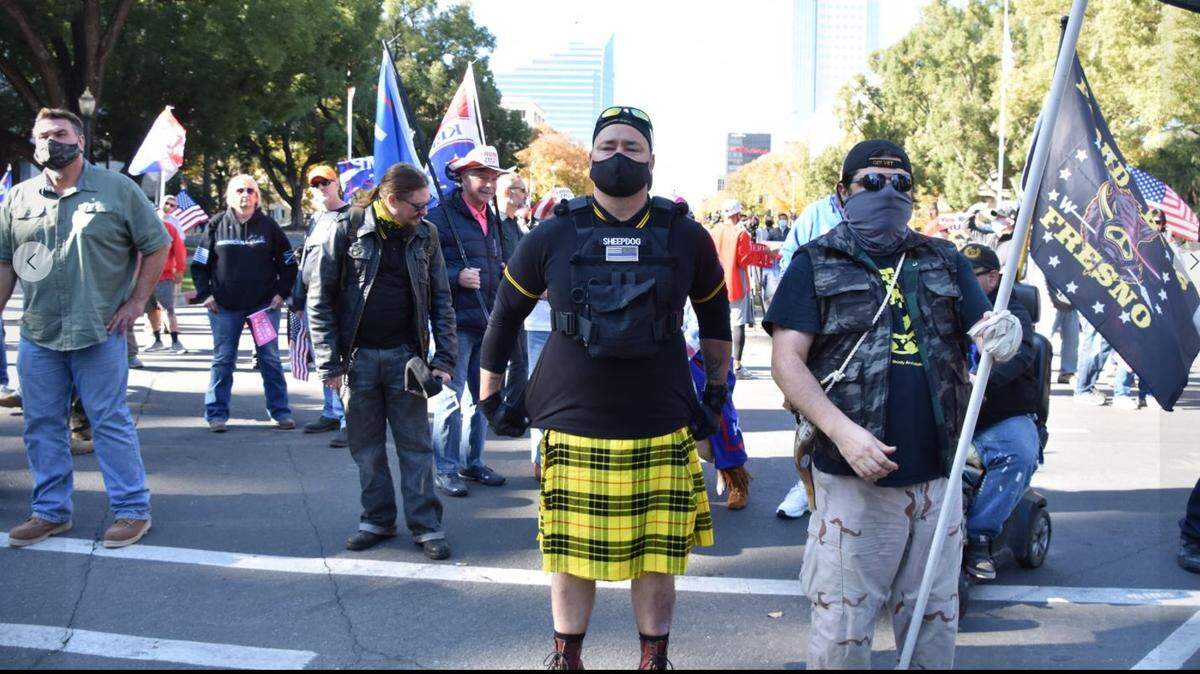
Meanwhile, Fresno police made recent news when an officer was found to have ties with the Proud Boys, a hate group with white supremacist views. The police union slammed the investigation that led to his termination.
Lessons learned from Fresno: Expect resistance from law enforcement, and make sure your oversight body is independent.
Davis Police Accountability Commission
Although Davis is much smaller, civilian oversight proponents in Modesto have leaned heavily on the Yolo County city as a model of how Modesto might approach change.
It’s considered a hybrid model because it features both a civilian review board and an independent auditor, or inspector general.
Some observers, including members of the Davis Police Accountability Commission, have been frustrated at the slow pace of change. Its commission formed in 2018, and some members complain that new leadership in the police department and on the Davis City Council seems less eager than previous leaders.
Davis expects positive strides after hiring a new police auditor; he is Michael Gennaco, a former federal prosecutor involved in 20 police misconduct investigations with a new career in police accountability. He appeared on a Modesto town hall digital panel in February exploring the idea of civilian oversight here.
Robb Davis, the aptly named former mayor, said his only regret is not having established civilian oversight earlier. No city should wait for a major tragedy, he said, to improve police culture.
Lesson from Davis: Sustained support from the City Council is crucial to the success of police oversight.