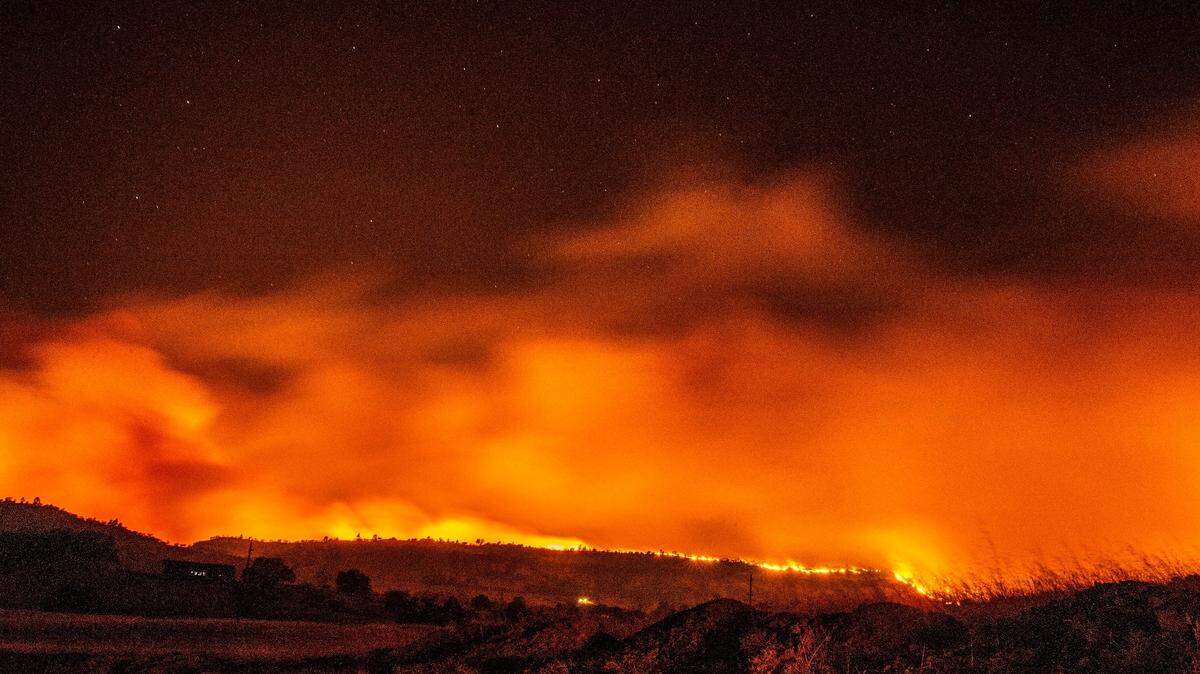
California keeps putting wildfire victims in danger. Stop rebuilding in fire-prone areas
READ MORE
California Wildfires: More Coverage
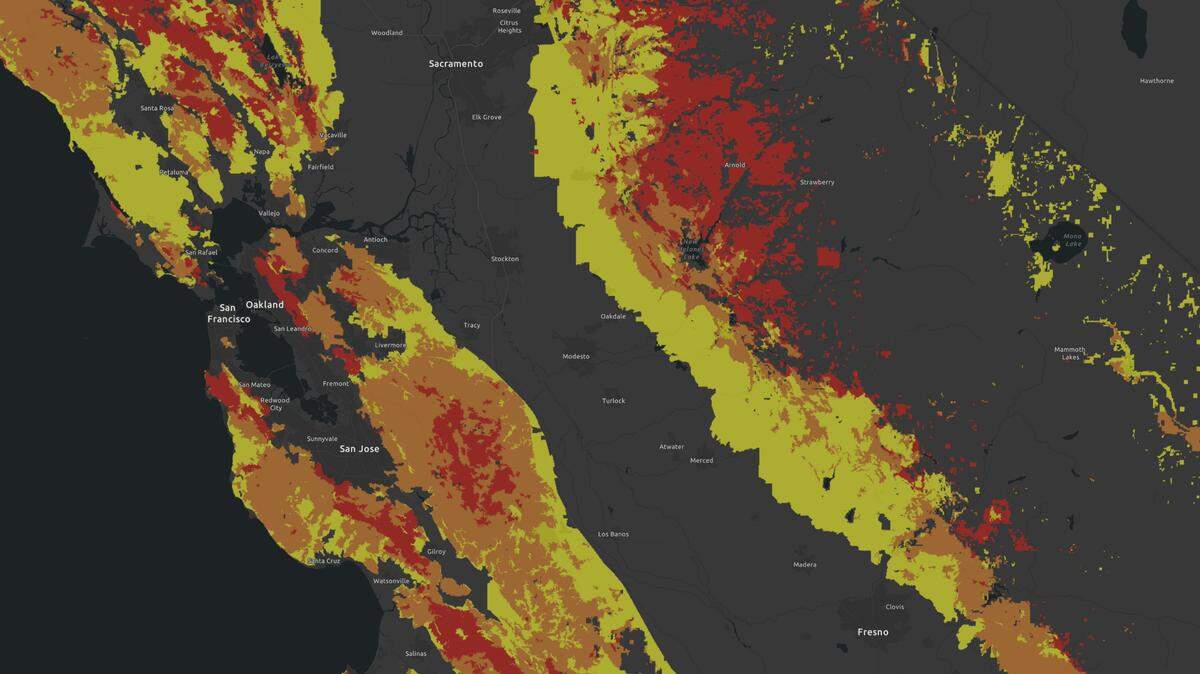
Over 2.7 million Californians live in very high wildfire hazard zones. Here’s what you need to know to prepare for wildfires, and why California still builds houses in these danger zones.
Expand All
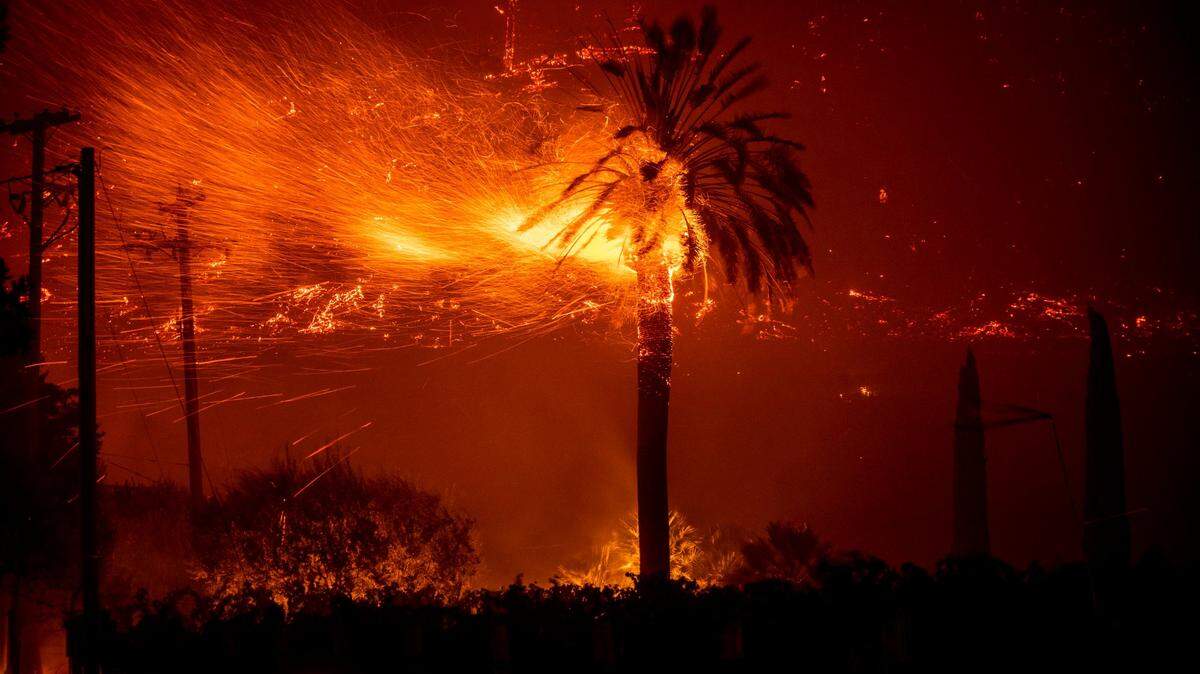
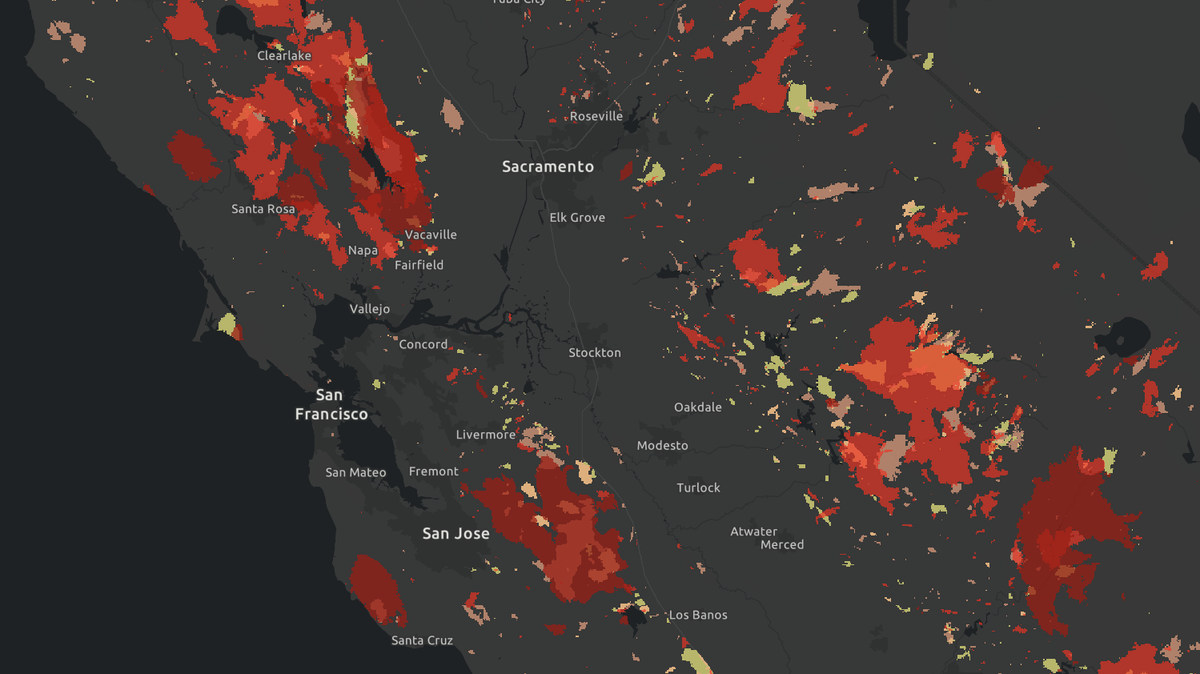
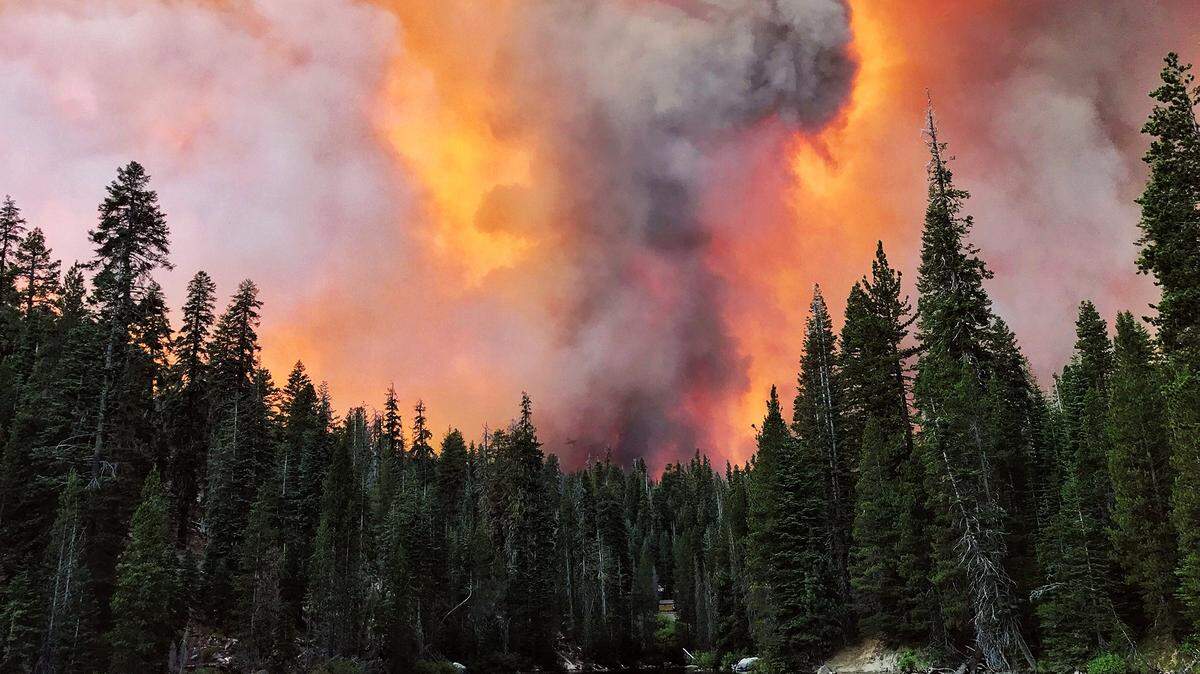
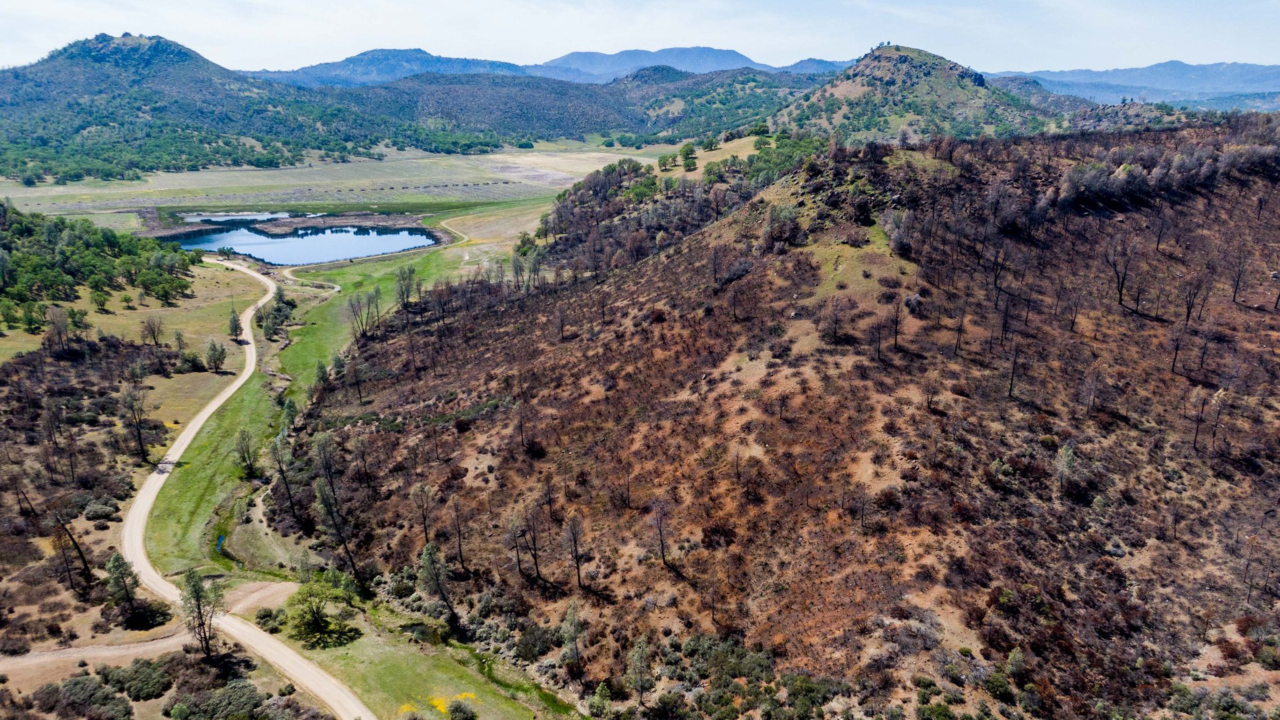
Huge swaths of the Mayacamas Mountain range that divides Napa and Sonoma counties has been torched to a deathly black. In three years, five wildfires burned a combined 225,000 acres along this rugged Wine Country artery. Some of the scars barely healed before flames swept over them again.
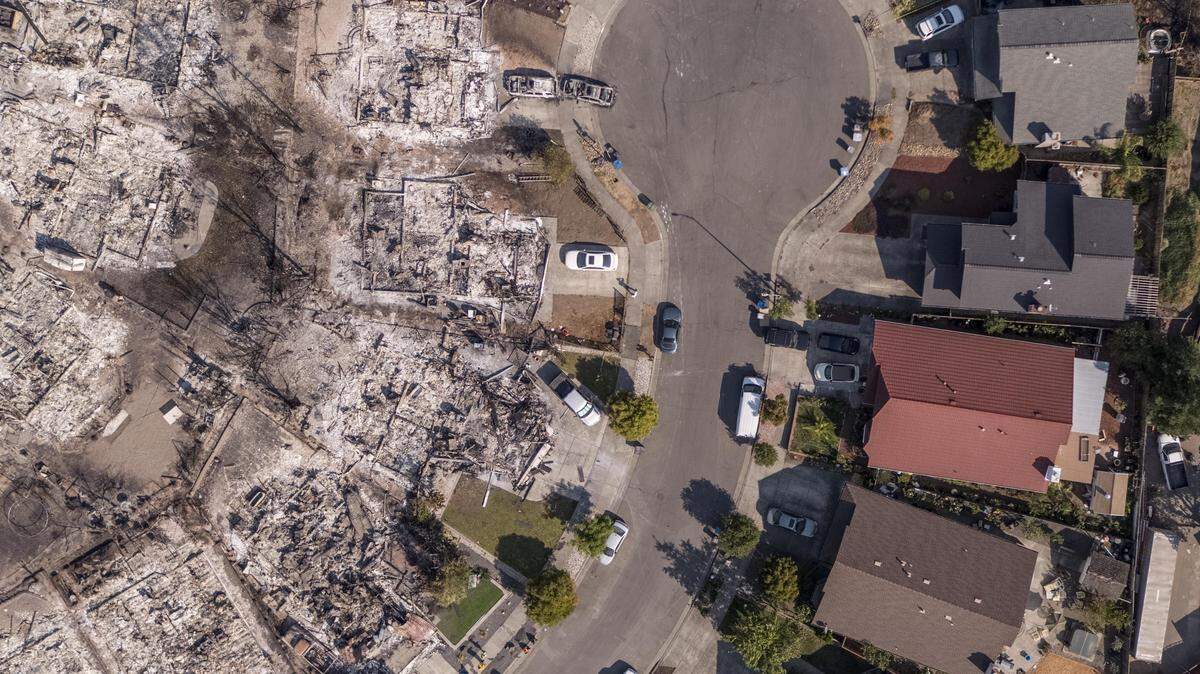
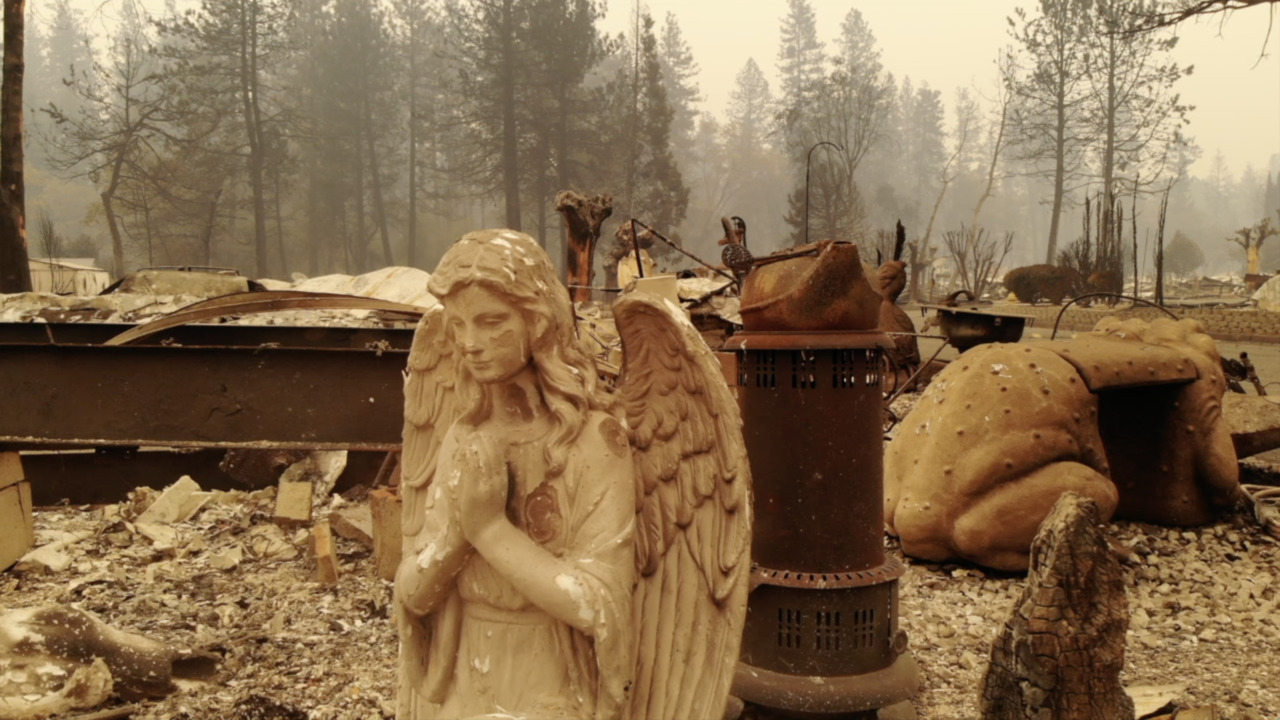
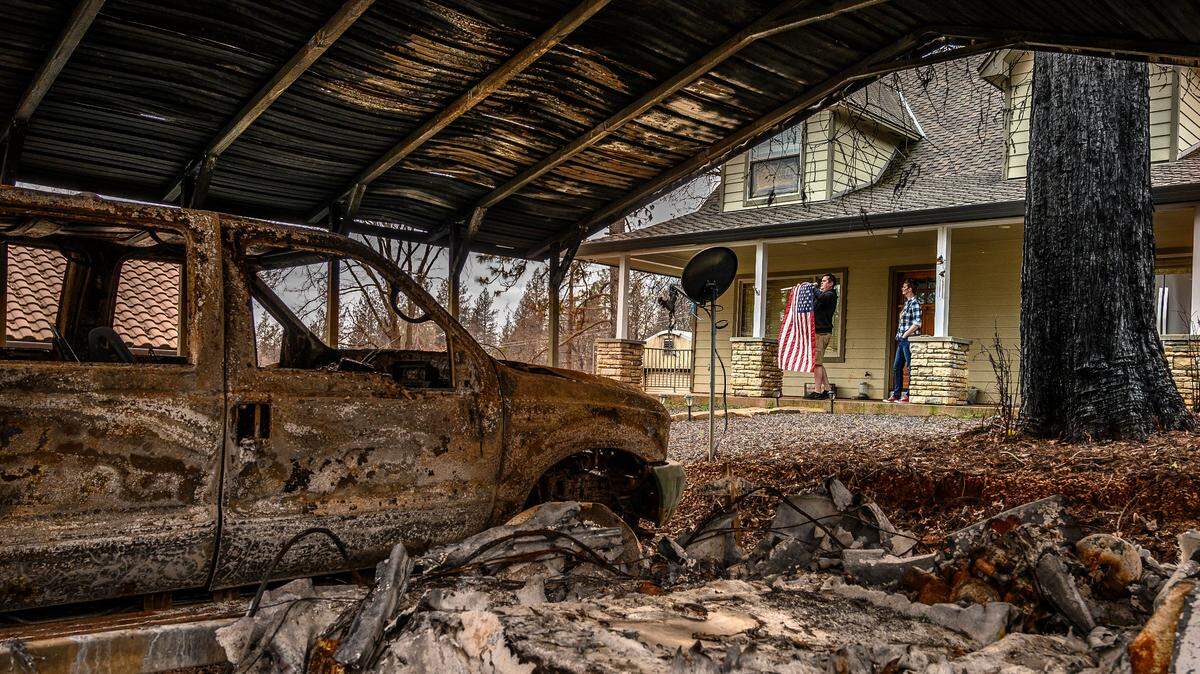
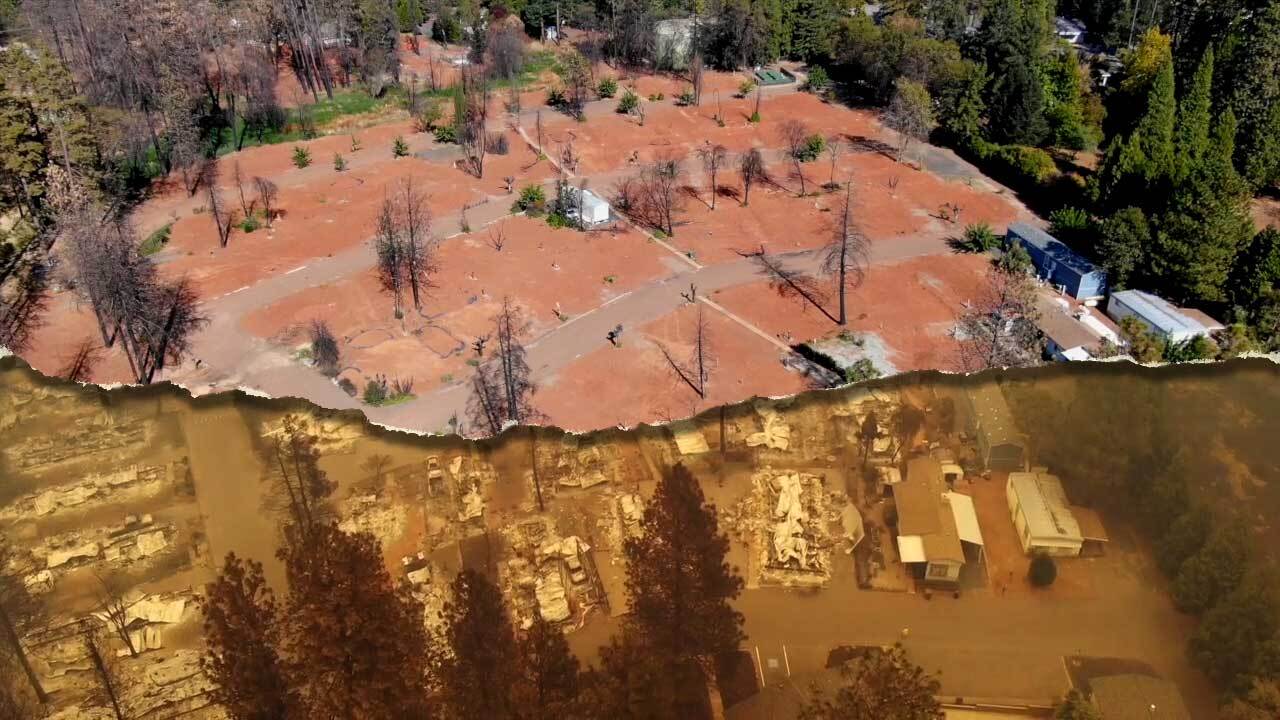
Hundreds of thousands of residents had to evacuate because of these fires. Tens of thousands of homes were threatened. More than 7,500 structures were destroyed, the vast majority in October 2017 when the Tubbs Fire leveled 5% of Santa Rosa’s housing stock. Within a matter of hours, 22 people died as entire neighborhoods were reduced to moon-like ash.
The resolve to rebuild is instinctual in the North Bay area. There is immense power and healing behind every house that goes back up — a family returns home; a future put back on track; a piece of the community restored. I saw it up close as a journalist who lived and worked in the region for almost six years. I’ve had to bite my lip to avoid crying during more interviews than I’d like to admit.
The fires never relented, though. They became more frequent. They also found more paths into populated areas.
Last September, the destructive Glass Fire crossed the Napa Valley, rampaged between two scars from 2017 and reached the hilly communities in east Santa Rosa. It even jumped the Sonoma Highway and threatened the 5,000-person senior village in Oakmont. If it wasn’t for the superhuman efforts of firefighters that night, it would’ve been an unimaginable tragedy.
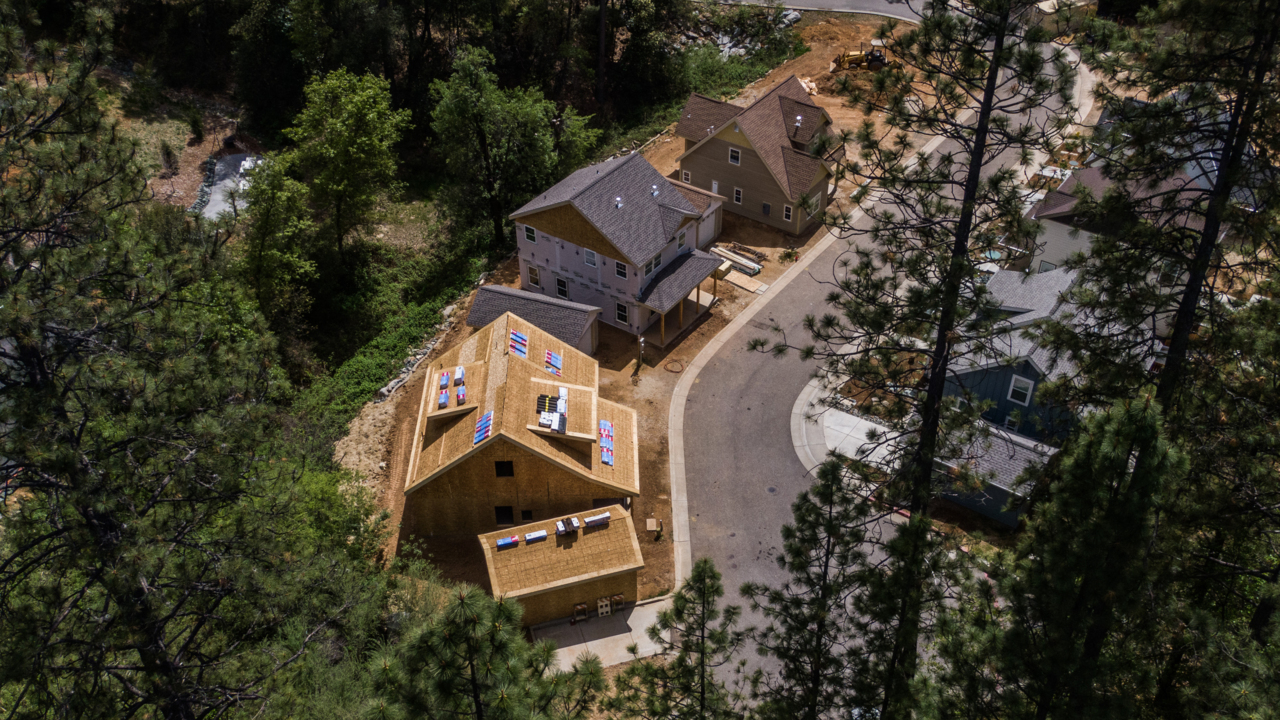
Our desire to build and the increasing frequency of wildfires are an unsustainable combination. The appeal of hillside and foothill communities in California’s coastal mountain regions is gone. Wildfires target these areas year after year.
It’s time we heed what Mother Nature is telling us. We need to stop rebuilding in fire-prone areas.
A new report authored by UC Berkeley researchers and the think tank Next 10 found that “state and local land-use policies, coupled with the state’s housing shortage, are ratcheting up the economic and human cost of wildfire by incentivizing rebuilding in the high risk-wildland urban interface, instead of redirecting development away from fire-prone areas.”
Translation: We are putting people back in danger when we rebuild.
As a result, California is now on the cusp of an insurance crisis. Insurance companies paid out $26 billion to homeowners after the 2017 and 2018 fire seasons. Since then, they’ve gone into hyperdrive to protect their bottom line, and lawmakers can’t keep up.
Insurers have stopped covering scores of California homeowners because of fire risk, forcing residents onto expensive FAIR plans, which add thousands in annual costs. Last year, insurance lobbyists soundly defeated consumer protection proposals such as Senate Bill 1199 and Assembly Bill 2367, which would have hardened homes against wildfires.
Insurance companies are mocking the fire protection measures that local and state leaders are pushing for.
The only viable path to massive insurance reform is through ballot measures. Voters approved Proposition 19 last year, which changed property tax rules so seniors could maintain the economic benefits and relocate after a disaster. We need to extend this protection to every homeowner in fire-prone areas so no one has to risk their long-term safety for financial security.
State Sen. Mike McGuire, D-Healdsburg, said he is in constant talks with FEMA to explore potential pilot programs that could aid victims in his disaster-torn North Coast district. He hopes to get a federal buyback system that helps fire victims relocate without a loss, similar to what the agency does after hurricanes.
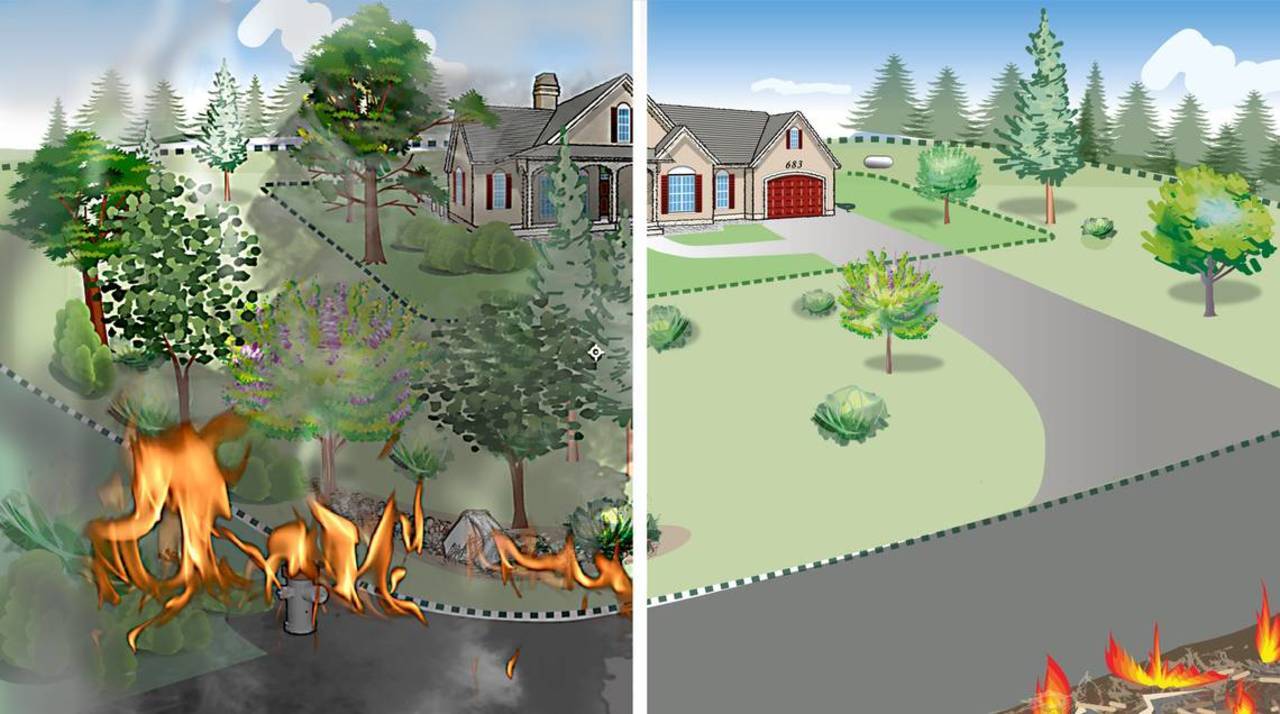
As state leaders try to figure out consumer protections, building policies also need to change. The Assembly is currently considering Senate Bill 12, which was introduced by McGuire and Ventura-area state Sen. Henry Stern. The law would make it harder to develop in high-risk fire areas. It would also require the state fire marshal to update fire maps for the first time since 2007.
“The way we strategically grow our communities has to come into question. The reality of megafires has set in,” McGuire said. “We know the development practices in high fire-risk areas must change, but too many times in the past, politics have gotten in the way of data. The data shows we have to change the way we build and the way we rebuild. If we don’t, more death and destruction will follow.”
These are no longer once-in-a-lifetime disasters. Climate change has intensified the conditions that cause wildfires and prolonged the dry season when they occur, leaving communities vulnerable to forces beyond their control. It’s not as simple as PG&E screwed up anymore. A massive lightning storm sparked some of the largest fires in state history last year. How do you defend against that?
The answer is you can’t. If it can burn, eventually it will.
California needs an immediate overhaul of property tax laws and major expansions of consumer protections so people no longer have to decide between their safety and their equity.
More importantly, we need to be honest about what’s happening in California. The rapid and intense changes to fire season pose existential questions we need to start considering differently. Rebuilding is no longer the right answer.
This story was originally published June 20, 2021 at 5:00 AM with the headline "California keeps putting wildfire victims in danger. Stop rebuilding in fire-prone areas."