Before Caldor, another wildfire swept through south Tahoe region. How it happened
READ MORE
California Wildfires
The latest on the wildfires burning in California. Get updates on the Caldor Fire, Dixie Fire and others, including size, containment, evacuation orders and more.
Expand All
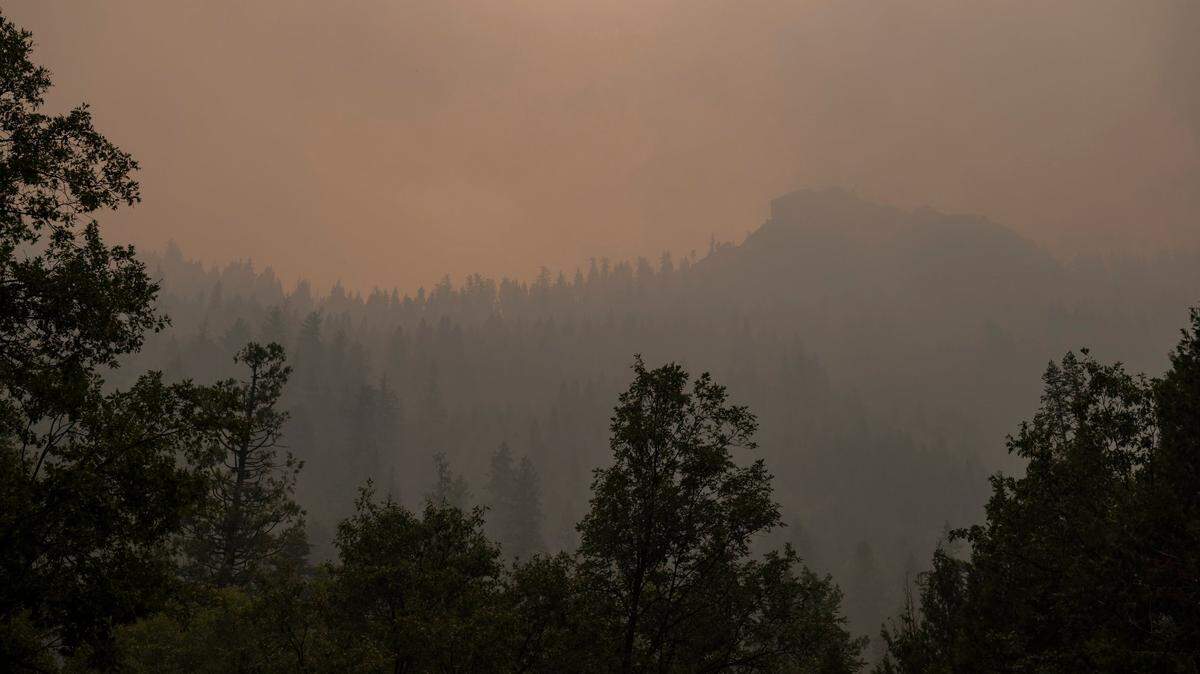
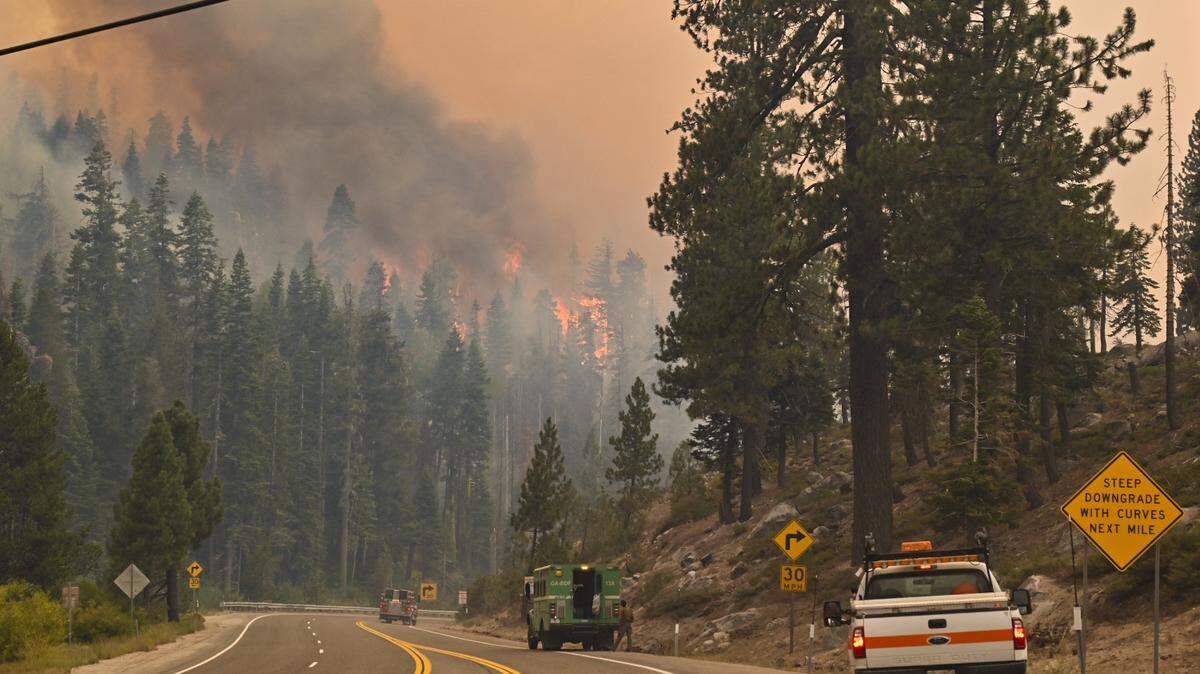
The Caldor Fire bearing down on Lake Tahoe is a painful reminder of one of the most destructive wildfires in the region’s history: the devastating Angora Fire more than 14 years ago.
On the afternoon of June 24, 2007, embers from an abandoned campfire near Angora Creek on the edge of South Lake Tahoe caught the surrounding national forest on fire.
Fueled by 30 mph wind gusts, the fire quickly raged into neighborhoods that butted up against the U.S. Forest Service’s Lake Tahoe Basin Management Unit.
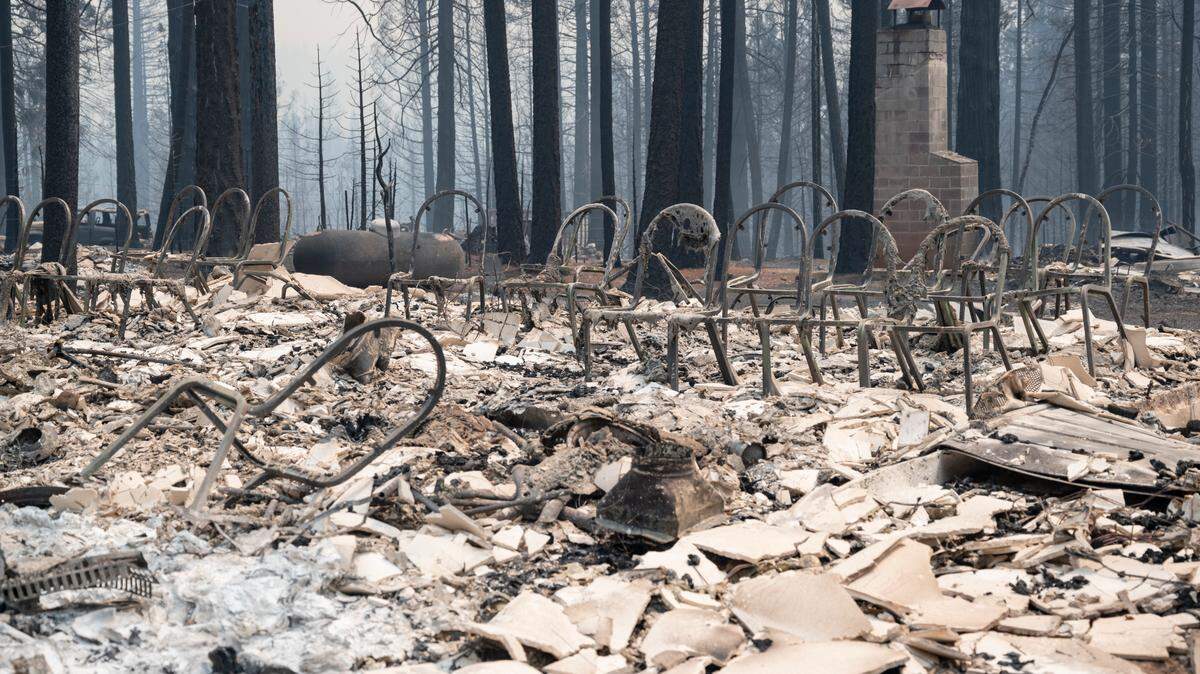
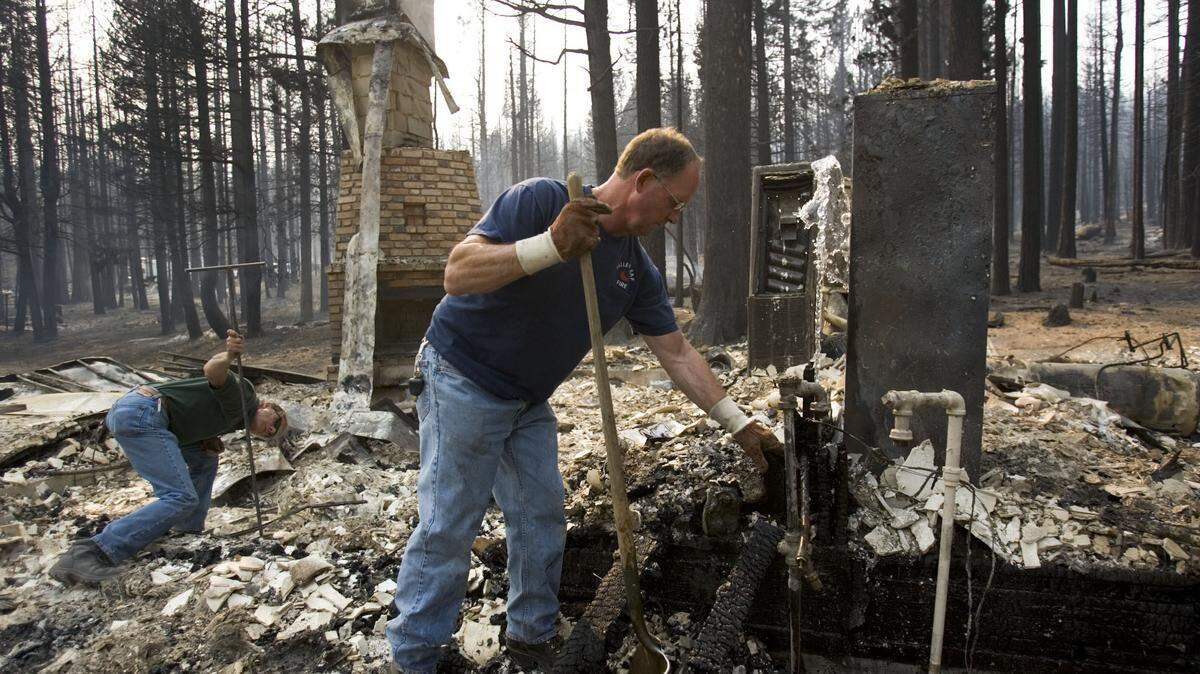
The fire was small by today’s standards — about 3,100 acres — but property damage was substantial. By the time the fire was declared fully extinguished on July 3, the fire destroyed 254 homes, resulting in an estimated $141 million in damage. No one was killed, although three non-fatal injuries were reported.
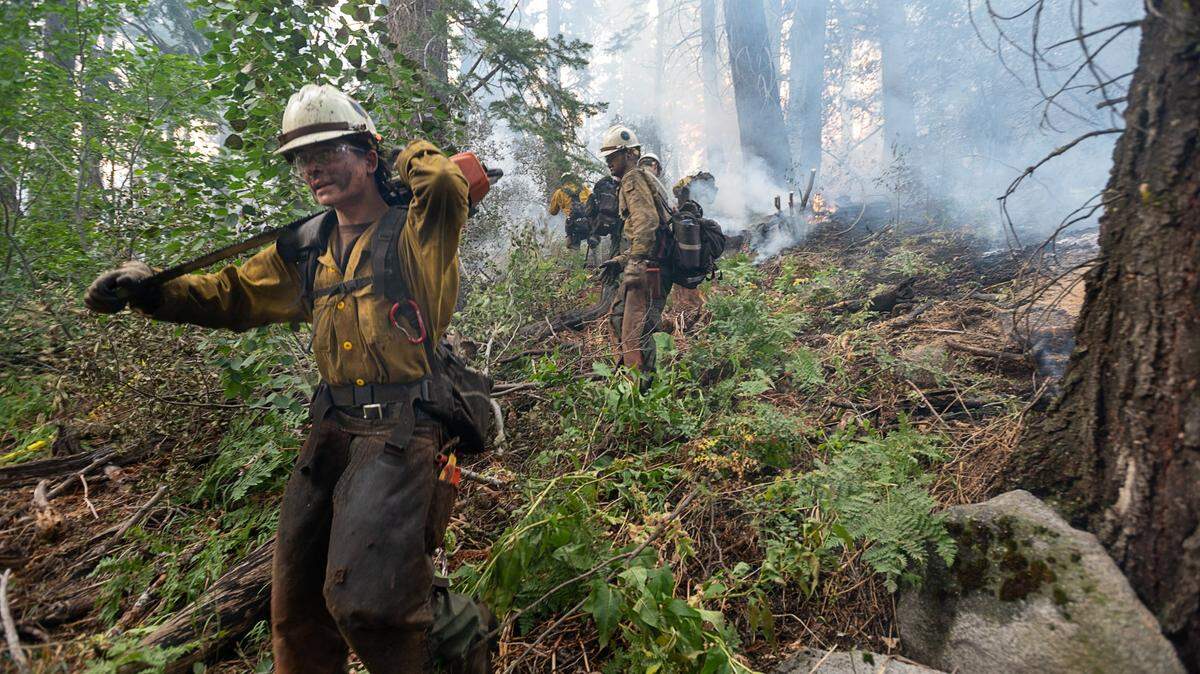
In a report later that summer, the Forest Service credited its forest-thinning projects in the area and some homeowners clearing trees and brush around their homes for slowing the burn and diminishing the smoke enough for firefighters and sheriff’s deputies to efficiently evacuate neighborhoods.
But the report showed that property owners’ so-called “defensible space” and forest thinning projects helped only so much. The Forest Service said the woods were so dry and the winds were so fierce that nothing short of a half-mile-wide clear cut would have stopped the Angora fire from torching the Lake Tahoe community.
The report also noted that evidence from on-site inspections indicated that trees caught fire from burning houses — not the reverse. In most of these cases, houses most likely caught fire from embers and firebrands — pieces of burning wood — thrown up from neighboring houses that were ablaze.
Thickets of dead and dying trees along Angora Creek — an environmentally sensitive area off limits to conventional logging operations — “likely contributed” to the fire’s rapid spread.
Piles of dead wood remained, and ignited
The agency also acknowledged that one of its 2004 thinning projects effectively backfired because the piles of dry cut wood the federal agency had remained on the site. Officials at the time said they did not have a chance to burn the remains because of air-quality restrictions in the Tahoe basin.
The fire prompted a surge of forest thinning projects around Lake Tahoe.
In the 10 years after the fire, forestry crews thinned more than 48,000 acres around the lake in an effort to reduce fire fuels, more than double the amount of treatments done the previous decade, Chris Anthony, a Cal Fire division chief based in South Lake Tahoe, told the Reno Gazette Journal in 2017.
The Tahoe region, nonetheless, remains one of California’s most vulnerable to a catastrophic wildfire, with risks on par with the town of Paradise, which was destroyed in 2018 by the Camp Fire, the most destructive wildfire in state history.
A McClatchy analysis in 2019 highlighted how Tahoe’s residents are among the 350,000 Californians who live in towns and cities that exist almost entirely within “very high fire hazard severity zones” — Cal Fire’s designation for places highly vulnerable to devastating wildfires.
Experts say the phenomenon of embers blowing from burning houses and catching nearby homes on fire is a big reason why fires like the Angora and Camp fires have been able to wipe out entire communities in a matter of hours.
It’s why many experts are calling for the state to expand its “home hardening” efforts to retrofit buildings with fire-proof roofs and siding, fine wire-mesh screens to prevent embers from flying through attic vents and other preventive measures to make them less likely to catch fire from flying embers.
This story was originally published August 30, 2021 at 11:16 AM with the headline "Before Caldor, another wildfire swept through south Tahoe region. How it happened."
.JPG)