COVID-19 reported at Modesto Walmart, Walgreens, more; What to do when staff is sick?
Central Valley businesses may be almost done with their coronavirus shutdowns, but it’s clear that coronavirus is not done with Central Valley businesses.
In the past few weeks rumors and reports of employees testing positive for COVID-19, the illness caused by the novel coronavirus, have run rampant on social media.
In a one-week span, from last Friday to this Friday, Stanislaus County recorded 383 positive cases of COVID-19, including 102 new cases last Sunday alone.
A case was confirmed this week at Modesto’s Frito-Lay plant, which closed down temporarily in late March due to multiple employees displaying COVID-19 symptoms. This time the plant did not close, but a Frito-Lay spokeswoman said they performed a “deep cleaning based on CDC guidelines and using EPA-approved registered products for COVID-19.”
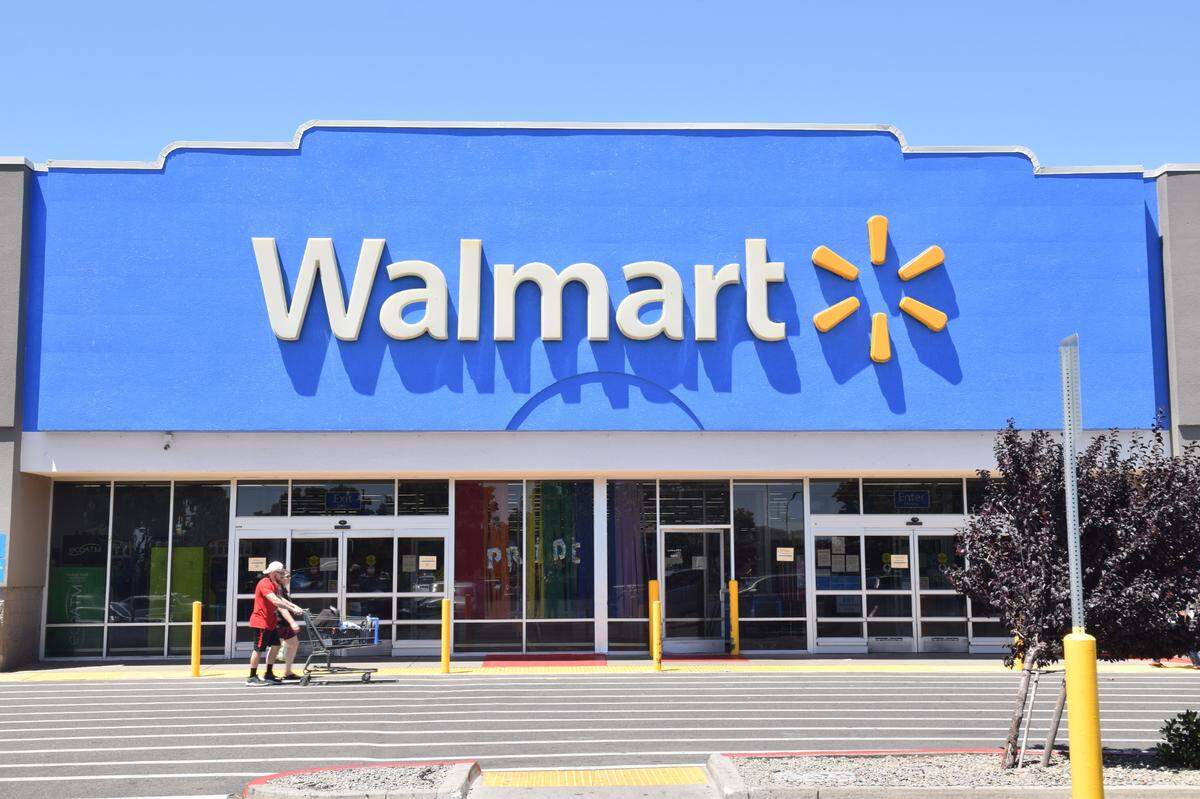
Workers at the Walmart on Plaza Parkway have reported cases at the store, but its corporate parent told The Bee while it reports all employee cases to the local public health departments it will not confirm cases at specific locations to the public. A person who works at the location told The Bee in an unconfirmed report that up to five people tested positive recently. An unidentified employee who answered the store’s general line this week said the store had been “cleaned” since.
The Walgreens on McHenry Avenue in Modesto closed down for cleaning after two employees reportedly tested positive for the virus last week. The company did not respond to multiple requests for information about possible positive cases, but in a call to the store last week an unidentified employee stated “the store has been sanitized.”
Merced health officials reported Hughson Nut Company had eight cases in their Livingston plant at the start of the week, and by mid-week rumors swirled about more cases at other area facilities. The plant manager confirmed “several” cases at the Livingston facility only to The Bee, which the company also said will be re-cleaned with professional services after an initial cleaning when the cases were confirmed. They are also awaiting test results for additional employees.

The Texas Roadhouse on Sisk Road in Modesto confirmed it recently had two employees test positive. A corporate representative told The Bee neither of the employees worked while they had symptoms, the restaurant was deep-cleaned and “(g)iven that we wear masks and are not in close contact with guests for 15 straight minutes, guests should not be concerned.”
Late last month the Save Mart supermarket in Riverbank’s Crossroads shopping center closed when an employee tested positive for COVID-19. The day after the closure, the company posted about the incident on Facebook and released additional and specific information about its cleaning procedures.
When you compare and contrast all the businesses’ responses to reports of positive COVID-19 cases in their workplaces, it’s clear the public isn’t being consistently informed. What’s less clear is what we can do about it.
CDC recommendations for businesses with sick employees
According to Cal/OSHA any work-related COVID-19 illnesses of employees must be recorded and logged with the state. The CDC offers overall guidances on how businesses should handle employees who are sick with the virus, as well as cleaning protocols. They include:
- Separating and sending home any sick employees immediately.
- Closing off any areas (though not necessarily the whole facility) where sick employees worked for prolonged periods of time.
- Cleaning those areas, but waiting 24 hours first to “limit exposure for other employees to existing respiratory droplets.”
- Opening outside doors and windows to increase circulation in the area while waiting to clean.
- Sanitizing dirty surfaces with soap and water before disinfecting them, then disinfecting with products that meet EPA criteria for use against SARS-Cov-2.
- Informing fellow employees of their possible exposure, while also maintaining confidentiality for sick employees. Close contact is generally defined as being exposed to another person for 10 to 15 minutes while less than 6-feet apart.
The California Department of Public Health has issued its own outbreak guidance for workplaces as well. In addition to generally following the CDC recommendations, they also state that “(t)esting all employees in a workplace should be the first strategy considered for identification of additional cases” and then to “(c)onduct contact tracing and quarantining of close contacts of confirmed cases in the workplace.”
In Stanislaus County their Good2Go Stanislaus business training program also follows the general CDC guidelines and requires notification to both the Health Services Agency and close contacts. The general guidelines for outbreaks at businesses include contact tracers being given the names of infected employees along with full employee rosters, and then upon verification placing exposed employees in quarantine, according to protocols sent by Stanislaus Health Educator Kamlesh Kaur.
“As more areas of the county opens and residents get back to work or other activities, we are bound to have individuals exposed to positive cases whether at work or in community,” Kaur wrote in an email response for information on local outbreaks.
Preventative measures still best defense against outbreaks
As the county, state and nation reopen amid the continuing global pandemic, exposure is bound to increase and employees are therefore bound to get sick. That’s just how highly contagious respiratory viruses without vaccines and universally applied preventative measures work.
As always, the best defense is a good offense. Agencies from the WHO to the CDC, CDPH and Stanislaus County HSA continue to recommend maintaining 6 feet of social distance, wearing face coverings, washing your hands and not touching your face.
Stanislaus County announced a planned mask mandate in the region Wednesday night, ahead of Gov. Gavin Newsom’s statewide order issued Thursday afternoon. Those orders should eliminate any questions about who should be wearing masks in public and business settings. (Hint: The answer is everyone.)
But the question of what the public deserves to know when their favorite stores or restaurants, or workplaces large and small, have confirmed COVID-19 cases remains unclear. According to a written statement from a spokesperson for the CDPH, “Local health departments may identify outbreaks during their investigations of cases. It would be a local responsibility to assess the situation and determine how to respond.”
Health officers do this all the time in cases of infectious disease outbreaks like hepatitis A or E. coli. In Stanislaus County, Health Officer Dr. Julie Vaishampayan has been at times reluctant to confirm cases at specific businesses, citing HIPAA privacy rules. Requests for confirmation of recently rumored cases at the aforementioned businesses were not returned.
Dr. Vaishampayan has spoken with The Bee about widely reported outbreaks at nursing home facilities in Turlock and Modesto, as well as confirmed some outbreaks in other counties including the Safeway in Tracy which led to the death of a Turlock man.
I think people understand the need and right to privacy for workers who have tested positive. No one wants to brand people with Scarlet C’s or create undue panic. For small workplaces, revealing information might indeed breach confidentiality rules. Also, it’s important to note that just because a business reports an employee with the virus, it doesn’t mean that’s automatically a bad business.
But this still puts the public and some workers in a Catch-22 when it comes to finding out about businesses where employees have tested positive. Without transparency, the public can’t make informed decisions about their health and possible risks. Corporations, like Walmart, refuse to report out stores with sick workers, instead saying they’ve done their due diligence by informing local health departments. And then local health departments decline to state which businesses have had positive cases.
Let’s be perfectly clear, maintaining secrecy at your business or outright trying to sweep COVID-19 cases under the rug helps no one. It creates an atmosphere of fear among employees, and it dilutes the public trust in your establishment. Better to be clear, and say what steps you are taking to address the enormous coughing elephant in the room. Otherwise, in the absence of information, people will assume your business has something potentially deadly to hide.
This story was originally published June 20, 2020 at 1:21 PM.