A ‘ticking time bomb.’ Valley essential workers share experiences amid coronavirus
Everyone has been thanking frontline essential workers these days.
You see it in TV commercials. You see it on homemade signs. You see it from government officials. But the people who have kept the stores stocked and the deliveries shipping every day since the coronavirus crisis started are also sometimes the least protected in the workforce.
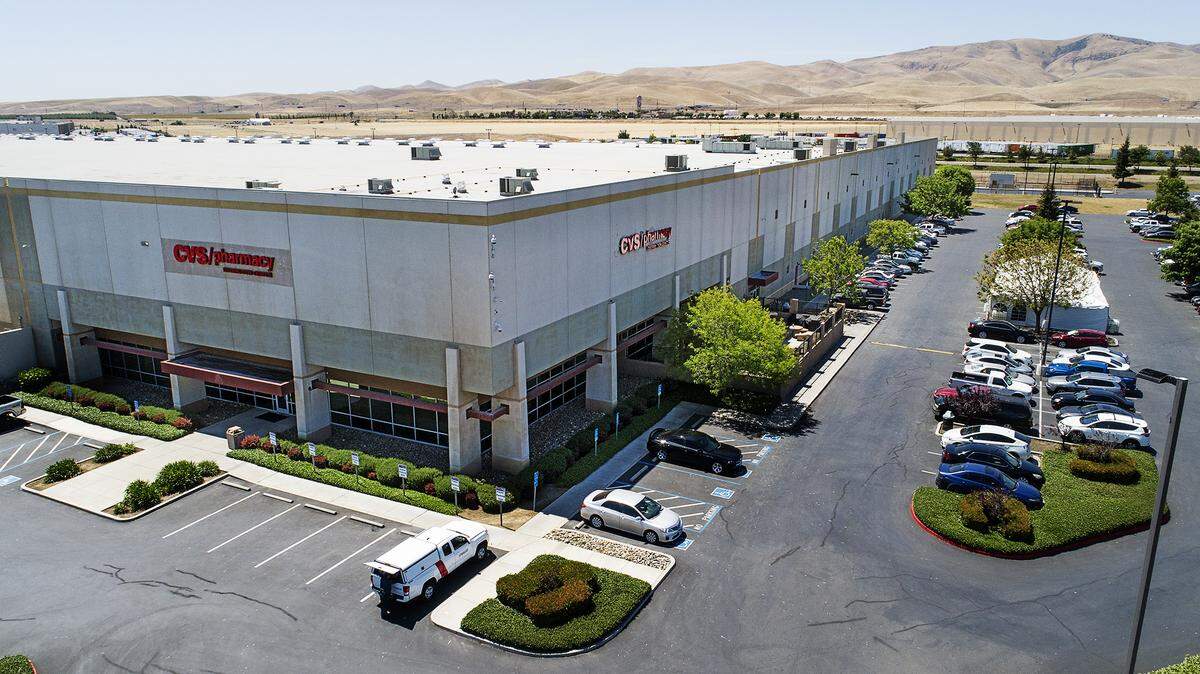
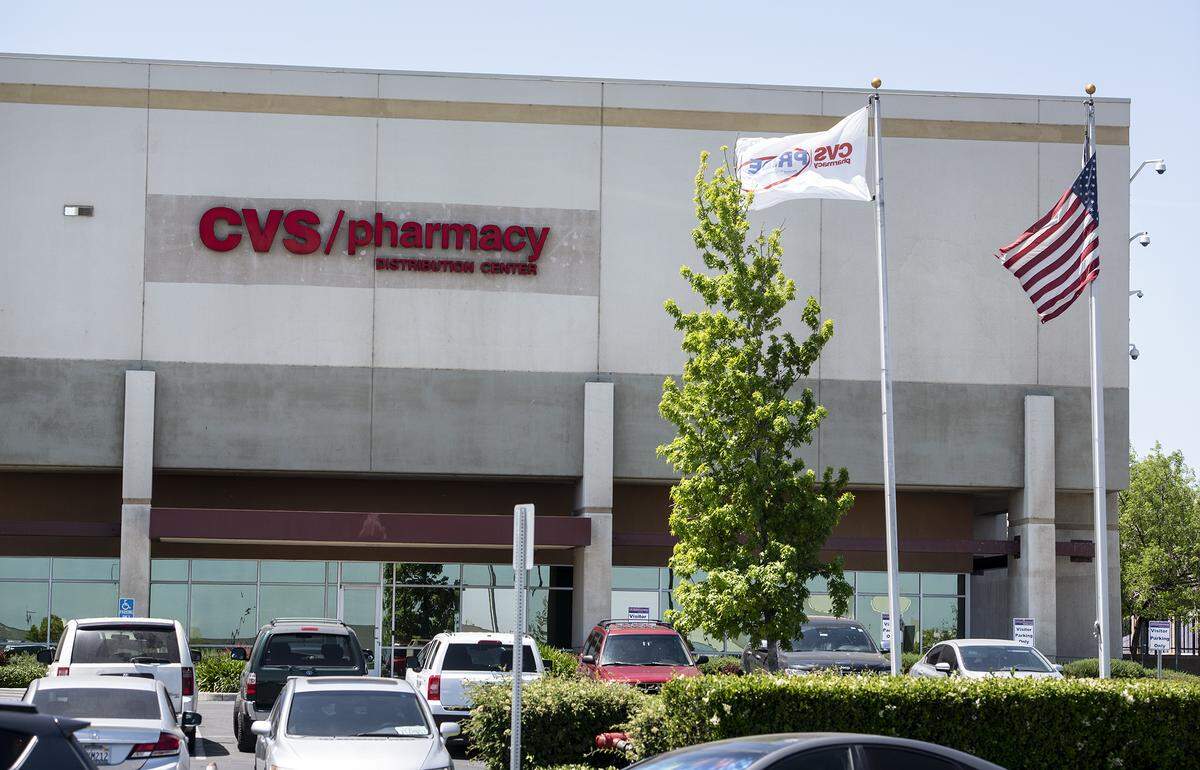
They’re still going to work each day, either in massive warehouses or in crowded stores. And despite some policy changes and new guidelines, workers remain worried. On Monday, two cases were reported to workers at the CVS distribution center in Patterson, which has 500 employees.
The Modesto Bee spoke with people who staff the region’s large distributions centers and major retailers like grocery and discount stores. The workers requested anonymity for fear of retribution by their employer.
Some have grave concerns about how their companies have handled their health and safety amid the global pandemic. Others want customers to simply follow the rules. And they offer recommendations for what would make them feel confident in their workplace and respected for their labor.
Big distributions centers are ‘ticking time bombs’
With earlier confirmed coronavirus cases at distributions centers from Safeway to WinCo, which included the death of a Turlock man from the disease, workers at large warehouses are scared.
The Bee spoke with two employees recently at the CVS warehouse in Patterson — home to a cluster of distribution centers including Amazon, Kohl’s, and Restoration Hardware — about work conditions since the pandemic started.
“It’s only a matter of time before all of us get it,” one of the women said. “It feels like it’s a ticking time bomb. If someone has it, it’s a matter of time before all of us have it.”
Both the women have been with the company over a year and said there were no immediate safety changes relayed to them. While people were cramming into grocery and retail stores for supplies in record numbers, they were working overtime. The warehouse’s roughly 500 employees work in two shifts starting at 5 a.m.
They said problems begin at clocking in. One of the women said all the stations are bunched together, so workers crowd around each other to use the machine for fear of being late. Being tardy or missing any work leads to demerit points, she said. Employees can only rack up 10 points in a calendar year before being automatically fired.
A point is given for clocking in late, leaving early, missing a shift and even calling in sick. She said points for illness are only reduced after being sick for three days in a row with a doctor’s note, when the penalty goes to one-half a point instead. She said the center offers them the California minimum of 24 hours sick time for part-time employees and 48 hours for full-time workers. Because of the pandemic, the company has added an extra 24 hours of sick time. She said they still count toward the point system.
But CVS spokesman Mike DeAngelis said the tracking of absences and tardiness at distribution centers was suspended March 1, in an email to The Bee. He also said employees who test positive and their co-workers who are exposed are placed on a 14-day paid quarantine.
Both the women said if the absence system was suspended, no one told the floor workers who are still reluctant to call in sick for fear of getting a point.
The women said changes have been communicated largely by posted signs throughout the warehouse. The floor is taped in certain areas to indicate 6 feet of social distance, but that space is not enforced. Masks were at first optional at the start of April, then became mandatory toward the end of the month.
Confirmed cases in Patterson center spark fear
They said complaints and concerns are all routed through the human resources department. But the on-site staff is all working remotely and the offices are locked. The company has also promised bonuses from $150 to $500 depending on the number of hours worked in April.
But those policies ring hollow, the workers said, those picking the orders and shipping deliveries.
“I feel like, sorry for the language, but we’re the dumb----- doing the work. We are the guinea pigs. Everyone else is being safe, (HR) is self-quarantining,” one of the women said. “I’ve got friends having anxiety attacks because they have to work. ... There are days when I’m like is this worth it? But you’re also thankful to have a job.”
This Monday, when workers started their shift, they were told in small groups about the confirmed cases and that the building received a deep cleaning Sunday night. The women said workers in close contact to the infected employees were told to self-quarantine for 14 days.
The rest of the staff was told to go back to work, but with a heavier workload because of a temporary shuttered facility in Southern California. Three cases were reported in La Habra, causing two-day closure for cleaning DeAngelis said.
After hearing the news, the women said many workers went home out of fear. They said they heard people say they’d rather “take the point” than risk getting sick — in reference to the absence tracking system the company said it had suspended.
“We are all really scared and we feel like the higher ups aren’t doing enough,” one woman said. “I really liked my job here before this and the people I work with, but the way our supervisors are handling this is making me rethink my options.”
Essential retail stores see bored customers
An employee at a Big Lots in Stanislaus County said she is most concerned about the number of customers coming in and their hygiene. In the past month, the retail worker has spotted a customer sucking on a pillow and people picking their noses and wiping mucus on furniture. Customers leaving used gloves in shopping carts has also raised safety concerns, she said.
When she doesn’t hear complaints about out-of-stock merchandise, the worker said some customers tell her: “I’m just bored and you guys are one of the only ones that are open.” Immediately, she thinks of bringing the coronavirus home to her daughter and husband, who face higher risk of severe illness from COVID-19.
“It’s scary because it’s putting my family in danger,” she said. “... Just because they don’t know of anybody who may have it or they may not have a loved one that is susceptible, they have a total disregard.”
Some customers also ignore social distancing signs, she said, packing entire families in an aisle instead of two people maximum. After federal stimulus checks hit people’s bank accounts, she said an influx of customers came to browse the store’s non-essential goods.
While she overall approves of Big Lots’ response to the pandemic, she said non-essential aisles should close to improve safety. The move wouldn’t be unprecedented, as Michigan and Vermont have prohibited retailers such as Walmart and Costco from selling non-essential items such as clothes inside stores.
Company-wide protections for employees include a $2 per hour wage increase and daily health screenings for store workers, according to the Big Lots website.
Grocery worker asks customers to be mindful
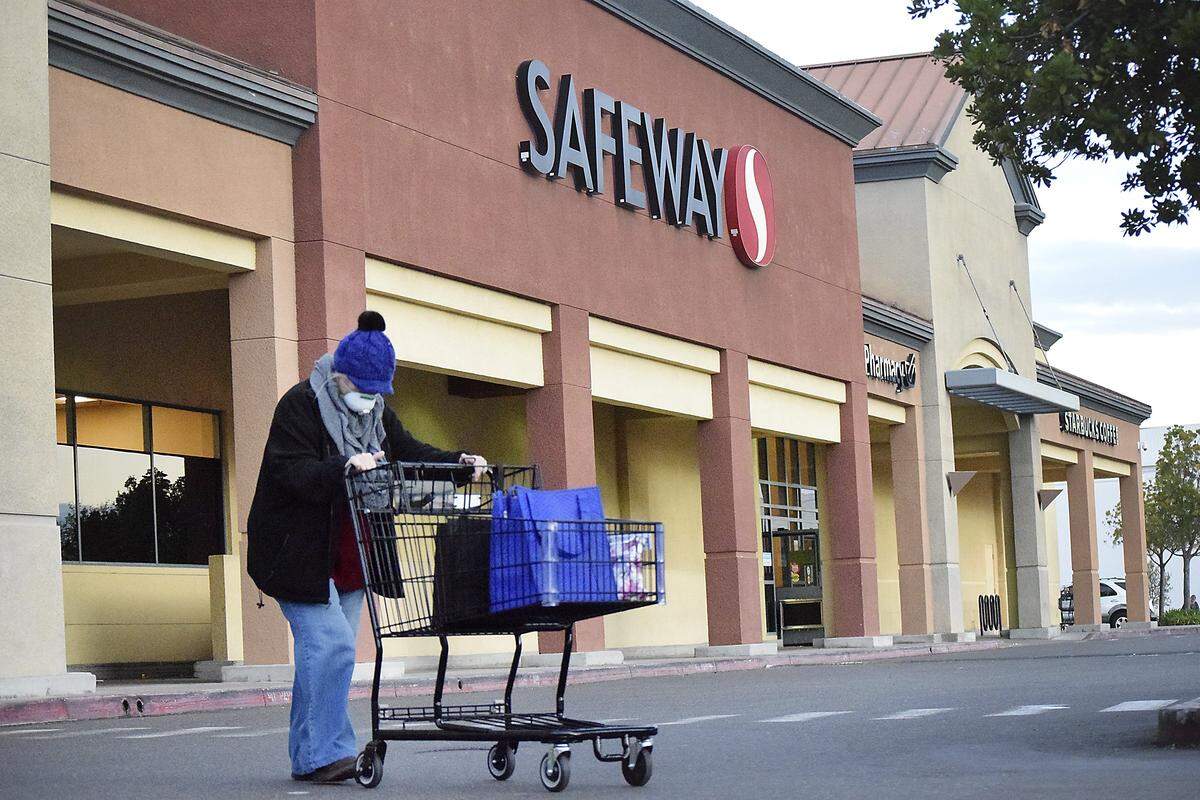
For grocery workers in the region, some of the first to witness the wave of panic buying, work has still not returned to normal. An employee at a Safeway in the region said she felt the company has been doing a good job at enacting safety precautions. But, like with other essential retail workers, the customers now pose the biggest problems.
Since late March, Safeway has been giving its retail and distribution workers a temporary $2 an hour hazard pay boost, which was slated to end May 4. Safeway employees who contract COVID-19 or need to quarantine will receive two weeks of replacement pay while they can’t work, the chain’s parent company, Albertsons, said in a statement.
In mid-April, the company started providing surgical masks which employees must wear during shifts. Aisles have been converted to one-way only, carts are being wiped down, safety shields and 6-foot markers are in place at checkout.
The employee, who has been with the store for a number of years, said she wishes customers would take safety as serious as they do.
“Honestly, if all those precautions the store has taken were followed thorough by customers, I’d definitely feel better,” she said. “But customers are not holding up their end.”
She said at the start of the pandemic shutdowns, their main concern was angry customers who blamed them for empty shelves and buying limits. One customer even took off her shoe and threatened to hit the worker with it.
“We have rules at the check stands, people need to wait to put their groceries on the conveyor and stand in the red box,” she said. “But people will just look annoyed and roll their eyes at us. They don’t want to be told anything.”
She said when speaking with other workers, they would feel most safe if stores converted to an all-curbside delivery model where staff shopped orders inside and then customers picked them up. Barring that, she would like customer masks to become mandatory and a limit to the number of people per cart allowed into stores.
Some customers have thanked them for their continued work. But going in every day has taken its toll mentally, she said, with constant worry and anxiety about catching the disease from someone.
“Just be patient and be kind. We’re the ones out there every day putting our health at risk,” she said. “We’re the ones seeing hundreds of people a day versus them, who are just coming and getting their groceries. We are exposing our health and mental stability.”
This story was originally published May 6, 2020 at 5:00 AM.