Fewer customers, more adaptation for businesses, gyms among new COVID-19 restrictions
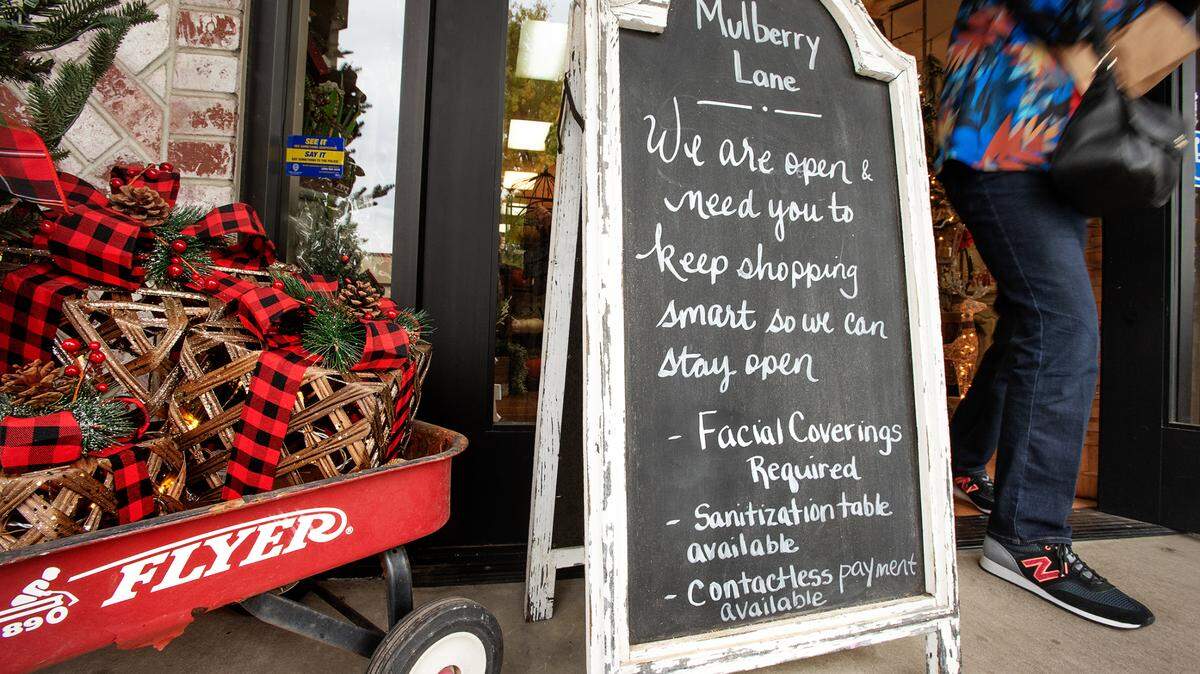
As tighter coronavirus restrictions take effect in Stanislaus County on Tuesday, small businesses are once again adapting to changing rules and looking to retain their clients in the coming weeks and months.
Gov. Gavin Newsom on Monday announced the new slate of restrictions across the state, stopping the gradual reopening that had been occurring the past few months as cases of COVID-19 increase across California and the nation. Stanislaus County is back in the purple tier, the most restrictive of the state’s classification system, as cases see a sharp increase.
Under the restrictions, small businesses only can operate at 25% capacity, and gyms will be limited to outdoor activities.
Chandra Cunha, the owner of Mulberry Lane, a gift shop in Modesto’s McHenry Village Shopping Center, said her business has been following the new restrictions throughout the pandemic, strictly limiting the number of people in the store and ensuring proper sanitation, mask-wearing and contactless payment options.
“We’re already kind of following those guidelines on our own for the safety of our customers,” Cunha said.
Cunha said her store has had an online presence since February, and that customers can order over the phone with contactless delivery. Still, she said, business has decreased, especially since many of her customers fall into groups at higher risk of contracting COVID-19.
Customer safety is a priority, so she’s encouraging people to “shop smart” as restrictions tighten and the holiday season nears. Shoppers tell her they feel safe at her store compared to bigger establishments that might be exempt from the restrictions she faces.
Still, all small businesses have individual needs, Cunha said, and she hopes county and state leaders keep that in mind as they formulate re-opening guidelines.
Vanessa Santana, who owns the boutique Halo B in downtown Modesto, said everyone’s health is paramount. Her focus has been on staff and customers. Her store offers appointments to shop, curbside pickup and online shopping options.
Halo B has been experiencing less foot traffic, she said, something she expects to continue with the increased restrictions. But Santana said she’s been heartened by the spotlight put on small businesses across the city, and the support she’s seen in the small business community.
Her business has taken advantage of the RAD Card program from the Downtown Modesto Partnership, a contactless gift card program that matches contributions dollar for dollar when they shop small.
Santana said the main concern for everyone should be curbing the spread of the virus.
“Nothing matters if people are getting sick,” she said.
Adapting to the pandemic, again
Dittos Copy Center, also in McHenry Village, has seen a decrease in their clientele since the pandemic first hit in March, and manager Brad Braillard expects the new restrictions to slow business again.
But Dittos has found a new set of clients — other businesses and health care facilities that are purchasing signage and floor decals to alert people to social distancing measures and mask requirements. Printing these decals, masks and safety signage has been a significant source of income for Dittos over the past few months, Braillard said.
As restrictions and guidelines surrounding COVID-19 safety have changed, Braillard said, so have the signs Dittos has printed, from informational and directional signs for clinics to floor decals for restaurants re-opening.
Braillard said he thinks the county and state have done a good job of supporting businesses, but that a second federal relief package would make the most difference in helping support small businesses. Still, he said, Dittos is doing well compared to event planners and marketing firms whom they normally serve.
“We can’t complain because we’ve got a lot of customers who are in way worse shape than we’re in, and we’ve been able to survive through this,” he said. “It’s hard to get too down.”
Marisol Fernandez, one of the owners of Full Force Personal Training in Modesto, said her gym is likely to experience a significant loss in clientele because they specialize in services for those with health issues and physical disabilities. She said that moving all the equipment necessary for clients outside will be difficult and in some cases impossible, especially during the rainy season.
The gym began offering online training options at the pandemic’s start, and Fernandez said those sessions will continue with the increased restrictions. This means clients who aren’t comfortable, or able, to train outside can continue to do so from home.
Fernandez said one of the big challenges is ensuring her gym meets the varied needs of her clients, without leaving anyone out. Additionally, she said the sometimes vague information from the state and county when it comes to restrictions and enforcement have made navigating the past few months a balancing act.
“You end up walking a really fine line as a business owner as far as trying to accommodate and making everyone feel like their choice is important,” she said.
This story was produced with financial support from the Stanislaus Community Foundation, along with the GroundTruth Project’s Report for America initiative. The Modesto Bee maintains full editorial control of this work.
To help fund The Bee’s economic development and children’s health reporters with Report for America, go to https://bit.ly/ModestoBeeRFA