Inside a Central Catholic High coach’s plan to turn pain into powerful message
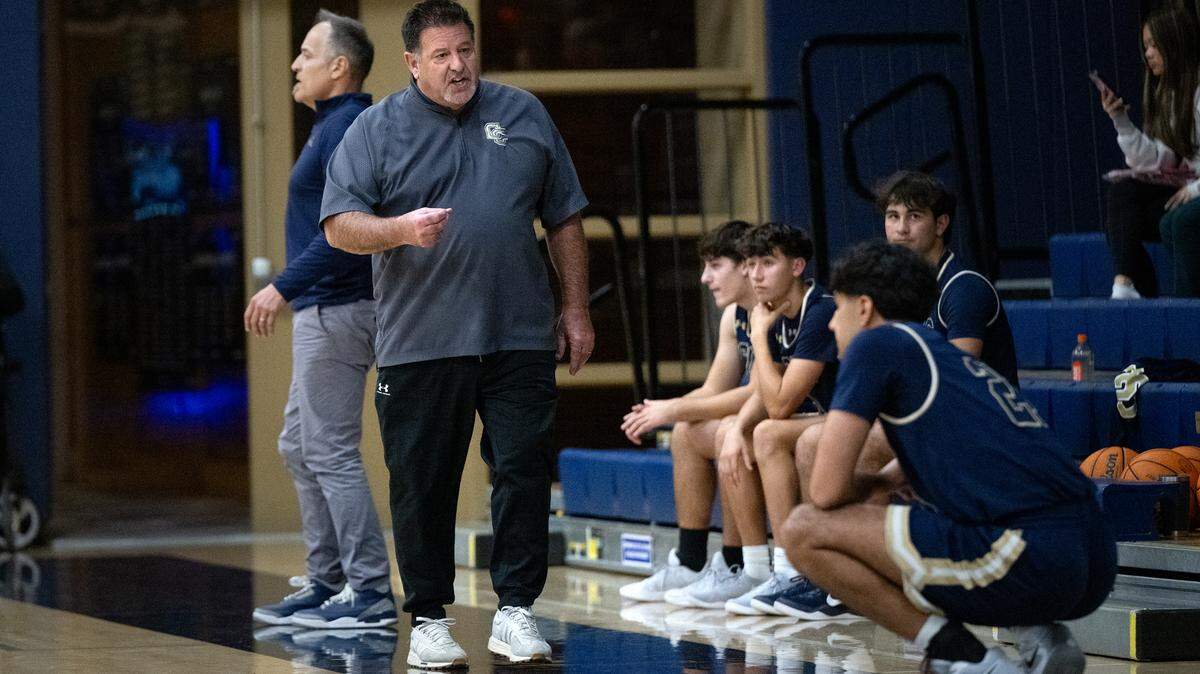
Mike Wilson didn’t think he’d ever get a tattoo.
He didn’t have anything against them, but he also didn’t see the need.
That changed when he lost his son Kyler on May 16, 2024. Now, the Central Catholic boys basketball head coach has some ink: a rosary, on his forearm, that not only serves as a remembrance of his son but honors his faith.
“I added it as a remembrance and a prayer for him and his soul,” he explained. “It reminds me of him every time I look at it.”
The Wilson family lost Kyler to fentanyl poisoning after the young man took a drug laced with the powerful synthetic opioid.
Over a period of three and a half years, fentanyl caused over 400 deaths in Stanislaus County, The Bee reported last August.
Mike Wilson did more than honor his son with a tattoo, however. He started researching. He looked for resources, articles and information about just how many people are affected by fentanyl. He found that in most cases, it was more complicated than just drug use.
Wilson recognized Kyler’s struggles with both mental health and drug addiction and wanted to make a change. His action plan included creating the Kyler Wilson Foundation, a nonprofit formed to educate young students and student athletes about the dangers of fentanyl and the connection between addiction and struggles with mental health.
“One of the things constantly on our mind is could we have done more? What could we have done? Could we have helped?” Wilson said. “That can eat at us a little bit. But the more that we do (now), and the more we talk about it, it has gotten easier to work with the foundation and keep going.”
Starting the discussion early
Kyler died at 30, but through the Kyler Wilson Foundation, his father wants to address early the issues students face. He didn’t always know what it would be, though. He recalls being surprised when his wife, Donna, made an announcement at Kyler’s celebration of life.
“We need to address the elephant in the room,” he recalls her saying. “Our family will be doing something.”
“She wanted us to get involved,” Wilson said, “spreading the word and sharing it with people.”
So there Mike Wilson was, with Donna, son Cooper and daughter Caden, brainstorming how they would reach the younger generation.
It wasn’t until a conversation with a local ex-congressman at breakfast that he found the calling. They were talking about holes in government and society regarding fentanyl education — a hole the Wilson family would fill. There, the idea was born: Get coaches involved. Talk to teams and athletes.
“A lot of times, athletes listen to coaches,” Mike Wilson said. “I have parents telling me, ‘We tell him something over and over and over and he doesn’t listen. You tell him once and he listens.’”
The foundation is about more than just basketball. Wilson said they plan to be at community events, participating in 5K runs and getting involved with local businesses to help assist those who have lost family members to drugs and mental health struggles.
“The hurt’s always going to be there,” Wilson said. “It’s every day, multiple times. … Part of what helps us is our faith.”
More than an athlete
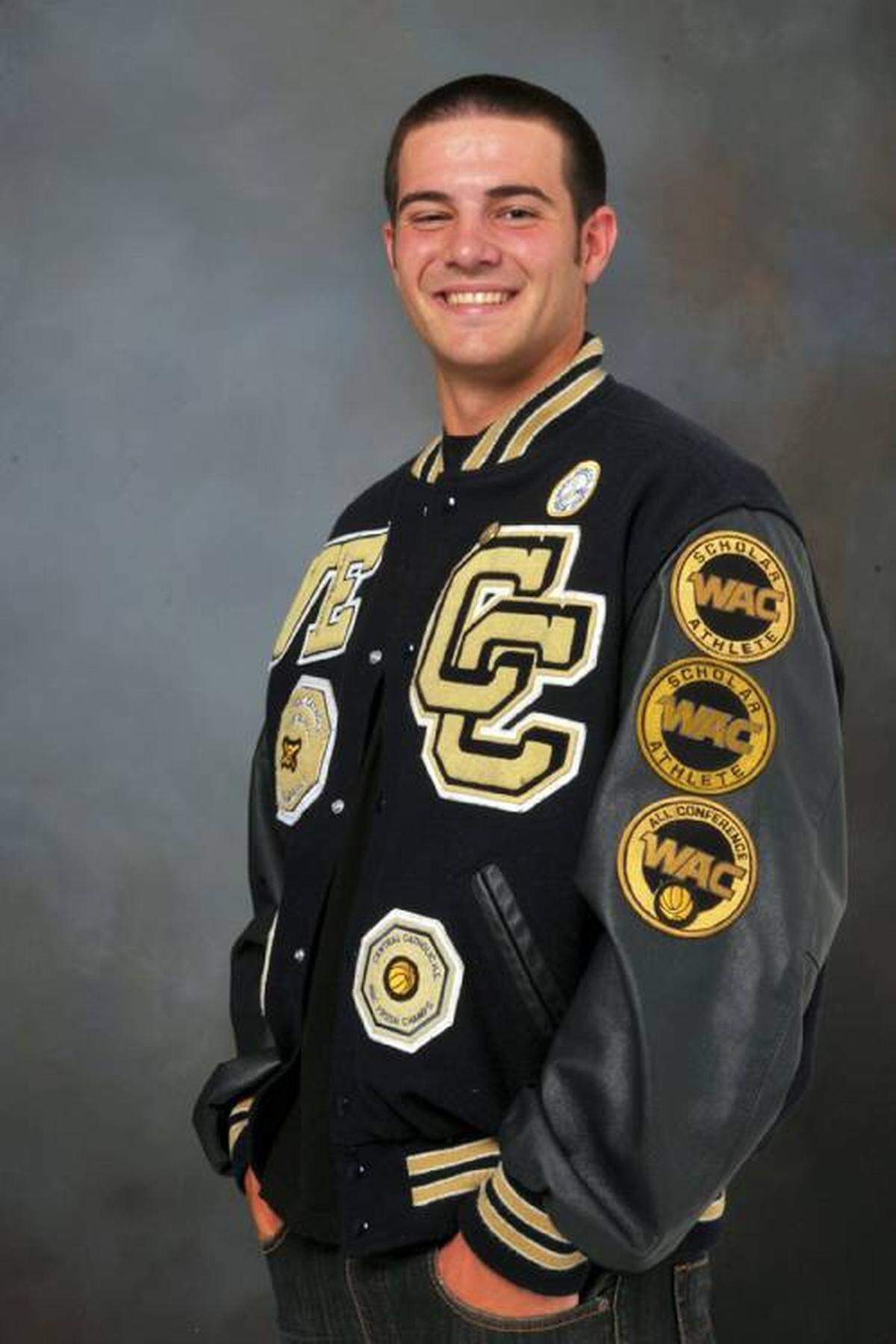
Wilson wants people to learn from his son. His message through the Kyler Wilson Foundation is simple: High school athletes are more than what they do on the court or field. When Kyler was named to The Modesto Bee’s Teen Hall of Fame in November 2011, the accompanying article noted he was part of his school’s Senior Ministry Team and maintained a 3.8 GPA. He’d performed hundreds of hours of community service and was the only one in his class to receive the WE award, given out at the end of every school year to a select few students who put others before themselves and who continue to help their community in any way they can.
Kyler played basketball for his dad and was on the Raiders’ baseball team. He played varsity basketball for three seasons and saw varsity baseball action in each of his high school seasons. After graduating from Central Catholic in 2012, Kyler played Division II baseball at Saint Martin’s University. During his college baseball career, he had Tommy John surgery and was cut from the team at Saint Martin’s and another school.
“He was like, ‘Who am I? And what am I going to do?’” Wilson said. “He had no thoughts other than playing his sport and so he was kind of lost.”
Some of Kyler’s struggles, like alcohol and drug use, were external — things people could see. But most were internal. Kyler turned to drugs when in his mind, he had nowhere to go. That is another reason why his dad started the foundation. He wants to let athletes know early that their mental health is just as important as their ability to finish line drills in 30 seconds.
“The further we dig into this, different addictions are not only a chemical problem, but a lot of this is mental health,” Wilson said. “So our foundation is really geared toward addressing athletes and their mental health.”
He started getting things ready behind the scenes. He got the website up and running, contacted local high school coaches and put together a fall tournament to take place after Labor Day. Wilson said he has had positive feedback from every coach he has talked with, and a handful of local schools have committed to the showcase in the second week of September.
The tournament will, of course, have basketball, where teams will get to sharpen their skills against one another before the regular season kicks off in late November. When they’re not playing, Wilson will talk with each team, highlighting through Kyler’s story the importance of mental health and the dangers of drugs like fentanyl.
“Our goal is not to talk down to the kids and lecture them. They know if you take the road of drugs and alcohol where you can end up,” Mike Wilson said. “It’s going to be the mental health, how they’re going to keep themselves positive through their lifetime and what other goals they have to go along with athletic goals.”
Their slogan is simple: You’re worth more.
“It’s just for them to realize that they’re not just athletes. They’re worth a lot more than that and they have other talents,” Wilson said.
It is the first of what Mike Wilson hopes will be many speaking engagements on the topic. As the foundation expands, he also hopes to have athletes and coaches network with one another, with high school teams spreading awareness about fentanyl and the importance of mental health awareness to their peers and younger athletes.
“Who do younger kids listen to? They listen to older kids,” he said. “So we want kids to go out to an AAU team or a junior high with coaches and we would go with them to educate the younger kids as well.”
The goal of most athletes is to squeeze as much as they can out of their career. For some, that’s a pro career; for others, it’s a four- or five-year college run. Some stop after high school. The Kyler Wilson Foundation is about letting high school athletes know it’s OK to have a backup plan. Being well-rounded is beneficial because your identity is not just about what you do on the court.
“If in the next six months, we talk to 500 kids and five catch on and say, ‘Hey, that’s right, I’m going to start thinking about it,’ then that’s an accomplishment.”