
Federal ICE transfers hurt Modesto residents after paying their debts to society
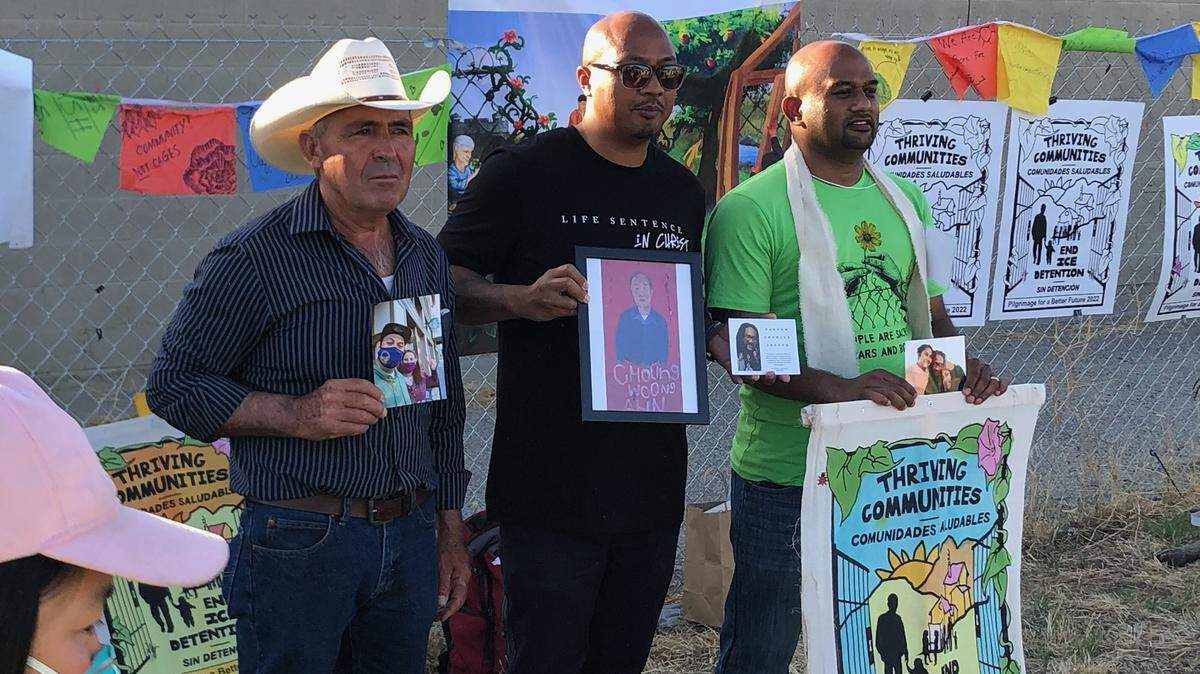
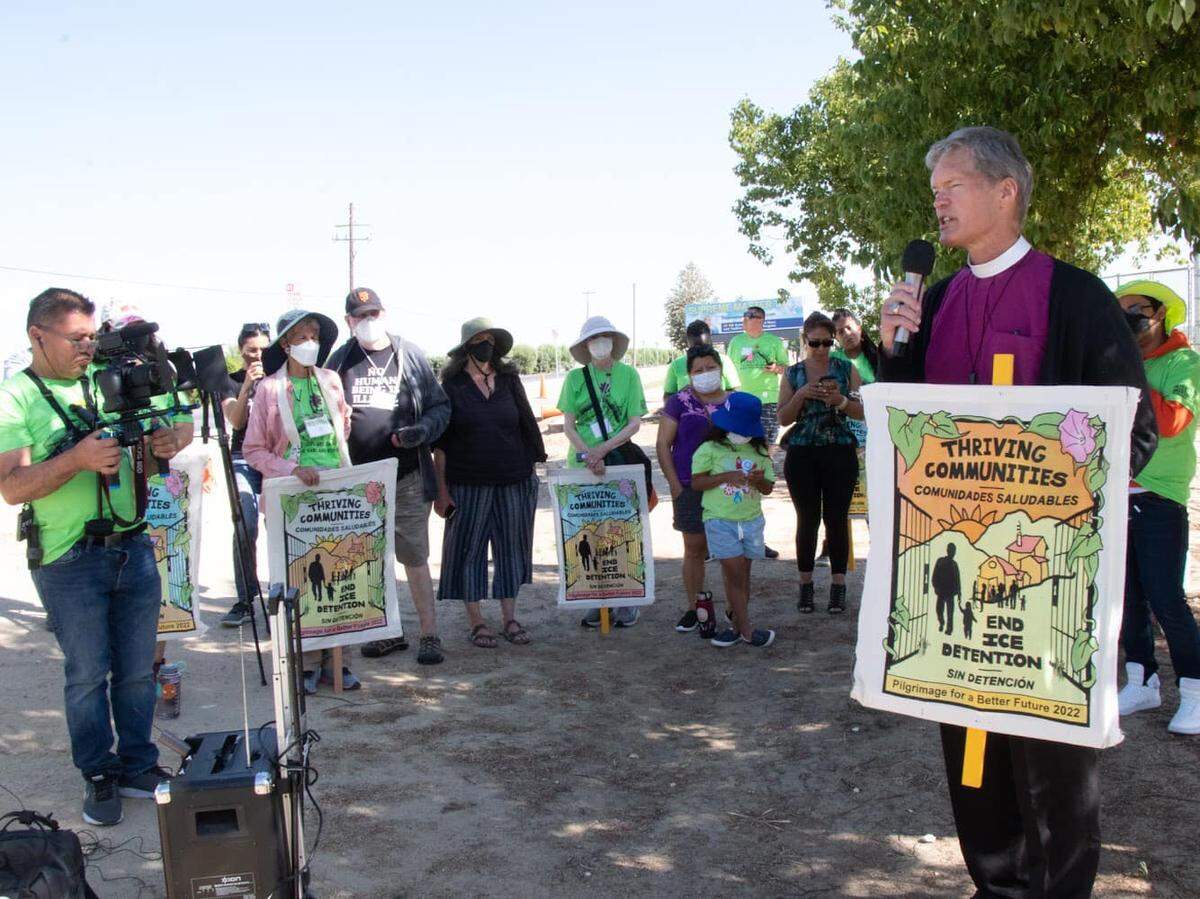
It’s strange to drive nearly 200 miles from Turlock to discover something happening in your own back yard. But that’s what happened to me this past May during a pilgrimage to different immigrant detention sites.
I traveled to the Mesa Verde ICE Processing Center in Bakersfield as a representative from the immigration commission for the Episcopal Diocese of San Joaquin, joining participants in a pilgrimage from the Interfaith Movement for Human Integrity, a multifaith immigrant rights group.
Former detainees recalled dismal bedding conditions, poor medical services, and the suicide of a fellow detainee who took his life in despair. Detainees at other facilities have complained of similarly horrid conditions. In the case of the Golden State Annex in McFarland, these include undercooked meals and forced labor for detainees (with compensation of $1 per day) in rooms that contain black mold, leading to health problems.
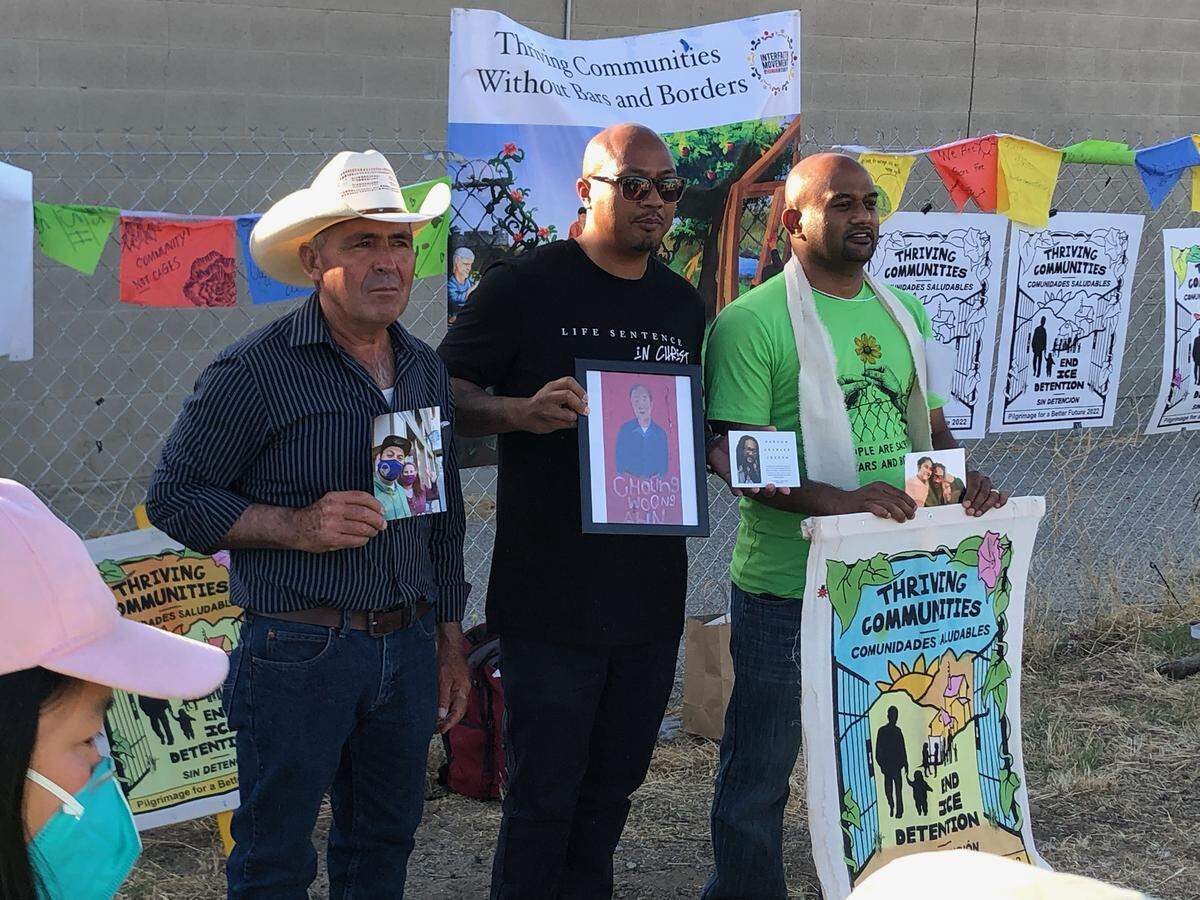
I was surprised that two of the speakers at this event were from Modesto.
One of these was Sithy Bin. Sithy was born in a Cambodian refugee camp in Thailand before coming to Modesto, where past family trauma led him to get involved in drugs and gangs. After receiving a sentence of 40 years to life for a crime committed in 2005, he experienced a spiritual transformation in prison.
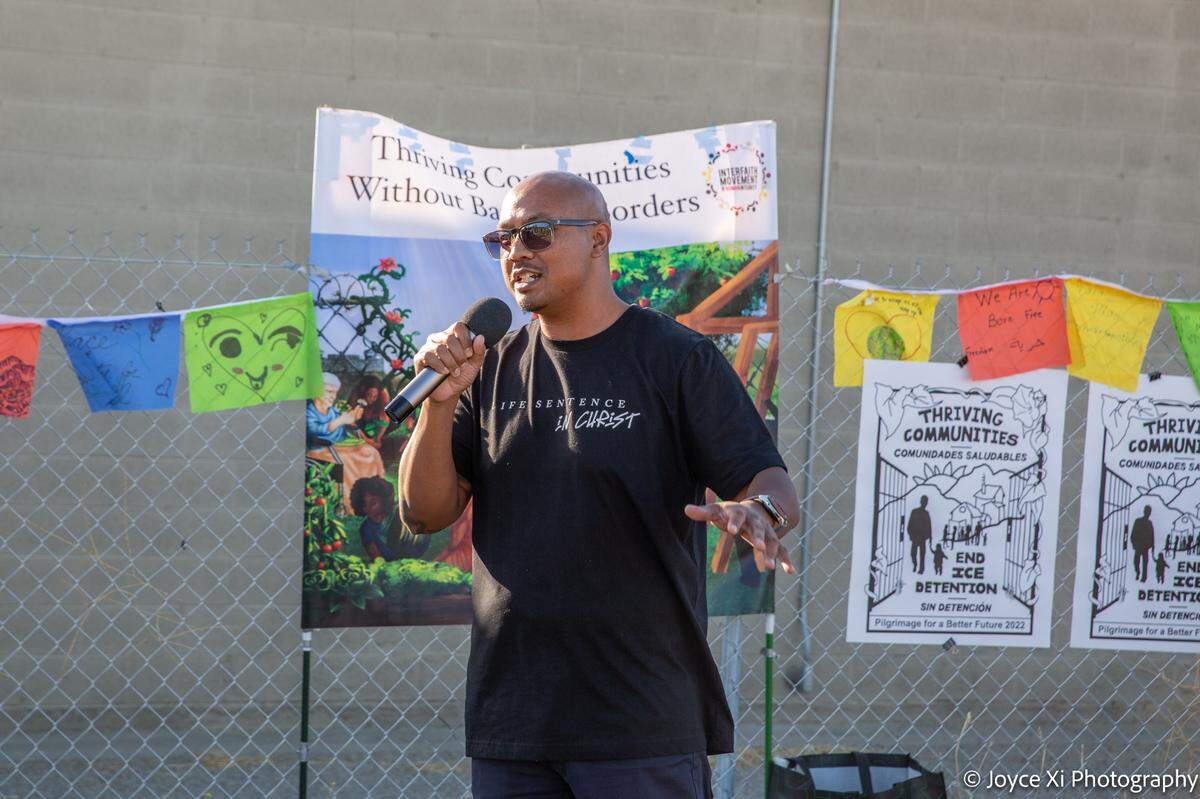
In 2019, after receiving approval for parole, ICE transported him to Mesa Verde and sought to deport him to Cambodia, a country where he never had lived. A lawsuit forced ICE to release detainees due to the danger of the COVID-19 pandemic; however, Sithy is still under threat of deportation, even after co-founding a nonprofit that helps prisoners and after becoming an assistant pastor in Los Angeles.
Despite the words of Sheriff Jeff Dirkse in The Modesto Bee’s Oct. 25 article about deportations, readers may be surprised to learn that many people facing deportation, including Sithy, came to the U.S. as lawful permanent residents. However, they are subject to deportation because they are not U.S. citizens. This is also the case for Salesh Prasad, whose case was featured in the Oct. 25 article.
Like Sithy, Sal experienced a lot of childhood trauma — which for Sal included physical and sexual abuse. And like Sithy, Sal experienced transformation in prison, becoming an artist and learning various trades, serving as a model prisoner and desiring to help others who have been in his shoes.
Following 27 years in prison, Sal earned freedom from the Board of Parole Hearings, but instead of being released, he was detained by ICE and transferred to the Golden State Annex, where he has remained for more than a year.
Cruel policies
While ICE was transporting him to McFarland, Sal was driven right by his mother’s home in Atwater, but he couldn’t see her. His mother got COVID and died 39 days later. He was not allowed to see her in the hospital nor attend her funeral, though he already had served his prison sentence. Such policies are exceptionally cruel.
I’ve gotten to known Sal a bit via mail and Zoom calls during the past couple of months, and I’ve found him to be thoughtful and kind. His artwork is beautiful. I know our community would benefit from his release.

Furthermore, Sal will likely face persecution if he were deported to Fiji due to his LGBTQ identity. He has not lived in Fiji since age 6, so the country would be quite foreign to him. He deserves a full pardon from Gov. Newsom, as does Sithy Bin.
Our national detention and deportation policies have severe local repercussions. Families are torn apart. People are deported to countries they hardly know. And the incentive for good behavior in prison is taken away. As one man who was deported to Cambodia said on a recent Zoom call, people try hard to be eligible for release in prison, only to find themselves being deported.
While it may be statistically interesting that the Stanislaus County Sheriff’s Department cannot deport as many people as it wants (as if deportation were a positive thing), there is a bigger story here about our justice system providing unequal treatment toward immigrants. Thousands of individuals deemed suitable for release are typically transferred to ICE annually.
All former inmates, regardless of country of origin, should be able to return to their families upon release from jail or prison. The VISION Act, which would have prevented these types of ICE transfers, did not pass the state Senate this year, so new legislation is needed. ICE transfers must come to an end.