
How to recapture Modesto’s legacy as a recycling leader
Did you know Modesto was the first city in the country to have curbside recycling?
In the 1970s a nonprofit called Ecology Action started a first-of-its-kind free weekly residential curbside recycling program that served the city of Modesto and the surrounding area.
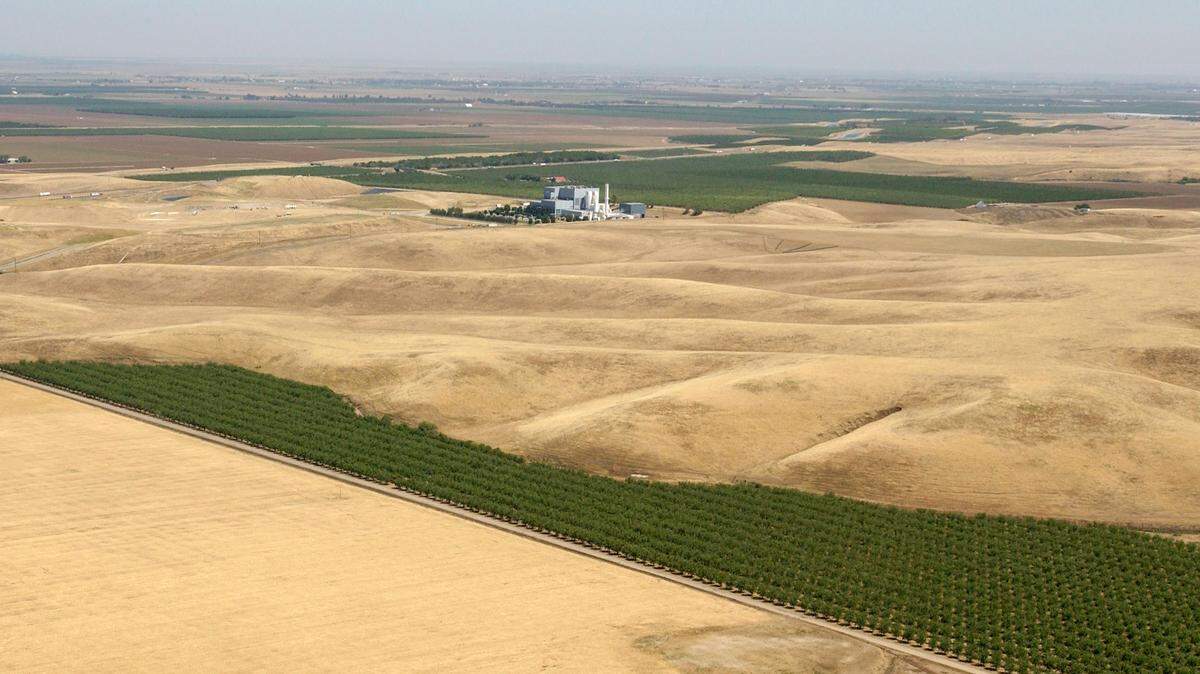
Sadly, 50 years later Modesto has no basic curbside recycling service. If you’re like me and live within the Modesto city limits you most likely only have two bins: a black bin for trash and a green bin for compostable materials. No bin for recycling. Nearly everything that is put in your black bin gets sent to a local trash incinerator, one of only two left in the state. It’s run by a company called Covanta, which owns Cali’s other incinerator in Long Beach and many more around the world.
This incinerator needs to burn 800 tons of waste every day to maximize profits, so no curbside recycling means recyclables get thrown in the trash and Covanta has more to burn. It may be just a coincidence, but construction of this incinerator began in 1985, not long after the city of Modesto took over Ecology Action’s curbside recycling program and began rolling it back from bins, to buckets, to bags, to nonexistence.
Not only does incineration disincentivize recycling and waste-reduction efforts, it emits harmful pollutants like particulate matter and nitrogen oxides as well as toxic metals like dioxins, lead, and mercury.
For over 30 years now it has spewed harmful substances, which pollute our air and make their way into our soil, water, and bodies. These pollutants have harmful health impacts and can increase risk of asthma, cardiovascular disease, cancer, and immune system impairment.
Nationwide, nearly 80% of incinerators are in low-income communities and communities of color.
This isn’t just a coincidence: a 1984 study for the California Waste Management Board named rural, poor, less educated, and even Catholic communities as prime areas to site incinerators
the idea being that marginalized populations are the least likely to succeed in stopping such facilities from being built. The following year Stanislaus County, Modesto, and Covanta made a deal to build our incinerator. It should be no surprise that the population surrounding it is about 75% Latino, including the town of Crows Landing just a few miles down the road.
This environmental racism has even exacerbated the COVID-19 pandemic; Latinos make up about 45% of Stanislaus County’s population but at one point about 70% of its COVID cases. Populations suffering from preexisting conditions that exposure to incinerator pollution can cause, are more likely to suffer the most severe COVID symptoms, including death.
The pandemic has shown that Modesto needs to once again lead the way to a healthier, more sustainable future.
Research shows that zero-waste practices can create over 200 times as many jobs as landfills and incinerators. Zero waste is good for our health, climate, and local economy, and moving toward zero waste should be a central job-creation strategy in the ongoing national COVID-19 economic recovery planning.
On a local level there are many steps policymakers, residents, and businesses can take:
- Advocate against counting incineration as “waste diversion”
- Demand that no recyclable, reusable, or compostable material is incinerated
- Demand Modesto #BringBacktheBlueBin (aka curbside recycling)
- Phase out all single-use plastic/styrofoam items that get used just once and then put in our landfill or burned at our incinerator
- Tell Stanislaus County and our cities to not renew their contracts with the Covanta incinerator in 2027
- Encourage and promote backyard and community composting
- Ensure energy created by incineration is never counted as renewable energy
- Advocate for protecting vulnerable and overburdened communities from harmful pollution
Incineration is an outdated way to deal with waste that undermines our goals for healthy communities and a livable planet. We can do better, especially given Modesto’s history of leadership in sustainable waste management.