
Modesto’s next front-line COVID workers will be in classrooms
The term “front-line worker” has been used very loosely during the COVID pandemic.
It started out referring to the heroic doctors and nurses who were handling COVID patients in hospitals and emergency rooms. Then it evolved to include people who drive big-rig trucks, people who work in grocery stores, and even more recently to include delivery drivers and people who prepare food.
Historically, however, the term “front-line worker” is derived from the military.
The front line of an army was the first group of soldiers to be slaughtered when the shooting started in a battle. They would literally stand together in a straight line and receive the first volley of gunfire and either be killed or maimed. They were, quite frankly, the sacrificial lambs.
Not really a comparison anyone would want for their job, that’s for sure.
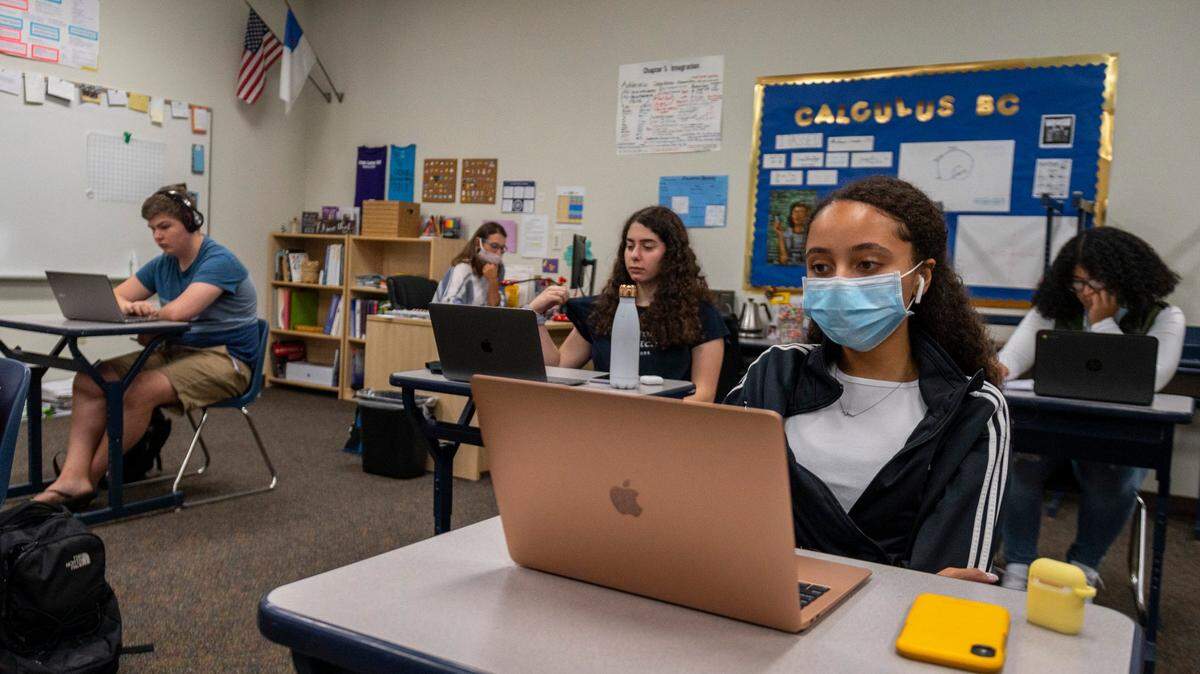
Now, however, as we approach students and teachers returning to school, the term front-line worker is yet again evolving to include another type of worker.
Teachers.
In Modesto City Schools, the reopening plan applies to elementary schools for now. Classes will return to school in a staggered format. Kindergarten, first grade, and second grade classes will be the first to return, followed by third and fourth grade classes several weeks later, and fifth and sixth grade classes after that. Junior high schools and high schools will start even later, having the temporary luxury of watching and waiting to see how everything rolls out.
That, to me, means that kindergarten, first, and second grade teachers in Modesto will soon be front-line workers.
But wait…
In Stanislaus County, as in any other county in California, there is a difference in COVID infection rates between ZIP codes.
According to the Stanislaus County COVID-19 dashboard, the highest COVID infection rates in Stanislaus County are neighborhoods in the 95351 ZIP code. That includes elementary schools like Shackelford, Burbank, Franklin, Kirschen, Marshall, Robertson Road, and Tuolumne.
Doesn’t this mean that kindergarten, first, and second grade teachers who teach at 95351 elementary schools are at an even greater risk of becoming infected with COVID? Won’t they be the first to return to teaching in neighborhoods with infection rates that are still some of the highest in the state?
It does.
Just like front-line soldiers at the turn of the century, they’ll be the next group of people to slowly march their way to the front lines of the war on COVID-19.