
Sexual abuses at Modesto church end with settlements, a step toward healing
By settling lawsuits, a Modesto church twice now has held itself at least partially accountable for mishandling sexual abuse of young parishioners at the hands of corrupt adult leaders decades ago.
This is a good thing.
When a church — or its insurance carrier — writes a check to an abuse survivor, it is an acknowledgment of responsibility, even if the church never verbally apologizes. It is an admission that wrongs were committed, and that something is owed to those who were wronged.
A church cannot restore a person’s innocence. It cannot mend loss of trust and faith. It cannot make up for countless sleepless, tear-filled nights, years of therapy, damaged relationships, broken lives.
Forced in a court of law to face up to what it has done, a church can take a step toward peace with a settlement. In the grand scheme of things, it’s really not much. But it’s not nothing.
So Modesto’s CrossPoint Community Church, at long last, did right by paying victims Tracy Epler recently, and Jennifer Roach in 2019, to resolve their lawsuits.
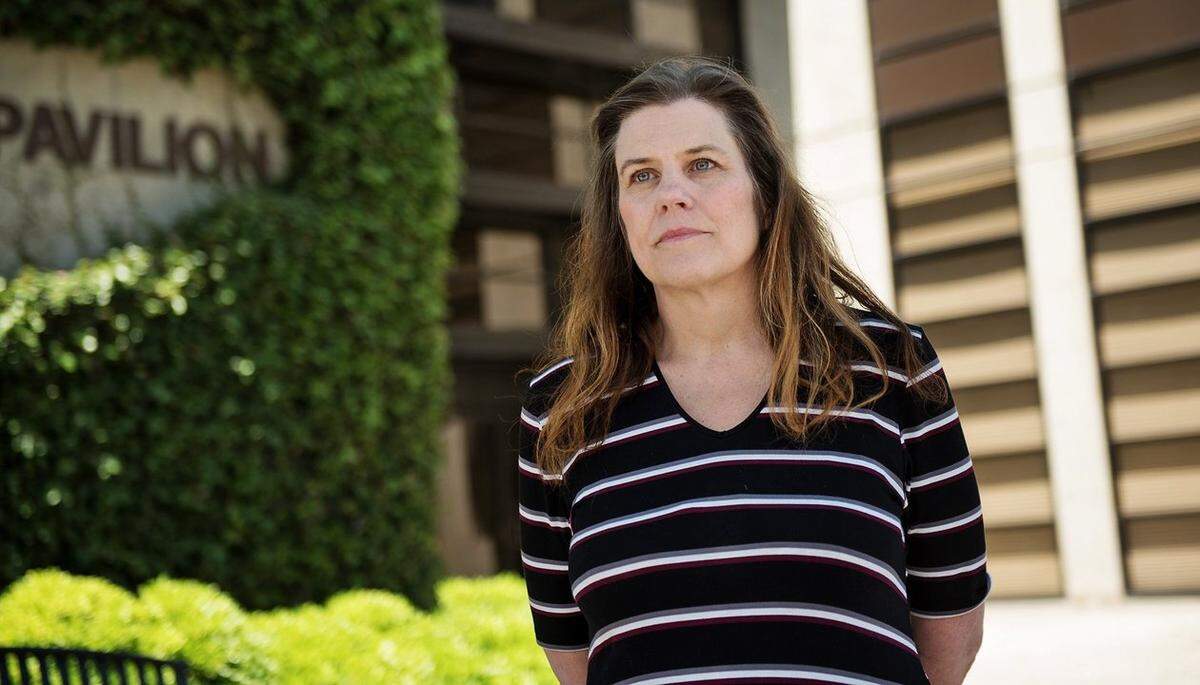
Emboldened by the MeToo movement, Roach in early 2018 came to The Modesto Bee with an awful story of continual sexual abuse she suffered as a teen in the 1980s by youth pastor Brad Tebbutt at Modesto’s First Baptist Church, which became CrossPoint in 2010. Emboldened by Roach, Epler did the same on The Bee’s pages a few months later, sharing repeated sexual abuse by another youth pastor in the 1970s.
Emboldened by Epler, numerous women in Arizona came forward to The Bee with accounts of sexual abuse at the hands of the same man who had taken advantage of Epler, Modesto native Les Hughey.
See why they call it MeToo?

Many victims initially assume they were the only ones, and spend years battling self-doubt and sometimes self-loathing. Discovering that it happened to others, and that the lust of self-indulgent predators was not the fault of victims, is liberating. Saying “Me, too” in public is like shining a light in darkness. It’s a step toward healing.
Likewise, a lawsuit is a legal remedy, a small step toward — not a fulfillment of — something approaching restitution. You might look at it as the only thing that’s left to pursue, after all these years of sorrow.
(A third lawsuit against CrossPoint is ongoing, brought by two men sexually abused by adult church leaders three decades ago when they were boys. The second might not have fallen victim if First Baptist leaders had believed the first; their failure to address it correctly left the perpetrator free to prey on others for three more years, the lawsuit says.)
Don’t blame victims
If you are the least bit tempted to say, “Current CrossPoint leaders and many members weren’t around when this happened; why should they pay for the sins of the fathers? Why don’t these victims just forgive and forget? They sound like malcontents just looking for a payout,” please read on.
Please know that clergy abuse is especially heinous because abusers use their victims’ faith against them. They are taught that church leaders represent God, and told that they must submit and obey. Innocent trust is exploited by those who should protect them from evil, not embody it.
Know that First Baptist leaders at the time did just about everything wrong.
Instead of believing, comforting and protecting Roach and Epler, leaders exposed them to intimidating interrogations, repeatedly accused them of lying, and essentially cast them aside with none of the trauma counseling or follow-up you might expect. They were told never to tell anyone.

Instead of reassuring victims’ parents, First Baptist leaders fell silent. Instead of going to police, they hoped to avoid scandal (clergy did not become legally mandated reporters of abuse until later).
Instead of holding accountable the youth pastors — both of whom were married when they had sex with teenage girls in their care — church leaders protected the men. (CrossPoint now has screening procedures for staff and volunteers and requires periodic abuse prevention training.)
Tragic results of inaction
Tebbutt went on to three decades of church jobs in at least three states. Hughey was given a public farewell befitting a hero and sent to another congregation; he stayed in the ministry more than four decades, founding a lucrative megachurch in Scottsdale, Arizona, until resigning as senior pastor 100 hours after The Bee exposed his sins from long ago in Modesto.
Hughey might not have gained access to numerous fawning girls elsewhere over the years if the church in Modesto had held him accountable at the time. The emotional and spiritual suffering that ensued because the church sought to protect itself, not children, is truly tragic.
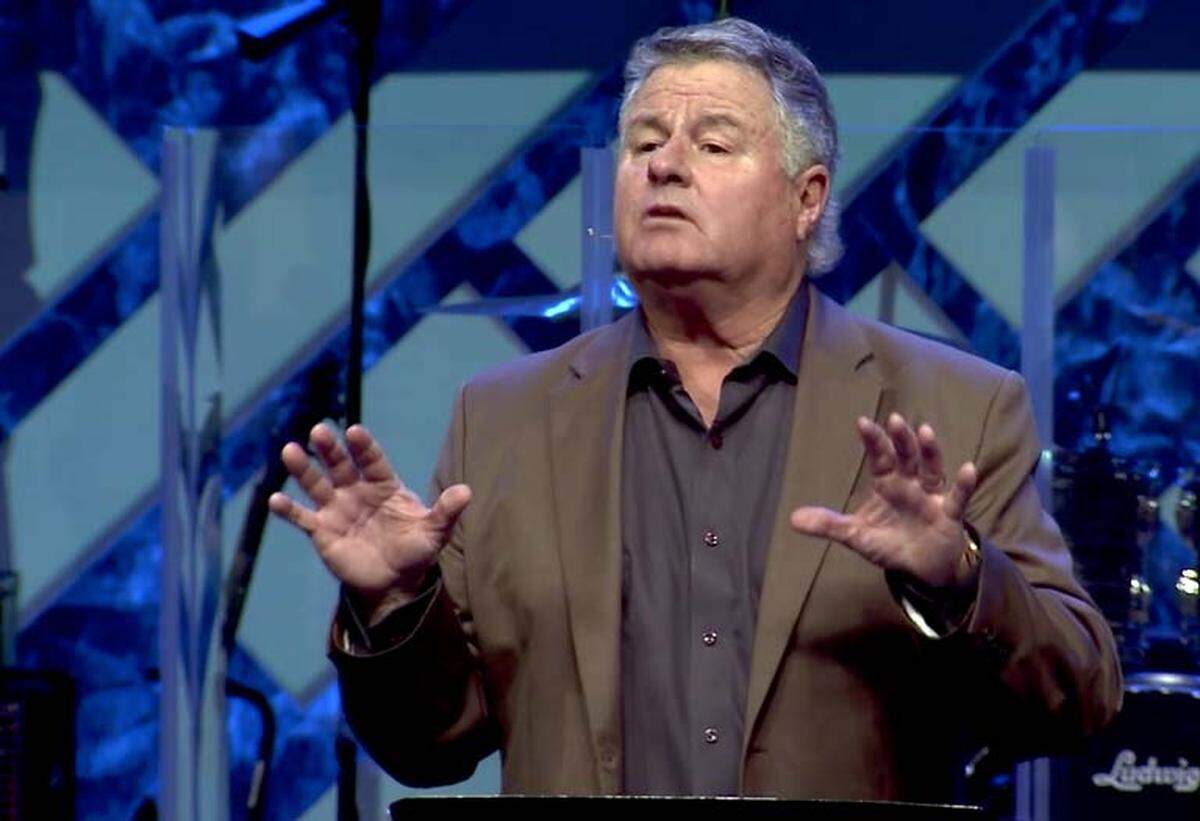
In late May, the umbrella Southern Baptist Convention revealed a previously secret 205-page database of pastors and church-affiliated workers accused of sexual abuse. Both Tebbutt and Hughey are listed.
CrossPoint members and supporters should look at the settlements as their opportunity to participate in helping to heal wounds, even old ones. And that is the essence of faith.