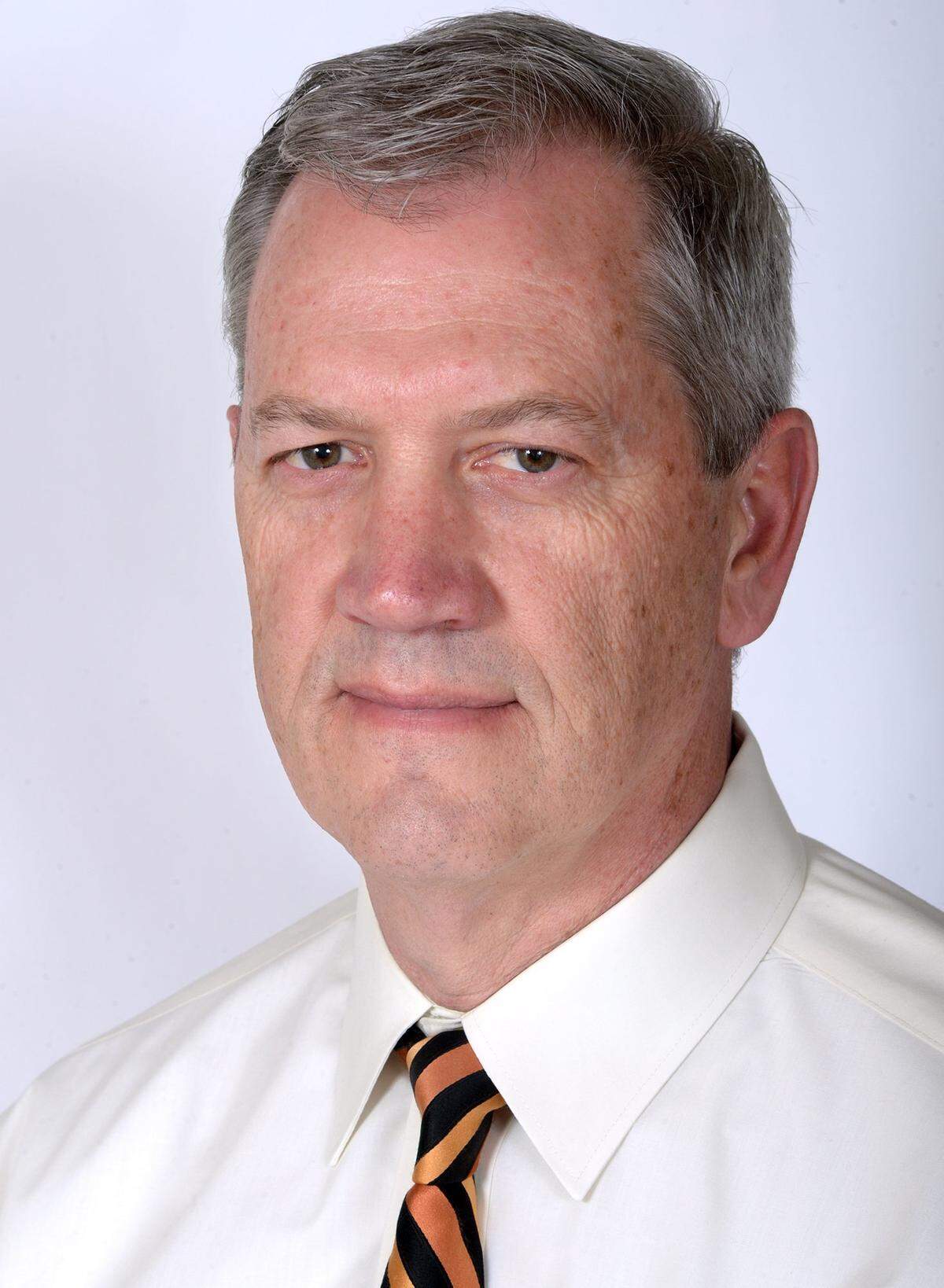
Survivors of a sexually abusive pastor from Modesto share paths to healing
Their pain was deeper than anyone could imagine.
The anguish of being betrayed in their youth by someone supposedly called of God, of being abused sexually by their youth pastor from Modesto, was almost more than they could bear. So they hid away their secret shame. They denied it, buried it.
Until they suddenly realized, decades later, that they were not alone.
That’s why they call the broader movement Me Too — as in, “Yeah, I know exactly what you feel because it happened to me, too.”
Let me tell you about three women it happened to, three victims of clergy sexual abuse made possible because church leaders in Modesto long ago refused to hold accountable one of their own. More importantly, let me tell you what these courageous women are doing to move on, and the common thread in their separate-together journey.
I first wrote about Jen Lefforge, Jennifer Parrella and Carrie Fuller three years ago. They and several others had “me too” moments when I reported that Les Hughey had sexually abused a young woman, Tracy Epler, over 2 1/2 years in the 1970s as a youth pastor at what was then First Baptist Church in Modesto. “I sinned,” Hughey said in a statement that was all about him and not about his victims.
Jen, Jennifer and Carrie came forward, almost in shock, to say that Hughey had sexually assaulted them as well in the Arizona church they all attended after Hughey left Modesto. First Baptist leaders here covered up the abuse, and they gave Hughey a hero’s send-off, freeing the handsome, married Christian musician to prey on others.
The Modesto Bee told the stories of Jen, Jennifer, Carrie and others in 2018. Within hours, Hughey was ousted from the megachurch he had established in Scottsdale. The women were among several who went to Arizona authorities. A police report was issued, but prosecutors have not brought criminal charges against Hughey.
I was unable to find him for this column. Which is just as well, because it’s not about him.
This time, it’s about finding peace.
The path to peace for all three women — and other Hughey victims I spoke with but are not ready to come forward — began by realizing that they had company. To know it happened to others, after all these years, was somehow liberating, each said in separate, recent telephone interviews.
They established private Facebook groups where all could share with each other disappointment, grief, anger and many other emotions. They found it cathartic, all said, to get it out among others who knew exactly what they went through, and were still going through.
It takes more than Facebook to heal such wounds. Betrayal by those expected to guard and watch over us is among the hardest to let go, some experts say.
As I spoke with each survivor, I began to see a common thread in their recovery stories: Each seems driven to help others.
Power in upbeat, practical advice
Jen Lefforge, 51, has two YouTube channels with nearly 33,000 subscribers combined, one focused on all things Disney and the other, on lifestyles of empty nesters. They are filled with upbeat, practical advice, energy and fun, and the second specifically helps people be happy in recognizing that life isn’t over when you’re done raising a family.
For example, a recent video she titled “Learn to Love Your Dated Home!” drew these comments from viewers:
“I needed this, you are a mind reader.”
“Jen, you hit it out of the park today.”
“LOVE THIS.”
Jen told me, “A woman who might be discouraged — what if I can help her see what happens next? ... Their comments are unbelievably rich and rewarding for me.”
Counseling has helped Jen get through dark times and gain perspective.
“Not all girls he abused had access to therapy like I have,” she said. “Not all can talk in a calm voice without screaming in agony and crying in despair. We (in society) do a terrible job of helping people heal from this trauma.”
`Maybe you could tell someone’
Helping people heal from trauma is just what Jennifer Parrella does all the time these days.
Jennifer, 48, founded Decoding Relationships, a counseling firm focused on couples and family therapy. One of her specialties is overcoming sexual abuse. She describes the benefits of sorting out ugly things with someone trained to help make sense of it.
“Our brains are good at protecting us by blocking things out,” she said. “If unopened, a lot of time we can do pretty well. But sometimes the duct tape gets ripped out and it spills into our current life, sometimes decades later. Then it’s really important to start unpacking and working on that trauma.
“As a therapist, my belief is you need to start telling your story and making it something that happened to you, and not something that defines who you are.”
Does her status as a sexual abuse survivor help in her job?
“Being with somebody is magical from both sides. Sometimes it’s easier to talk about when you can truly understand those feelings,” she said.
Jennifer agrees with the premise of this column — that in helping others, we help ourselves.
“All the victims I know are remarkably understanding, loving people,” she said. “Everyone ended up with big, caring hearts. It doesn’t take trauma to make somebody a good-hearted, empathetic person. But you’re certainly softer and understand others’ pain more when you’ve gone through it yourself.”
Everyone and everything is connected
It’s hard to imagine Hughey’s fall from grace affecting any of his victims more than Carrie Fuller.
Not long before, she had quit her job and sold her car and other possessions and sought meaning in wandering around India. When our story broke about Hughey and Epler in Modesto, the news rocked her world, and she found herself unable to leave a beach in Goa, stunned for five paralyzing weeks.
“I was in a perfect space to heal — I didn’t have to work or do anything,” Carrie said. “Everything that happened with Les had been so stuck down inside of me. I thought I was the only one. I thought I was the only one!”
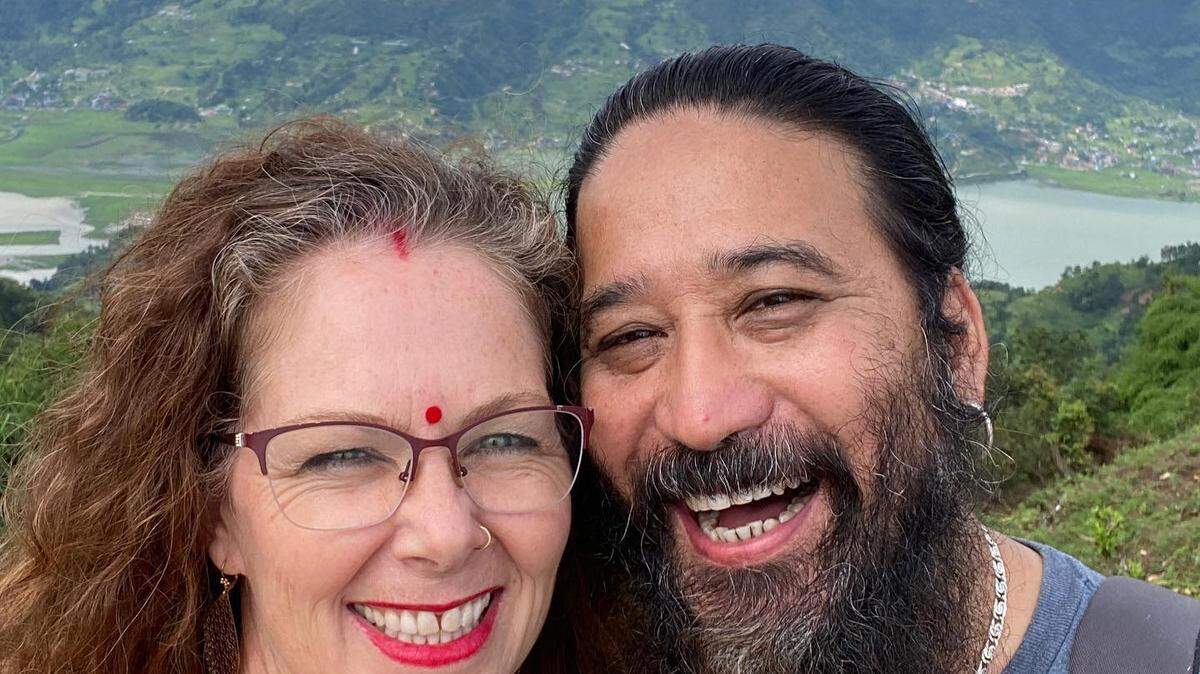
Reconnecting with others from her youth was a giant step, Carrie said. Another was finding new joy in yoga, music, cooking classes, and making jewelry and friends in the mountains of northern India, where she abandoned alcohol in favor of ancient holistic healing. Having found a healthy new path, she also found love, Carrie said in a call from Nepal, the homeland of the man she married in July.
Carrie, 51, now is a student of ayurveda, a 3,000-year-old holistic order. Her goal is establishing a practice in the United States, once her husband’s visa comes through.
“I feel healed now, emotionally, mentally and physically,” she said. “I feel great again. I’d never had peace in my life, ever, and now every day is beautiful. I’m grateful for everything. Life is so sweet and good. It’s wonderful to have peace.
“So it would be wonderful to help other people find their way,” Carrie continued. “I want to help people live their dreams.”
Sexual abuse survivors unite
The concept of healing ourselves by helping others is nothing new, of course. But it is powerful.
Survivors Network of those Abused by Priests got its start in 1991 after founder Barbara Blaine realized that survivors of clergy abuse could help each other. SNAP now has more than 25,000 members, and its support groups meet in more than 60 cities in various countries.
I found one more common element in the stories of these abuse survivors: gratitude. Each poured out thanks to Epler, and to Jennifer Roach, the first to share her story of sexual abuse at the hands of a First Baptist youth pastor in Modesto in the 1980s. Two men volunteering with the same church and another youth counselor all were convicted of molesting multiple boys in separate crimes a few years before. Roach became a therapist, helping people heal, too.
Roach’s initial shocking story emboldened Epler, whose heart-rending account gave courage to the Arizona women, all of whom had a similar tragic reaction of newfound awareness: “Me, too.”
This story was originally published September 26, 2021 at 4:00 AM.