Modesto council members defend mask ban vote as ACLU and others consider lawsuit
AI-generated summary reviewed by our newsroom.
- Modesto council approved revised mask ban after lengthy public comment.
- ACLU and First Amendment Coalition signal legal challenge over constitutionality.
- Council members cite public safety and law advice despite Police Review Board.
Following a unanimous approval of the revised public assembly ordinance that prohibits masks at protests, Modesto City Council members explain the reasons behind their vote.
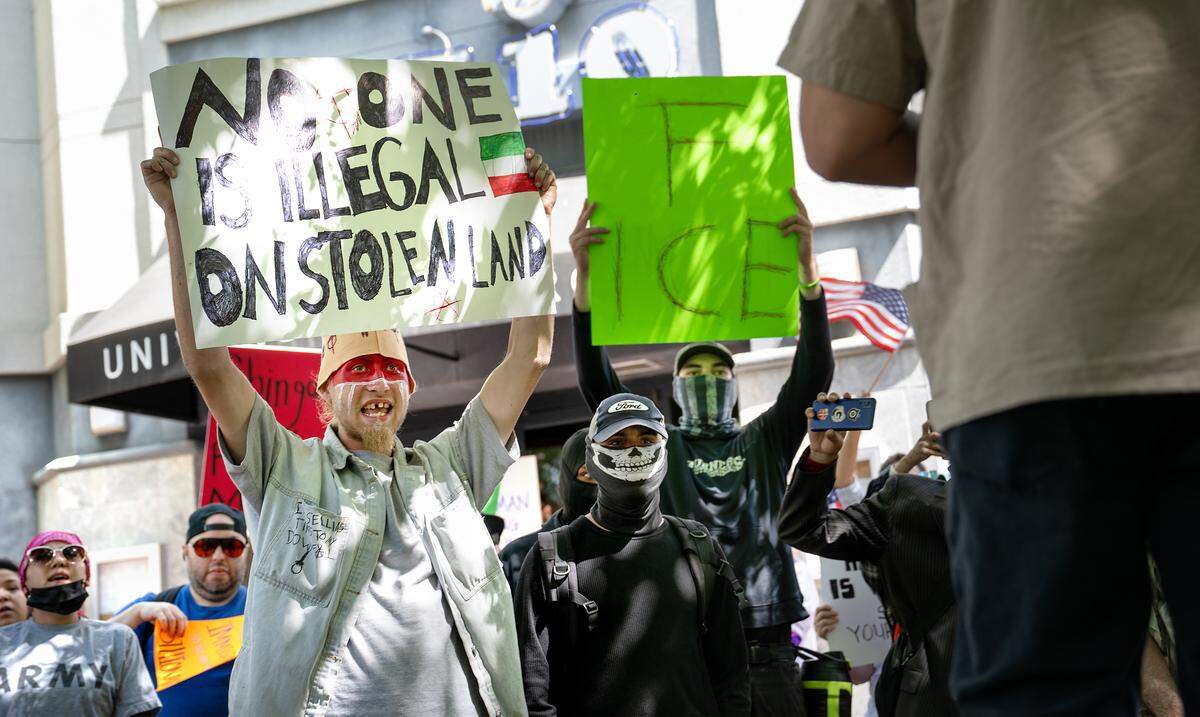
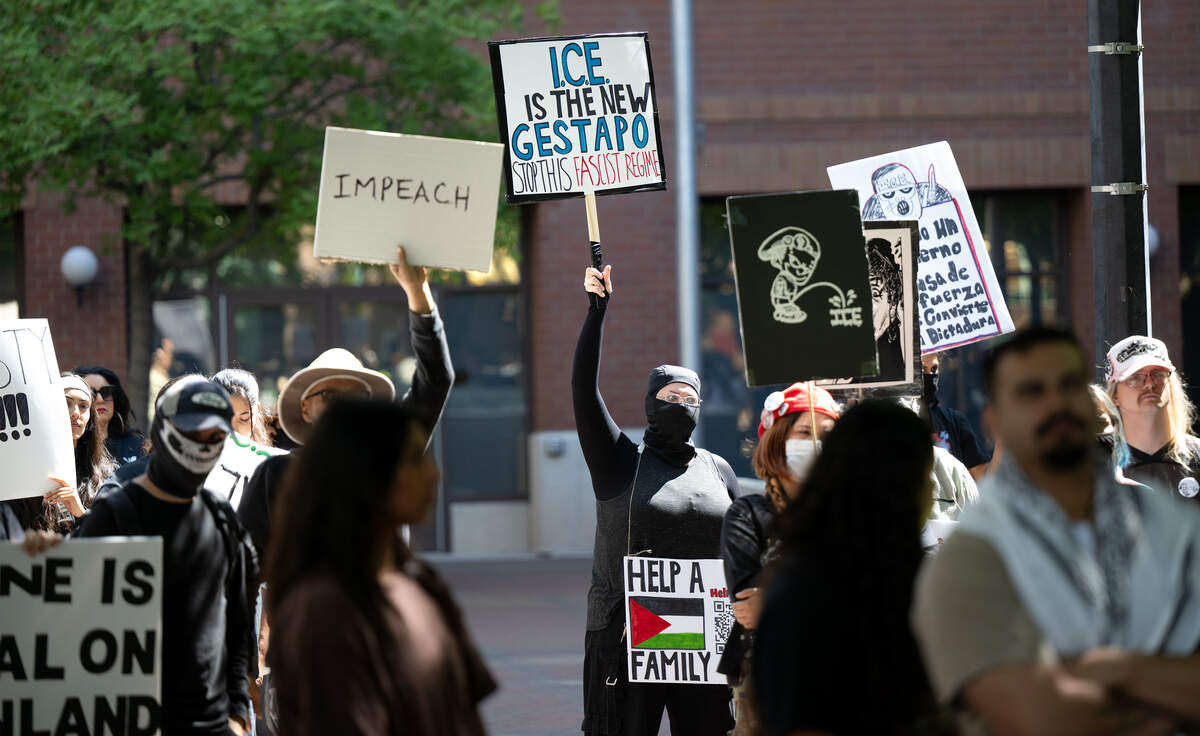
The city originally adopted the ordinance in 2019 at the Police Department’s request, ahead of a planned straight-pride rally, but it has since been under scrutiny after five people were arrested for allegedly violating it by wearing masks at the No Kings protest in June. The charges were later dropped.
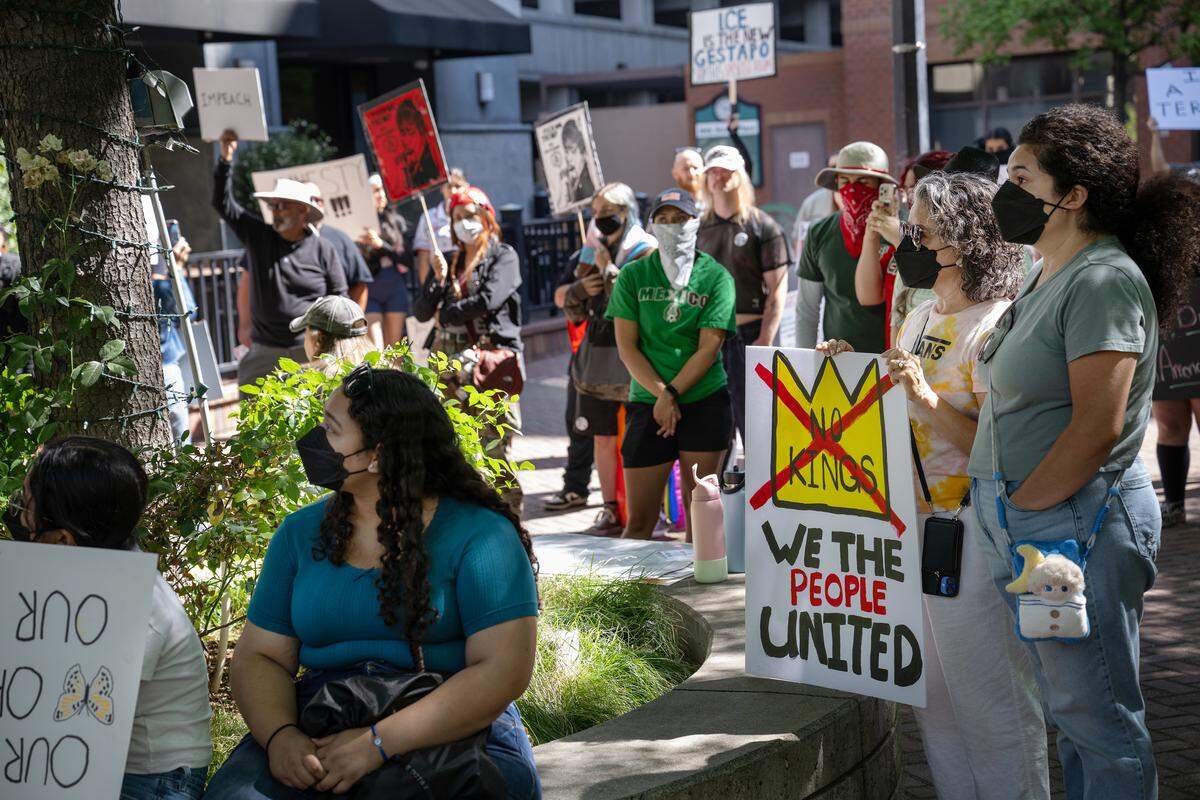
In September, the Modesto Community Police Review Board recommended the repeal of the ordinance.
A community survey launched by the city found that a majority of respondents support the ordinance, though more than half were unaware of it.
At Tuesday night’s City Council meeting, members approved a revised version of the ordinance, which kept most of the ordinance as is and just added clarifications to the exemptions for face coverings, helmets and umbrella use.
The meeting had a lengthy public comment period, with a majority in opposition of the ordinance, as well as a presentation by the Modesto police chief and the city’s First Amendment attorney justifying the ordinance’s need.
But no questions were asked, and no comments were made by the council members before they cast their vote approving it.
In a statement to The Bee, the American Civil Liberties Union of Northern California, which has sent multiple letters co-written with the First Amendment Coalition to the city calling for the repeal or amendment of the ordinance, said it is disappointed in the City Council’s vote.
“The decision to adopt the revised ordinance disregarded the Civilian Police Review Board’s recommendations and most of the community’s concerns — not to mention the constitutional issues we highlighted in our prior letters,” said Chessie Thacher, senior staff attorney of the ACLU. “We’re doing a careful review of the revisions and strongly contemplating a legal challenge.”
David Loy, legal director of the FAC, said he generally doesn’t commit to filing any lawsuit until he files it. “I can say we’re disappointed in the City Council’s decision [and] we will carefully consider potential litigation,” said Loy.
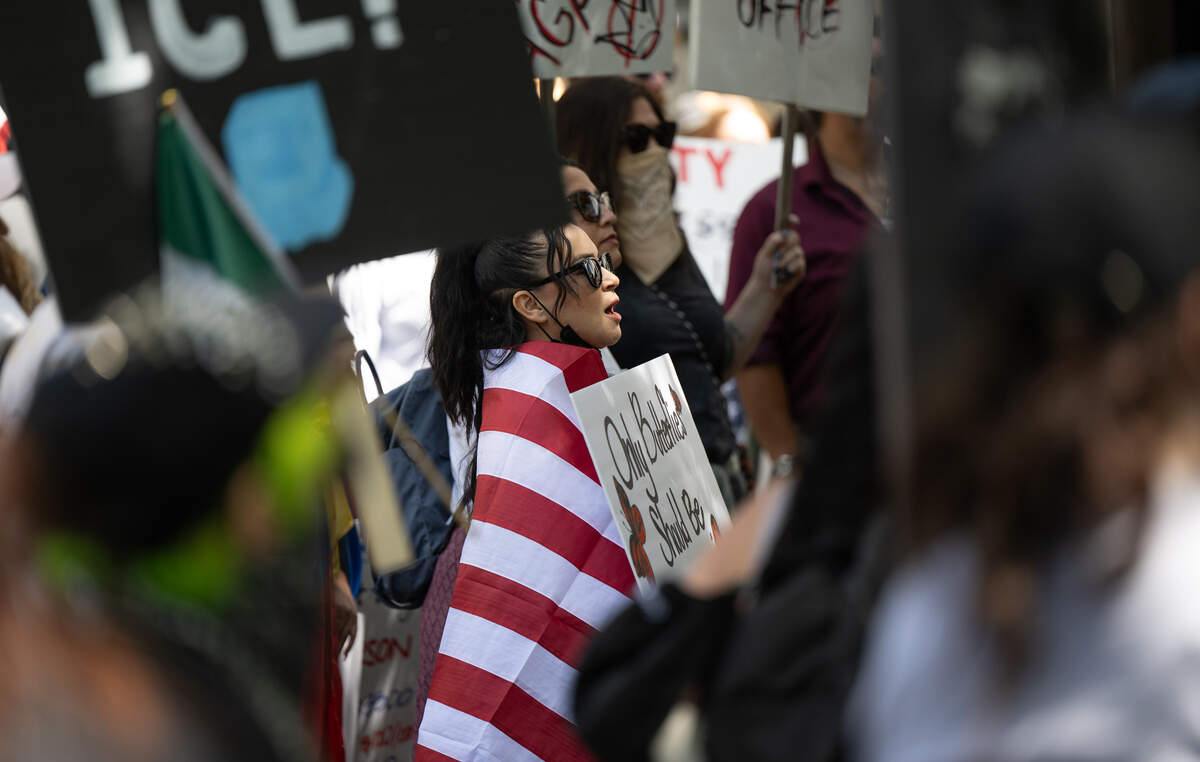
What do the City Council members think?
Councilmember Nick Bavaro said public safety is his number one priority and he believes the ordinance keeps everyone safe, including protestors, agitators, business owners and law enforcement. He said he believes the decision the council made was appropriate.
Bavaro said the ACLU and FAC, which had threatened legal action if the council approved the revision, have a right to pursue any legal avenue they want. “I’m not concerned about it a bit,” he said.
Bavaro added that the city retained one of the best constitutional lawyers to advise it on the First Amendment, and that he feels very comfortable with the legal advice he personally received.
When asked about the potential cost to taxpayers that a lawsuit would bring, he said the issue of public safety supersedes any legal challenges. “If there’s a lawsuit, so let it be,” Bavaro said.
In a statement to The Bee, Councilmember Chris Ricci said, “When a complicated issue is being worked through by council, lots of organizations and people provide comment and input. Over the course of months, perspectives evolve and change. I made the best decision I could for the good of this city based on all the voices.”
He added that he had hoped the conflict would have been resolved by the CPRB. “That didn’t happen, but the council did its best,” Ricci said. “I will not comment publicly on pending or possible litigation.”
In text messages between Ricci and Valley Improvement Projects co-founder Bianca Lopez from July 18, Ricci said the ACLU isn’t relevant to him. Screenshots of the text messages were obtained by The Bee through a Public Records Act request.
“I am focused on listening to cprb and solving community problems ourselves,” Ricci wrote in a message. “If the aclu wants to sue modesto go for it. Then it is in the lawyer realm not mine.” He also said that he suspected that CPRB’s findings would be “very influential on the mask thing.”
The CPRB is only able to make recommendations to the city manager, which it did, when it called for the repeal of the ordinance, though that recommendation was never brought before the city council.
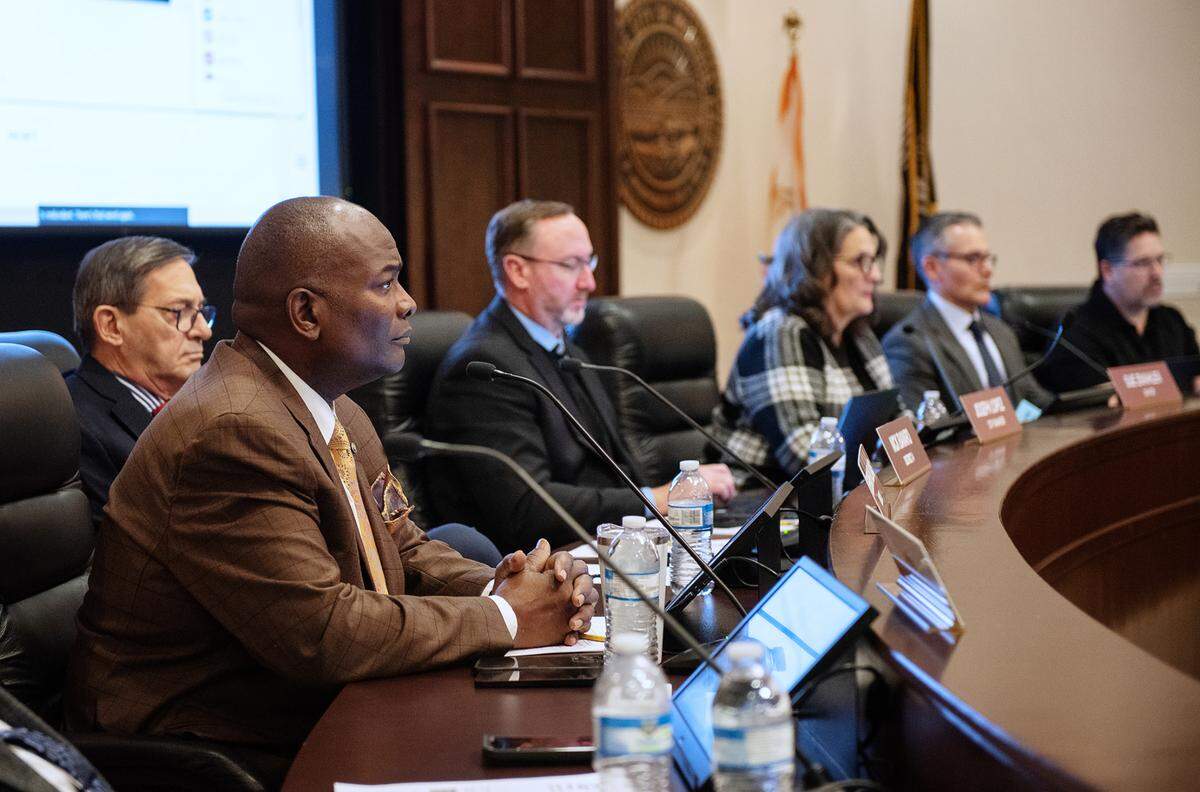
Councilmember Jeremiah Williams said the ordinance and its revisions help people wanting to protest not feel afraid to do so. He declined to comment regarding a potential lawsuit. “This ordinance helps ensure the safety of all participants and others and deflect the misdeeds of those who have criminal motives,” Williams said.
In August, Mayor Sue Zwahlen, Williams and Alvarez told The Bee that they believed the matter should start with a formal recommendation from the CPRB. Their votes contradicted the review board’s advice, though.
Zwahlen declined to comment on potential litigation. “I made my decision after considering the input I received from the public and experts, with the intention of protecting all Modesto residents,” she said.
Councilmember David Wright said he has no comment to make at this time, though he told The Bee in August that the ordinance is fine as it is, citing the potential for destruction of property as one of his reasons.
Councilmembers Rosa Escutia-Braaton and Eric Alvarez had not responded to requests for comment as of Thursday afternoon.
This story was originally published December 4, 2025 at 4:17 PM with the headline "Modesto council members defend mask ban vote as ACLU and others consider lawsuit."