COVID hit some downtown Turlock businesses harder than others. Here’s who fared best
During the statewide COVID-19 shelter-in-place order in March 2020, Gina Blom decided she needed to close her downtown Turlock paint and sip studio.
Blom shifted Rembrandt & Rosé to a mobile business, and she said a new tenant moved into the suite on West Main Street as soon as she left.
The turnover exemplifies how downtown Turlock has remained a desirable hub for local businesses and maintained a low vacancy rate throughout the pandemic, Blom and other business owners said.
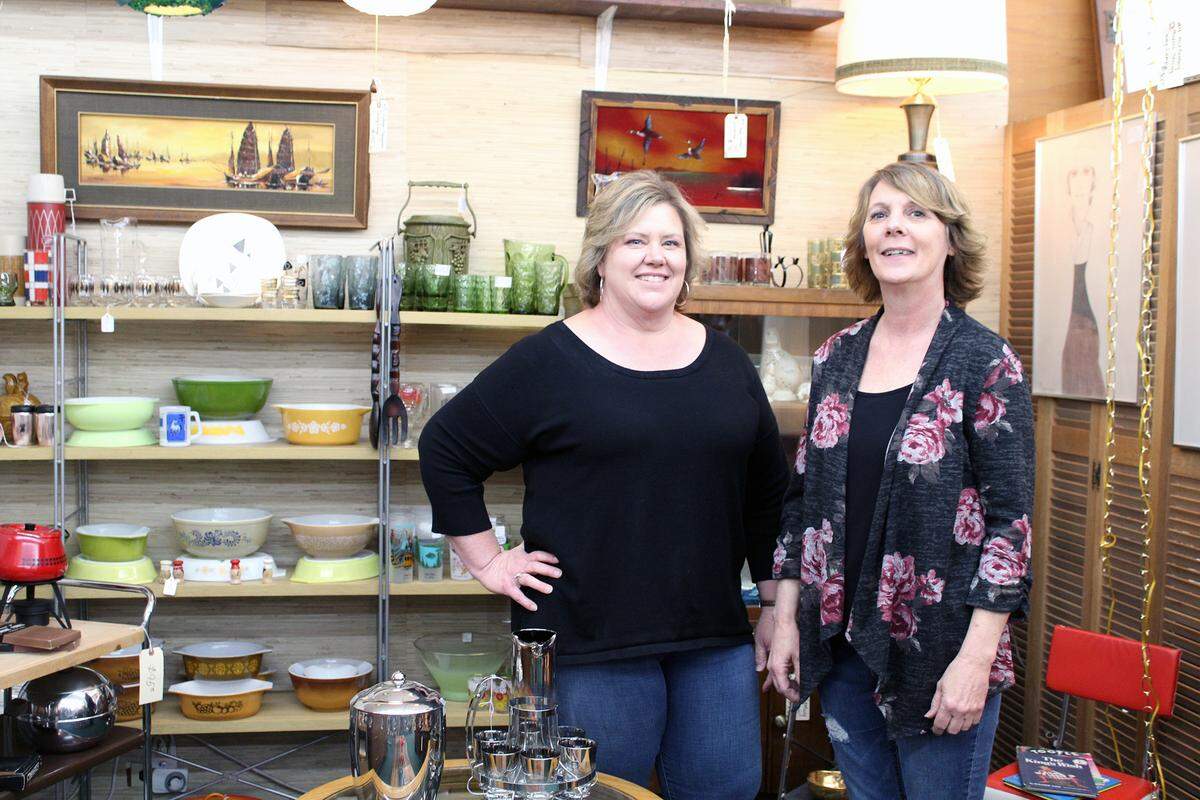
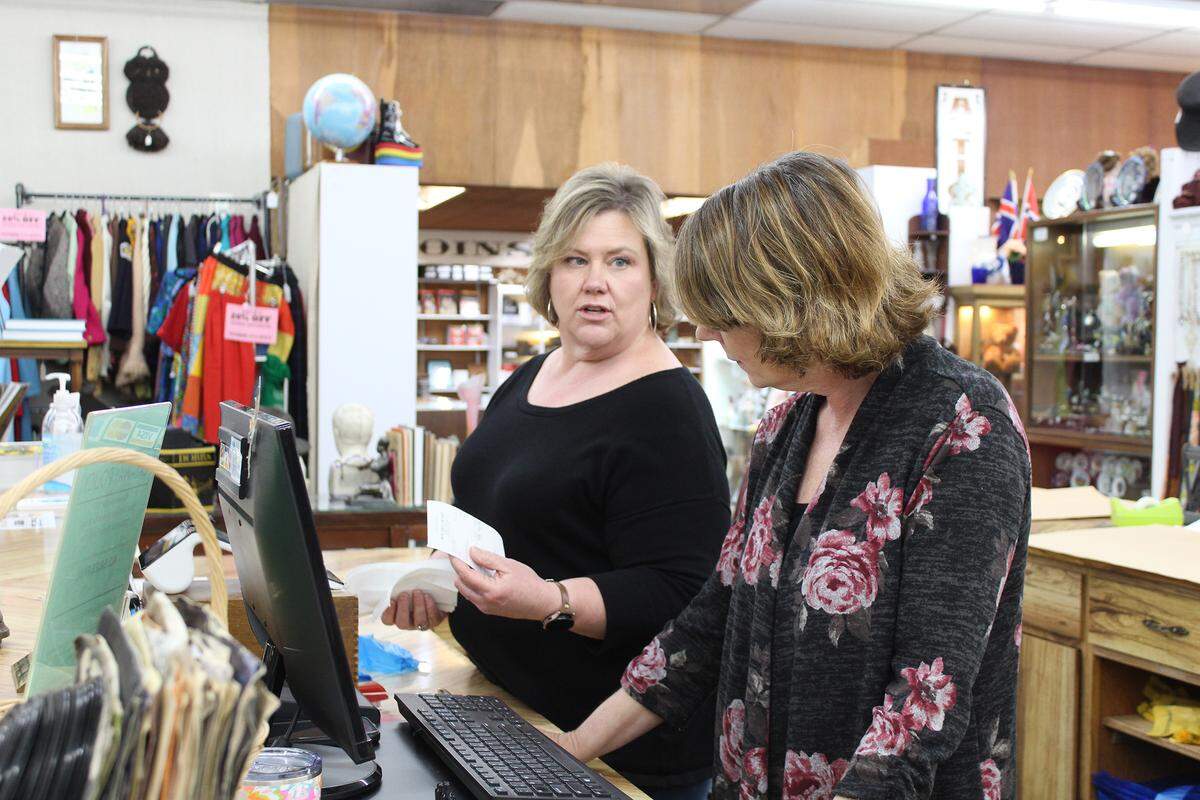
Few businesses have closed and new tenants have taken their place right after, said Blom, who also works as the executive director of the Turlock Chamber of Commerce. The occupancy rate for downtown Turlock stands at 99%, said Lori Smith, co-owner of Main Street Antiques and a board member of the Turlock Downtown Property Owners Association.
“I think that’s a testimony to all the business owners,” said Becky Arellano, a downtown businesswoman and former councilwoman. “That they really figured out how to navigate through these shark-infested times and that they are dedicated to our small, tiny town and to our downtown. Turlock people don’t give up.”
Of those who left, Smith said, a few might have retired or shuttered their doors without the pandemic. The owners of Geiger’s Fine Jewelry wanted to retire and saw rent increase, said Arellano, who owns the downtown businesses Reliable Property Management and Little Red Door. When Geiger’s closed, Arellano’s second-hand store Little Red Door took over the location.
Although Dust Bowl Brewing Company cited COVID-19 as a reason for closing its downtown Turlock taproom in summer 2020, the corner of Main Street and Broadway was not vacant for long. After about six months of renovations, in October 2021 owners of the Modesto restaurant Commonwealth opened a second location at the site, The Bee previously reported.
COVID hit Turlock businesses differently
Over time, the pandemic has affected downtown businesses disproportionately, owners added. Early on, coronavirus public health orders hit restaurants, salons and fitness businesses hard, Smith said.
Then retail stores faced difficulties receiving merchandise because of supply chain issues. Smith added. With products stuck at sea, Arellano said retail owners missed shopping seasons and still had to pay for them.
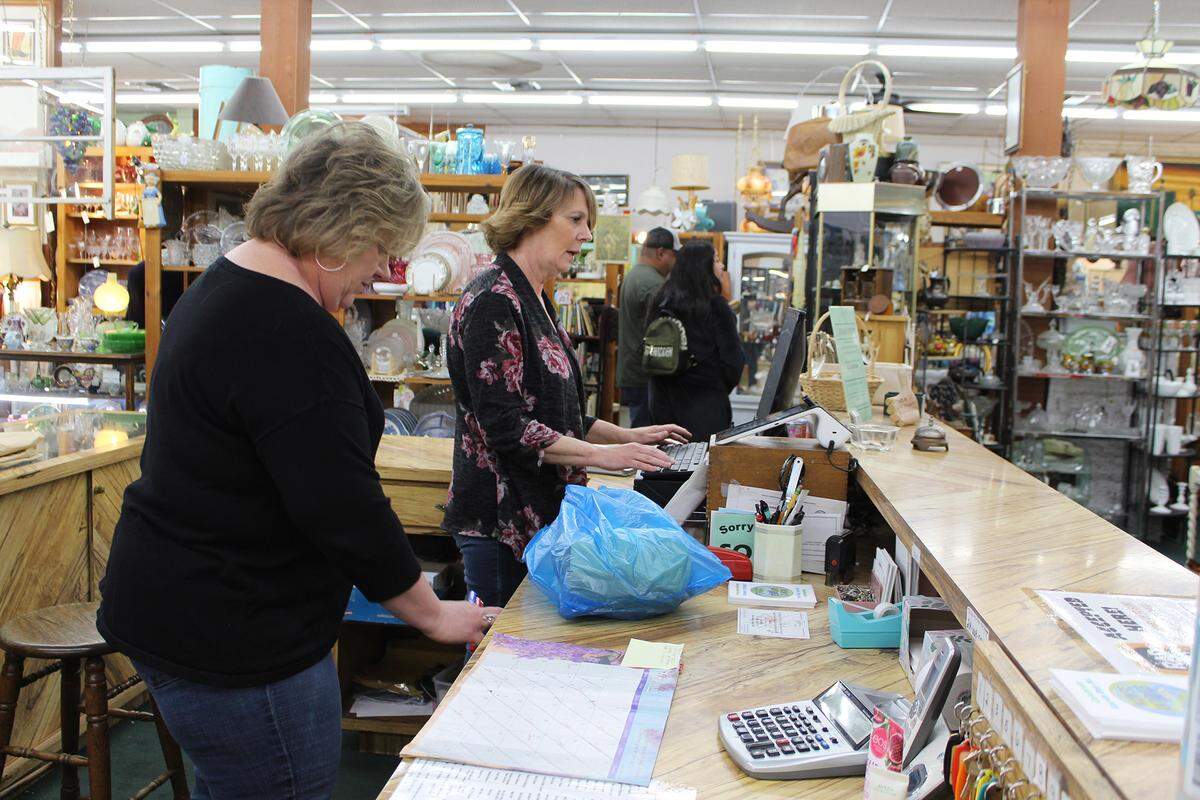
Running an antique shop, Smith said challenges such as shipping delays and rising food costs have not hit her like they impact restaurants and retailers. A steady stream of customers came through her doors around noon Tuesday. Some leisurely browsed, one woman asked for help finding a vintage camera and another wheeled out a bulky piece of furniture.
“We don’t have to order things online and we don’t have inflation,” Smith said. “We have to go hunt our stuff down, so we’re a little different breed.”
Meanwhile, Blom said COVID-19 slammed local arts businesses. By closing the downtown studio and eliminating rent payments, Blom cut her overhead costs for Rembrandt & Rosé.
Now she takes her supplies to birthday gatherings or parties at the Grand Oak Event Center and offers private classes at her home studio.
“I just have to keep paint off my kitchen counter, but you know, that can come off pretty easily with a granite counter,” Blom said.
The chamber also helped businesses pivot, Blom said, by offering educational webinars on social media marketing and COVID-19 restrictions. Arellano estimated she has spent at least $15,000 on coronavirus supplies, such as masks and sanitizer, for her two businesses to comply with rules over the past two years.
Adapting budgets to come up with funding to follow public health orders has been a challenge for business owners, Arellano added.
How has downtown stayed resilient?
Besides the nimble business owners, Smith said investments into downtown’s beautiful atmosphere is one reason the area has maintained low vacancy rates during the pandemic. She pointed to the city’s downtown revitalization in the early 2000s and the property’s owners association.
Members of the association vote to tax themselves to upkeep the downtown area, including the lights and planter pots. The association pays for the plants, and the Turlock Garden Club repots 40 planters every May and October. The club also maintains the bright pops of color on a monthly basis, said Carol McRoberts, co-chair of the project.
A club member since 2004, McRoberts said she hasn’t noticed many empty downtown businesses besides temporary closures because of COVID-19. Vacancies were more common in the early 2000s, she added.
“We are very, very fortunate that we have local businesses downtown that care about the community,” McRoberts said. “I mean they struggled during the pandemic—everybody did— but they maintained enough change in their business to continue to be able to be in business. If you’re a Turlocker, you just love the downtown.”
The community, downtown’s walkability and the RAD Card also helped support businesses in the area, Smith said. Shoppers showed up in the 2020 Christmas season, Smith said, and rounds of COVID-relief funding for the gift card app helped both residents and businesses.
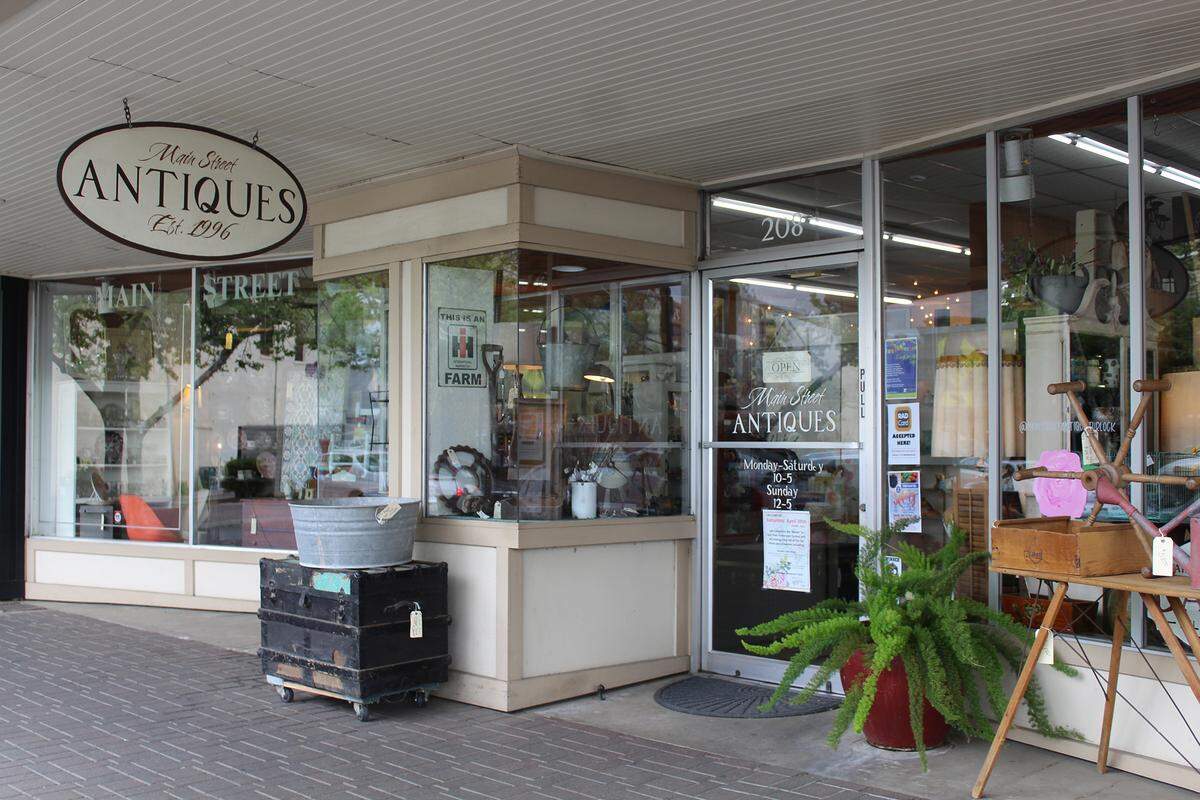
Last December the city approved the use of $1 million in American Rescue Plan Act (ARPA) funds for the RAD Card, making shoppers eligible for up to $100 in matching funds. Before then the city and county had contributed some $275,000 to the app, The Bee previously reported.
Out of the city’s remaining ARPA money, Smith said business owners are pushing for bollards, which would enable street closures for downtown events. The property owners association previously got a permit to close a block of West Main Street for outdoor dining and shopping in summer 2020. Other possibilities include bringing back Thursday night farmers markets, Arellano said.
Turlock program aims to help
To help owners recover and grow from the pandemic, the city in January approved spending roughly $480,000 of ARPA funds on a business development and assistance program. Run by Opportunity Stanislaus and the Valley Sierra Small Business Development Center, the program includes one-on-one consulting and workshops for businesses throughout Turlock.
The program aims to teach best practices for innovation and expansion, said Maisie Silva, the Turlock program specialist. Targeted skills include social media, creating an employee handbook and Quickbooks, an accounting software program, Silva said.
Practices popularized during the pandemic such as order pickups are here to stay, Silva said, and the program tries to provide up-to-date information on new processes and grants that can help owners succeed.
“COVID really revealed how isolating running a business can be and how impossible certain decisions are to make,” Silva said. “Our consultants are really just there to help them through it.”
The program plans to host a Turlock Small Business Summit on May 24 at the Grand Oak Event Center. All Turlock business owners and staff are invited to the free event, which will include workshops and networking opportunities.