Turlock is getting an ACE rail station. Why some residents want to move it downtown
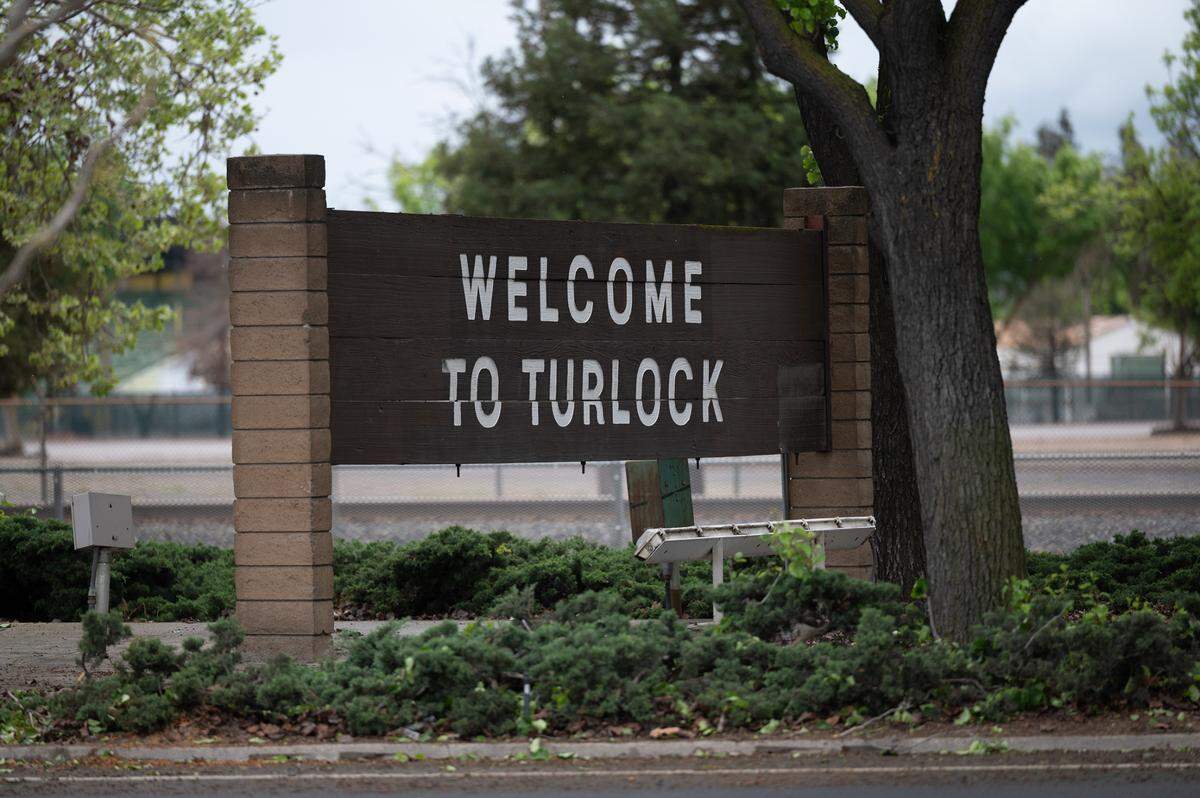
Turlock residents are debating whether the city’s upcoming rail station should shift to downtown.
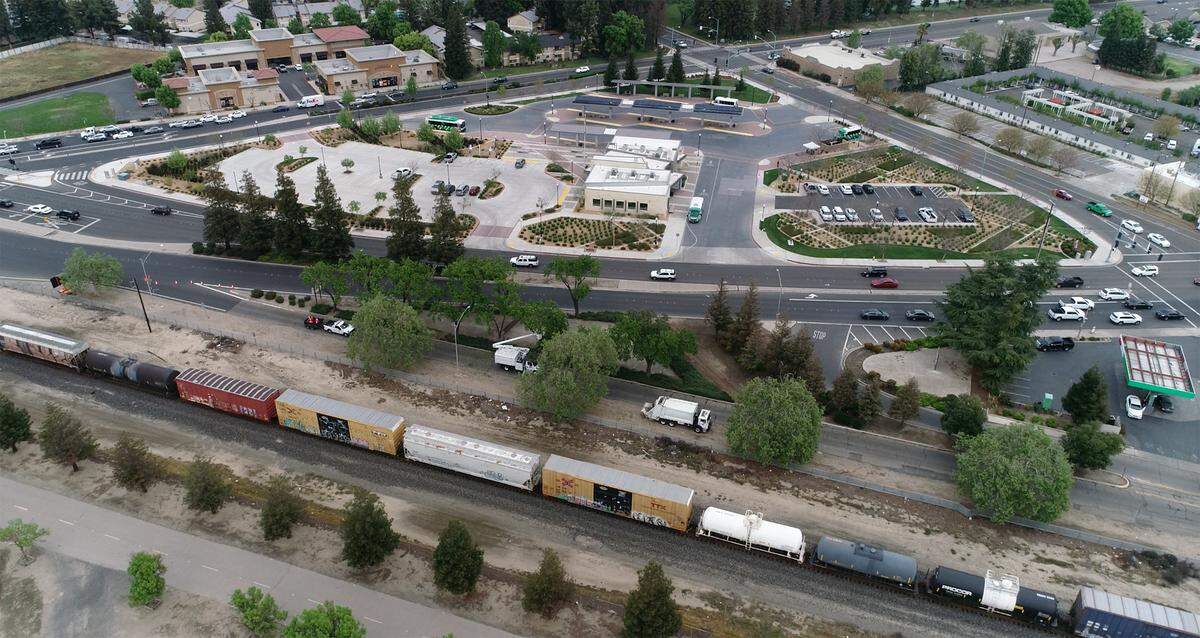
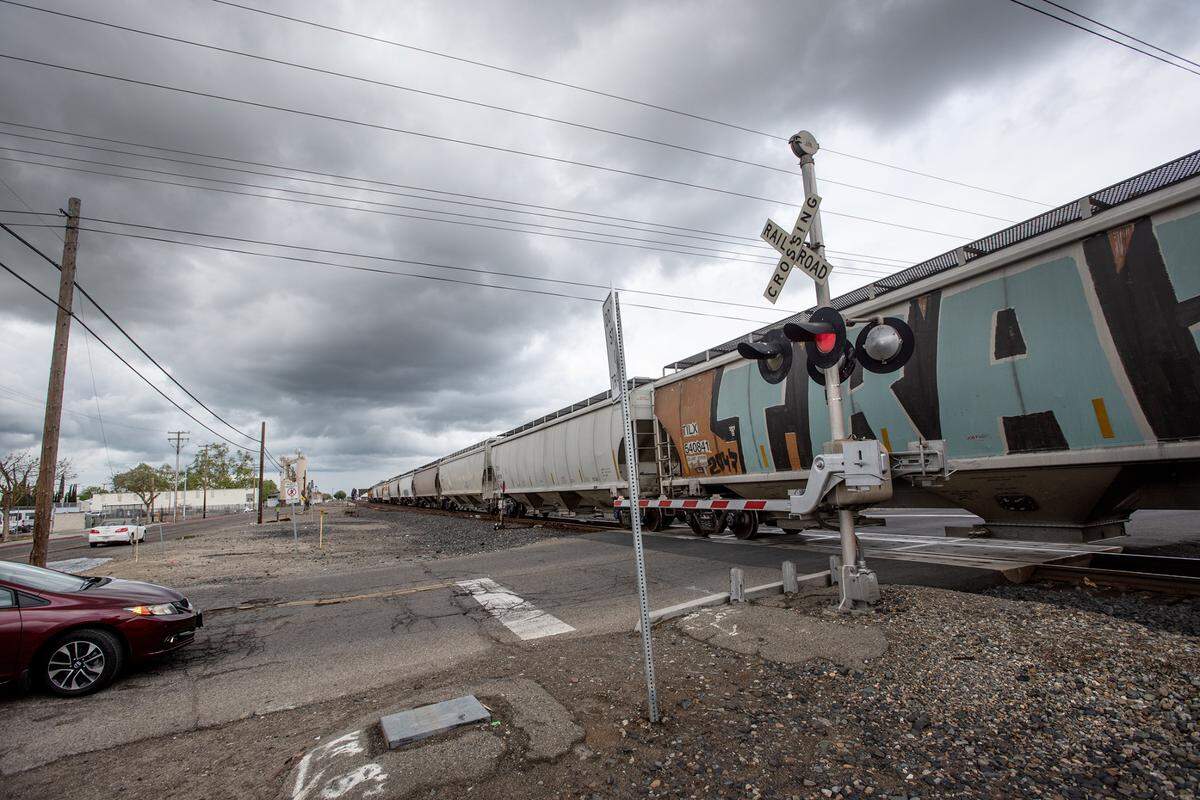
The Altamont Corridor Express already has approval for a passenger platform along Golden State Boulevard at Fulkerth Road. That is next to the Union Pacific Railroad freight tracks about a mile north of the historic core.
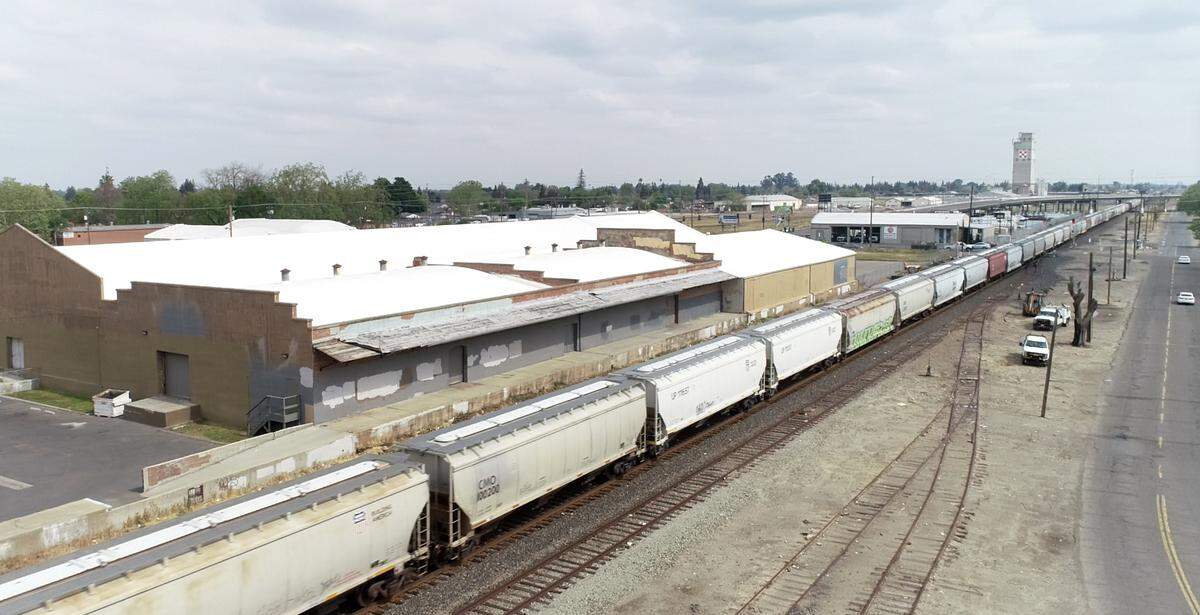
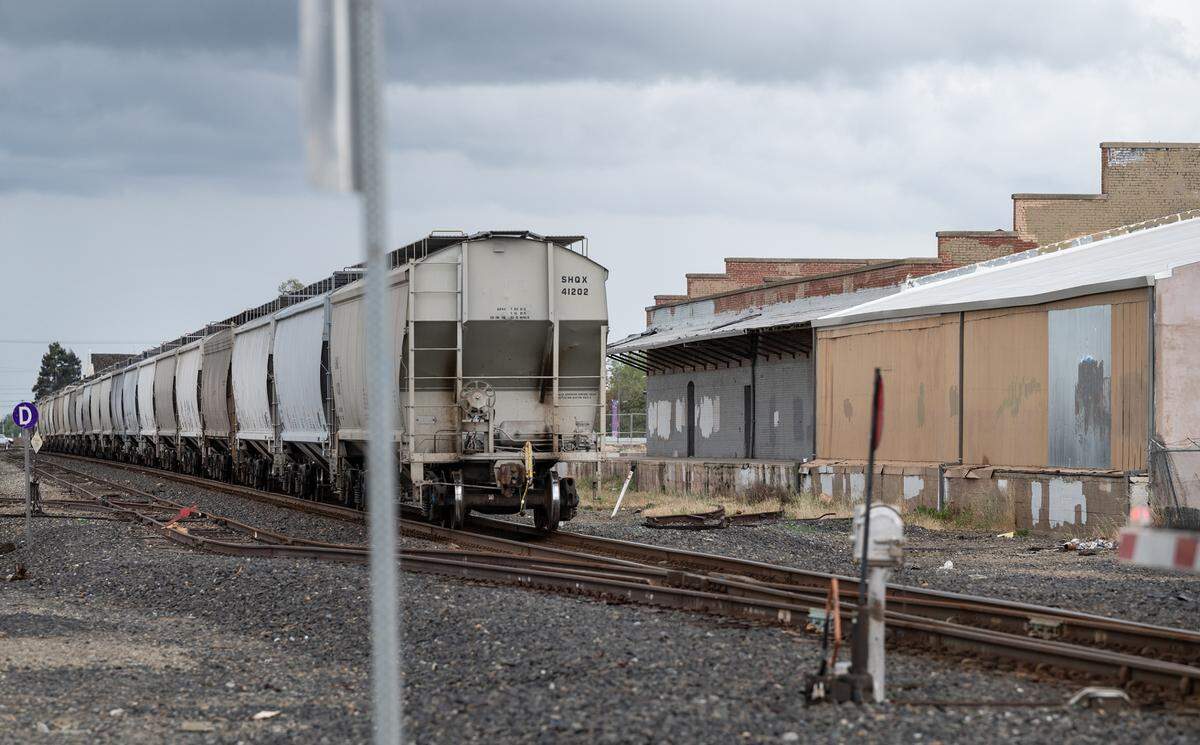
Some residents have urged that the station instead go between Marshall and F streets at the south edge of downtown. It would extend into a semi-industrial area with several vacant parcels.
“Moving the ACE train is going to revitalize the downtown area,” City Councilwoman Pam Franco said at the March 22 meeting.
Other residents favored sticking with the current site. They said it would be more central to the population and has adequate parking.
ACE has run on weekdays since 1998 between Stockton and San Jose, mainly serving commuters to Bay Area jobs. It has funding for a southern branch that could have its first train by early 2024 to downtown stations in Manteca, Ripon, Modesto and Ceres.
Turlock will be part of a further extension that also has stations in Livingston and Merced. It could serve passengers as early as 2025.
The Turlock station issue was discussed at the Friday morning meeting of the ACE governing board. It voted 6-0 at the staff’s urging to consider the switch if Turlock does a study on the advantages of a downtown depot. The city also would have to bear the cost of amending the environmental impact report on the Ceres-Merced segment, certified in December.
The ACE system is governed by the San Joaquin Regional Rail Commission, which has seven elected officials from San Joaquin and Alameda counties. The Turlock council has not yet scheduled its next meeting on the issue.
Detailed engineering has not been done, so a change in stations is still possible. The overall project also involves adding second tracks where they are lacking to reduce conflict with freight trains.
Taxes on drivers pay for rail
The ACE branch is funded by $400 million in state fuel taxes paid by drivers. The aim is to reduce congestion on Interstates 205 and 580 and emissions of climate-changing gases.
An additional $500.5 million from the same source will extend ACE north to Lodi, Elk Grove and four Sacramento stations. These tracks also will carry two more trains for the Amtrak San Joaquin service between the capital and Bakersfield.
Both ACE and Amtrak could feed in turn into the first segment of California’s high-speed rail system, between Merced and Bakersfield. That project continues to draw controversy over cost overruns and delays.
Turlock’s closest passenger rail service is the Amtrak station in Denair. It has five daily round trips between Bakersfield and Oakland. Two other trains go north to Sacramento, one of them still suspended by COVID-19.
The ACE extension will have five round trips to start, geared to Bay Area workers leaving early in the morning. This was noted by critics of the Turlock station relocation, including former council member Gil Esquer, who questioned the downtown revival potential.
““They’ll be leaving Turlock between 5 and 7 a.m.,” he told the current council. “What businesses are going to be over here that they could utilize? They’ll be returning home between 7 and 9 p.m.”
Serving more than commuters
ACE planners hope to someday have frequent, all-day service that connects easily to other rail systems. And they hope to encourage dense housing and businesses around the stations.
Downtown Turlock still has its historic depot building, but it has been used for decades as a restaurant, currently the 10 East Kitchen & Tap House. Tracks were first laid by the Central Pacific Railroad in 1871, when the city was founded.
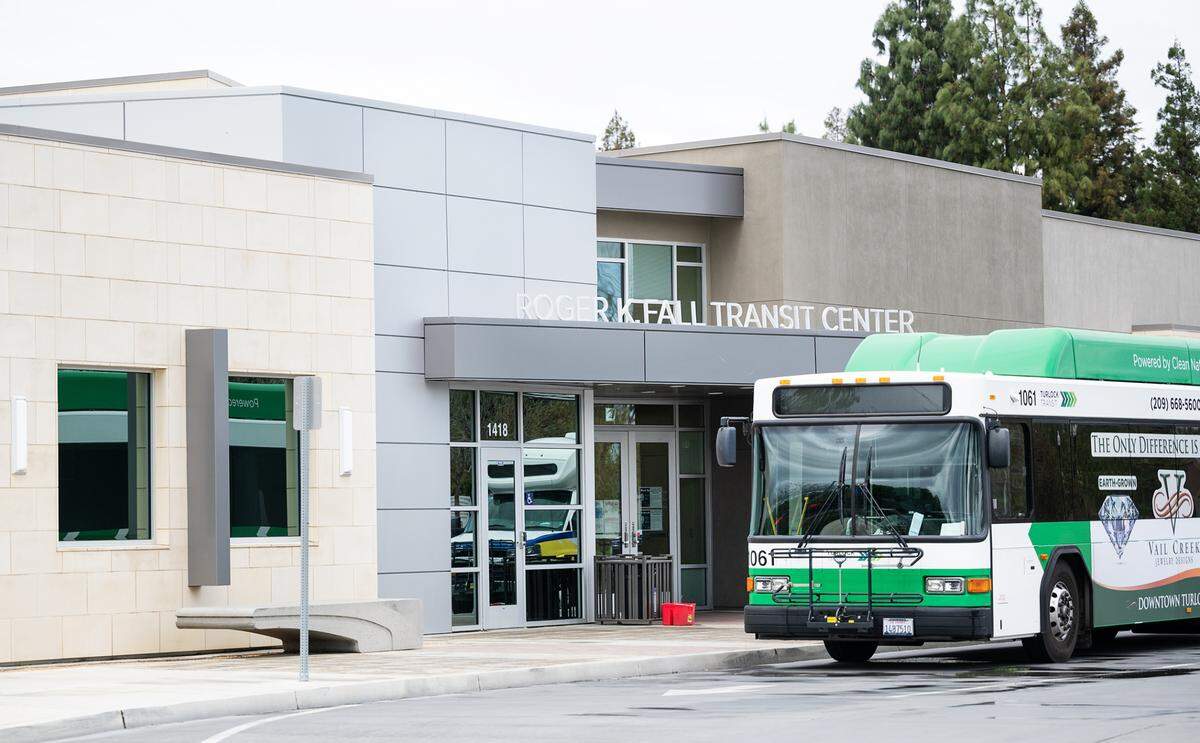
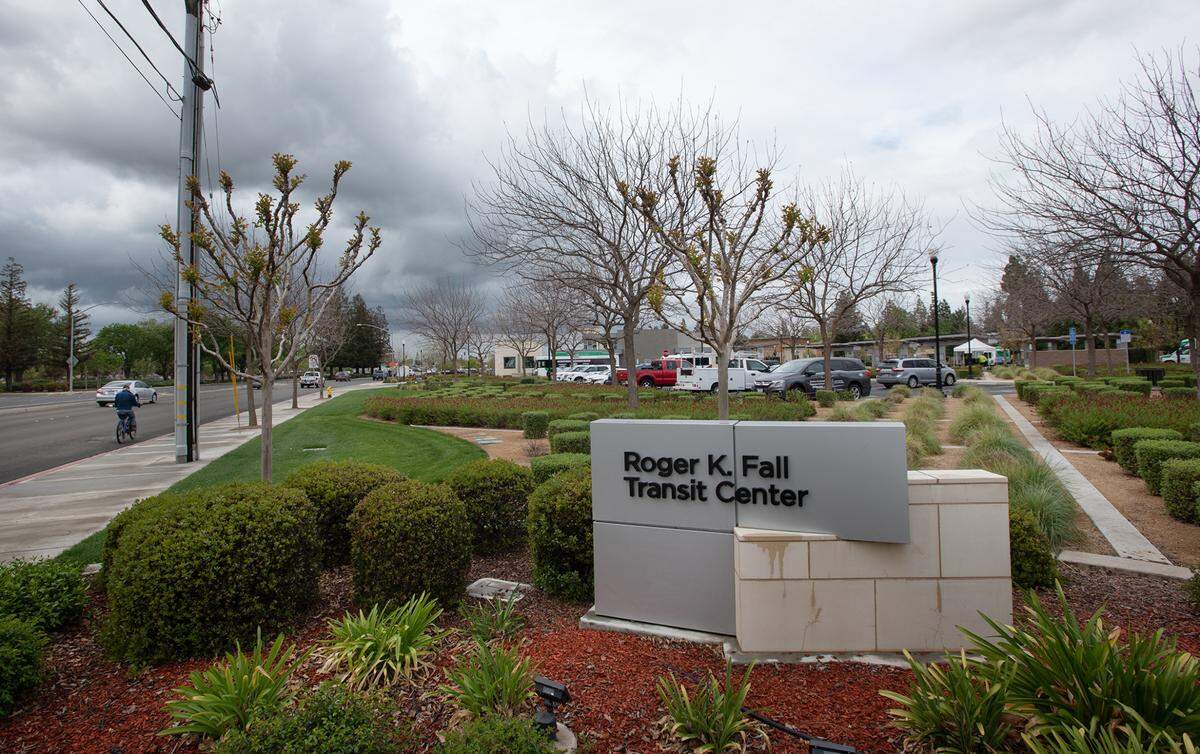
Turlock has grown mostly to the north and east since then, which prompted some residents to support the current ACE station site. That platform would be across Golden State from the Roger K. Fall Transit Center, the hub for bus service. Much of the parking would be at the center, requiring rail passengers to use a new pedestrian bridge over the tracks.
Franco noted the multiple lanes of traffic at Golden State and Fulkerth in urging the downtown site instead. Others said that the alternative also would be convenient to southeast Turlock, where much of the future housing is planned.
Part of the downtown site is fronted by a former Tri-Valley Growers peach and yam cannery. It closed in the mid-1990s and burned in a 2005 fire. The concrete foundations remain.
This story was originally published March 31, 2022 at 8:46 AM.