Some Turlock residents seek delay of road repair contracts. Why did bond concerns arise?
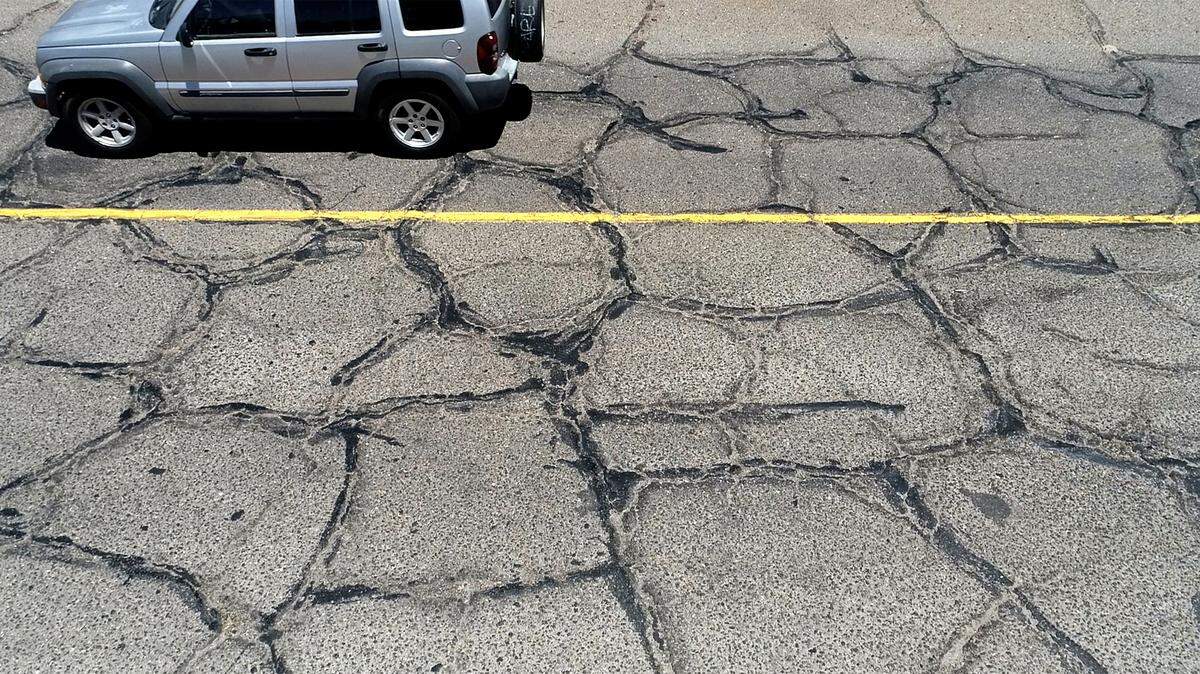
The Turlock City Council on Tuesday delayed approving agreements with road repair consultants after multiple residents raised concerns over bond financing proposals, which officials could vote on in a future meeting.
City staff recommended the council authorize paying consultants about $460,000 to begin planning how to fix Turlock roads in five years, but the majority of public comments urged officials to not rush the contracts.
The consulting team managed by Public Facilities Investment Corp. (PFIC) proposed Turlock fund the road repair plan with lease revenue bonds by leasing its streets. Turlock needs an estimated $230 million to bring city roads to a maintainable state, per the pavement management software StreetSaver. In one scenario PFIC provided, the council could vote to take on a 30-year, $230 million bond to achieve Mayor Amy Bublak’s goal of fixing all roads in five years.
Tuesday’s meeting did not involve voting on any bond debt, but seven residents requested the council not approve the contracts. The city ought to have a permanent city manager, finance director and roads manager in place, said Ron Bridegroom and others.
“The funding scheme PFIC is proposing will heavily impact future city councils by severely limiting their financial flexibility for the next 30 years,” Bridegroom. said. “PFIC stated they do not owe a fiduciary duty to the city, so we need to do our own due diligence and consult with outside municipal, legal and financial experts before a decision is made.”
By not owing a fiduciary duty, PFIC does not have to act in a way that benefits Turlock. The corporation disclosed the fact in its response to the city’s request for information and during the Sept. 1 roads workshop, when consultants presented the proposal. The council directed staff to advertise the request for information on July 27 because the city lacks the staff to plan requested road repairs in five years.
But PFIC President Jeffrey Tamkin on Tuesday said he has been working on the Turlock roads project for almost a year. A couple of residents questioned why the city did not publicly discuss the proposal sooner and noted that voters passed the Measure A sales tax only in November. Officials in June allocated $5.6 million of this fiscal year’s expected Measure A revenue to roads, which PFIC proposes the council use for bonds.
The city previously sold bonds in January 2011 to bring in $13.5 million in redevelopment money for construction of the Public Safety Facility on Broadway, The Bee reported. Turlock’s Redevelopment Agency also set aside $2.8 million for a refurbished track and field at Turlock High School’s Joe Debely Stadium in 2009.
Turlock Council divided over process
The council voted 3-2 to table the contracts until the next regular meeting and have staff continue working with the consulting team and gather more information. Council Members Nicole Larson and Andrew Nosrati dissented.
Larson made a motion to direct staff to present a similarly vetted proposal from another consultant who presented at the workshop two weeks ago. Project Finance Advisory Limited (PFAL) gave information on other financing possibilities such as federal loans, and Larson said the council should consider a proposal from the group as well.
The motion failed with only Nosrati’s support. Larson previously requested staff recommend consulting group options to choose from after the Sept. 1 workshop, but the council majority — Bublak and Council Members Pam Franco and Rebecka Monez — asked for contracts with PFIC’s team.
“I think it’s disingenuous and disrespectful to others to put out an RFQ (Request for Quotes) process and create the perception of openness and transparency when the decision seemingly has already been made,” Nosrati said in an interview after the meeting.
Bublak, Franco and Monez cited frequent resident requests to repair roads and said PFIC can help the city fix more roads than it has in years. Roads with major issues deteriorate faster and cost more money to repair later on, Franco said. Interest rates are at an all-time low, Franco added, and inflation means dollars won’t go as far in the future.
“I wish I had a better idea, but doing it slowly won’t even keep up,” Franco said. “If we only spend the $5.6 million that we get from Measure A monies, we can’t even keep up with the roads as they are now. Main Street cost over $11 million to do; that’s like two years worth of our Measure A allocation.”
Bonding leverages the city’s funds to achieve the road rehabilitation the public wants, Bublak said. The consultant contracts do not undermine voters, Bublak said, because they passed Measure A and the countywide Measure L in 2016 for roads.
But Larson emphasized considering other funding means.
“I think that when someone says to me that they want to get their road done, if I turned around to them and said, ‘Yeah, I’m going to incur you with debt for the next 30 years,’ I wonder what their response would be,” Larson said.