Turlock homeless emergency set to end. City seeks suggestions for long-term plan
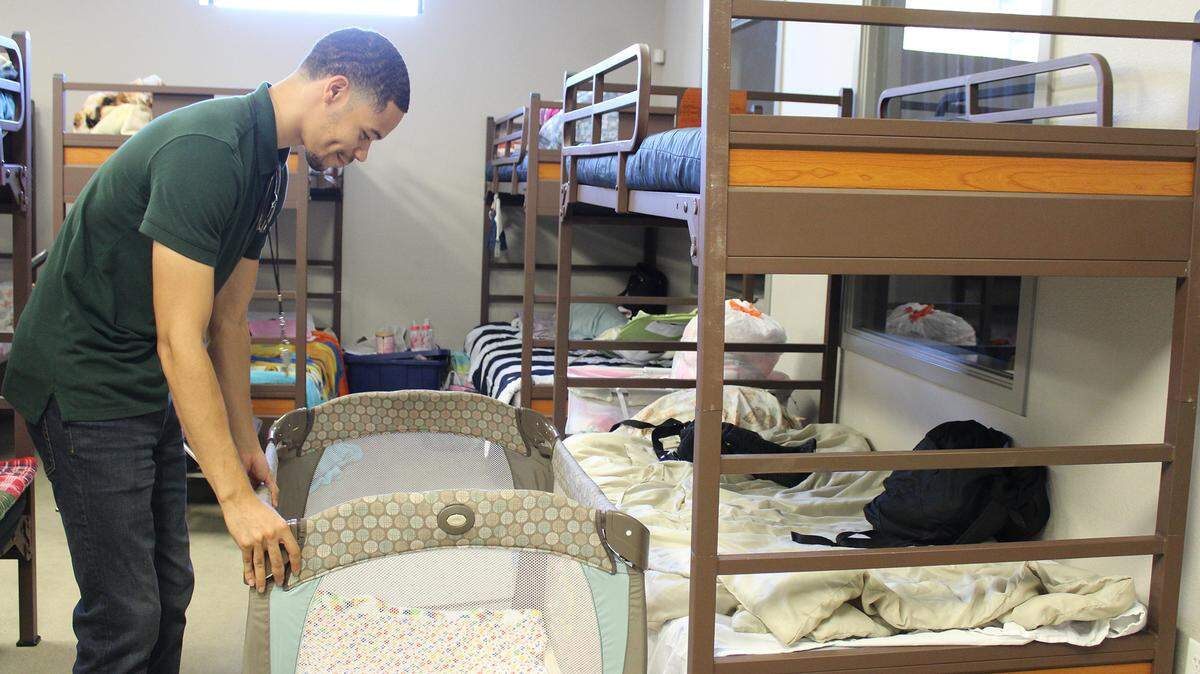
Turlock’s declared homeless emergency expires Wednesday and since it began March 16, Turlock Gospel Mission Executive Director Christian Curby said 87 people have stayed at the organization’s shelter for the first time.
But some disagree on whether the city reached its goals of reducing unsheltered homelessness and connecting homeless people with social services during the 120-day crisis.
Downtown business owners say they continue to see more disruptive individuals living on the streets after encampment sweeps.
Meanwhile, Interim Police Chief Steve Williams said in an email that outreach efforts ended significant homeless encampments and the city has not identified new ones in the past month. Still, Interim City Manager Sarah Eddy plans to proclaim another local homeless emergency and ask the City Council to ratify it Tuesday, Williams said.
“This local emergency has no specific time frame associated with it but we expect it to be in place while the longer term strategy to address our unsheltered homeless is being developed and likely also through the initial stages of implementing that strategy,” Williams said in an email.
Council Members Pam Franco and Rebecka Monez are developing a proposal for a long-term plan on homelessness, as Mayor Amy Bublak announced during the June 22 council meeting.
Bublak said she selected the pair because their seats are not up for election next year, although the three of them have voted together on issues such as approving a settlement agreement for former City Manager Toby Wells. Franco and Monez are expected to bring the proposal to the council after Aug. 6, Williams said, adding residents can email them suggestions or comments.
In total, 343 unique individuals stayed at the mission during the emergency as of Thursday, Curby said. In February, the city estimated 225 people lived in Turlock’s five largest homeless encampments, but the count did not include people living in smaller camps or shelters.
Turlock cleared three homeless encampments during the declared crisis: ones on or near West Main Street, West Glenwood Avenue and Taylor Court. Union Pacific Railroad swept homeless camps near the intersection of South First and D streets about two weeks before the city emergency.
Woman staying in Turlock shelter shares perspective
Drawing on her experience sleeping in her truck and in a hole in the ground on West Main Street, Rachel Hopper said last week she helped with outreach efforts during the emergency. Hopper has participated in the mission’s restoration program and lived in the shelter since September, she said. She believes giving tours of the shelter and telling people about its services at barbecues during the emergency made a difference.
“For the emergency situation, what’s the price that you put on a person’s life?” Hopper said. “Instead of counting numbers, look at it that way. If all this was just to help one person, then it’s worth it.”
The city has spent about $96,000 on the emergency through June 30, according to a working budget estimate the city provided. Spending included $25,000 for cleanup crews, about $13,800 on mobile security towers and $48,000 to rent a hall at the Stanislaus County Fairgrounds for overflow shelter. The city did not open the fairgrounds overflow shelter, Williams said, because both the mission and We Care had beds available every night.
After encouragement from outreach workers, Hopper said people ultimately need to accept services on their own. Once they do, she said the mission can help people with identification documents, CalFresh applications, their pets’ veterinary care and other needs.
The city could look into funding job training for its long-term homeless planning, Hopper said. Programs such as certified nursing assistant training could help people afford housing after staying in shelters, she said. Transitional housing with reduced rental rates may also help, said fellow restoration program participant Tracy Villarreal.
Downtown business owners detail homeless issues
Meanwhile, a couple of downtown business owners said unsheltered homelessness and aggressive behavior in their area increased during the declared emergency.
The Bee previously reported business owners saw about 20 new people living on downtown streets in April after encampment sweeps. The number of people yelling or otherwise causing disruptions decreased for a couple of weeks, said LeRoy Walker, co-owner of Bistro 234 and First & Main restaurants. He did notice more police presence and outreach workers.
But the issues gradually increased again, Walker said, and now homeless people gather behind the Turlock Chamber of Commerce near Central Park. If people intimidate others on Main Street, such as when some living on the street act aggressively toward customers, Walker said they should be immediately arrested.
“I think their lives should be made difficult, just like my life has been made difficult,” Walker said.
Paramjit Sanghera, owner of 10 East Kitchen and Tap House, estimated he sees two or three cars pull out of his parking lot on Fridays and Saturdays after seeing homeless people acting disruptive. The issue can cause him to lose $200 each day, he said, assuming each party spends about $100 at the restaurant next to Central Park.
Instead of reducing unsheltered homelessness, Sanghera said the effects of the 120-day emergency continues to hurt his business.
Suggestions or comments for the city’s next homeless plan can be sent to pfranco@turlock.ca.us and rmonez@turlock.ca.us, Williams said.