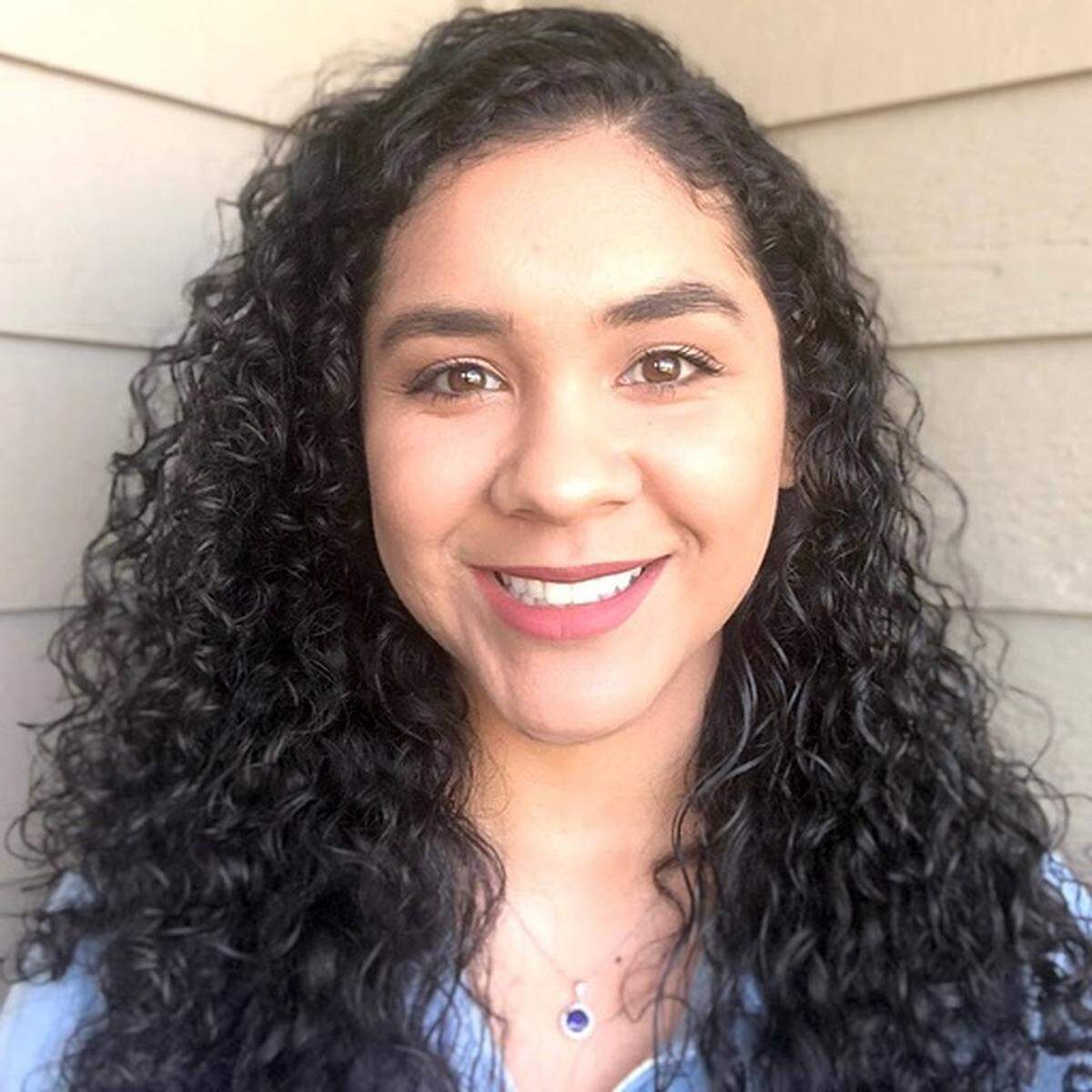
How abducted Modesto woman fits among the most vulnerable to domestic violence
The warning signs of domestic violence were there in Susana Torres’ case. Family members witnessed and heard of her husband’s controlling behavior, but that knowledge didn’t prevent her abduction.
Intimate partner violence in the U.S. is a serious problem. Every 15 seconds, a woman is beaten, according to the website of the Stanislaus County District Attorney’s Office.
And Latina immigrants such as Torres appear to be among the most vulnerable.
A month ago, Torres’ estranged husband, 41-year-old Javier Chavez, of Modesto, kidnapped her and her two children at gunpoint outside a market on the 600 block of Butte Avenue, according to the Stanislaus County Sheriff’s Department. Later that night, Chavez left the 8- and 2-year-old children with his parents around 10 p.m., authorities said.
Detectives said they believe Chavez fled to Mexico by the time they learned of the kidnapping. Neither he nor Torres has been heard from since.
Torres had filed an emergency restraining order against Chavez, but he took her the day before she could file for a more permanent injunction.
Janette Garcia, training manager at Haven Women’s Center of Stanislaus, said domestic violence affects people from all walks of life. “It has no regard for anything. Not a person’s religion, education … anything,” she said during a phone interview.
Foreign-born at more risk
However, Hispanic women are slightly more prone than non-Hispanic white women to experience intimate partner violence, according to the Journal of Women’s Health. Foreign-born women are also more likely to be victims of intimate partner violence than those born in the U.S.
Moreover, physically abused women residing in the U.S. but born in Mexico, Central America, South America or the Caribbean are more likely than U.S.-born women to experience sexual intimate partner violence, the journal reported, and 48% said violence increased after immigrating.
There are factors that increase the risk of intimate partner violence. Marital dissatisfaction, exposure to child maltreatment and family violence, excessive use of alcohol, gender inequality (including community norms that give men a higher social status), dangerous masculine behavior, weak consequences and more can heighten the chance of domestic and sexual violence, according to the World Health Organization.
Garcia said intimate partner violence is all about power and control. “They’ll do things like intimidate them, or isolate them,” she said. “They can do it in really nice ways or mean ways.”
When a victim is ready to leave, that person should document the incident, develop an escape plan and pack a go bag, according to the California Victim Compensation Board. Once the victim chooses a time to leave, which should be when the abuser isn’t home, that person should contact law enforcement for further assistance.
Torres’ cousin Yazmin Cruz said by phone that Chavez would keep Torres away from her family members because he didn’t like them. “He didn’t like my cousin hanging out with us,” she said. “She would hardly go over.”
Cruz added that though she didn’t know Chavez well, he came off as hostile. He also would track Torres’ location via phone. The couple would constantly be on the phone, and Chavez would ask for pictures of what she was doing and eating.
“Kind of like to confirm that she was there,” she said.
Domestic violence escalates
Domestic violence is also not an isolated incident. Garcia said it’s usually a pattern of behavior that escalates, even at times to the point of death.
“When it escalates to this point … everybody will always say … ‘Oh, wow, they were such a quiet person,’ or, ‘I didn’t expect this to happen,’” she said.
But a close look at these types of cases shows it’s typical for victims to notify law enforcement several times about their situation.
Alejandro Cruz said that’s the case with his niece, Torres. He said it wasn’t the first time he’d had to file a report against Chavez for attempting to kidnap Torres.
“(Law enforcement) supposedly said they were going to arrest him. They never did. Three weeks passed since I made the report and now he really did take her,” he said in Spanish as he and other family members stood outside the Stanislaus County Sheriff’s Department on May 4 demanding a response from investigators.
Prior to the kidnapping, Alejandro said police and paramedics witnessed how severely Chavez had beaten Torres. Police never arrested Chavez after Alejandro helped Torres file a report against him, but he turned himself in, only to get out on bail.
Despite a restraining order against Chavez, the estranged husband would follow Torres everywhere via a tracking chip installed in her vehicle. Yazmin Cruz said Torres shared with her family that the first time Chavez attempted to kidnap her, he took the tracking device from underneath her car in front of her. Chavez also had copies of Torres’ car keys.
Alejandro Cruz said he hopes Chavez’s heart softens and he lets Torres go. Maybe one day he will pay for his actions, but Chavez’s punishment isn’t of interest to him, Cruz said. He just wants his niece home so she can be reunited with her sons.
Attention disparity
Torres’ family members have been doing what they can to keep the case in front of the public.
Garcia said she’s not sure why some cases receive more attention than others, but she can guess. “Some people get more attention as if they matter more or as if their lives are more important because of either… the money they make, the connections to the community… (or) the color of their skin,” she said.
While according to Statista.com, it’s apparent the media tend to give more coverage to white people who go missing, minorities account for almost half of people who were reported missing in 2020.
Garcia said she also feels stories of victims that go viral are often because the family pushes for attention through advocacy.
A prime example of media bias is seen when comparing the cases of El Salvador immigrant Evelyn Hernandez, a San Francisco resident, and Modesto resident Laci Peterson.
Both woman were pregnant when they went missing and washed up on the shores of the San Francisco Bay. Despite the similarity in the cases, The San Francisco Chronicle published 32 stories about Peterson and only four about Hernandez, reports Alta.
Moreover, the Peterson family advocated, had the finances and received public relations help from a well-connected crime victims group in Modesto, the Sund/Carrington Memorial Reward Foundation. On the other hand, Hernandez’s mother was in El Salvador.
Yazmin said she hopes Torres’ undocumented status doesn’t affect authorities efforts to look for her cousin. “I know that other family members think about it,” she said, adding that she tries not to dwell on that assumption.
Sleepless nights
Cruz adds that he and his family have been experiencing many sleepless nights.
“We don’t sleep. We hear a noise, the boy wakes up and asks for his mom. It’s been three weeks since we’ve been able to sleep,” he said. “We feel torn.”
Cruz hopes that law enforcement continues to do its job. Furthermore, he urges that anyone with information come forward.
“Please help us because we can’t do anything else,” he said.
Anyone with information about the case, call Detective Summerton at 209-525-7032 or, for Spanish, Detective Esquivez at 209-652-1792.
This story was originally published May 17, 2021 at 4:00 AM.