Rare rodent returns to Stanislaus, ‘like a unicorn sitting right in front of us’
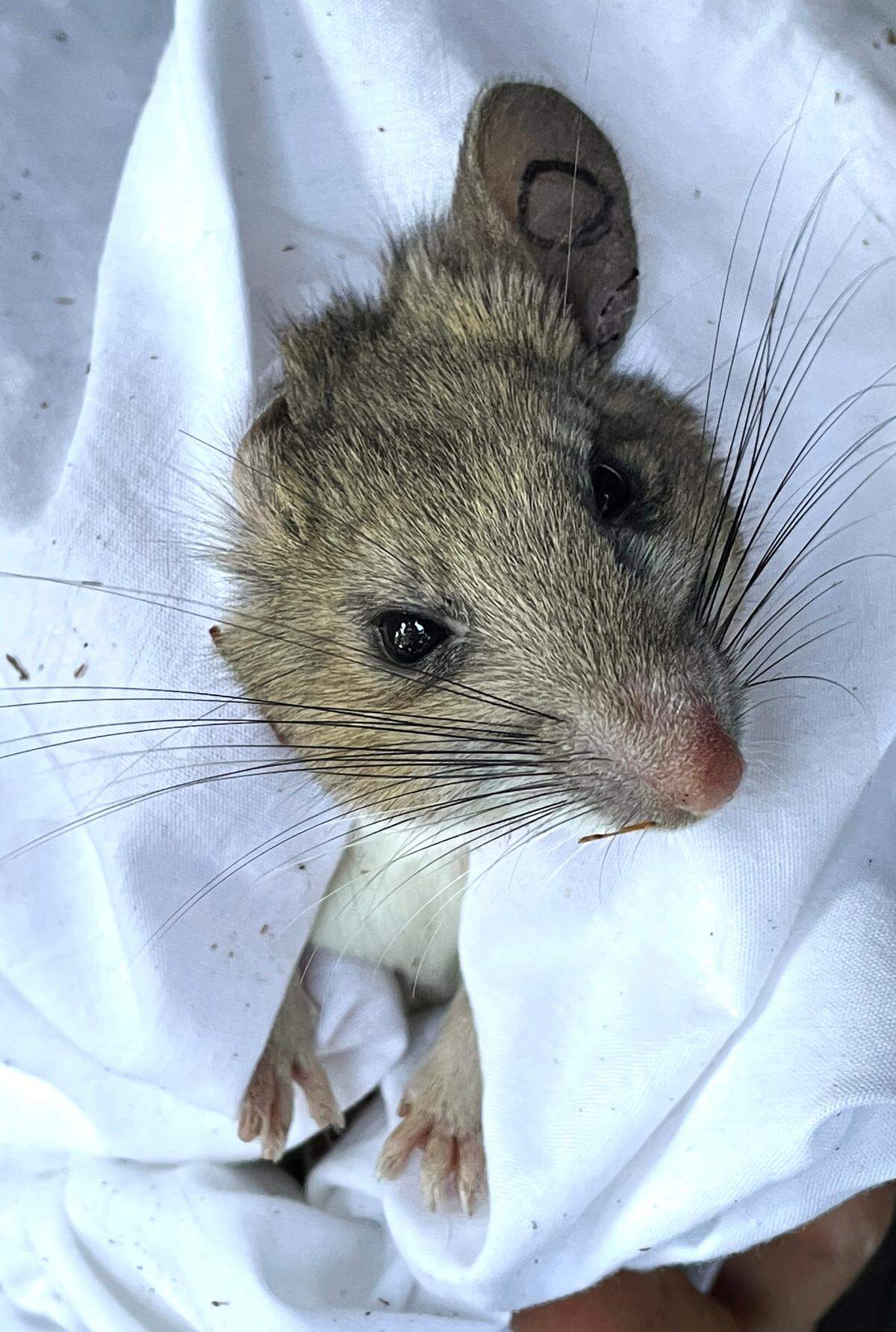
Most people wouldn’t rejoice at seeing a rat. But with rounded ears, a bulbous body, chubby cheeks, and cinnamon and gray coloring, the riparian woodrat appears more cute than contemptible.
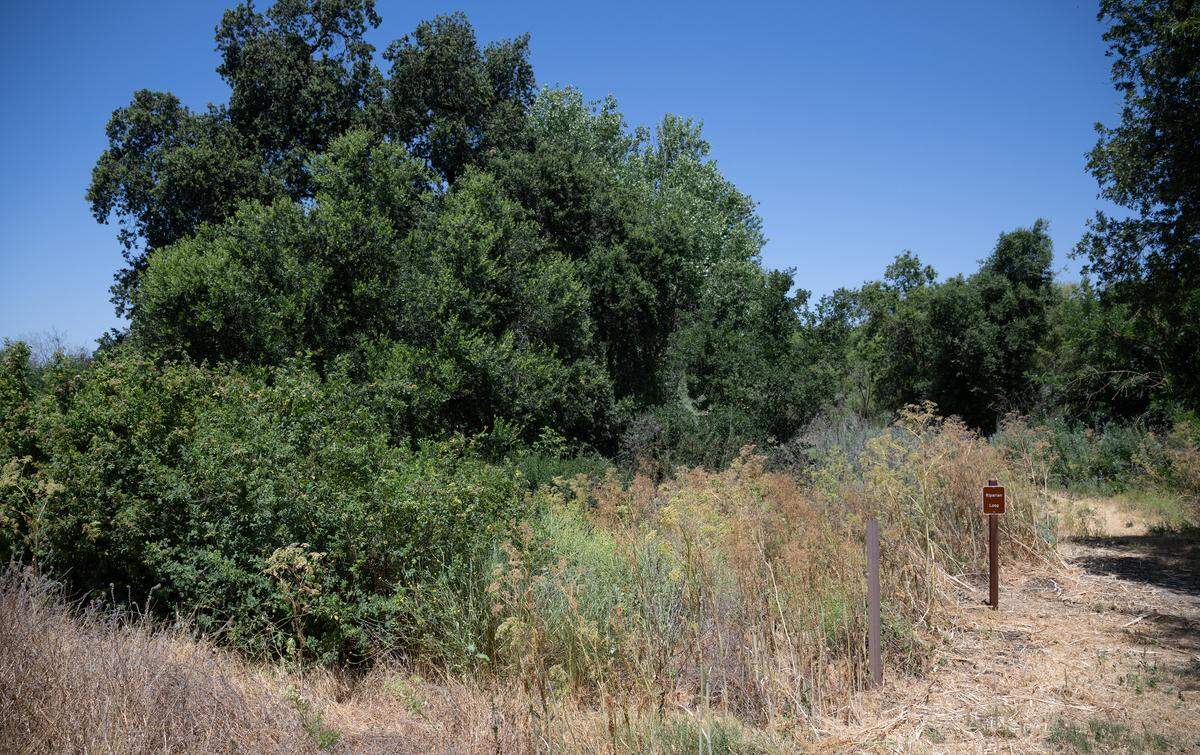
In October, biologists discovered something remarkable during a routine check of traps set at the San Joaquin River National Wildlife Refuge to catch and survey the endangered riparian brush rabbit, which also is unique to this region.
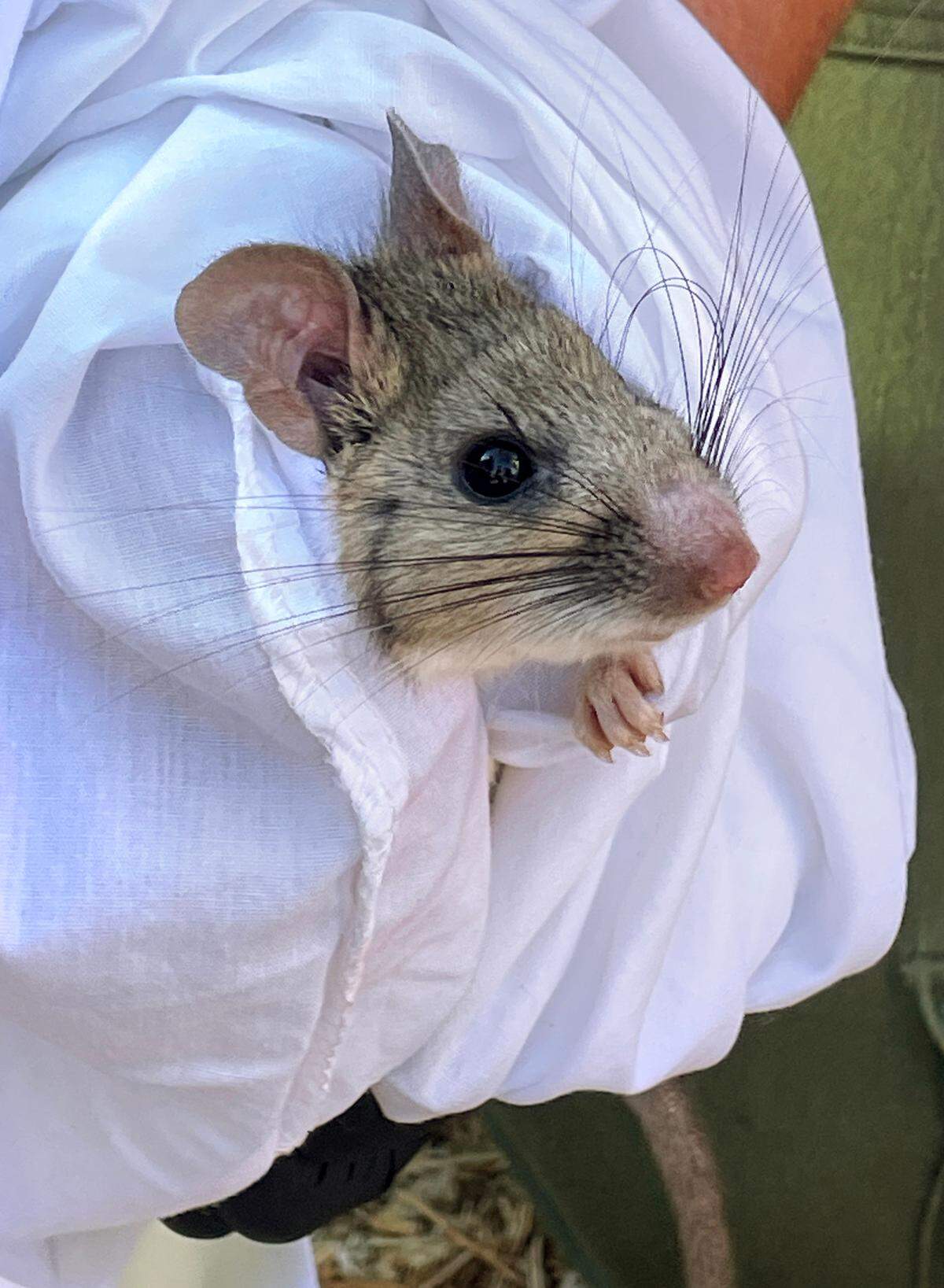
“We approached it and did a double take because we were just looking at their rumps, and if you don’t see their tail right away, it could look like a rabbit,” said Jaime Rudd, director of the Endangered Species Recovery Program (ESRP) at California State University, Stanislaus.
“Then it turned around, and we were like, ‘Well, that’s not a rabbit head,’ and it’s definitely not a black rat. After years of hearing about them being out here, and then to actually see one, it’s like a unicorn sitting right in front of us, and he’s beautiful,” she said.
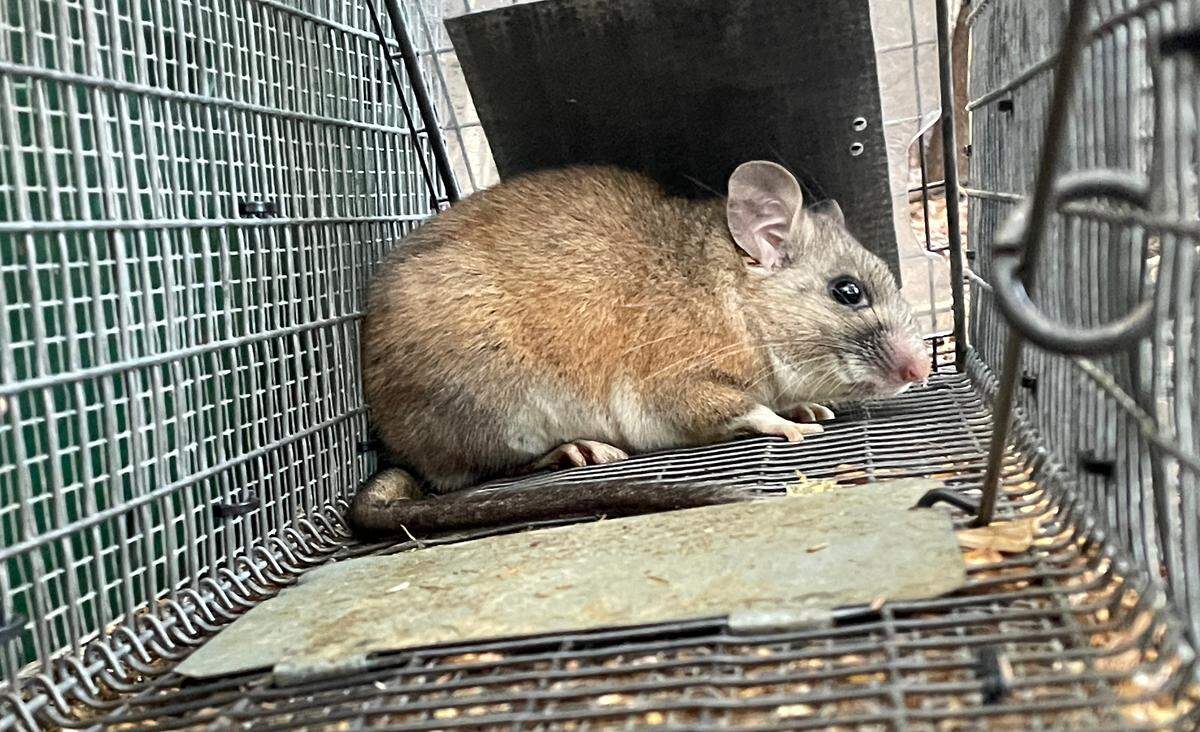
Rudd described making many excited calls that morning, and after marking the male woodrat, it was photographed and released. As she continued checking the rest of the traps, Rudd and her team were surprised again. “We walked to another trap, and sure enough, there was another woodrat, an adult female,” she said. “We caught two woodrats on that trap line that morning. And it was just really, really exciting.”
This endangered rodent is unique to our region, found only in the San Joaquin River National Wildlife Refuge and Caswell Memorial State Park along the Stanislaus River in Ripon; it had not been observed since 2017.
Researchers feared the population was gone after no sightings in eight years and flooding in 2017 and 2023 that threatened its habitat. The restoration ecologist for River Partners, Haley Mirts, said research suggests the woodrats survived these threats by adapting to the environment.
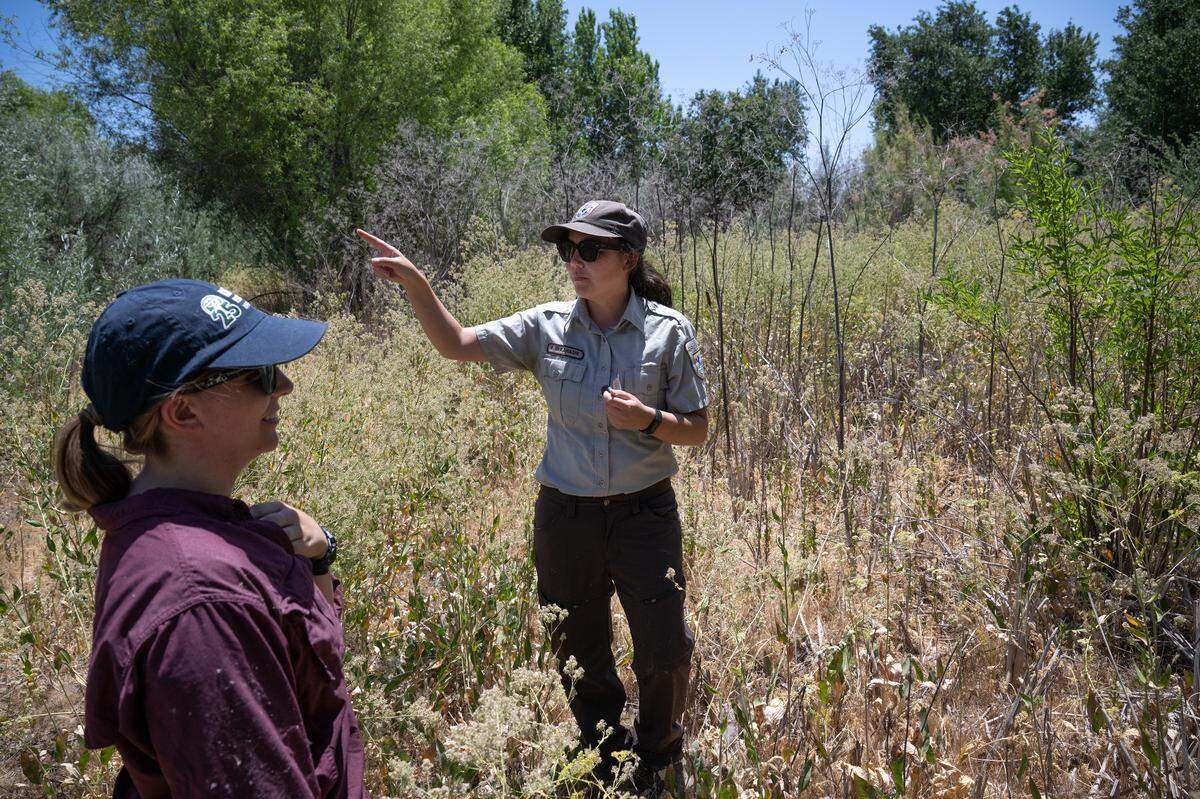
“We’re in an area that floods really frequently,” she said. “Woodrats in other parts of the state aren’t known for being super arboreal, but we think they’ve adapted to living in the trees and then feeding a lot off of the trees.”
Riparian woodrats live in communities and build structures called middens that have multiple rooms and tunnels. The lack of these nests further supports that the woodrats started living elsewhere, or were extinct, as they previously feared.
The riparian woodrat is also called the San Joaquin Valley woodrat. According to the U.S. Fish & Wildlife Service, genetic studies suggest the rat is the result of breeding between dusky-footed woodrats near the coast and big-eared woodrats found in the Sierra. Its habitat likely ranged throughout San Joaquin and Stanislaus counties but its population diminished due to loss of habitat, predators like the invasive black rat, flooding and wildfires, among other factors.
Upon the discovery of the riparian woodrats in the traps, ESRP and River Partners worked with the U.S. Fish & Wildlife Service to initiate a camera survey in January. Riparian woodrats are nocturnal, so the team hoped to catch images of them during their active hours.
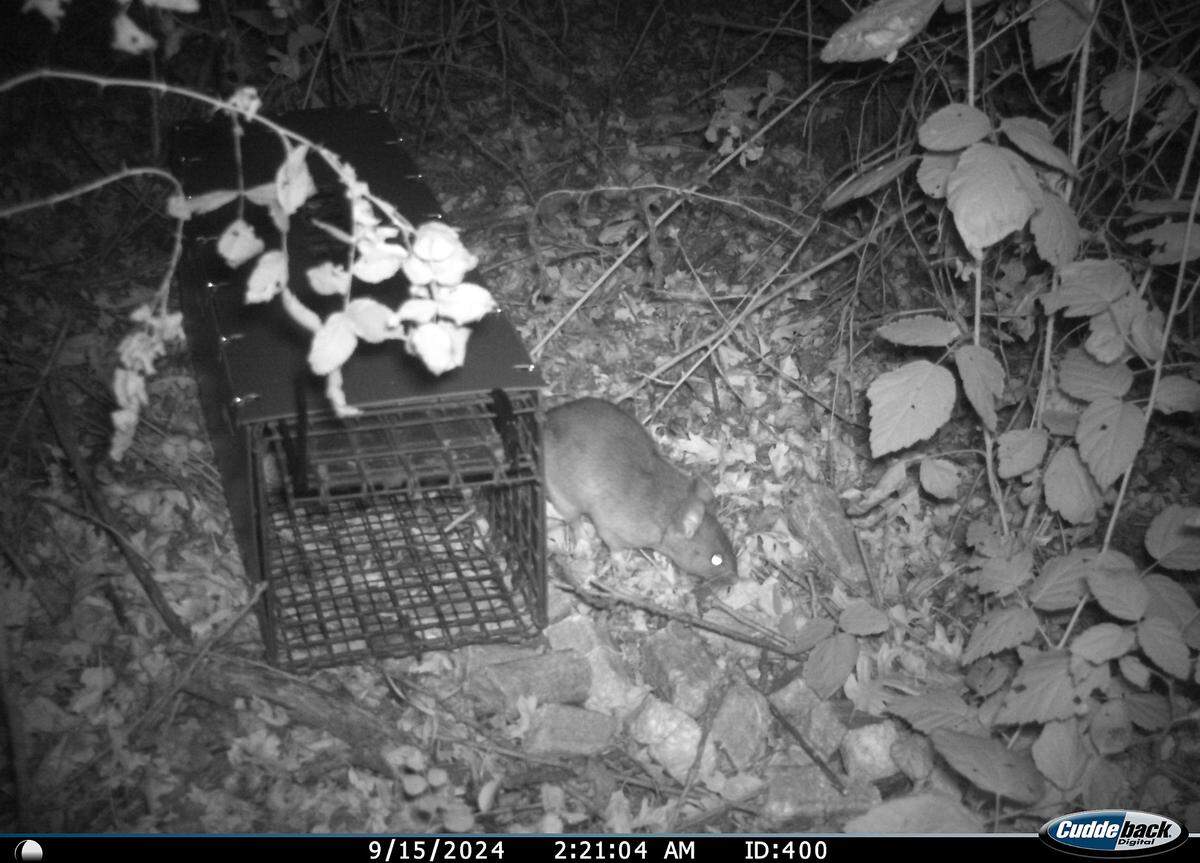
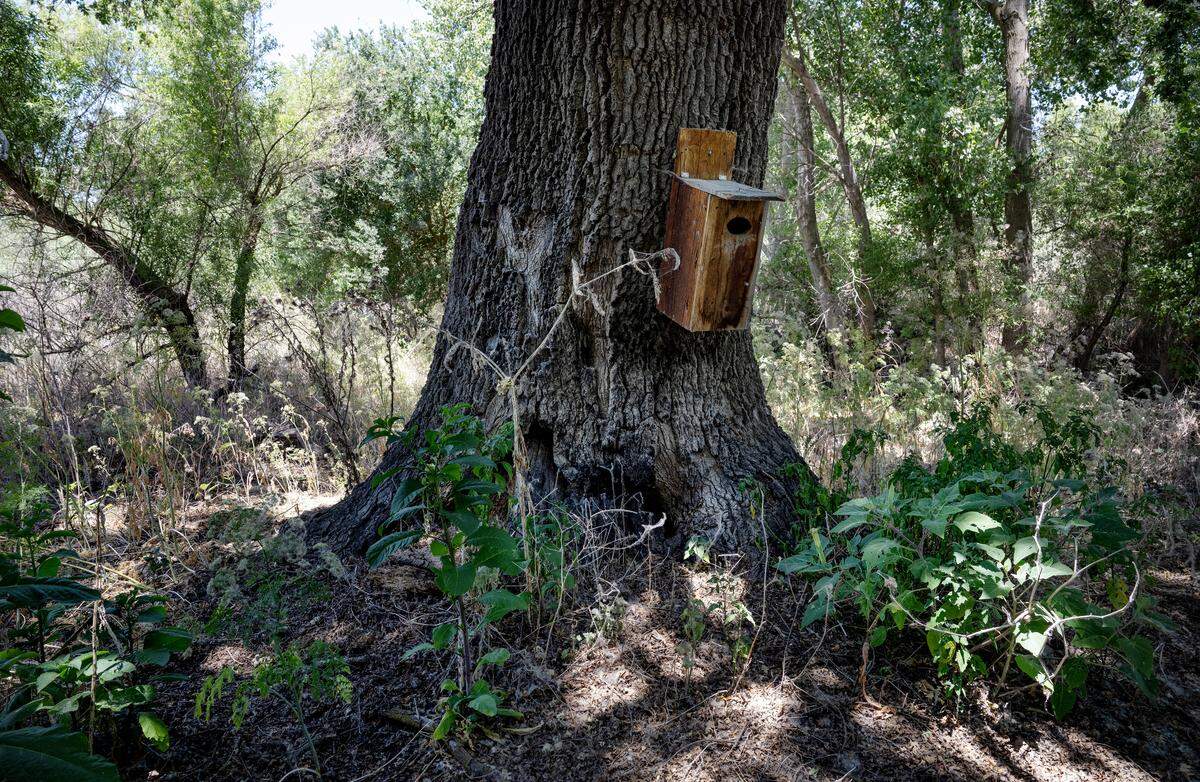
Several cameras were set up throughout the reserve, including the areas where the woodrats were trapped. The cameras caught several appearances of the animals, but only on a few cameras. Mirts said it is hard to estimate how many woodrats are in the reserve, but knowing they are there is the first step to helping them thrive again.
In previous years, River Partners and ESRP have been instrumental in efforts to protect and bolster the endangered riparian brush rabbit by creating recovery plans with breeding programs, and vaccination efforts to protect them from disease. Future efforts to institute recovery programs for the woodrats may not be possible as funding for ESRP has been recently halted after a re-review in January.
“Unfortunately, we’ve been hit really hard with a lot of the federal funding freezes, and so our program is looking to end,” Rudd said. “It’s been very devastating for all of us. So we’re just trying to figure out ways that we can keep doing the work that we’re doing. We were right in the middle of three projects studying a fatal sarcoptic mange outbreak in San Joaquin kit foxes that we’ve been studying for the last 10 to 15 years.”
Rudd said they have written an appeal and have been working with local legislators to reinstate their funding since it was terminated abruptly after the Trump administration said the work did not align with its priorities. ESRP may have only a few more months before it must cease its work, which began in 1992.
For now, Rudd said she hopes that the continuing partnerships that include River Partners and U.S. Fish & Wildlife Service will continue their work in preserving and protecting the riparian woodrats.
She suggested ways the public can help, including contacting local legislators and advocating for the protection of these public spaces.
Mirts added that the public should take pride in protecting the riparian woodrat and ensuring it does not become extinct. “This is the only place that it’s found. It’s a hyper-local species,” she said. “There’s still so much we don’t even know about them, that’s just such a shame if that were to happen.”
For more information about the San Joaquin River National Wildlife Refuge and ways to help, visit riverpartners.org/project/san-joaquin-river-nwr.
This story was originally published June 21, 2025 at 5:00 AM.