We tag along as rabbit vet vaccinates an endangered species at a Modesto-area refuge
A virus threatens an endangered rabbit species that has hung onto scraps of habitat west of Modesto.
The riparian brush rabbit long has contended with flooding, predators and conversion of nearly all of its natural range to farming. Since 2020, it also has faced rabbit hemorrhagic disease, which can kill both wild and domestic animals.
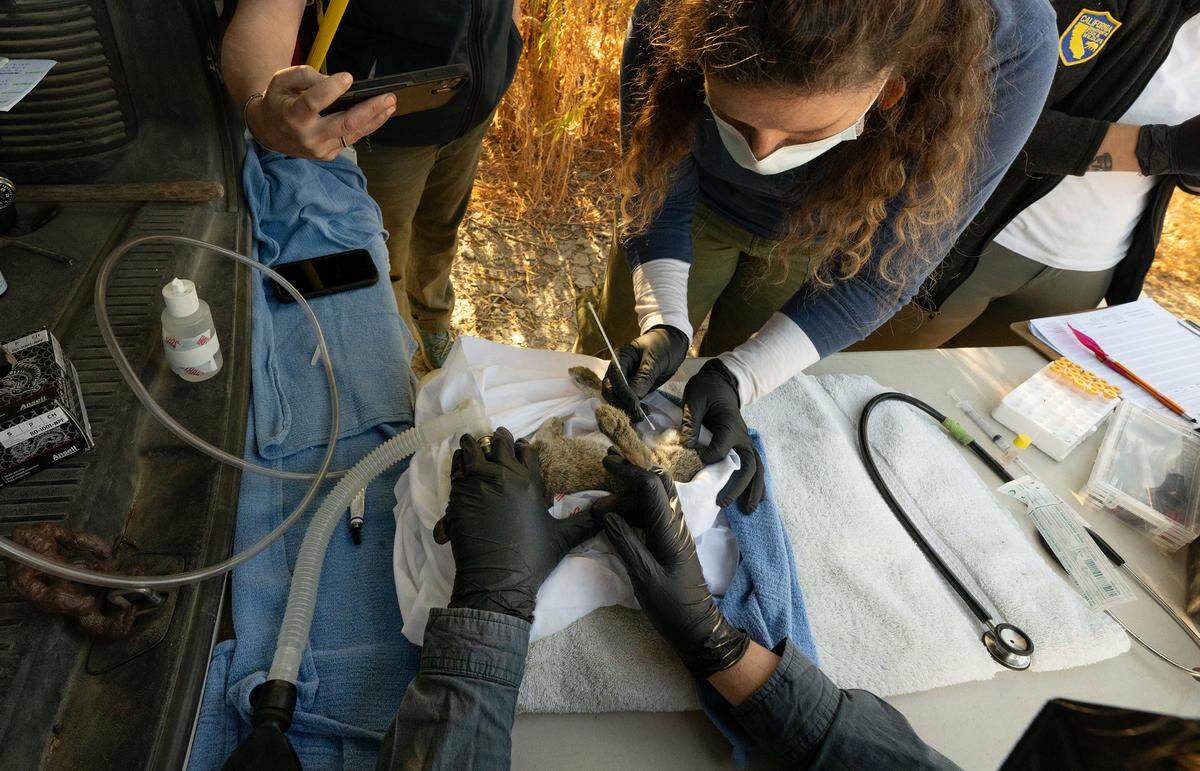
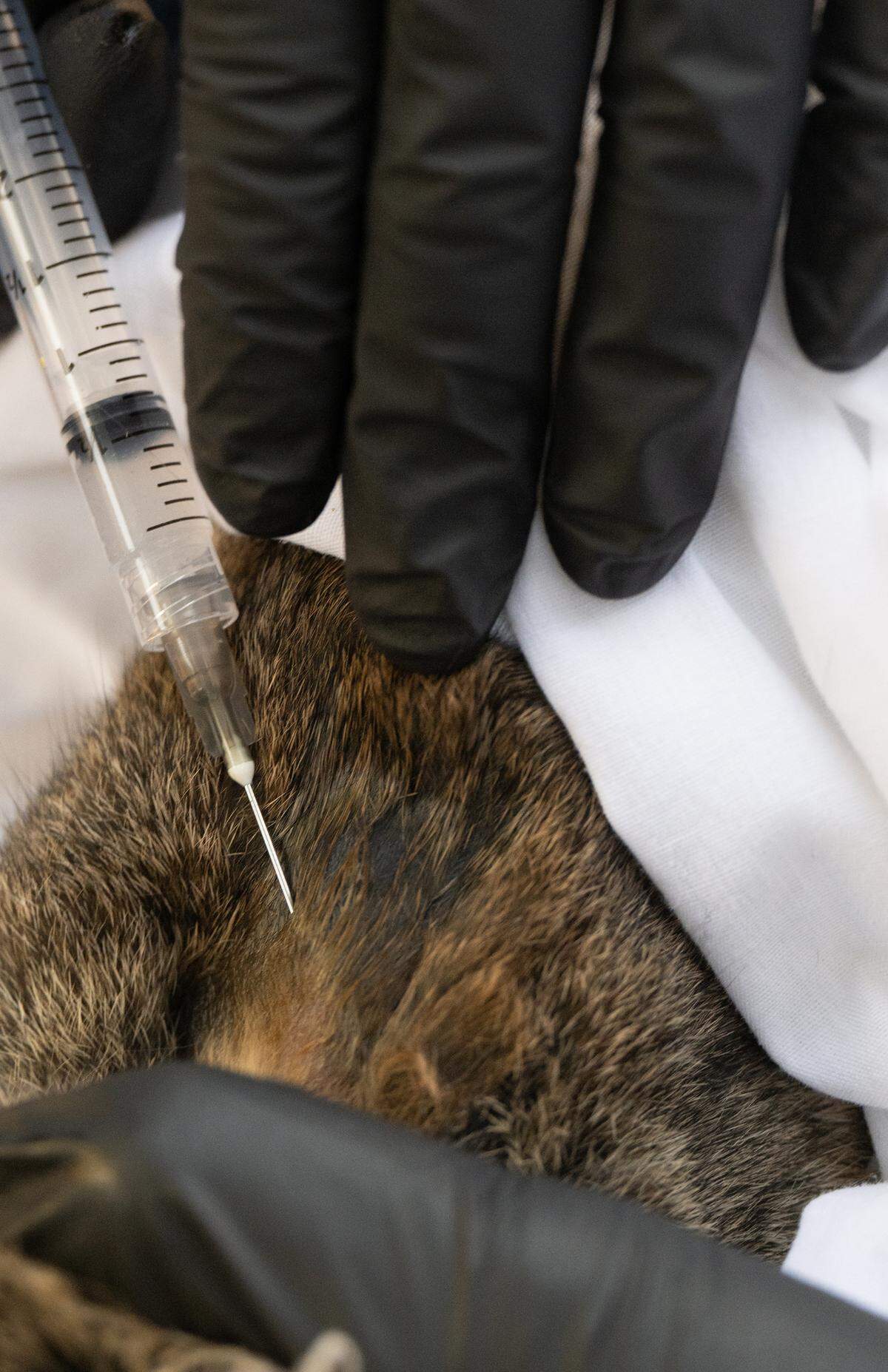
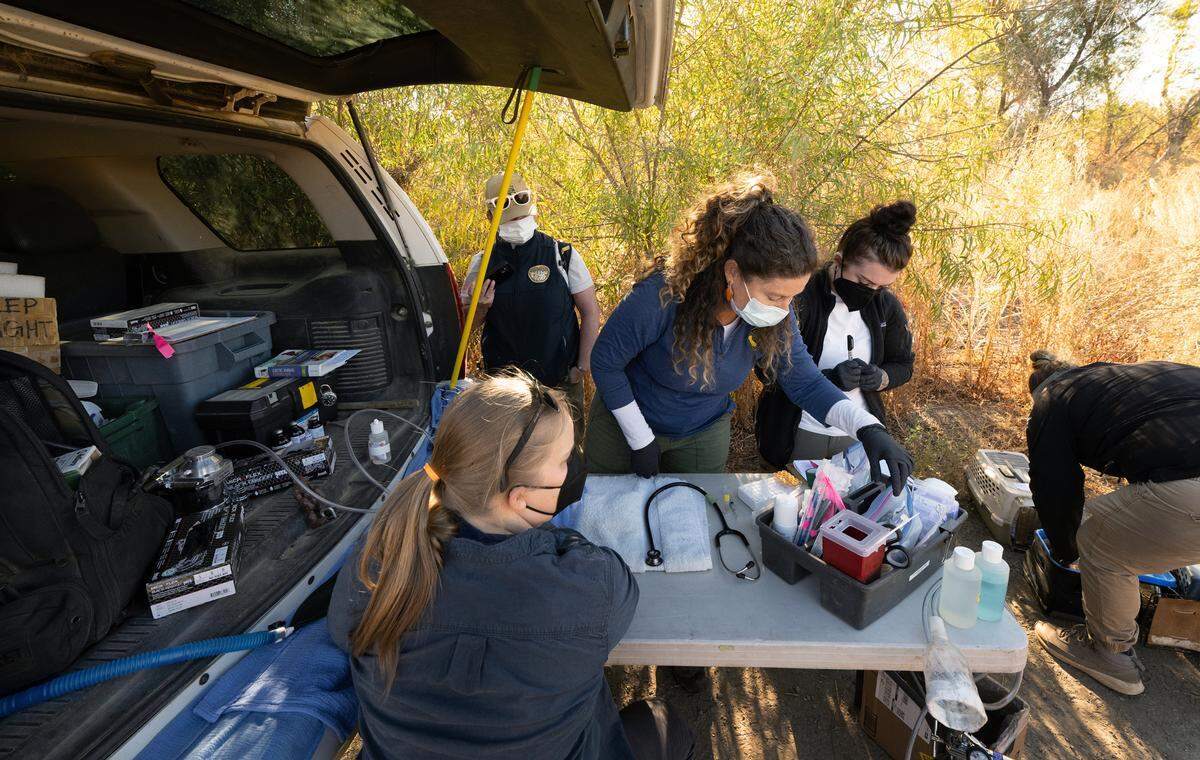
Vaccines can help, which explains why about 20 people turned out Oct. 24 at the San Joaquin River National Wildlife Refuge. They gently captured a few rabbits and prepared them for the needle. It was inserted near the scruff of the neck by Deana Clifford, a senior veterinarian at the California Department of Fish and Wildlife.
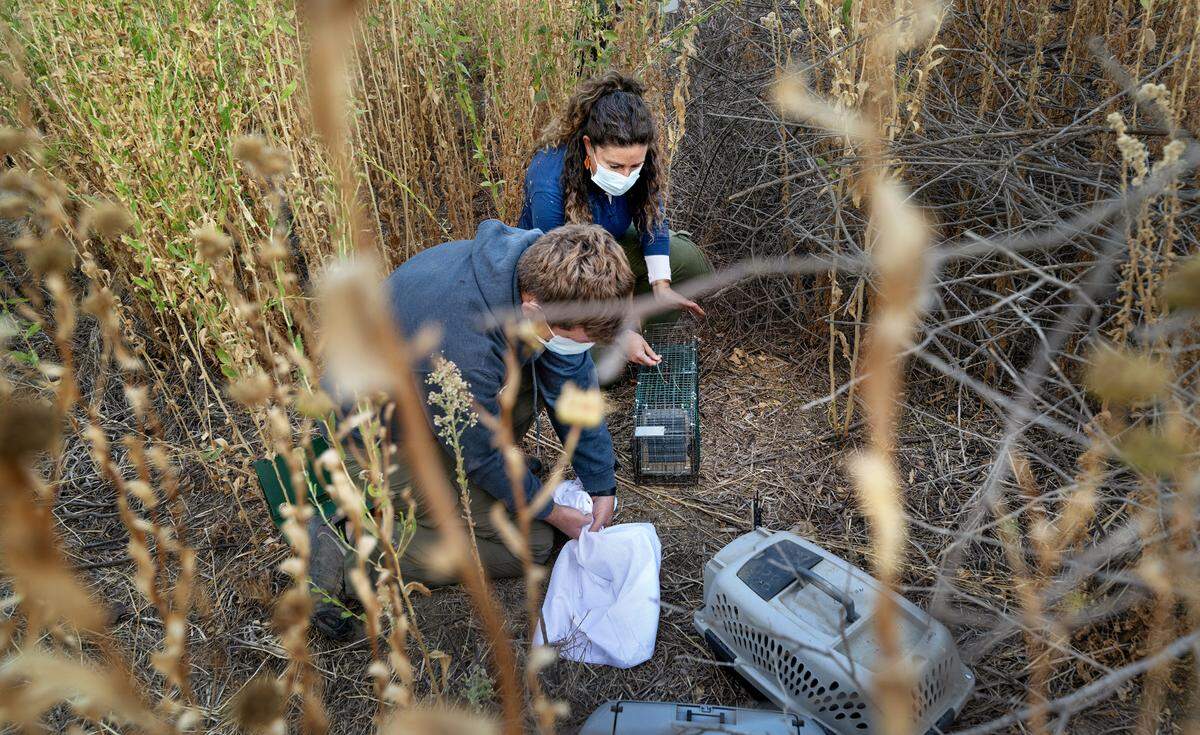
“There’s not very many of them,” she said, “and we were worried that when this virus comes through, it could really impact the population ...”
The effort takes place amid a sharp downturn this year in refuge rabbit numbers, mainly due to the 2023 flooding. They went from an estimated 3,532 in the winter of 2020-21 to 352 this past spring, said Jackie D’Almeida, public affairs specialist at the U.S. Fish and Wildlife Service.
She cautioned in an email that the count is “fairly rough.” The rabbits tend to hide from researchers and the general public.
Rabbit lives where three rivers join
The rabbit occurs only along the lowest few miles of the Tuolumne and Stanislaus rivers and nearby in the San Joaquin. It once numbered perhaps 10,000 but declined to a few dozen by the 1990s. It has been on the federal Endangered Species List since 2000.
Most of the habitat is on the 7,500-acre refuge. Some rabbits have been spotted at the new Dos Rios Ranch State Park, a 1,600-acre expanse where the Tuolumne joins the San Joaquin. Others are at the 258-acre Caswell Memorial State Park on the Stanislaus and at the private Oxbow Preserve on 30 acres in Lathrop.
The trailside vaccine clinic included the state and federal wildlife agencies, the Fresno and Oakland zoos and the nonprofit River Partners. Another ally in the effort — the Endangered Species Recovery Program at Stanislaus State University — was not on hand on that brisk morning.
Only one brush rabbit got the vaccine, but the team has until December to get to others. It began in September and hopes to be done before the January-May breeding season.
The refuge had a few virus deaths in 2022 but has not been hit hard. Clifford aims to vaccinate 15% to 20% of the rabbits, which also could develop antibodies that provide natural immunity. There is no cure for the rabbit hemorrhagic disease virus, which can kill swiftly, according to Cornell University in New York state.
Clifford said the vaccinations seek “to provide an insurance against extinction and to try to keep enough individuals that they keep reproducing even if we get some outbreaks of disease here.”
Why care about a single species?
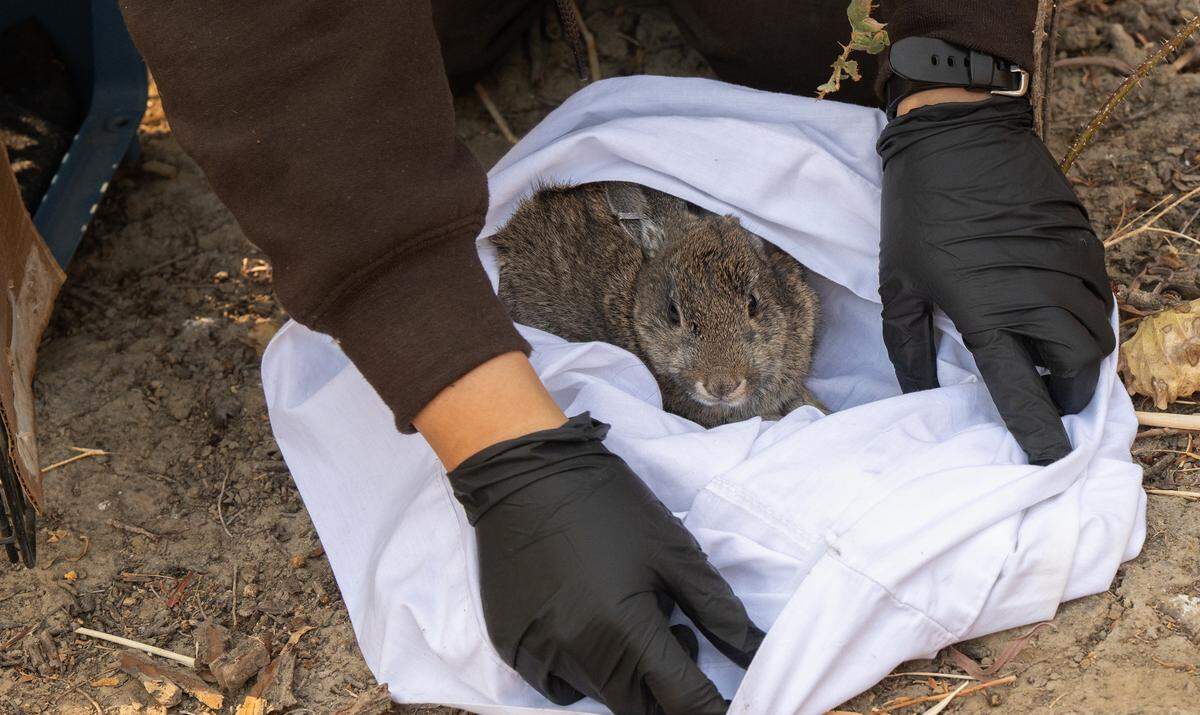
Riparian brush rabbits share habitat with two much more common species — the desert cottontail and the black-tailed jackrabbit. The endangered ones are smaller and have more uniform grayish-brown fur.
A bunny is a bunny, skeptics might say of this effort to preserve a slim portion. The world has 29 species, including 13 brush rabbits of various types, eight of them in California.
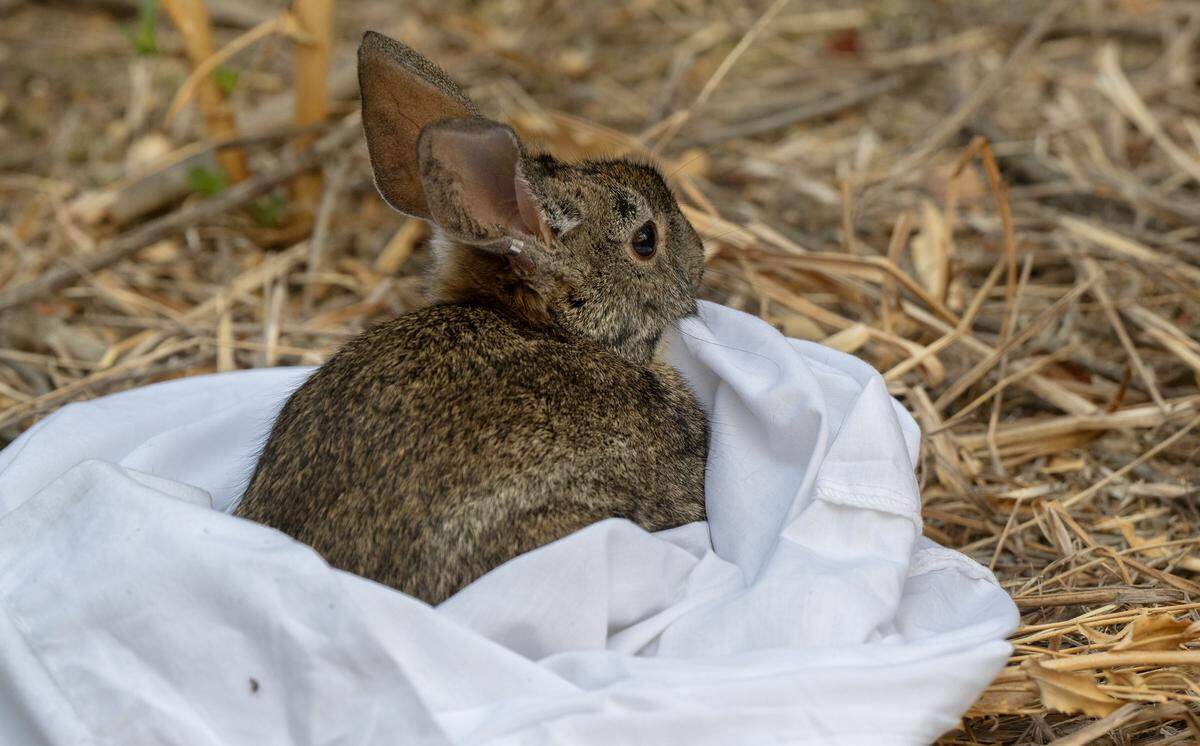
Supporters say each species has evolved to endure its own set of pressures. And this diversity helps ensure the proper balance of predator and prey, both of which after death decompose into nutrients for plants.
Zoology professor Patrick Kelly, then-coordinator of the Stan State program, expanded on this in a 2014 story in The Modesto Bee.
“Ecosystems are like machines; their parts (species) are interrelated,” he said in an email interview. “The loss of even one key species can have a domino effect on other species and thereby change the character and functioning of the ecosystem. Therefore, we need to try to preserve intact ecosystems and not pick and choose which species we like and which we do not.”
The program has worked since 1992 on endangered animals and plants around central California. It helped with the captive breeding of riparian brush rabbits that later were released on and near the refuge. It continues to monitor the population.
Fresno and Oakland zoos lend expertise
The Oakland Zoo took part in the captive breeding and provided some of the helpers for the Oct. 24 vaccination effort. Fresno Chaffee Zoo sent its own experts in handling small mammals. So did River Partners, which has restored Dos Rios and other sites out of its Modesto branch office.
These places offer watery habitat in main river channels and floodplains for hundreds of plants and animal species. The endangered rabbits prefer upland zones with dense brush. They eat grasses and other small plants. They seek shelter from predators such as hawks, owls, coyotes and raccoons.
Most refuge animals thrive during floods, but not the riparian brush rabbit. Last year’s runoff lifted the San Joaquin into the tree canopies, prompting rescues via kayak by refuge employees and others. Earlier floods prompted the construction of mounds, about an acre in size, that keep rabbits above water in most years.
In drier times, wildfire can scar the habitat, and pollution always is a threat, Clifford said.
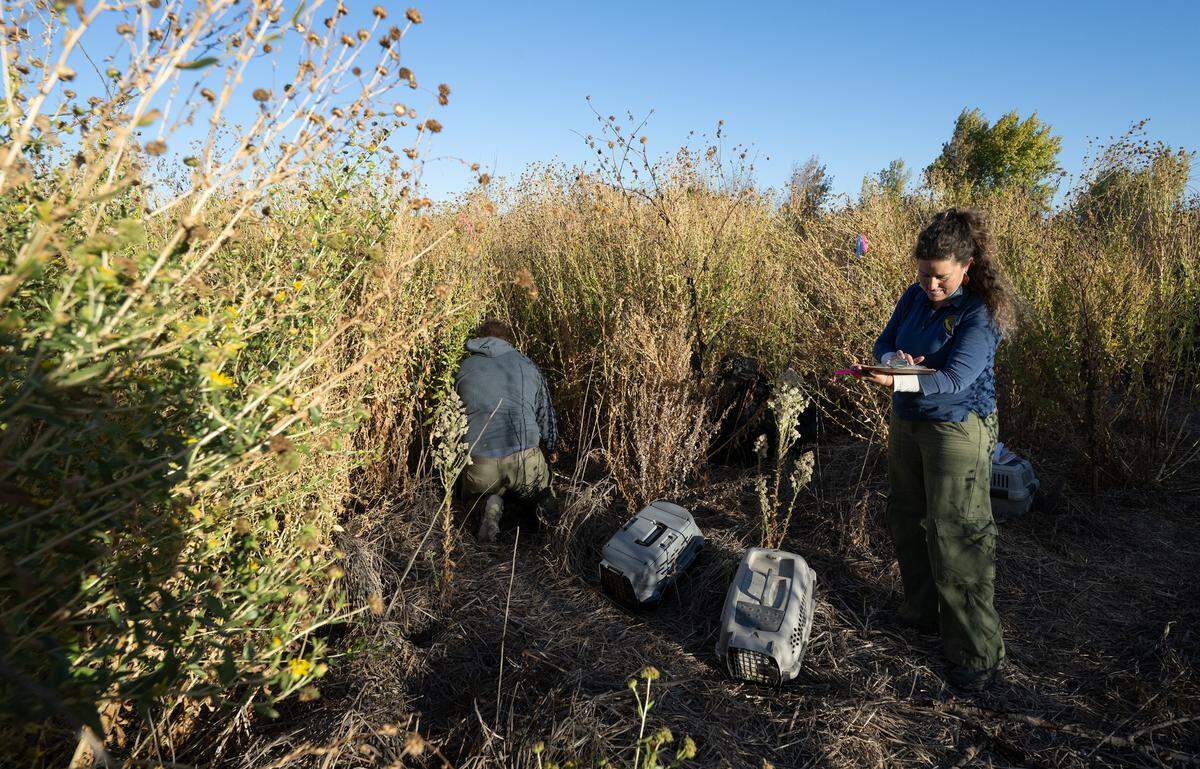
The vaccine clinic ran from about 7 to 10 a.m. and involved 30 of the 120 traps on the refuge. They were baited with pellets of alfalfa, grains, molasses and applesauce. The steel enclosure has enough room for the animal to stretch its limbs and turn around.
The traps had been set at spots where ground-mounted cameras recorded earlier rabbit activity. The team conversed softly and stepped lightly on the dry autumn leaves so as not to further stress the captured animals.
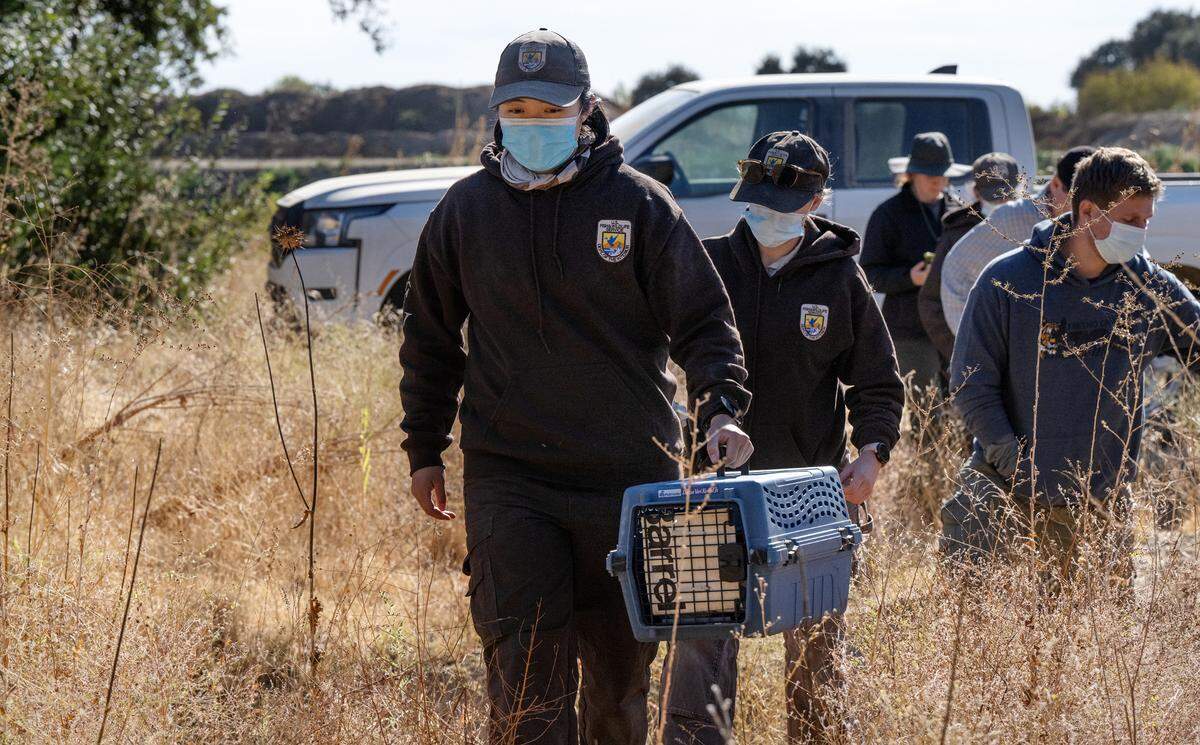
A team member uses a white pillowcase to catch each rabbit as it emerges from a trap. It then goes into a pet-type crate that is carried to the vaccination station, at the back end of a large SUV.
Just how do you inject a rabbit?
The first patient was a female identified as 61328 on her ear tag. Clifford began by having the rabbit inhale a mild anesthetic. She slumped a little and appeared to doze through the shot, the pillowcase still around her.
Other team members cradled 61328 like a human infant as she emerged from sleep over about 15 minutes. A shady spot is best for this step, especially on early October days that reached 100 degrees.
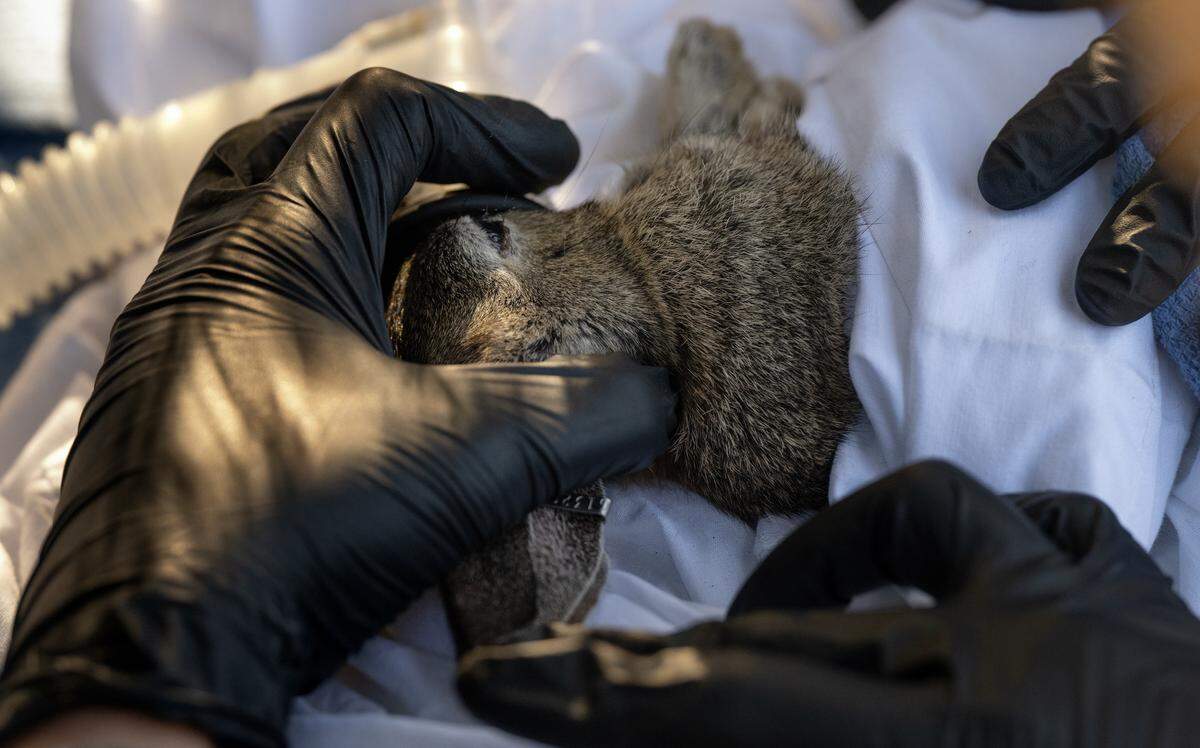
No. 61328 was then placed back in the crate and taken to the spot where she had been trapped. She stepped from the pillowcase, then darted and was quickly out of sight.
The vaccine clinic includes blood and fecal samples as part of the virus tracking. The team notes age, weight, hind leg length and whether a female has reproduced. The traps also caught two cottontails, which were examined and vaccinated to help contain the spread.
Can people catch rabbit virus?
Rabbit hemorrhagic disease does not sicken people, but the animals can transmit the virus to other wild and domestic bunnies. The vaccine is available for rabbits kept as pets or for county fair competitions. The public can report cases to the federal Animal and Plant Health Inspection Service.
Cornell University said the virus first was detected in 1984 in rabbits exported from Germany to China. It reached the United States in 2018 and is now in 10 states, mainly in the West.
Rabbits can survive in some cases, but others can die within 12 to 36 hours of exposure. The symptoms can include convulsions, bleeding, fever and breathing trouble. Domestic owners can monitor them closely, but many wild rabbits perish unseen.
The refuge team wore gloves and face masks when trapping and handling rabbits for shots. Afterward, members sanitized the crates, the soles of their shoes and the tires on their cars.
Some hope lies in the fact that riparian brush rabbits reproduce like, well, rabbits. A female can have as many as four litters totaling 16 babies during breeding season, according to the federal wildlife agency. But just one in six reaches breeding age later in the year even under ideal conditions, mainly because of predators.
Clifford said the vaccinations could help ensure that the public has a chance to encounter this special kind of rabbit. “It survived losing almost 98% of its habitat, but it’s still here, clinging to some of these places.”
This story was originally published October 30, 2024 at 1:00 PM.