A look into Stanislaus County’s rich LGBTQ history: quiet beginnings to an era of acceptance
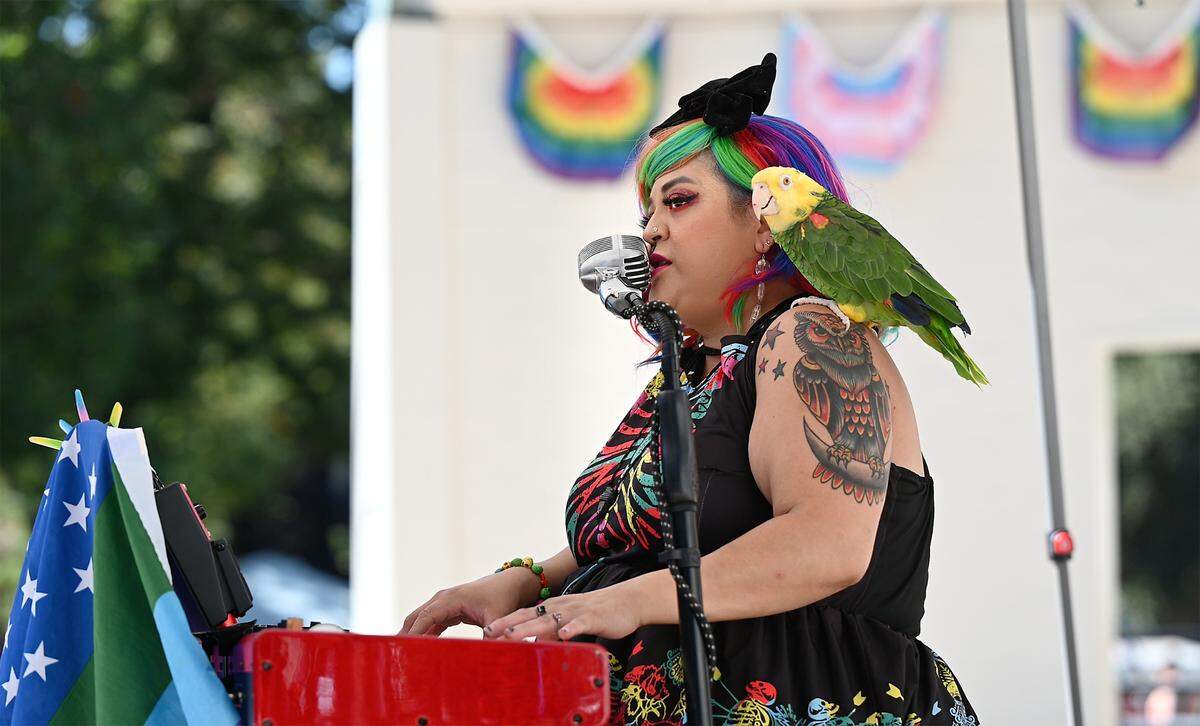
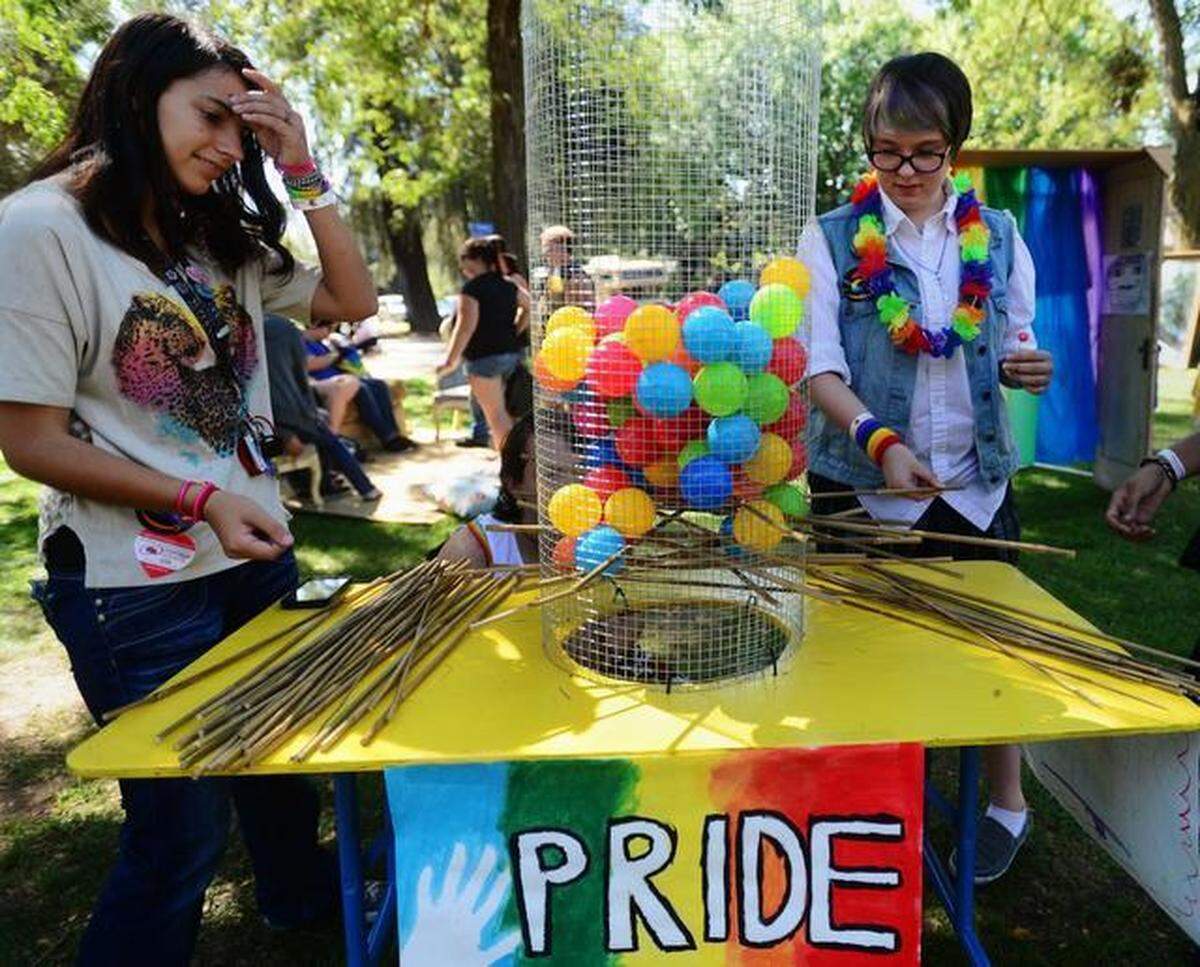
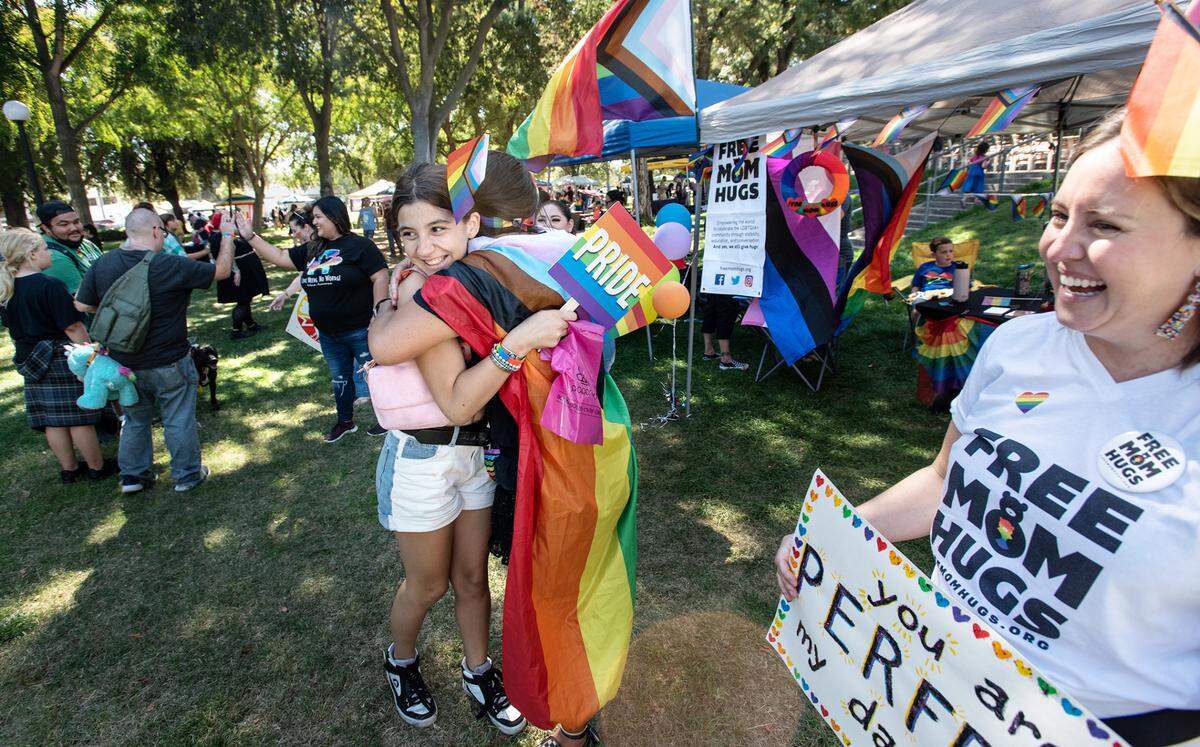
As MoPride, or the Central Valley Pride Center, celebrates its 10th anniversary as a nonprofit this Saturday at Graceada Park, it’s an opportune moment to reflect on the vibrant history of the LGBTQ community in Stanislaus County.
When the county was established in 1854, same-sex couples already were living together quietly. However, local historians David Seymour and Keith Highiet emphasize that it wasn’t until the 1960s that significant public expressions of LGBTQ life began to emerge, marking a turning point in the community’s visibility and activism.
They helped document the county’s rich LGBTQ history in the McHenry Museum and Historical Society’s June 2023 monthly.
The 1960s: A quiet beginning
Modesto-born poet James Broughton was an early-known openly bisexual resident of Stanislaus County, and a prominent figure in the San Francisco Renaissance. Broughton’s family ties to local politics were significant, with his aunt, Esto Broughton, becoming one of the first women elected to the California Assembly in 1918.
At the same time, Merlin “Mel” Nomann and John Crabb, a couple who lived together for 55 years, played a key role in fostering the local LGBTQ community. They helped establish “Birds of a Feather,” a group for gay men and women that began in the late 1960s and expanded under R.J. Moriconi, a professor at CSU Stanislaus.
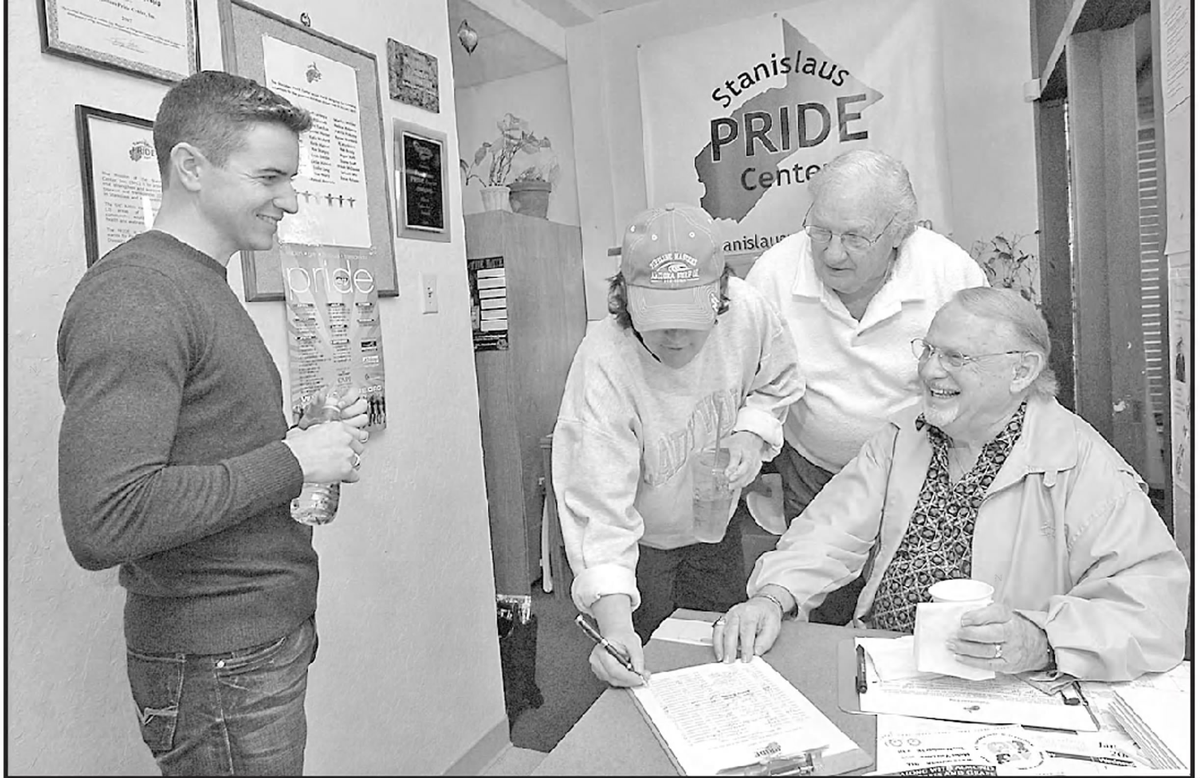
The group, which gathered annually at the Oasis Restaurant in Modesto and later on a ferry boat in Stockton, raised funds for scholarships and fostered community involvement, providing a safe space for LGBTQ professionals.
In 1967, Hunter Creasman, known by his drag persona Christina, founded the Owl Empire of Stanislaus County Inc. in Modesto. This nonprofit group became the second chartered chapter of the International Imperial Court System, following the first, which was established in San Francisco in 1965.
The OESCI offered a vital space for the local LGBTQ community — particularly drag performers — to express themselves freely and openly in a safer, supportive environment.
The group held annual coronation ceremonies, celebrating the crowning of local emperors and empresses and helped foster community through fundraising and events. The event gained popularity, with early ceremonies held at the Holiday Inn in Modesto, where out-of-town attendees would stay for the weekend. The hotel’s indoor atrium and pool contributed to Modesto becoming an early drag tourist destination.
The 1970s: Foundations of community
In 1970, Modesto saw the opening of its first gay bar, The Mustang Club, thanks to Florence “Shirley” Owens, a previously married mother who came out as a lesbian later in life.
Located at 413 N. Seventh St. in Modesto, the bar previously had been a segregated establishment for Black patrons. To protect her customers from potential law enforcement action, Owens installed a switch behind the bar that would flash a light if an unfamiliar person entered, signaling same-gender couples to switch to dancing with opposite-gender partners. Unwritten, informal laws were enforced by local law enforcement as code during the 1970s.
The Brave Bull, on Modesto’s South Ninth Street, opened in 1973 and became a gay bar the following year under the ownership of Casey Lubbers. The bar also welcomed notable figures, including drag performer Divine and San Francisco gay rights activist Harvey Milk. It remains in business today.
The Stanislaus Gay Alliance was founded in Modesto in 1979 by Jo McCarthy and her then-partner, Connie McIlroy. The SGA met regularly, organized social gatherings and hosted a weekly Alcoholics Anonymous group called Gay Alcoholics Together.
McIlroy, who now lives in Manteca, said it was a nice way for people to get to socialize without having to go to the bars. It also helped when the AIDS crisis hit because a sense of community was established locally.
McCarthy launched the Stanislaus Gay Alliance Newsletter, a monthly periodical, which covered topical items and announced gay-friendly activities in the area.
The 1980s: Resilience in crisis
The 1980s brought devastating challenges to the LGBTQ community in Stanislaus County as the AIDS crisis took hold. Local groups including the SGA had to shift focus to prevention and support of the ill.
By 1985, just as the SGA celebrated its fifth anniversary with a presence in the San Francisco Pride Parade, the crisis overwhelmed the local gay community, leading to the group’s dissolution.
McCarthy and other volunteers worked to support AIDS patients, launching “Hand-to-Hand” in 1985, which eventually evolved into the Stanislaus County AIDS Project. SCAP provided vital services, including education, volunteer care and a telephone hot line, as Modesto became one of the American cities with the highest rate of AIDS cases by 1991, according to the CDC.
The crisis also sparked greater public awareness. Modesto Junior College hosted its first panel on gay and lesbian issues in 1987, with local therapist Patricia Sherman stepping up to represent the community. Although born from tragedy, the mobilization efforts during the AIDS epidemic helped strengthen local LGBTQ advocacy and health services.
Local religious institutions also began to embrace inclusivity during this time. Modesto’s College Avenue Congregational Church hired the first openly lesbian minister in the United Church of Christ movement, Diane Darling, and became a welcoming space for LGBTQ congregants.
The 1990s: Growing visibility
In the early 1990s, CSU Stanislaus established the Gay and Lesbian Student Alliance, with Cary Friedman serving as its spokesman. He led the group in a march for gay rights on campus in 1993.
In 1994, a Parents & Friends of Lesbians and Gays chapter was formed in Modesto, led by retired Beyer High School teacher Norman Rostad and Linda Warden, who had navigated her daughter’s coming out. PFLAG Modesto offered support groups, a helpline and participated in the annual Fourth of July parade, even putting up LGBT-positive billboards.
In the mid-1990s, teacher Tom Martin started a local branch of the Gay Lesbian Straight Teachers Network , which later became GLSEN. This organization helped Modesto City Schools send staff to an LGBT educational conference and raised awareness on these issues through training and resources. GLSEN also played a key role in getting the school board to extend protections for LGBT students against bullying.
Around the same time, gay-friendly clubs began to form in high schools. In 1996, Debbie Favalora Soro was asked to advise the first Gay-Straight Alliance at Johansen High School.
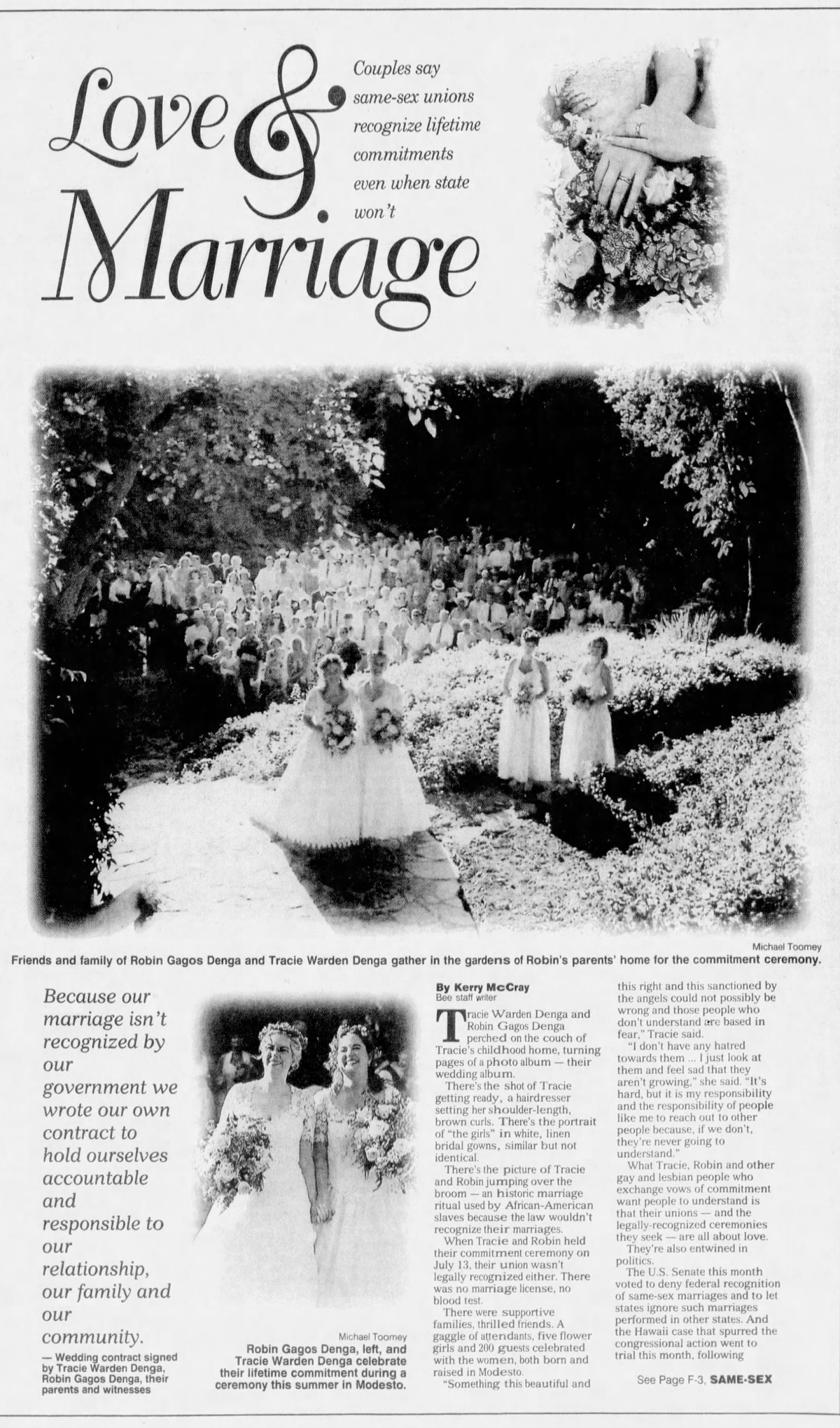
In September 1996, The Bee published a prominent article with photos of Tracie Warden and Robin Gagos’s wedding. While this marriage occurred before legal recognition for same-gender couples, it helped shift public perceptions locally.
The 2000s: Shifting paradigms
At the turn of the millennium, new education about LGBTQ issues began in Modesto. After speaking at high schools’ Day of Respect events, David Barbaree and Phil Langlois were invited to give formal “Homosexuality 101” presentations at CSU Stanislaus and Delta College, mainly to sociology students and future counselors.
This era also saw a more open LGBTQ identity. The Modesto Gay and Lesbian International Film Festival debuted in 2004, and a social group called The Birdcage began hosting monthly outings.
“I love it when I see young people walking down the street holding hands. It’s commonplace in like the city or something like that, but I love it when I drive by a local high school and see it. It makes me feel good,” McIllroy said.
By the mid-2000s, acceptance of gay culture increased, transforming the local gay bar scene. Cyriakus “Gus” Wagner revitalized the Tiki Cocktail Lounge in 2005, marketing it as a gay bar and attracting a supportive clientele. The Tiki remains a staple of the community.
In 2005, the Stanislaus Pride Center was established as a resource center for the LGBTQ community, offering support groups and counseling services. It held the first Stanislaus Pride Night in June 2006 and opened a permanent location six months later. In June 2007, they organized the county’s first public pride festival.
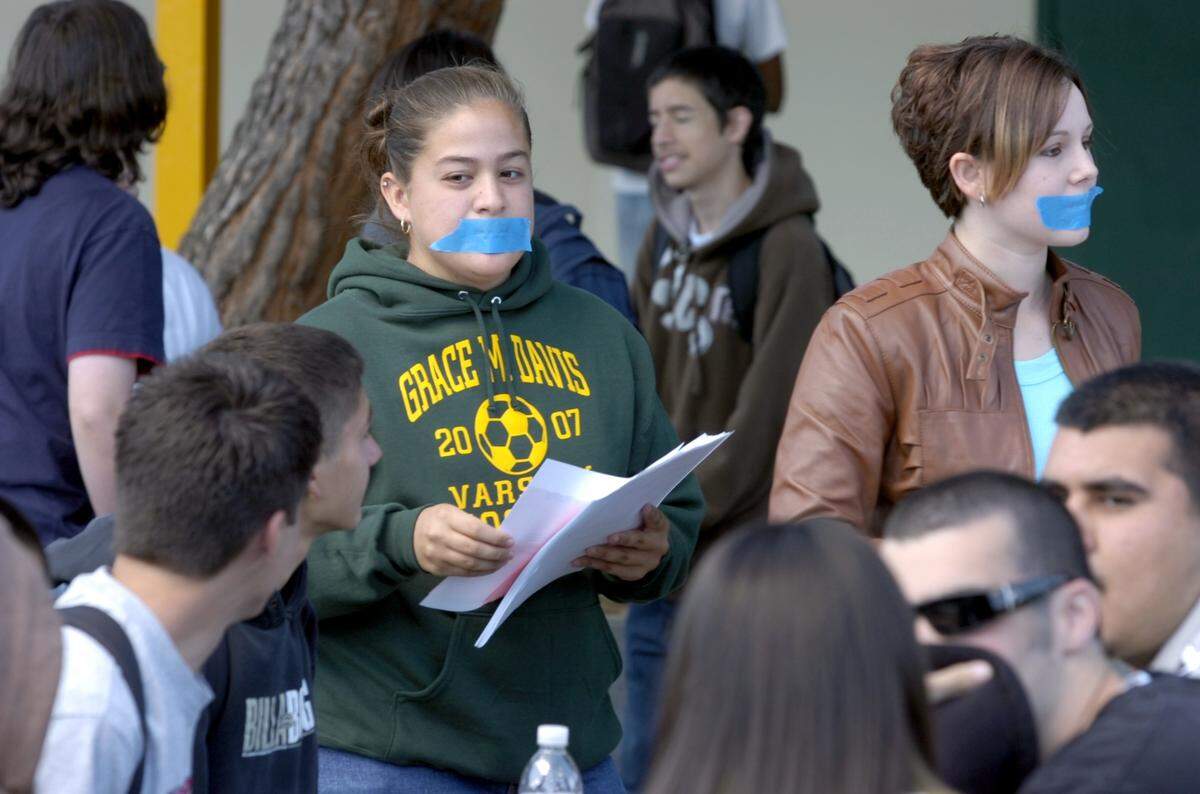
In 2007, Debbie Soro organized the first National Day of Silence in Modesto, where students wore blue tape over their mouths to raise awareness about LGBTQ bullying.
On June 17, 2008, Stanislaus County issued marriage licenses to 11 same-sex couples, including Beth Holden and Cynthia Soto, who later faced harassment. The Bee covered their civil ceremony and their religious ceremony that immediately followed at the nearby College Avenue Congregational Church.
The 2010s: New era of acceptance
In the late 2000s and 2010s, the LGBTQ community in Modesto saw an increase in gay bars. Jalito’s, a bar and dance club on Crows Landing Road, was the first to cater to a predominantly Spanish-speaking gay crowd. Climax Bar & Nightclub, opened by Rachel Baxter on Seventh Street, thrived until its closure in 2018.
The LGBTQ Collaborative launched a Rainbow Resource Center in Modesto and the Somos Familia Valle Center in Merced. The Rainbow Clinic was created to connect patients with trans-friendly doctors.
Politically, Gary Soiseth became Turlock’s first openly LGBTQ mayor when he came out in office in June 2018. In 2021, Cherilyn Bairos of Oakdale made history as the first openly LGBTQ person to win a mayoral race in the county. She continues to serve as mayor today.
In summer 2019, the anti-gay National Straight Pride Coalition tried to hold an event at Graceada Park, prompting dozens to rally against it at a Modesto City Council meeting. The council denied the permit, leading the group to organize annual protests outside a Planned Parenthood office.
Before passing away last May, Moriconi, who had done much to further local LGBTQ life locally, said “I think that the gay culture has changed for the positive in that we can be recognized, appreciated and valued.”
This story was originally published September 27, 2024 at 7:15 AM.