State halts diversions from the Tuolumne River. What that means for MID, TID water users
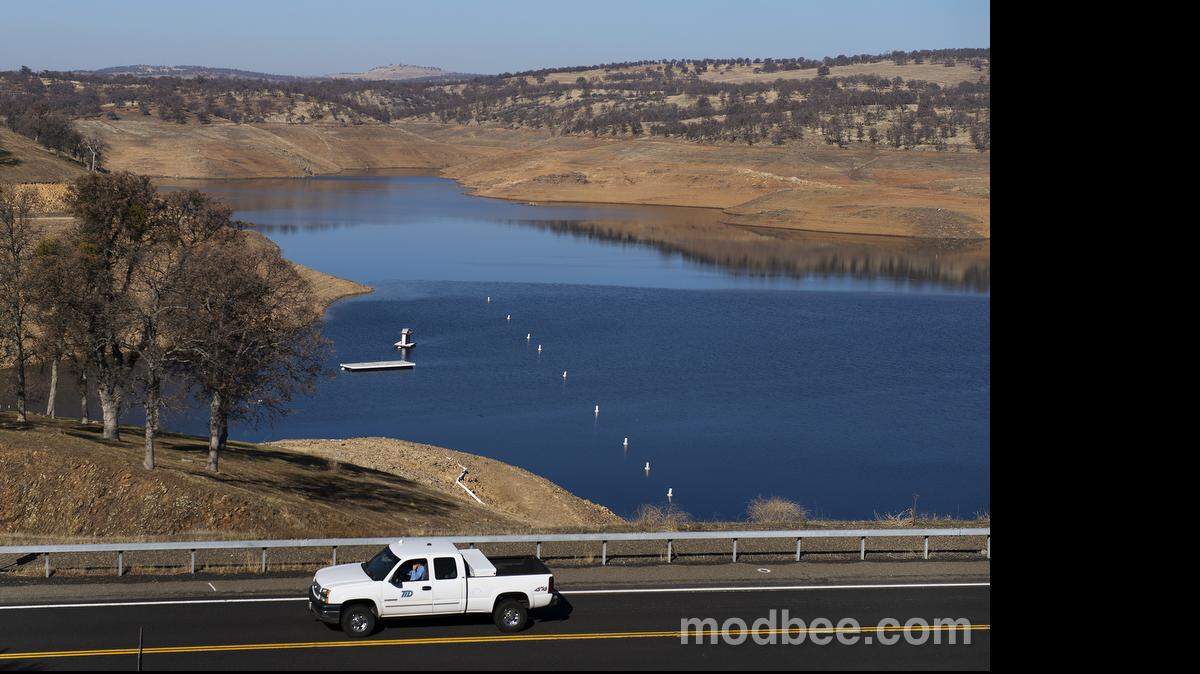
The Turlock and Modesto irrigation districts are among water right holders ordered by the state to stop diversions on the Tuolumne River and other streams that flow to the Sacramento-San Joaquin River delta.
“All of the water that flows off the mountains has to remain in the river and can’t be diverted for storage or irrigation purposes,” said Michael Cooke, director of regulatory affairs for TID, who explained the state drought orders Tuesday to Stanislaus County supervisors.
The State Water Resources Control Board issued the emergency “curtailments” Aug. 20 to 4,500 water right holders as the drought has drastically reduced California’s water supplies.
The Oakdale and South San Joaquin irrigation districts also received curtailment orders from the state board, stopping diversion of Stanislaus River water to storage until further notice.
Cooke made sure to point out the state orders do not affect water already set aside in Don Pedro Reservoir for water users and environmental purposes. The TID and MID can still deliver water for late season irrigation and other needs.
The big question is when, or if, the state board will lift the emergency order this fall so Don Pedro’s operators can begin filling the reservoir again for water users in 2022 including farms, fish and Modesto-area families.
“Our main concern is the order will not be lifted before the winter rains come,” Cooke said.
If a large storm is on the horizon, the districts want to know if they can start storing water in Don Pedro.
The reservoir 45 miles east of Modesto is better off than other depleted storage reservoirs in California. It is half full with about 1 million acre feet of water behind the dam.
The SWRCB said in a news release the curtailment orders are necessary after drought conditions reduced water levels in the Sacramento-San Joaquin River delta to alarming lows. The state board said the curtailments are needed to protect drinking water for cities, keep salt water from building up in the delta and minimize impacts to fisheries.
“Curtailing water rights has an impact on livelihoods and economies but it is painfully necessary as severe drought conditions this year and next could threaten health, safety and the environment,” said Erik Ekdahl, deputy director of the division of water rights.
The regulatory board said the number of water right holders affected could change in the fall based on water supply fluctuations and weather conditions.
The state board has said it has a legal justification for curtailing diversions because right holders are taking water they’re not entitled to when levels are extremely low.
The TID and MID are challenging the state action.
The orders are not expected to affect water deliveries the remainder of this year but could significantly reduce the amount of surface water available in 2022 and beyond, the irrigation districts said.
Cooke said the state board attempted to curtail water rights during the severe dry spell, six years ago, but lost a court battle. He said there are flaws in the analysis behind the state declaration that water is unavailable to senior right holders.
In addition, the state board’s process for ending curtailment orders is ambiguous, according to the irrigation districts.
“We will take all legal steps necessary to challenge the State Water Board’s regulation authorizing the issuance of curtailment orders and the individual curtailment orders themselves,” the TID and MID said in a statement Tuesday.
At an Aug. 3 meeting, the state board said the agency by Oct. 1 will consider whether to allow river diversions to resume. Storms or increased river flows could trigger a decision to start diverting water again to refill a reservoir.
County Supervisor Terry Withrow said he’s afraid a state declaration of emergency is a way to circumvent the water rights of local irrigation districts. The TID and MID have battled the state board over a plan to increase Tuolumne River flows for salmon migration and are trying to negotiate a settlement agreement with Gov. Gavin Newsom’s administration.
This story was originally published September 1, 2021 at 5:00 AM.