Stanislaus Superior Court closes clerks’ offices to public to help stop COVID-19
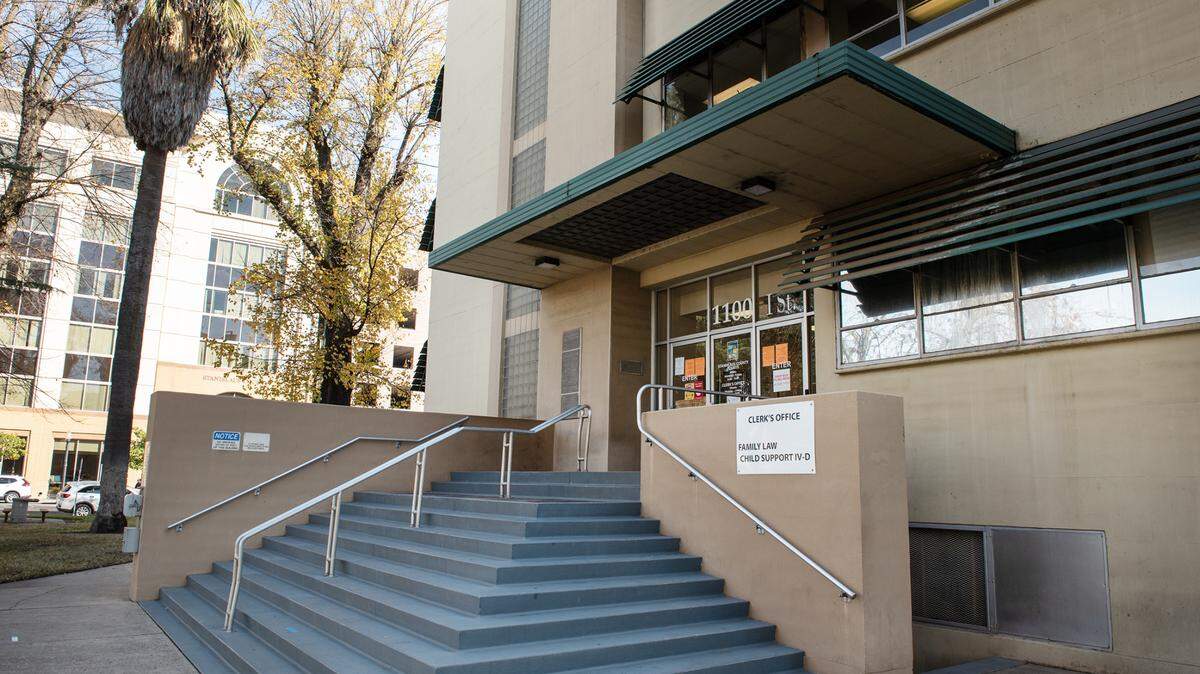
The Stanislaus County Superior Court has closed its clerks’ offices to the public because of the increase in COVID-19 in the San Joaquin Valley, which is under a stay-at-home order Gov. Gavin Newsom put in place Dec. 6.
The public counters for the clerks’ offices for family law, criminal, traffic and civil cases closed Monday and are expected to remain closed through Jan. 7. The Superior Court will then look at whether the offices need to remain closed.
Drop boxes for documents and electronic filing of documents remain available, and though they will be staffed with fewer employees, the clerks’ offices can provide help over the phone. The drop boxes are located in the buildings that house each clerk’s office, and the boxes are available from 8:15 a.m. to 4 p.m. weekdays.
Court Executive Officer Hugh Swift said a drop box will be available for evictions, which are known as unlawful detainers, and small claims cases in the lobby of the Superior Court’s Turlock facility from 8:15 a.m. to 4 p.m. weekdays. He said unlawful detainer forms for landlords and tenants also will be available in the lobby during the same hours and days.
The Turlock facility is at 300 Starr Ave. The facility hears unlawful detainer and small claims cases Tuesdays through Thursdays.
Swift said the forms include requests for what are called ex parte hearings. These hearings are held outside the normal timeline when someone needs to appear in court quickly. An example is when a tenant faces being locked out in days and wants the court to temporarily stop that.
Swift said the Superior Court has made it easier to file these requests by allowing filers to request when they want a hearing, and the court, instead of the filer, will notify the other party about the hearing.
Aurora Thome, the directing attorney of the California Rural Legal Assistance’s Modesto office, asked the Superior Court on Friday to stop processing requests for default judgments for unlawful detainers and instruct the Sheriff’s Department not to lock out tenants because the clerks’ offices would be closed to the public, making it harder for tenants to assert their rights in court.
Tenants’ advocate says more help needed
A default judgment is entered against a party when he or she does not file a response to an unlawful detainer within the time period.
Swift said Tuesday the accommodations the Superior Court has put in place for unlawful detainers should be sufficient to allow tenants to assert their rights.
Thome said she appreciates the accommodations but reiterated CRLA’s position that the Superior Court could do more for tenants facing eviction during the pandemic, such as by hearing unlawful detainer cases Mondays through Fridays and by ruling on some matters without requiring the parties to be in court.
Tenants cannot be evicted for not paying rent if they can show nonpayment is because of COVID-19, such as being laid off because of the pandemic. But they must file the appropriate paperwork to demonstrate that.
Swift said the Superior Court has to balance the public’s need for access to the court system with keeping them and court employees safe in the pandemic. He said the court already has taken other steps to do that, including not holding jury trials and conducting civil and family law matters by phone.
More information, including electronic filing and the court’s phone number, is available at the Superior Court’s website, stanct.org.
This story was originally published December 15, 2020 at 1:33 PM.