Velvet Grill asks for supporters at hearing as it fights Modesto on COVID fines
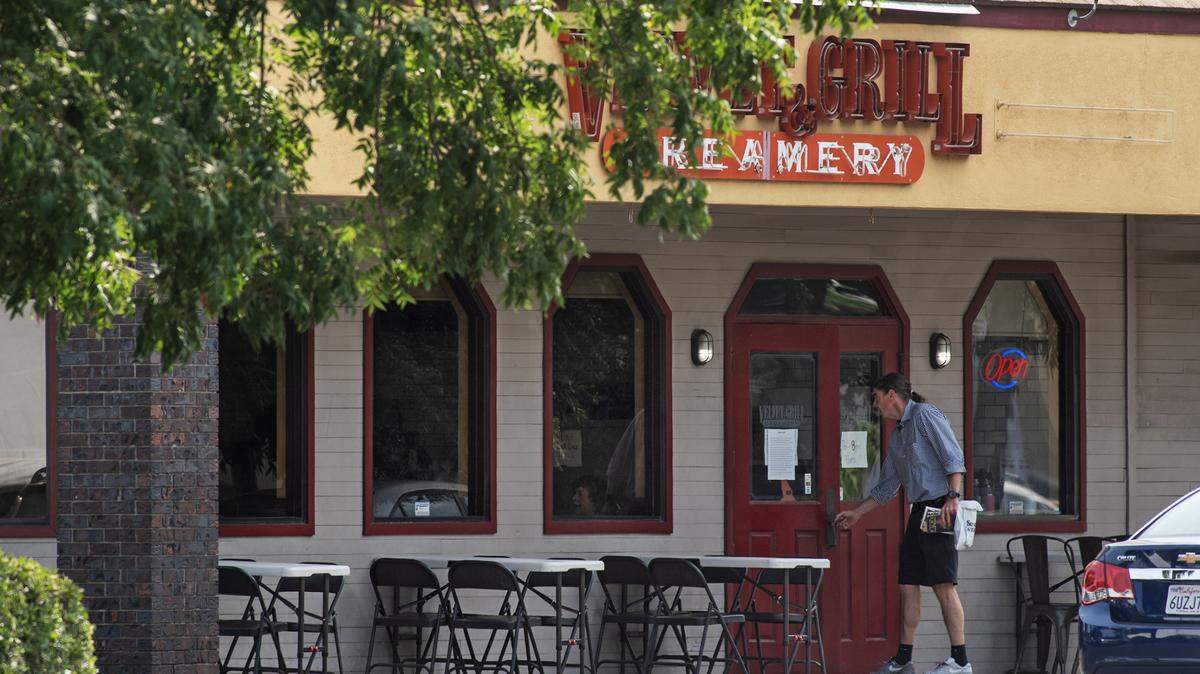
The Velvet Grill & Creamery restaurants will make their case Tuesday for why Modesto should not fine each of them $1,000 a day for serving customers indoors in violation of the state’s public health order to stop the new coronavirus.
The city imposed the civil penalties starting Aug. 29 on the Dale Road and McHenry Avenue restaurants after it tried several times to gain compliance and warned the restaurants they would be fined if they did not stop indoor dining. The restaurants have continued to serve customers indoors and rack up daily fines.
Velvet Restaurants Inc., which owns the restaurants, has appealed the civil penalties, and its attorney will represent the corporation at a Tuesday administrative appeal hearing at Modesto Centre Plaza.
The city hearing starts at 2 p.m. in the 3,400-square-foot Stanislaus River Room and is open to the public, but seating is limited because of the need for physical distancing. Depending on the turnout, people could be turned away.
The hearing could draw Velvet Grill supporters. The McHenry Avenue restaurant posted a notice on one its front doors Friday imploring customers to attend, saying it needed their help to avoid $60,000 in fines. “Please come to the Hearing and voice your support of the Velvet Grill & Creamery,” the notice says. “Thank you to our many loyal customers.”
The restaurant was busy Friday evening, with diners eating inside at tables and booths, as well as at tables set up for outdoor dining. (The current restrictions permit restaurants to offer outdoor dining and takeout.)
When asked earlier Friday why the city is not holding the hearing over Zoom or similar technology, which would allow the public to watch and is how Modesto conducts its City Council meetings, city spokesman Thomas Reeves said in an email: “Since we don’t anticipate a large showing from the public, those who have appealed ... have requested an in-person hearing, and Zoom didn’t seem to be necessary given the small amount of people who are directly involved in the appeal – the owners, the owners’ representatives, and City staff.”
Penalties as a last resort
Modesto has not been heavy handed in enforcing the public health restrictions, seeking voluntary compliance first and penalties as a last resort.
Reeves said the city has imposed civil penalties against only one other business, Tru-Fitness, which the city started fining $1,000 per day on Sept. 8. Reeves said the city has asked for a hearing for Tru-Fitness, and one is scheduled Oct. 20. More details were not available.
He said on Oct. 1 the city had opened more than 140 cases against businesses suspected of violating the restrictions since code enforcement officers started enforcing them in late April. Modesto police officers had enforced the restrictions before then.
But enforcement has been controversial, especially because Mayor Ted Brandvold does not believe the city should enforce the restrictions. He wants the local economy to fully reopen but with precautions.
The mayor’s critics say if local officials had done a better job enforcing the restrictions and setting a good example by following the precautions, such as wearing masks, the city and the rest of Stanislaus County would be further along in getting past the pandemic and more of the economy would be open.
Modesto initially said hearing was closed
The city initially denied The Bee’s request to attend Tuesday’s hearing, saying it was closed to the public, but agreed after The Bee’s attorney, Karl Olson, spoke with the city attorney’s office.
“We’re pleased that the City has recognized that these hearings, which involve important issues related to the pandemic and small businesses, should be open to the public,” Olson said in a statement.
Reeves provided a statement from the city attorney’s office: “Although the City disputes that it is legally required to make all administrative hearings open to the public, the City has decided to make the (hearing) next Tuesday open to the public. ... But you should be aware that due to social distancing requirements, if numerous members of the public attend, some will be excluded because of capacity limitations.”
Velvet Restaurants Inc. Secretary and CFO Bill Owen has said that he does not believe the public health order is legal and that no one is forcing his customers to eat at his restaurants.
“I don’t believe the order is constitutionally legal,” Owen said in an August story. “I don’t believe the state of California can deny me the use of my property without compensating me for it. We are in a tough situation. I know if we try to operate in accordance with what I understand the governor’s order to be, we will be out of business shortly.”
Owen on Friday declined to comment, but confirmed he will be at the hearing. Thomas Griffin, the Velvet grill attorney, did not return an email and voicemail seeking comment.
Former city Board of Building Appeals member Rick Reid will serve as Tuesday’s administrative hearing officer. Reeves said Modesto has to show the restaurants are in violation based on a preponderance of the evidence. Modesto has cited the restaurants under its municipal code section regarding public nuisances.
Hearing officer can waive the fines
The hearing officer can reduce, waive or conditionally reduce the fines. Reeves said the officer can make a decision at the hearing but does not have to and has 30 days to file a written decision.
Reeves has said if Modesto prevails against the Velvet Grill, it could record the penalties with the county clerk-recorder’s office as a personal obligation against the owner. The penalties can reach $100,000 per restaurant in a calendar year. But Reeves has said Modesto could end up collecting pennies on the dollar.
This is the second time the city has initially denied the newspaper’s request for information or access regarding its enforcement of the coronavirus restrictions.
Community Development Director Jaylen French and Neighborhood Preservation Unit Supervisor Chris Kemper in August declined to provide the names of the businesses, including the Velvet Grill, the city was going to issue cease-and-desist letters against that day, or copies of the letters.
The letters ask a business to come into immediate compliance or face consequences, such as fines. California News Publishers Association general counsel Jim Ewert said then the information and records were public information. The city provided the information and records later in the day and early the next day after initially denying them.
This story was originally published October 12, 2020 at 5:00 AM.