Modesto hospitals seeing a flood of COVID omicron patients. But they are not as sick
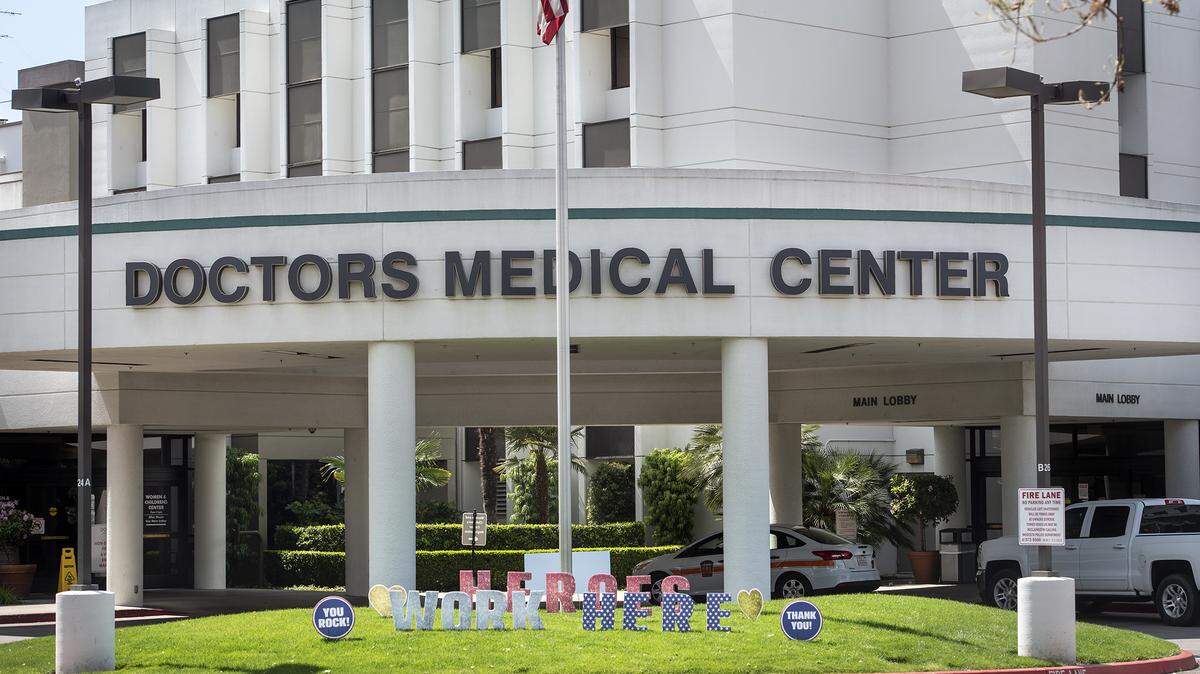
A huge increase in people infected with the highly contagious COVID omicron variant is sending a flood of patients to hospital emergency departments in Stanislaus County.
But a small percentage of patients are put in hospital beds. Their hospital stays are shorter. And most don’t need to be put on ventilators.
The omicron surge that began last month looks different in Modesto-area hospitals than what was seen with previous COVID-19 surges, according to those who have worked during the pandemic.
“The good thing is patients are not advancing to the level of needing ICU and ventilator care,” said Dr. Eric Ramos, chief medical officer of Doctors Medical Center of Modesto, Emanuel Medical Center in Turlock and sister hospitals.
The patients hospitalized with COVID-19 amid the omicron surge are treated with the usual cocktail of medication and supplemental oxygen.
After four or five days, the patients’ need for oxygen support comes down and they recover more quickly, Ramos said. That is the opposite of what happened to patients afflicted with other variants such as delta, he said.
During the delta surge last year, hospitalized patients continued to suffer from respiratory problems and advanced to needing a ventilator and increasing amounts of oxygen. Those who were lucky to get off a ventilator faced a long road to recovery.
“We are not having as many people advance to that level,” Ramos said.
Stanislaus County recorded 361 deaths due to COVID-19 from August through November, as the delta variant dominated the caseload.
Ramos said Thursday he believed one COVID patient was on a ventilator at Doctors Medical Center in Modesto.
The people now hospitalized for COVID-19 have comorbidities, or underlying conditions. Most of the patients who get worse and are moved to intensive care are not vaccinated against COVID, Ramos said.
Medical experts have been careful about assuming the omicron wave in the United States will bring less severe illness and mortality, as was reported in countries struck earlier, such as South Africa and England.
One theory is that omicron infects tissue in the upper respiratory tract and does not affect the lungs as much. Another notion is that omicron causes less severe disease because a larger number of people have immunity from vaccines and previous COVID infections.
California’s top health officials have projected the omicron variant will spawn so many cases that COVID hospitalizations will reach an all-time high by Feb. 2. COVID hospitalizations in Stanislaus County rose to almost 200, as of Thursday, with 27 patients in ICUs, which is still considered manageable.
Valley Children’s Healthcare is dealing with a significant increase in young patients testing positive for COVID-19 at its hospital near Madera. According to an update Friday, the hospital’s emergency department received 181 children who were positive for coronavirus in the week starting Jan. 3, which was an increase from 55 the previous week.
Eleven children were hospitalized with a primary diagnosis of COVID-19. The hospital’s positive test rate more than doubled to 19.2 percent.
Recent omicron study finds less severity
Studies have tried to measure the risk of severe illness in adults stemming from omicron infections.
A California study funded by the Centers for Disease Control and Prevention analyzed 52,297 omicron cases and 16,982 cases attributed to delta infections, finding that 1.3 percent of delta patients were admitted to hospitals compared to .5 percent of omicron infected patients.
Patients infected with omicron were half as likely to need hospital care and four times less likely to be admitted to intensive care units, according to the study that tracked medical records last month in the Kaiser Permanente health system in Southern California.
Of the 235 omicron-infected patients hospitalized, none of them were put on a ventilator, while 11 of 222 patients infected with delta were put on ventilators.
The average hospital stay for omicron-infected patients was 3.4 days shorter than for patients infected with delta. That’s a 70 percent reduction in hospital length of stay for patients with omicron, the study said. The findings were published in a preprint article that has not undergone peer review.
The major surge in cases in Stanislaus County — 3,548 infections were recorded from Wednesday to Friday — has resulted in a corresponding increase in admissions at Memorial Medical Center, a physician said.
Dr. Donald Zweig, assistant medical director in the emergency department, said the doctors and nurses at Memorial don’t know which patients are sick with the omicron variant, “but we assume it’s almost all omicron now.”
Zweig said in a text he has seen some patients admitted with severe COVID pneumonia in the past two weeks. Their respiratory status was at a dangerous level.
The doctor said he believes unvaccinated people are vulnerable to severe illness if they’re infected with the omicron variant. “Vaccinated people do not get very sick in my experience,” he said. “You can get COVID if you are boosted, but not very sick.”
Memorial has seen fewer hospitalizations and ICU admissions with the omicron surge. The severity of illness is lower than with previous surges, staff said.
“What we’re seeing is a deluge of patients to the (emergency department),” said Dr. Kanthi Kiran, the ED’s medical director. “Lots of COVID infected patients, but mostly ones that can safely be sent home.”
Because of the highly infectious nature of omicron, doctors and other hospital staff are catching the virus. Although they are not very sick, she said, they must stay home for 5 days at least before returning to work.
Hospitals impacted by testing shortage
Many people walking into emergency departments are in search of a COVID-19 test, because they have symptoms or were exposed to someone infected. There’s a false assumption that hospitals are community testing sites.
The designated testing sites in the county are inundated, and home test kits are in short supply.
Ramos said he planned to bring up the testing issue during a call Thursday afternoon with county public health officials. “That is probably the biggest problem that we need to solve at this time,” Ramos said.
Kamlesh Kaur, a spokeswoman for county public health, said Friday testing was discussed during the call with hospital representatives.
Kaur said the county expects to partner with two additional testing vendors and should have details about new testing locations for the public next week. There is no word on whether the state will send additional home testing kits to Stanislaus County.
County public health stressed that hospitals are not community testing sites.
Emergency room visits should be reserved for patients who are feeling severely ill, for example, those with shortness of breath, or people who have serious concerns about their health and require immediate emergency care.
The Stanislaus County Health Services Agency has information about COVID-19 testing locations and vaccinations at www.schsa.org.
This story was originally published January 15, 2022 at 7:00 AM.