Modesto’s coronavirus-stricken hospitals run out of ICU space. ‘We try to stay positive’
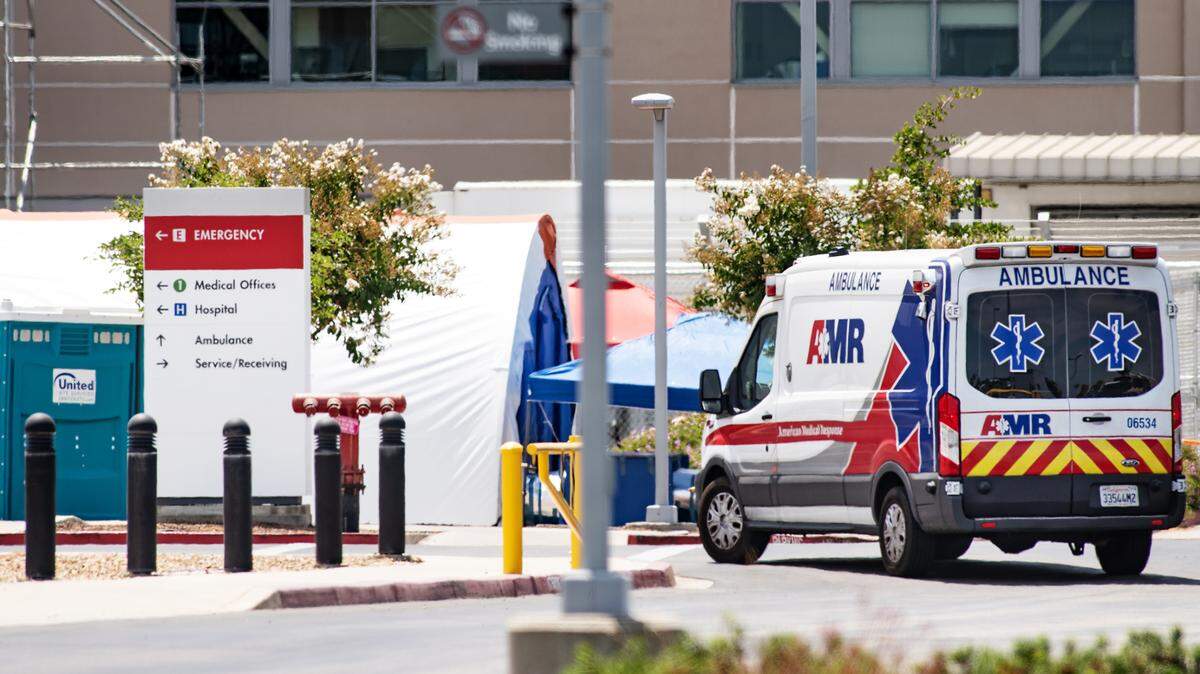
Dr. Auro Reddy never dreamt of dealing with a contagious disease outbreak of these dimensions when he was admitted to the family practice medicine residency program in Stanislaus County.
But he and his co-workers are doing their best to contend with the coronavirus pandemic, which has fast become a nightmare for healthcare employees throughout the Central Valley.
Reddy and fellow residents are caring for COVID-19 patients at Doctors Medical Center in Modesto, where hundreds of people with coronavirus symptoms have sought care since a resurgence of cases caught fire in June.
“The hospital is very busy,” Reddy said. “It’s a lot different kind of environment. We are getting new protocols every day and the treatment changes with different medications.”
Monday, hospitals in Stanislaus County ran out of beds for adults in intensive care units, as they were pushed to the limit by 248 patients with confirmed or suspected COVID-19 illness. The hospitals had 55 COVID patients in ICU beds while also supporting people with other serious medical issues.
In an update Tuesday, the ICU capacity crept up to 1.7 percent.
The county’s emergency operations center said Modesto hospitals strained by the coronavirus epidemic have not reached the point of asking for outside assistance. Emanuel Medical Center in Turlock has requested additional nurses from the state’s Medical and Health Operational Area Coordinator program, said Royjindar Singh, a spokesman for the county’s emergency operations center.
Details of Emanuel’s request were not immediately available.
“(The hospitals) are getting full but not to the point where they have to shut down and not accept patients,” said Royjindar Singh, a spokesman for the county’s emergency operations center.
Local hospitals have 179 licensed ICU beds, but some are for children and infants and beds are needed for non-COVID patients.
The bed availability fluctuates daily and large hospital systems like Kaiser Permanente and Sutter Health, which oversees Memorial Medical Center, can move patients to out-of-town facilities. Hospitals can also open additional space for ICU patients if they have the qualified staff for that level of care.
The local hospitals still had 34 percent of regular inpatient space available.
Stanislaus County’s coronavirus outbreak became more deadly, with 10 additional deaths reported over a two-day period, raising the total to 73. The county reported 327 new cases Tuesday, with large numbers of Latino adults sick with the virus and in hospitals.
Staff who spoke with the Modesto Bee said the atmosphere at Doctors of Modesto is not crazy but health workers are under the increasing strain of caring for patients with the contagious disease.
In June, the hospitals started to see a significant influx of patients with hypoxia, or oxygen deficiency, who were admitted to regular hospital floors. Many progressed to respiratory distress and were moved to intensive care units.
By July 9, a nurse who said she worked at Memorial Medical Center and Kaiser posted on Facebook that the pressure from the growing numbers of COVID-19 sufferers was “heartbreaking and traumatic” for frontline staff.
“Just know that the statistics are real people,” the nurse wrote. “Mothers, fathers, brothers and sisters. It’s easy to sit back and say ‘the death rate is low” when it’s not you who has to care for these patients and see the fear in their eyes.”
She added, “it’s not you who cries on the phone with loved ones explaining how we did everything but they still died.”
Hospitals last week were putting out multiple calls daily, asking employees to come in to fill staffing gaps. Some nurses are working 20 hours straight to give breaks to co-workers or take additional shifts.
According to a staff member, nurses are working 12 hours straight at Doctors Medical Center without breaks for lunch or rest. The ICU nurses at Doctors provide the highest level of care available in a six-county region.
“For the most part we try to stay positive,” an ICU nurse said. “There is not a single nurse that is not giving the best care they can. There is just a lot being asked of us.”
Nurse cares for patients of different ages
The nurse said her COVID patients have been in their mid-40s to mid-70s. A patient with an especially high fever may be put on cooling blankets, circulating chilled water, to get the temperature down.
Those admitted to the ICU are maxed out on oxygen support to try to raise the saturation level in their blood, and are often placed on ventilators.
The nurse said the ICU patients stay in the same condition for a long time and may remain in the unit for weeks, which contributes to the rising census in the hospital. Mortality has been low, but some patients who survive will have lasting health effects, the nurse said.
Nurses keep a close watch on patients for low blood pressure, a common effect of COVID-19. They administer medication, do their charting and also serve as phlebotomist and housekeeper to minimize people coming into the room.
FaceTime visits with family are set up even if the sedated patient can’t speak with loved ones. “It’s upsetting for the family that the patients can’t have visitors,” the nurse said.
By many accounts, medical professionals have learned from the outbreaks in Italy and New York better methods of treating COVID-19 illness. Doctors wait longer before putting a patient on a ventilator and try to avoid it entirely.
Reddy said patients are given remdesiver, an antiviral drug, and a steroid called dexamethasone to open inflamed lungs. Reddy and other residents are seeing patients with lung fibrosis or damaged lung tissue that could lead to long-term complications.
Two teams from the county residency program are responsible for a dozen older patients at Doctors with coronavirus infection, Reddy said.
Stanislaus medical residents learn about virus
With this “learning experience,” the physicians-in-training risk contracting a serious, unpredictable disease. They wear protective equipment in the hospital, clean their stethoscopes after each examination and are careful around patients with any of the symptoms of COVID-19.
“If you talk to the intensivists, the (intensive care units) are full. They are intubating a lot of patients,” said Reddy, a third-year resident. “One day, we will look back on this experience and say we went through that.”
A nurse at Kaiser Modesto Medical Center said last week that COVID-19 patients were on three floors of the hospital and in the emergency department. Nurses from regular inpatient floors were brought into ICUs due to understaffing, the nurse said.
The California Nurses Association has expressed concern hospital owners are seeking a waiver of nurse-to-patient ratio laws, which could lead to each nurse caring for more COVID-19 patients at a time.
In early July, the California Department of Public Health said hospitals could apply for the waiver.
If the current surge were to overwhelm hospital capacity, the county has readied a 110-bed alternative care facility at the former county hospital on Scenic Drive. COVID-19 admissions have risen by 30 percent since July 6.
Singh said the state has indicated it would prefer to use a regional facility, the Sleep Train Arena in Sacramento, for overflow if needed.
This story was originally published July 21, 2020 at 12:51 PM.