Coronavirus hits Stanislaus County families with health anxieties, unemployment
Under the coronavirus stay-at-home order, Maria guides her 7-year-old daughter and 11-year-old son through computer lessons at the kitchen table, exercises in the living room and hands-on-activities she finds on YouTube.
In between keeping them focused and texting teachers with questions, the 34-year-old Ceres resident worries. She worries about returning to her job next month and finding childcare. She worries about her husband, who works in landscaping and faces a higher risk if he contracts COVID-19 because he was hospitalized for valley fever last year.
“We kinda have no options here because one of us has to work,” said Maria, who requested her last name not be used out of privacy concerns . “But he is taking care of himself. He’s using masks, gloves and whatnot.”
As the pandemic continues spreading uncertainty across Stanislaus County, Maria isn’t alone.
From the unemployed struggling to pay bills, seniors stressing about their health, to family members missing one other, Modesto area residents are trying to cope with upheaval.
Maria, for one, tries not to think about her anxiety.
“Otherwise I just start crying, and crying and crying,” Maria said. “It feels pretty heavy, so I go out for walks. I just try to keep my mind busy with my kids so it doesn’t hit me.”
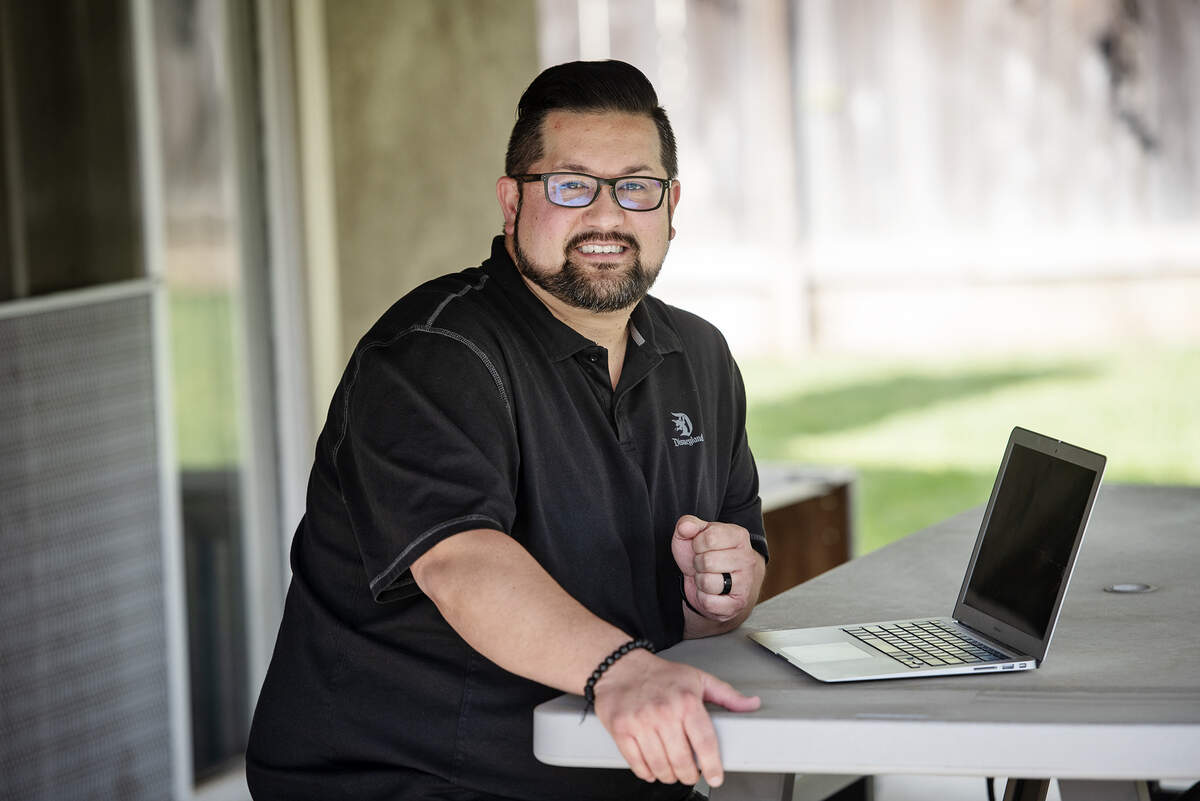
Modesto man applies for unemployment, jobs
Scott Kusayanagi, 44, checks the mail every day since he applied for unemployment last weekend after getting laid off March 20. His employer, the Automotive Broadcasting Network, eliminated half of its workers and their healthcare because the marketing company relied on payments from General Motors dealerships.
While he waits for a letter acknowledging his unemployment claim, Kusayanagi said he has applied for more than 35 jobs. Only two hiring managers have replied to him: one who notified him of a hiring freeze and another who said he was not qualified for the position.
As a former car salesman and general sales manager, Kusayanagi said he had always considered renewing his car-selling license to be his fallback plan, but that isn’t practical right now. His side gig as a musician also won’t help him contribute to the mortgage.
The federal government’s pending stimulus package might not bring relief, Kusayanagi said, adding the McClatchy calculator shows he and his wife may get $1,150, which doesn’t cover a monthly mortgage payment.
In the meantime, his wife Lori works as a phlebotomist every day of the week in 10 to 12 hour shifts, partially to pay the bills and partially to meet the hospital’s needs. Three of her coworkers on her shift are in quarantine after being exposed to the virus, said Kusayanagi, who helps her at home.
“Every night I get a second set of clothes prepared and I put them out in the garage,” he said. “When she pulls into the garage, she strips off her scrubs and her shoes and then puts on her indoor clothes. I sanitize and wash her scrubs. In the mornings, when we wake up, I make her breakfast and pack her lunch and dinner.”
Polio survivor fears COVID-19 complications
Seventy-year-old Modesto resident Frances Lopez said the coronavirus stirs up her memories of being a 5-year-old and spending three months in a rehabilitation hospital recovering from polio. Some of the children were confined to iron lungs. The infectious disease left her with a lifetime of weakened hands and arms and legs as well as respiratory problems.
Lopez said it’s a minor inconvenience to be confined to her home and she misses her friends from Weight Watchers (they would gather for coffee after their weekly meetings) and her classmates from Modesto Junior College’s Modesto Institute for Continued Learning, which offers lectures, seminars and workshops for seniors.
But she has lots of ways to pass her days, including walking her two dogs, cooking and home projects. She said it’s a good time to garden because spring is beautiful in Modesto. She joked that her husband is part hermit and has been content spending time in his den playing his guitar and listening to podcasts.
“I’m happy hunkering down in the comfort of my own home,” said Lopez, who is a retired paralegal manager for a San Francisco law firm.
But the terror from her childhood still is with her.
“I’m really frightened of the disease (the coronavirus),” she said. “I was one of the polio kids from the 1950s. I had respiratory impairment because of it and missed a lot of school. I know a lot of people from my polio support group. I’m fearful for them. This quarantine is really important for those of us who are older and have impaired health.”
Lopez said she is concerned for everyone with compromised health and said it’s critical everyone follow the guidelines and recommendations to stop the spread of the coronavirus, including frequent and thorough handwashing, staying home as much as possible and keeping distance from others when out in public.
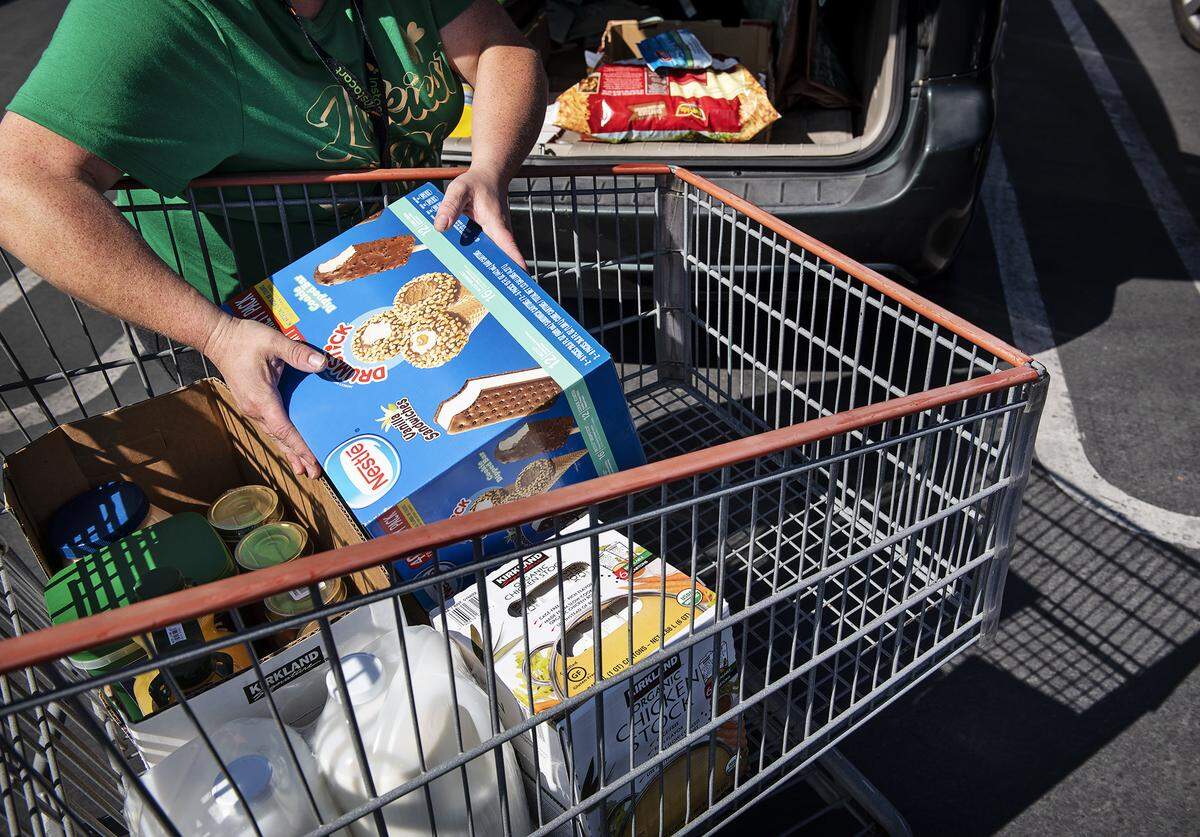
Professional grocery shopper faces risk
Andrea said she started working as a shopper in December for the grocery delivery app Instacart because it’s a flexible job that allowed her to work around her young children’s school schedules. She said she made about $200 a week shopping for and delivering groceries to customers from Turlock to Modesto.
She’s now making $600 a week for 30 hours of work and could make more if she wanted to put in more hours. (But as a member of the gig economy, Andrea said she has to pay for her own expenses, including gas.)
“It’s brought me a lot of work,” said Andrea, who lives in Turlock and did not want her last name used. “But is it worth the risk to go out and expose myself? Yeah. I’ve got to provide for my family. But I don’t want to get sick, and I don’t want anyone in my family to get sick.”
She takes lots of precautions, including wearing gloves and using Clorox wipes to clean her grocery cart. Andrea also wipes down her car with Lysol and uses hand sanitizer. She said she has to buy her own wipes, disinfectant and gloves. She said her customers also are cautious, asking her to leave their groceries on the porch.
Andrea said shopping can feel like combat as shoppers scour stores looking for hard-to-find staples.
“What’s it like to shop?” she said. “Last week and the week before that, I had to leave Costco because I could not get my cart through the aisles. There was so many people there. It was a madhouse. ... If you turn your back, people would take stuff from your cart.
“And they’ve (grocery stores) restocked a lot, but they still are out of lot stuff, rice and beans and canned goods. I found toilet paper at Costco the other day, which was a miracle.”
Andrea said when she started as a personal shopper many of her clients were seniors or people who do not have cars. Her clients now are from all walks of life. But she said many of them have one thing in common — they don’t want to leave their homes.
“Sometimes it really bothers me,” she said when asked about shopping for people who don’t want to take that risk for themselves. “So I try not to think about it. ... But I really need the money. And I really like what I do. And I feel like I’m doing something that makes a difference.”
Andrea said she loves her customers and said they are grateful to her but said she is thinking of joining a proposed emergency strike Monday over how Instacart treats its workers. Strikers are seeking such measures as the company providing hazard pay, hand sanitizer and disinfectant.
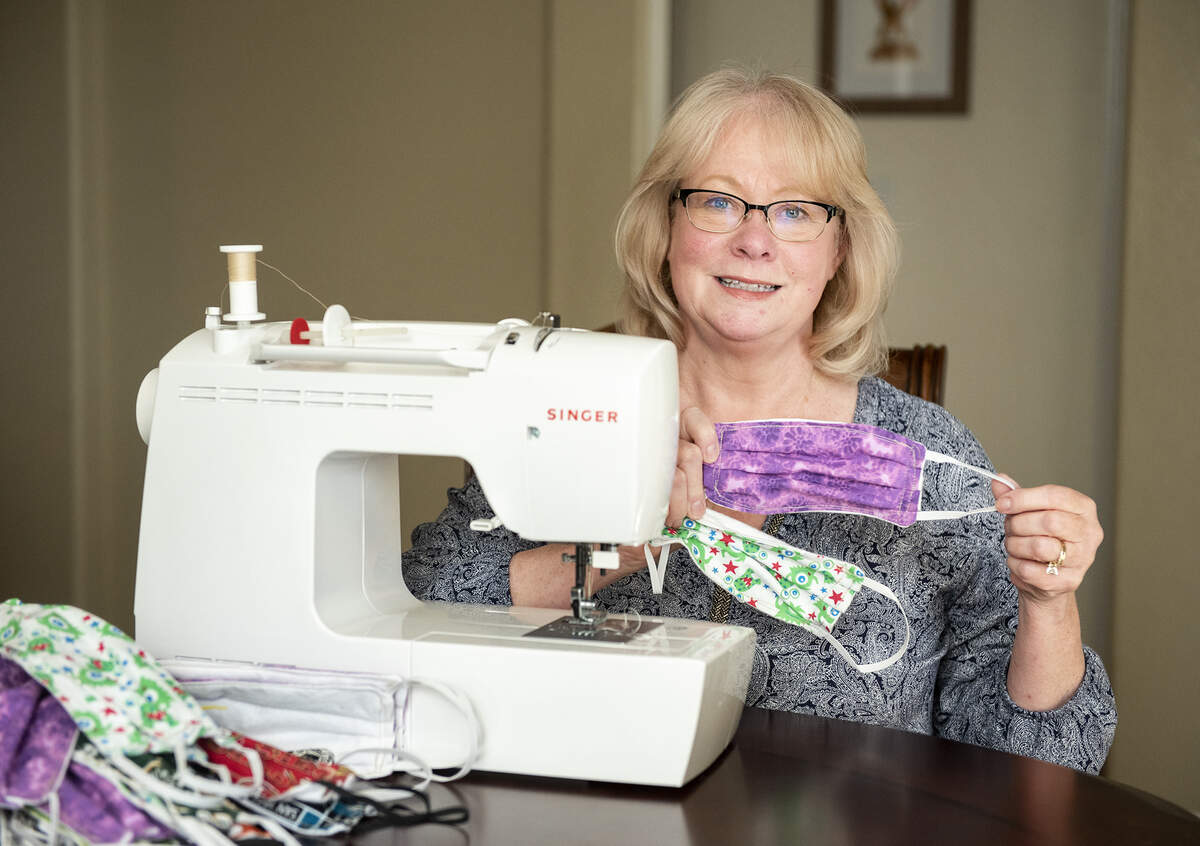
Oakdale woman misses grandchildren, makes masks
Barbara Vargo, 58, keeps in touch with her adult children living in Turlock, Ceres and Folsom through texts and phone calls. She asks how they are doing and if her eight grandchildren are healthy because she can’t check on them in person.
“Two weeks ago I had my granddaughters over and we had the best time in the world playing dominoes,” Vargo said. “We were supposed to have them over again this weekend, but now we cannot. My husband likes to go to Folsom to see the two boys play ball, and he can’t do that either. Everybody is doing what they’re supposed to and staying at home.”
The Oakdale resident doesn’t go to church or bible study anymore either, but said online chats help her community make the best of the stay-at-home orders. For now, crafting face masks helps her pass the time. Vargo found and bought enough supplies – cloth material, felt, salt and elastic cord – to make about 60 masks that she plans to donate to Oak Valley Hospital.
Vargo and her 72-year-old husband are retired from banking and the medical field, respectively, so they’re holding up financially for now. The couple made safer investments after the 2008 financial crash, Vargo said, but she made slightly riskier ones than her husband.
“I still have something stock-based that’s big enough to worry about and I have been afraid to look at it,” Vargo said. “I think when this whole thing is said and done, am I ever going to have to go back to work? I don’t know.”
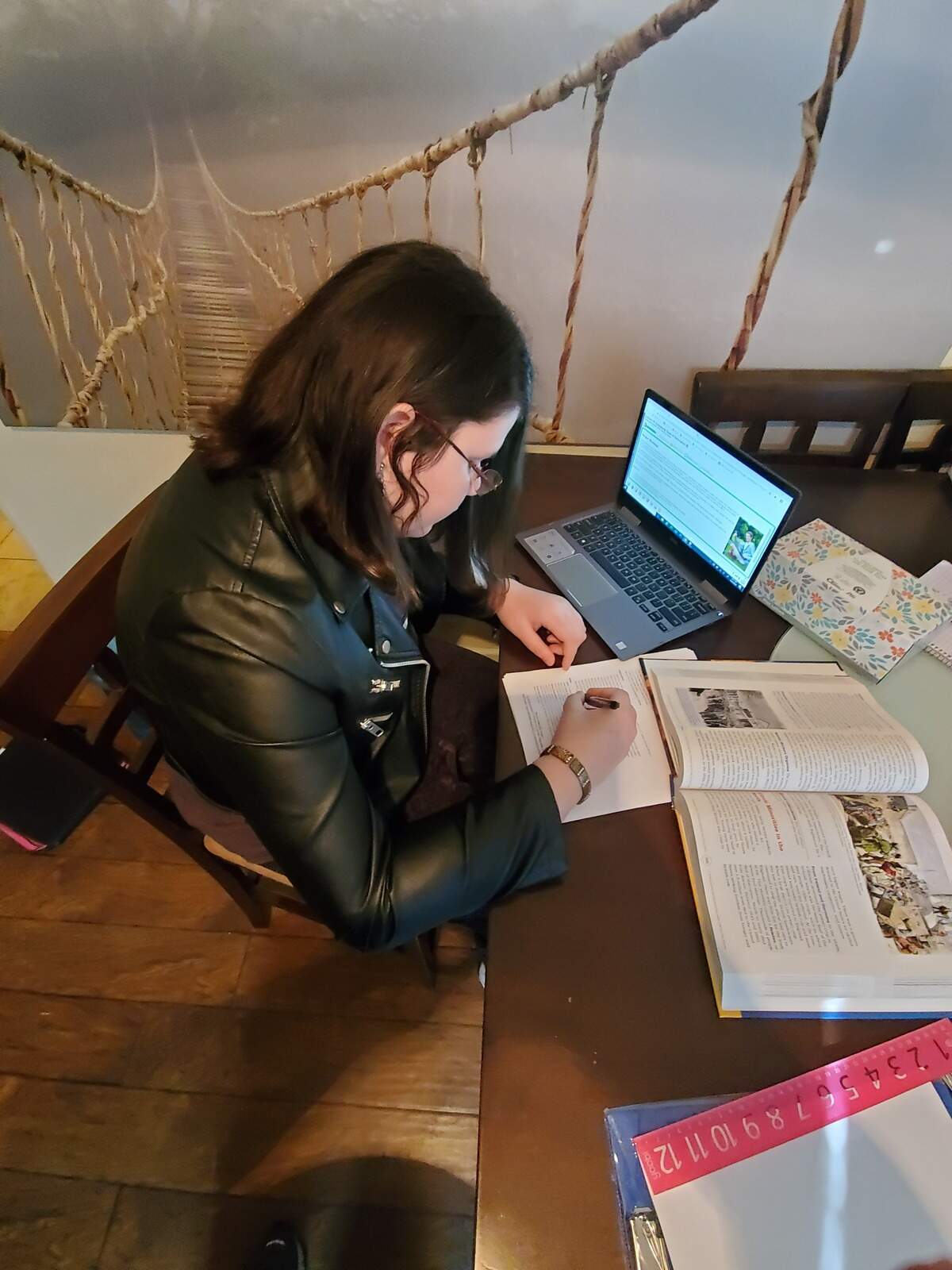
Family disinfects all outside items
Before the pandemic, Amanda and her husband often worked from their Modesto home to avoid driving to San Jose and Santa Clara every day. The coronavirus hasn’t changed their children’s education, either, because they do an online charter school program. They began sheltering in place a week before Gov. Gavin Newsom made the order, figuring they had the ability to help slow the spread of the virus.
But Amanda, who requested her last name not be used, still reassures herself that her new disinfecting procedures aren’t an overreaction. Her husband and 15-year-old daughter are both diabetic, she said, and her husband has asthma, too. So she hesitates to go on that walk, uses InstaCart to order weekly groceries and wipes and washes everything that comes into the house.
“We try to do the right thing and that’s all we can do,” Amanda said. “You just deal with it and do the best you can to keep this little bubble around the people that are most vulnerable.”
As the stay-at-home order continues, Amanda said telling her teenage daughter why she can’t go outside may become more challenging. Erica has high-functioning autism, Amanda said, and understands the reasoning behind the restrictions. But the future may require negotiating food preferences with her, especially as rising case numbers hit the national economy.
This story was originally published March 29, 2020 at 5:00 AM.