Wildfires are raging in Southern California. Here’s how you can prepare for major blazes
It may be winter in California but out-of-control blazes are already whipping through southern parts of the state.
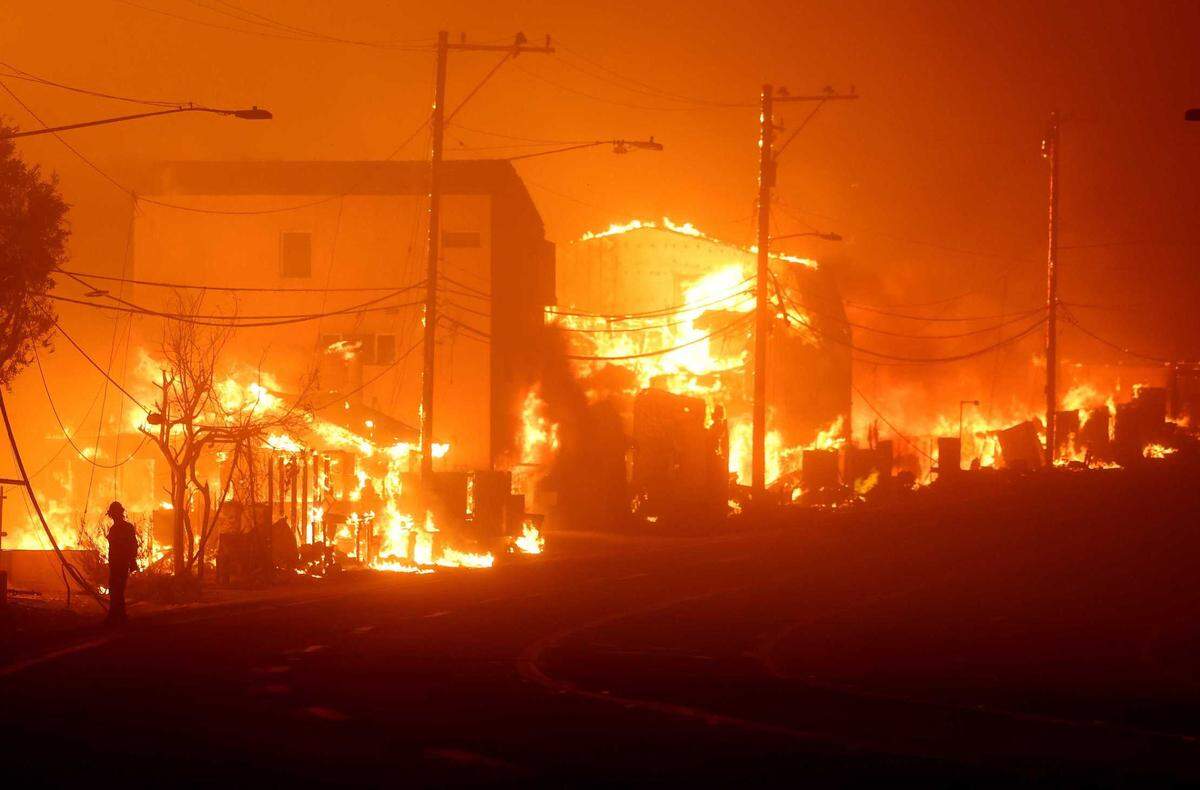
As of Thursday morning, wildfires in the Los Angeles area had killed at least five people, destroyed more than 1,300 structures and put more than 130,000 people under evacuation orders, officials said.
California Gov. Gavin Newsom declared a state of emergency in Los Angeles County on Tuesday in response to the four fires burning near Pacific Palisades and Pasadena.
“This is a highly dangerous windstorm that’s creating extreme fire risk — and we’re not out of the woods,” Newsom said in a statement. “We’re already seeing the destructive impacts with this fire in Pacific Palisades that grew rapidly in a matter of minutes.”
Wildfire season in California typically starts in May and ends in November, according to the Western Fire Chiefs Association, but it’s becoming more likely to see wildland fires at other times of year as climate change and drought conditions shift environmental norms.
According to the U.S. Drought Monitor, about 40% of California was under drought conditions as of Jan. 3, creating an ideal landscape to feed flames.
Here are tips on how you can prepare for wildfires that could arise at any time of the year:
How to prepare your California home for wildfires
Precautionary measures can be taken before a major fire sparks.
According to ReadyforWildfire.org, a resource guide from the California Department of Fire and Forestry, your home can catch on fire from flying embers, direct flames from a fire or nearby burning home and radiant heat from burning plants and buildings.
You can retrofit your California home with more fire-resistant materials by opting for metal, clay or tile materials for your roof.
Sealing off gaps between shingles and removing leaves and debris from your roof will also help decrease the risk of wildfire damage, Cal Fire said.
Other tips from Cal Fire and San Luis Obispo County on how to prepare yourself and your home include:
Cover vents with 1/16-inch to 1/8-inch metal mesh
Install dual-paned windows that have one pane made of tempered glass
Ensure walls are made with ignition-resistant building materials, such as stucco, fire retardant and treated wood.
Cover the chimney and stove pipe outlets with a non-flammable screen
Close the fireplace flue when it is not in use, especially during wildfire season
Keep fire extinguishers, shovel, rake, bucket, ladder and hose nearby
Remove all flammable vegetation and dead branches around your property
Dispose of all fireplace and barbecue ashes
Maintain water sources, such as wells, pool or water hydrants, near your home
Report branches and greenery that could be power line hazards
Install smoke detectors and make sure they are working properly
You should also create an evacuation plan that includes escape routes by foot and car, and make an emergency supply kit.
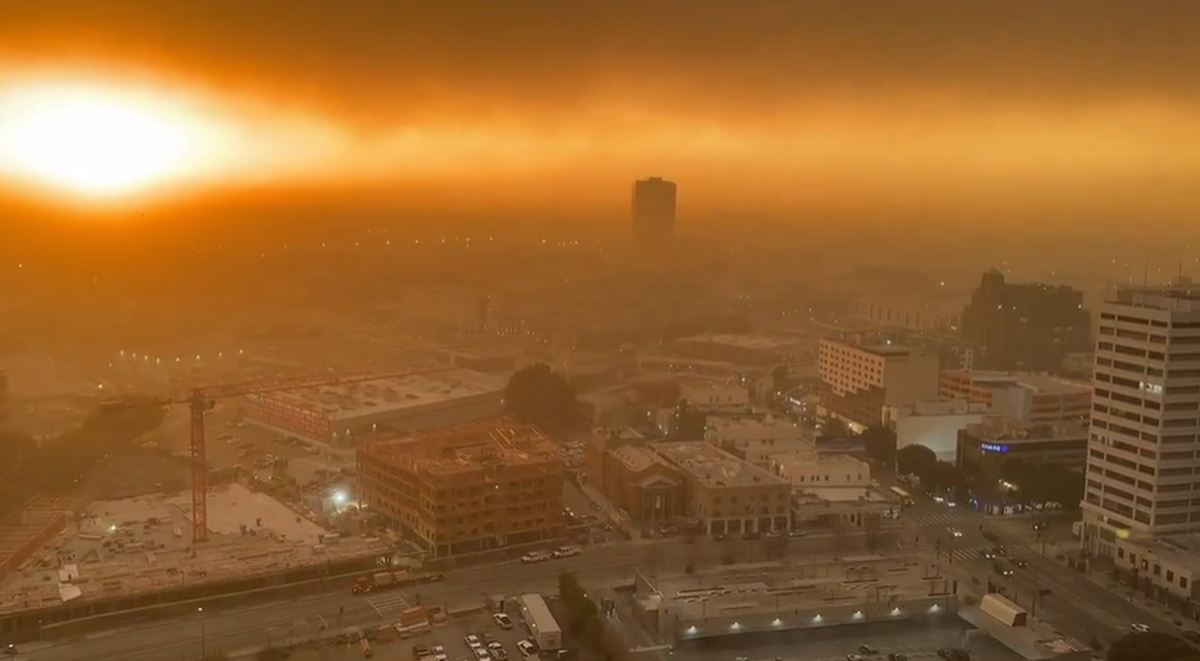
What to do during a wildfire
You can sign up online to get live updates about active wildfires from Cal Fire.
The agency provides real-time updates on where a wildfire is spreading and advice on how to prepare for an evacuation.
If there is a fire near you, Cal Fire advises that you should be aware of your community’s response plans and have your emergency supply kit ready to go.
If you have time, you should shut all doors and windows but leave them unlocked in case firefighters need to enter in quickly. It’s recommended that you also remove flammable items, such as curtains, and move furniture away from windows and doors.
Other tips include:
Shut off gas, air conditioning and propane tanks
Turn off running water
Put your emergency supplies and necessary belongings into your car so you can evacuate when needed
Park your car in the direction that you plan to leave and make sure all windows and doors are closed
Wear sturdy shoes or boots, long sleeve shirts and long pants made of cotton material, and face and eye coverings
Keep pets nearby
When you are evacuating, be sure to tell someone where you’re headed and how others can reach you
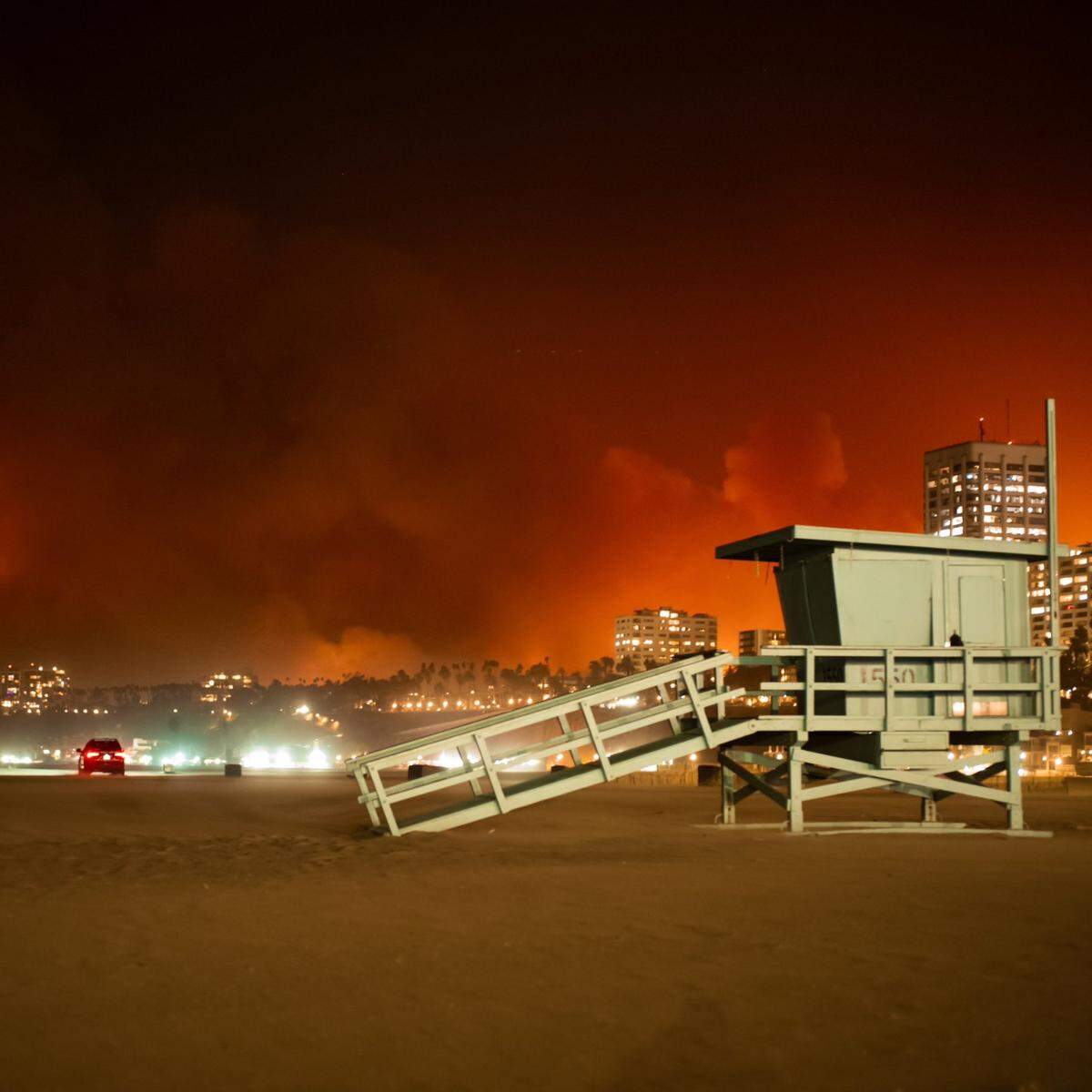
What should be in an emergency kit?
Your fire emergency kit should include the following, according to Cal Fire:
- A three-day supply of non-perishable food and water
- A map with at least two evacuation routes
Medications and prescriptions
- Clothing
- Copies of important documents
- First aid kit, flashlight and battery-powered radio
- Car keys, credit cards and cash
- Pet supplies
How to protect yourself from wildfire smoke
Wildfire smoke can cause increases in unhealthy air quality.
As major fires consume businesses, homes, cars and appliances in Southern California, wildfire smoke is fused with carcinogens from burning plastics and paints.
Depending on how big the blaze is, smoke can spread from miles away.
According to an analysis by the California Air Resources Board, heavy smoke from the 2018 Camp Fire traveled thousands of miles, resulting in elevated levels of air pollutants in the Sacramento Valley for about two weeks.
Burnt metals from the fire, including iron and lead, were detected more than 150 miles away in Modesto and San Jose.
The effects of inhaling toxic wildfire smoke will vary for people, but can be especially harmful for those with preexisting conditions, such as asthma, heart disease or pregnancy. According to the Centers for Disease Control and Prevention, the immediate symptoms of breathing in smoke include coughing, trouble breathing, irritated sinuses, chest pain, stinging eyes and headaches.
But it can also lead to worsened chronic heart and lung diseases, according to the Environmental Protection Agency.
The organization recommends that people use portable air cleaners or high-efficiency HVAC systems to reduce pollutants and have N-95 masks on hand.
During fires, it’s best to be aware of local air quality reports and stay indoors, the EPA said.
You should also avoid burning gas stoves and candles, frying food, spraying aerosol products, smoking or vacuuming, so particle levels stay low.
If you have any health conditions, talk to your medical provider for directions on how to stay safe.
This story was originally published January 8, 2025 at 1:03 PM with the headline "Wildfires are raging in Southern California. Here’s how you can prepare for major blazes."