Can I ‘California roll’ through a stop sign if no one is around? What CHP says
California’s Vehicle Code has no shortage of driving rules — from making U-turns to changing lanes in an intersection.
Drivers may wonder if there are any exceptions to the rules of the road.
Can you “California roll” through a stop sign if no one’s around? Will you still get a ticket for it?
The Sacramento Bee asked the California Highway Patrol to explain as part of How to California, a community-driven series that helps readers navigate life in the Golden State.
Here’s what CHP officials said:
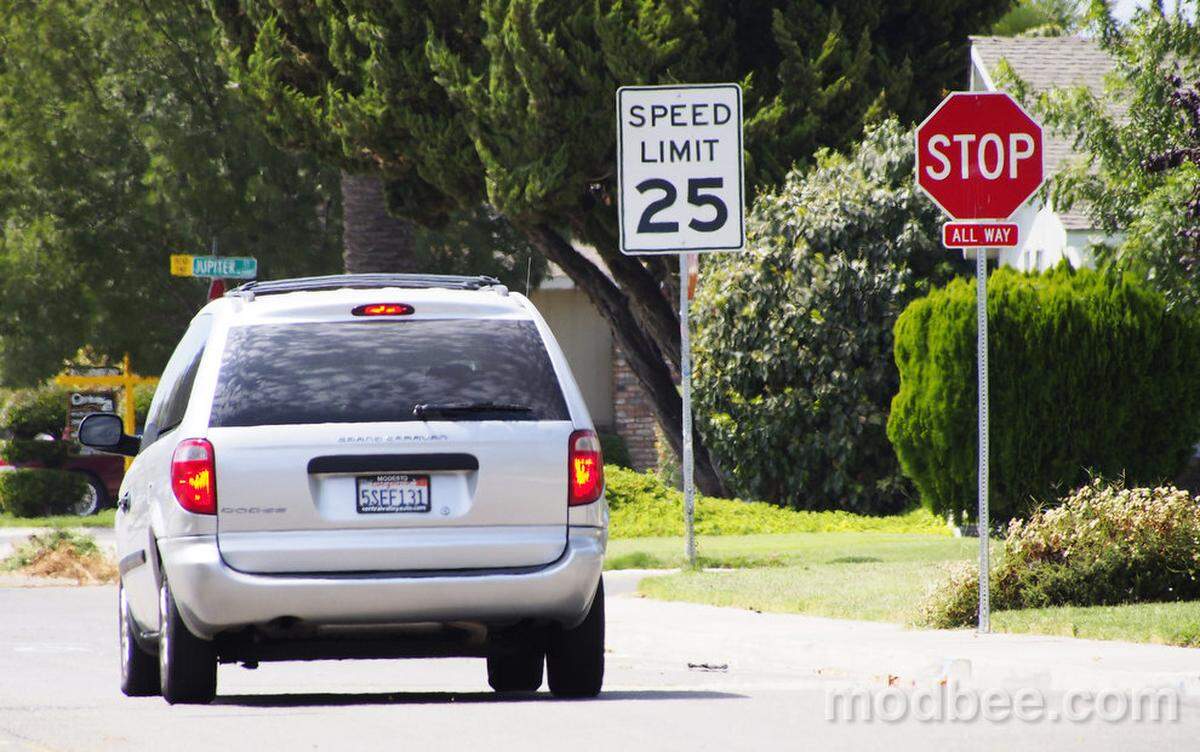
How long do California drivers have to wait at a stop sign?
According to California’s Vehicle Code, drivers must make a full stop at a stop sign — at the marked line, before the crosswalk or, if neither is present, before entering the intersection.
The same rule applies at railroad crossings, the law says.
Local governments can also decide where to place stop signs to improve traffic safety, according to the California Vehicle Code.
“There is no specific time limit for a complete stop,” the CHP Media Office wrote in a statement to The Bee. “A complete stop is when the vehicle’s speed is zero.”
After coming to a complete stop, the CHP said, drivers can proceed through the intersection “when it is their turn and it is safe to do so.”
Can I ‘California roll’ through a stop sign if no one is around?
“A ‘California roll’ is an informal term sometimes used to describe a driver slowing down but not coming to a full stop at a stop sign,” the CHP wrote.
Under state law, the CHP said, drivers must make “a complete stop at the limit line or crosswalk before entering the intersection.”
There are no exceptions to the law — even if there are no other cars, bicyclists or pedestrians present, CHP said.
Who goes first at a four-way stop in California?
When approaching an intersection, the California Driver’s Handbook says the vehicle that arrives first has the right-of-way.
“Other vehicles, bicyclists and pedestrians must wait for the person who has the right-of-way,” states the handbook, which is published by the California Department of Motor Vehicles.
Even if you arrived to the intersection first, you should never assume that other travelers will follow the rule.
“Give up your right-of-way when it will help prevent collisions,” the handbook states.
The driver’s right-of-way is forfeited if a pedestrian is present.
According to the handbook, “pedestrians have the right-of-way in marked or unmarked crosswalks.”
If you and another driver arrive at a four-way stop at the same time, state vehicle code says, the driver of the vehicle on the left must yield to the vehicle on their right.
When two vehicles arrive at a four-way stop from opposite directions and one intends to make a left turn, the driver making the left turn must yield to the oncoming car.
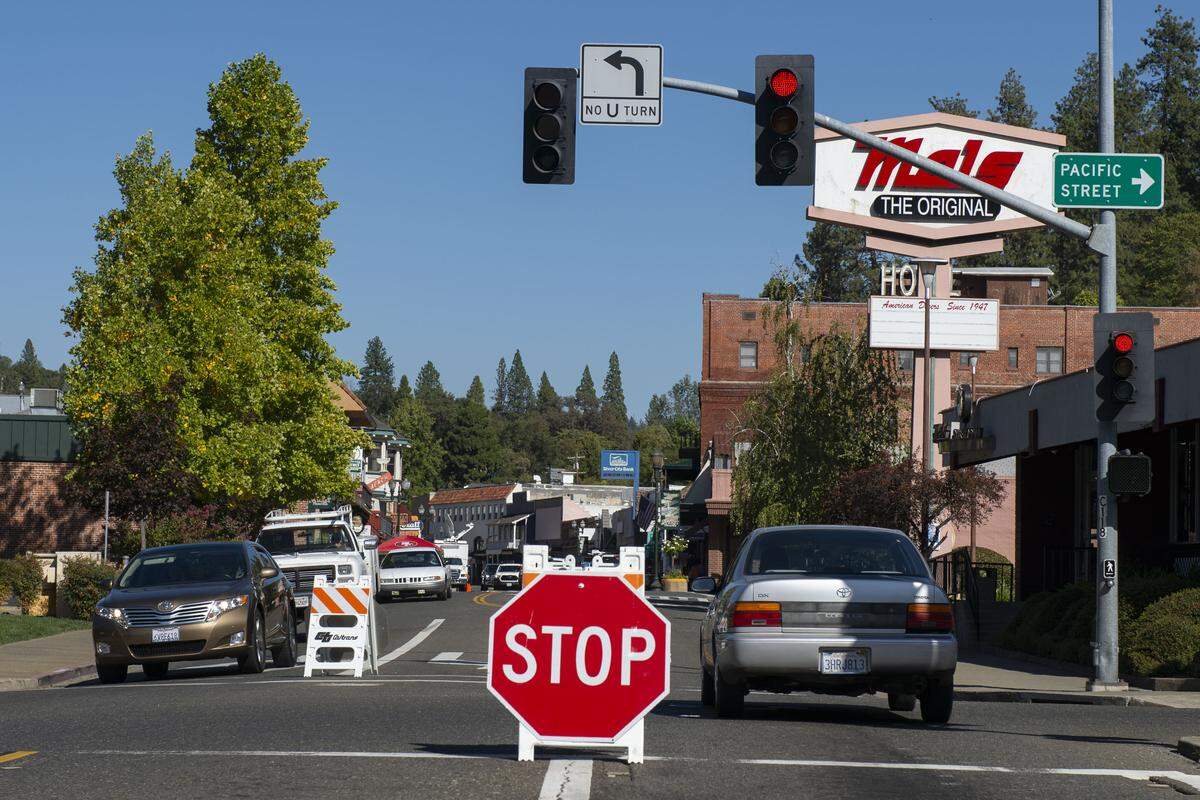
What are penalties for failing to make a full stop?
Violating California Vehicle Code by failing to fully stop at an intersection is considered an infraction “that typically results in a fine and/or points on a driver’s record,” the CHP wrote.
In California, if a driver racks up a certain number of points on their record within one, two or three years, the DMV can label them a negligent operator and suspend or even revoke their license.
Points on a driver’s record are reported to their insurance company, which usually means higher rates, according to Progressive.
The 2025 Judicial Council of California’s Uniform Bail and Penalty Schedule lists a base fine of $70 for failing to stop at a stop sign.
With added penalty assessments and court fees, the total cost can near $300.
This story was originally published November 12, 2025 at 5:00 AM with the headline "Can I ‘California roll’ through a stop sign if no one is around? What CHP says."