How does CA track COVID variants? Will vaccines protect against latest strain?
A new COVID-19 variant is quickly spreading across California.
From the FLiRT variants to the latest COVID-19 strain, NB.1.8.1, several versions of the virus have emerged since the coronavirus pandemic began.
How are new variants detected?
Here’s what California health officials said:
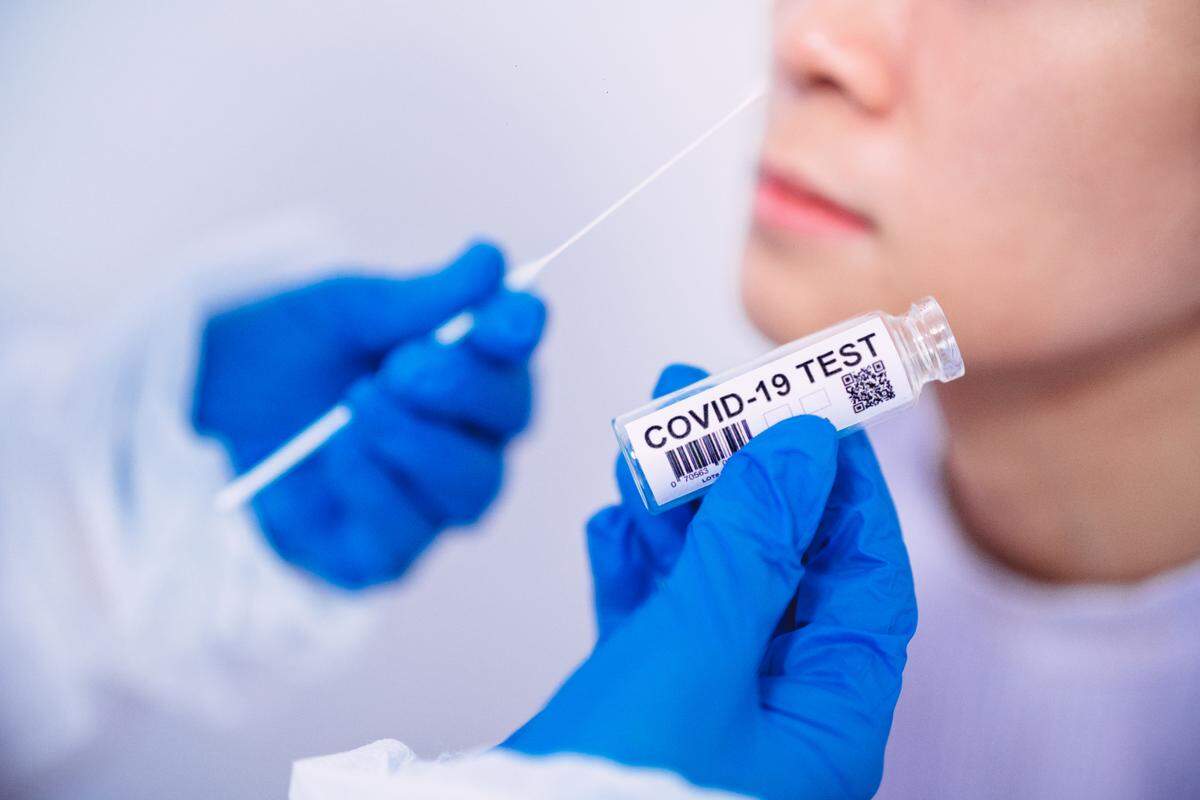
What is the latest COVID-19 variant?
Cases of the new coronavirus strain, known as NB.1.8.1, have been increasing statewide since May 1, according to the California Department of Public Health.
“Initial detections of NB.1.8.1 in California began in mid-March and are ongoing,” the state health department said.
According to the World Health Organization, NB.1.8.1 is a subvariant of the Omicron lineage, specifically descending from JN.1.
It carries six mutations in the spike protein, which can enhance its ability to spread.
How are new COVID variants detected?
According to the California Department of Public Health, the latest COVID-19 variant was first spotted in airport testing and later in clinical samples.
To track variants like this, the state health department said, experts use whole genome sequencing.
“Whole genome sequencing allows scientists to look at the unique genetic code of a virus and compare similarities and differences between samples,” the department said.
The first cases of NB.1.8.1 in California were found in mid-March and continue to be reported.

How often do new COVID strains circulate?
The California Department of Public Health said “the timing varies” on how often new COVID-19 strains emerge.
“As the virus continues to evolve, new COVID variants emerge periodically,” the state health department said. “Some variants grow and persist, while many variants do not.”
The California Department of Public Health said health officials regularly track COVID-19 variants and update state data every two weeks.
The state health agency “collaborates with local health departments and laboratories throughout the state to detect and monitor new variants statewide,” officials wrote in a statement.
Do COVID-19 variants have different symptoms?
The California Department of Public Health said differences in symptoms between variants and the original COVID-19 strain have not yet been identified.
According to the Centers for Disease Control and Prevention, possible COVID-19 symptoms include:
- Fever or chills
- Cough
- Shortness of breath or difficulty breathing
- Fatigue
- Muscle or body aches
- Headache
- New loss of taste or smell
- Sore throat
- Congestion or runny nose
- Nausea or vomiting
- Diarrhea
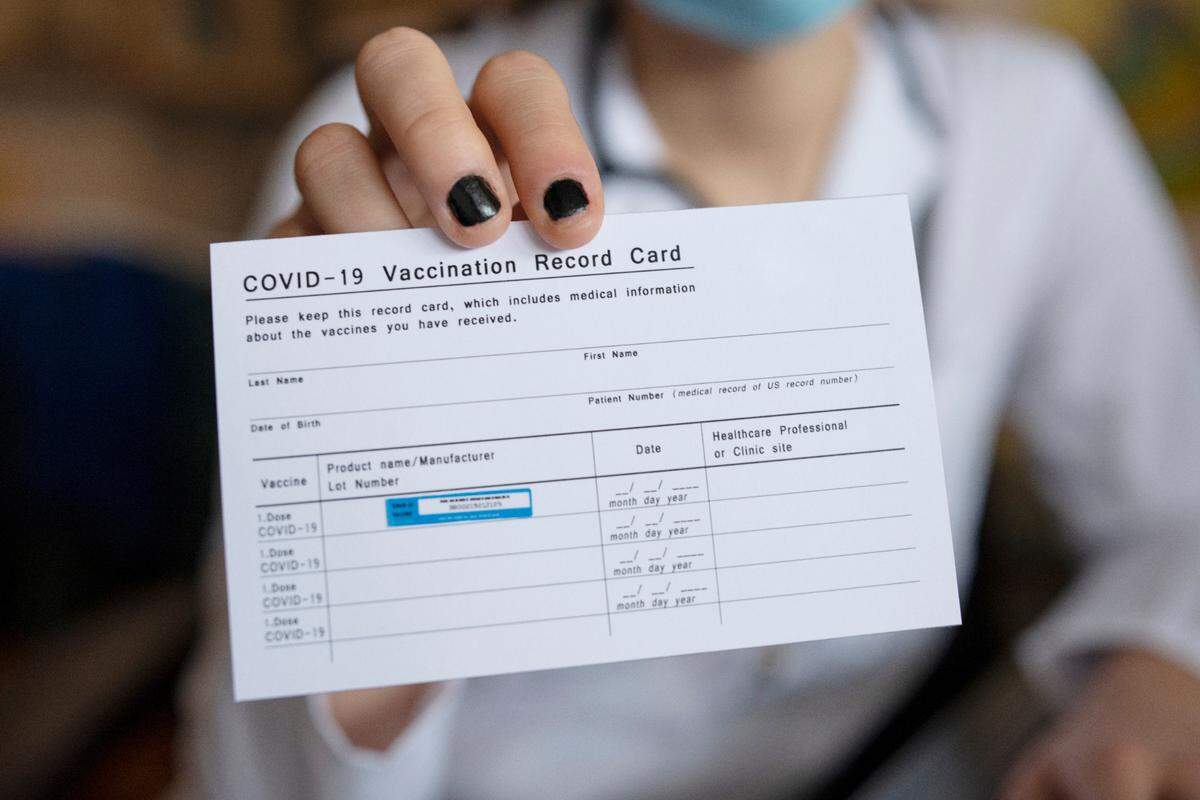
Will COVID vaccines protect me against latest variants?
“Currently available vaccines are expected to remain effective,” the California Public Health Department said.
The latest COVID-19 vaccine was released in fall 2024.
“Staying up to date with COVID-19 vaccination can reduce the risk of disease, especially more severe cases that result in hospitalization or death,” the California Department of Public Health said.
Individuals aged 6 months and older are eligible to stay up to date with COVID-19 vaccines, according to the state health agency.
“Californians should contact their health care provider for specific vaccination recommendations,” the state health department said.
This story was originally published June 10, 2025 at 5:00 AM with the headline "How does CA track COVID variants? Will vaccines protect against latest strain?."