A new COVID variant is spreading across California. Could we see a summer surge?
A new COVID-19 variant is quickly spreading across California, and health experts are warning it could lead to a surge of summer cases.
“COVID-19 continues to circulate in California and future seasonal increases in disease levels are likely,” the California Department of Public Health wrote in a statement to The Sacramento Bee.
Here’s what California residents need to know:
What is the latest COVID-19 strain?
Cases of the new coronavirus strain, known as NB.1.8.1, have been increasing statewide since May 1, according to the California Department of Public Health.
“Initial detections of NB.1.8.1 in California began in mid-March and are ongoing,” the state health department said.
According to the World Health Organization, NB.1.8.1 is a subvariant of the Omicron lineage, specifically descending from JN.1.
It carries six mutations in the spike protein, which can enhance its ability to spread.
How quickly is new coronavirus variant spreading?
As of May 18, the latest data available, the World Health Organization had identified 518 cases of the NB.1.8.1 COVID-19 variant across 22 countries, including the United States.
“Genomic variant modeling estimates suggest that NB.1.8.1 makes up approximately 55% of total COVID-19 circulating variants at this time,” the California Department of Public Health said.
In April, NB.1.8.1 made up 2% of COVID-19 cases in California — but that percentage has since spiked.
As of Thursday, May 29, the department said, NB.1.8.1 accounted for 19% of COVID-19 cases.
Symptoms of new COVID-19 variant
The California Department of Public Health said variations in symptoms between the NB.1.8.1 variant and the original COVID-19 strain have not yet been identified.
“Fortunately, the World Health Organization (WHO) believes that disease severity and symptoms of the NB.1.8.1 variant is not higher or worse compared to other circulating variants,” the department said.
Symptoms of NB.1.8.1 are similar to the other COVID-19 variants, and include:
- Fever or chills
- Cough
- Shortness of breath or difficulty breathing
- Fatigue
- Muscle or body aches
- Headache
- New loss of taste or smell
- Sore throat
- Congestion or runny nose
- Nausea or vomiting
- Diarrhea
Will COVID vaccines protect me against new variant?
“Currently available vaccines are expected to remain effective,” the California Public Health Department said.
The latest COVID-19 vaccine was released in fall 2024.
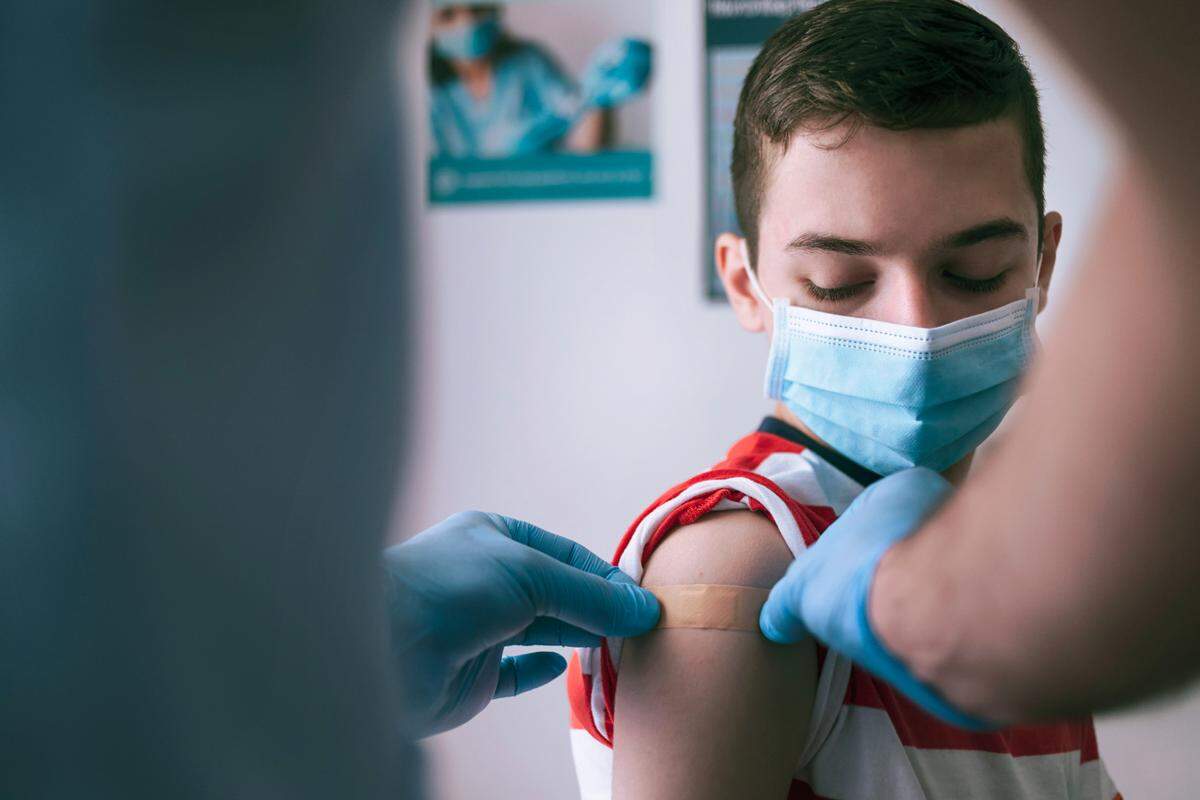
“Staying up to date with COVID-19 vaccination can reduce the risk of disease, especially more severe cases that result in hospitalization or death,” the California Department of Public Health said.
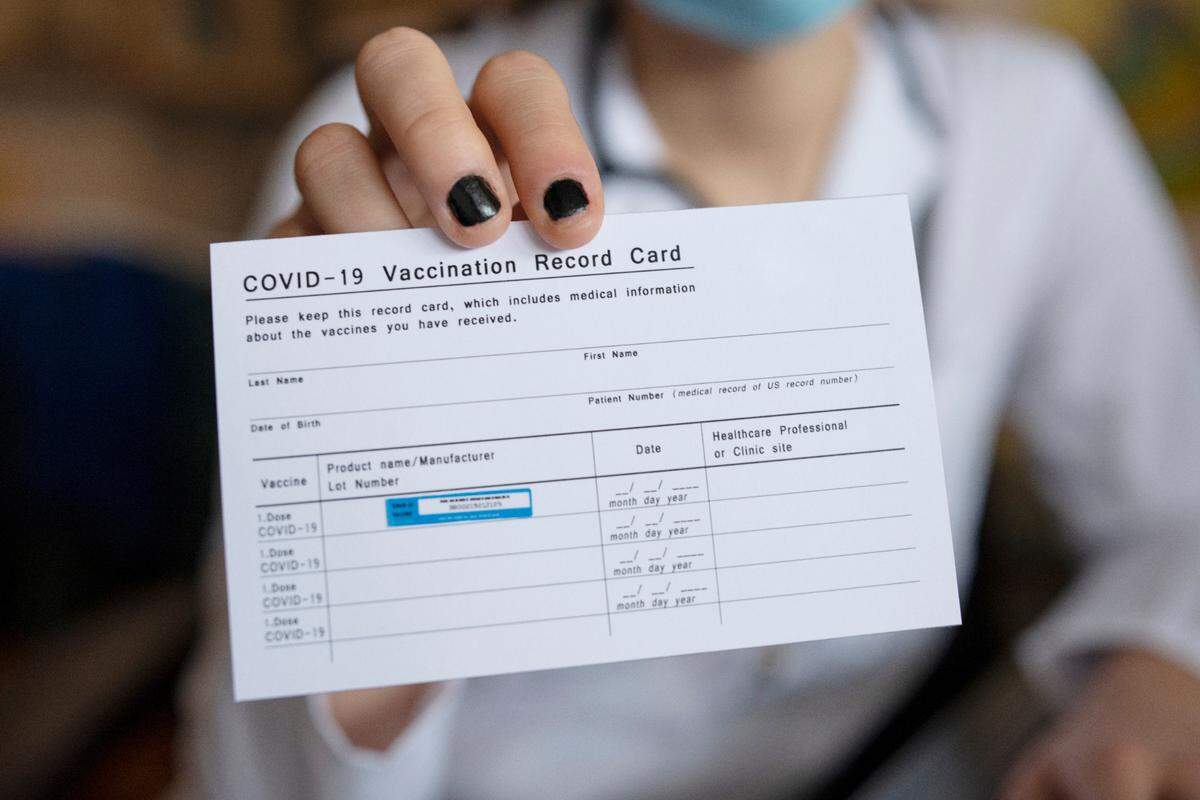
Individuals aged 6 months and older are eligible to stay up to date with COVID-19 vaccines.
“Californians should contact their health care provider for specific vaccination recommendations,” the state health department said. “CDPH will continue to follow the federal conversation through this dynamic situation.”
Will at-home tests detect COVID variants?
While the presence of mutations in SARS-CoV-2 can potentially impact test performance, the COVID-19 tests are designed to detect all known variants, according to the U.S. Food and Drug Administration’s website.
“We expect COVID tests to work well against all versions of the virus,” the U.S. Centers for Disease Control and Prevention previously told The Sacramento Bee.
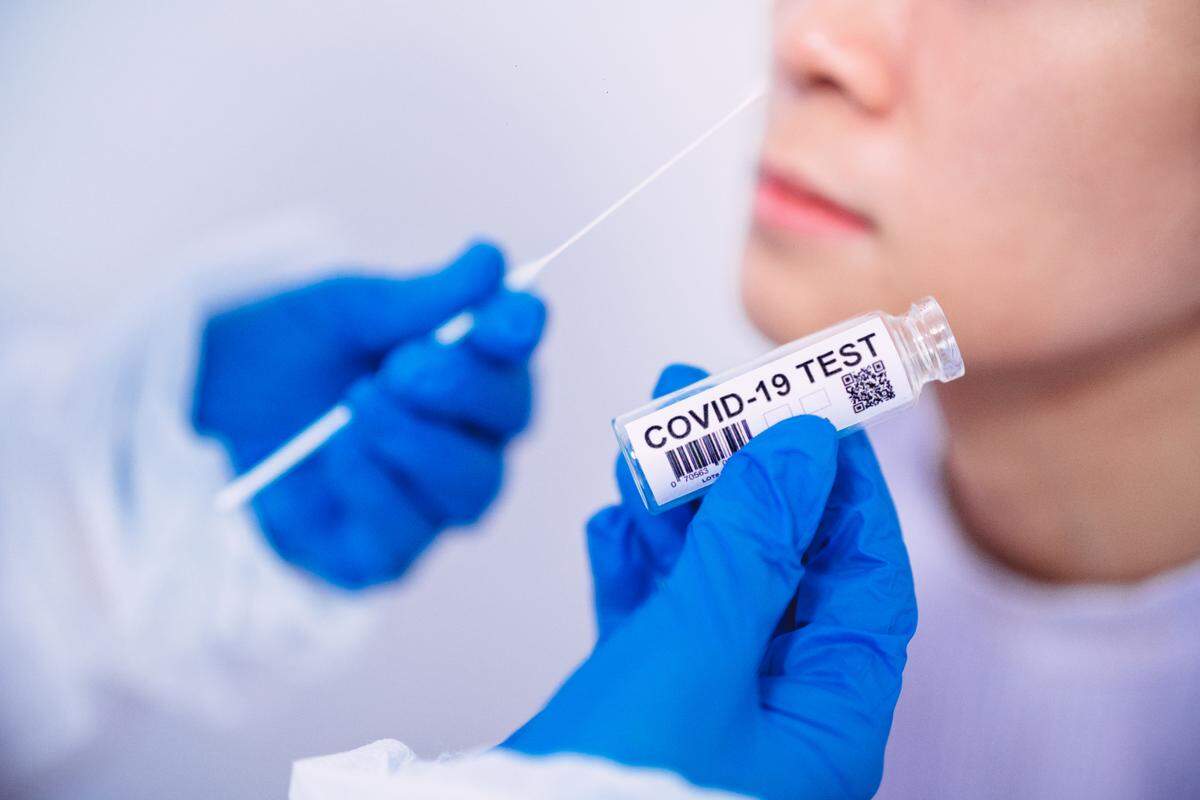
While the Food and Drug Administration’s website says that tests will typically confirm if you have SARS-CoV-2 or one of its strains, the tests cannot identify which specific variant you have.
“The FDA continues to conduct analyses to identify tests for which performance may be impacted for known SARS-CoV-2 variants,” the administration’s website says.
Why do COVID-19 cases surge in the summer?
Although respiratory viruses typically spike in the colder months, summer can bring its own risks when it comes to COVID-19.
According to the Johns Hopkins Bloomberg School of Public Health, summer COVID-19 spikes are often caused by travel, indoor get-togethers and fading immunity over time.
“While it’s still too early to say whether this dual seasonality will peter out or become the norm, understanding why these summer surges happen can help us better protect against infection, severe disease, and ruined vacations,” experts at Johns Hopkins said in a 2024 report.
This story was originally published June 1, 2025 at 5:00 AM with the headline "A new COVID variant is spreading across California. Could we see a summer surge?."