Can I get flu, COVID and RSV vaccines together? What California health experts say about shots
As California settles into flu and cold season, there are new vaccines to combat viral infections, according to doctors.
The U.S. Food and Drug Administration recently approved new versions of COVID vaccines to better protect the public against currently circulating variants.
The vaccines manufactured by ModernaTX Inc. and Pfizer Inc. now include a component targeting the Omicron variant KP.2 strain of SARS-CoV-2, the administration said in an August news release.
The updated vaccine is available to everyone 6 months and older.
The news comes as coronavirus cases rise in California and across the country.
Along with the new COVID vaccines, there are other shots you should look out for this season.
What are the new COVID-19 vaccines?
The new COVID-19 vaccines are one-dose shots that serve as a “reminder” for your immune system, according to Dr. Peter Chin-Hong, a professor and doctor specializing in infectious disease at the University of California, San Francisco.
Chin-Hong said people should get the new coronavirus vaccines because they have been updated to the KP.2 variant.
“If your goals are to avoid death and hospitalization, (the vaccines are) more closely aligned with what is circulating,” Chin-Hong told The Sacramento Bee in August. “(They) should give good protection.”
When should I get updated coronavirus shots?
Chin-Hong said people shouldn’t rush to get the vaccines right away as summer COVID-19 cases are beginning to stabilize.
“If you want to be strategic getting it, then October is the sweet spot to protect against infection in the winter,” Chin-Hong said.
The only ones who should rush to get the latest vaccines are those who are older than 65, immune-compromised or haven’t been vaccinated in the past year, he said.
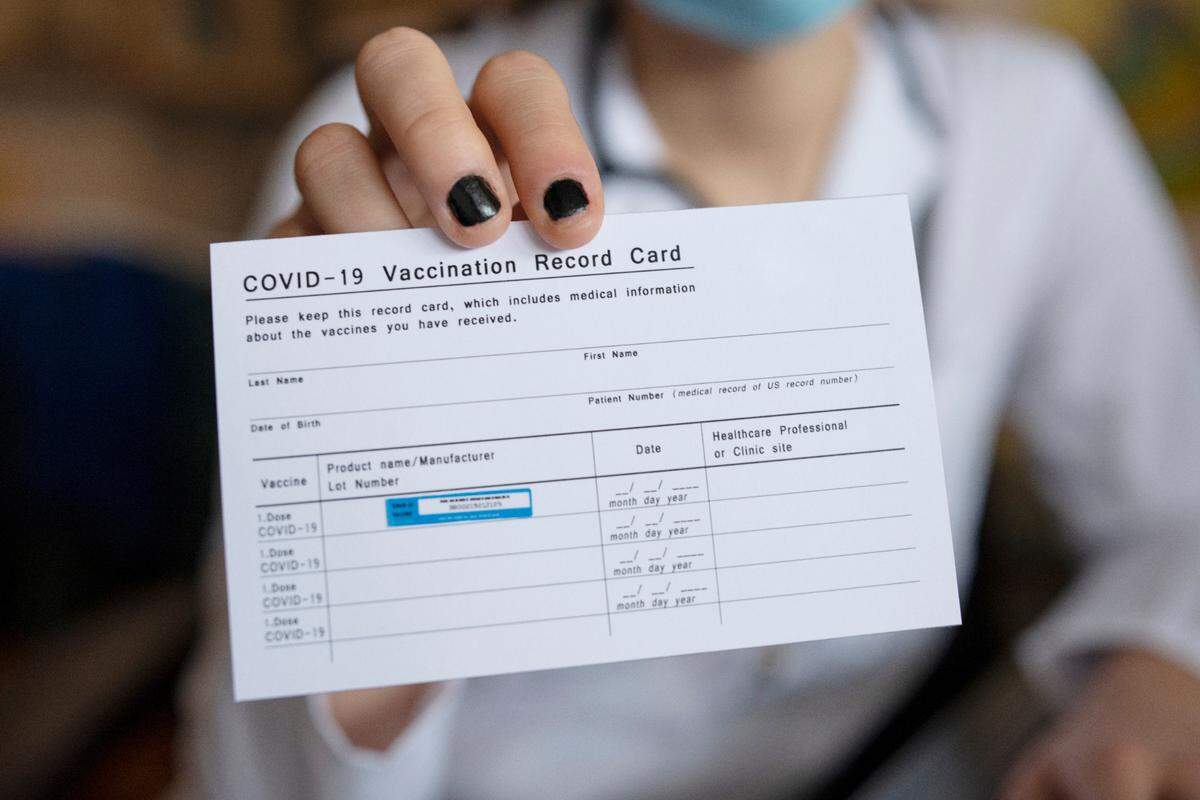
Where can I get vaccinated against COVID?
Those who are six months and older are eligible to get the new vaccines, according to the FDA.
Shots are available at doctor’s offices, vaccine clinics and pharmacy retailers such as CVS and Walgreens.
According to the California Department of Insurance, coronavirus vaccines are covered by insurance, as well as Medicare and Medicaid plans, and people can get it from their health care provider or local pharmacy.
Uninsured children can get the vaccine for free using the Vaccine for Children Program and uninsured adults can use the Bridge Access Program, a no-cost vaccine program that ends Dec. 31.
You can search for the nearest vaccine clinic and make an appointment online.
Can I still get the old COVID vaccine?
You do not need to have received previous COVID-19 vaccines to get the newest versions, Chin-Hong said.
“You’re starting from scratch,” he said. “It’s just like the flu shot. Every year you get a flu shot, you get a COVID shot.”
What is the 2024 flu shot?
The FDA said the influenza vaccine is updated every year to keep up with how flu strains evolve over time.
Flu viruses spread primarily in the fall and winter, with peak activity between December and February.
Getting vaccinated in the fall can help reduce your risk of contracting the flu, the FDA said.
“Flu viruses can change from year to year, so the vaccine is updated to protect against the influenza virus strains that are expected to circulate in the U.S.,” the federal agency said in an August news release.

Where can I get the flu vaccine?
Flu vaccines are available at health provider offices and pharmacies, including CVS and Walgreens.
You can find a vaccine location near you on the U.S. Centers for Disease and Control and Prevention website.
What is RSV?
Respiratory syncytial virus — or RSV — is a common virus that causes mild, cold-like symptoms.
This includes runny nose, itchy eyes, sneezing, cough and a low-grade fever.
“These symptoms usually appear in stages and not all at once,” the CDC said. “In very young infants with RSV, their only symptoms may be irritability, decreased activity, and breathing difficulties.”
If you are having difficulty breathing, not drinking enough fluids, or experiencing worsening symptoms, the CDC said, it’s important to seek emergency care
Each year, up to 80,000 children 5 years old and younger and up to 160,000 adults 65 years and older are hospitalized for RSV in the United States, according to the CDC.
RSV season typically starts in the fall and peaks in the winter.
In 2023, the season started early in October, with RSV cases surging in California in December.

What shots are available for RSV?
The CDC said there are currently three RSV vaccines available for adults 60 and older: GSK’s Arexvy, Moderna’s mResvia and Pfizer’s Abrysvo.
The CDC advises that people talk to their health care provider about which vaccine is appropriate.
The CDC recommends two options to protect babies from RSV: a maternal RSV vaccine, which is Pfizer’s Abrysvo, given between weeks 32 and 36 of pregnancy or an RSV antibody, known as nirsevimab, given directly to babies and some young children aged 8 to 19 months.
The CDC said that the vaccine should be administered in October through the end of March, as it can help reduce hospitalization and doctor visits in infants by 80% to 90%.
The CDC recommended in August that infants under 8 months old who are born during or entering their first RSV season get one dose of the vaccine. Older babies, from 8 to 19 months, who are at increased risk are also recommended to get one dose in their second season.
Where can I get RSV vaccine?
You can schedule an appointment at your local pharmacy, such as CVS, Walgreens, Safeway, or your primary care physician to get the RSV vaccine.
Can I get the flu, RSV and COVID vaccines all at once?
The CDC said it is safe to get your RSV, flu and COVID vaccines at the same time.
“Our top recommendation for protecting yourself and your loved ones from respiratory illness is to get vaccinated,” Dr. Mandy Cohen, director of the CDC, said in June. “Make a plan now for you and your family to get both updated flu and COVID vaccines this fall, ahead of the respiratory virus season.”
This story was originally published September 17, 2024 at 6:00 AM with the headline "Can I get flu, COVID and RSV vaccines together? What California health experts say about shots."