Who should get new COVID vaccines? What’s changed? A California doctor explains
As COVID-19 cases rise across California, the U.S. Food and Drug Administration has approved new versions of vaccines to better protect the public against currently circulating variants.
The vaccines manufactured by ModernaTX Inc. and Pfizer Inc. now include a component targeting the Omicron variant KP.2 strain of SARS-CoV-2, the administration said in a Thursday news release.
“The mRNA COVID-19 vaccines have been updated with this formula to more closely target currently circulating variants and provide better protection against serious consequences of COVID-19, including hospitalization and death,” the news release says.
The newest coronavirus variant currently circulating the country is known as KP.3.1.1.
The variant was linked to about 36.8% of all COVID-19 cases as of Aug. 17, the newest data available.
Dr. Peter Chin-Hong, a professor and doctor specializing in infectious disease at the University of California, San Francisco, breaks down what to know about the new versions of the vaccines:
Who should get new COVID-19 vaccines approved by FDA?
Chin-Hong said people should get the new coronavirus vaccines because they have been updated to the KP.2 variant.
“If your goals are to avoid death and hospitalization, (the vaccines are) more closely aligned with what is circulating,” he said. “(They) should give good protection.”
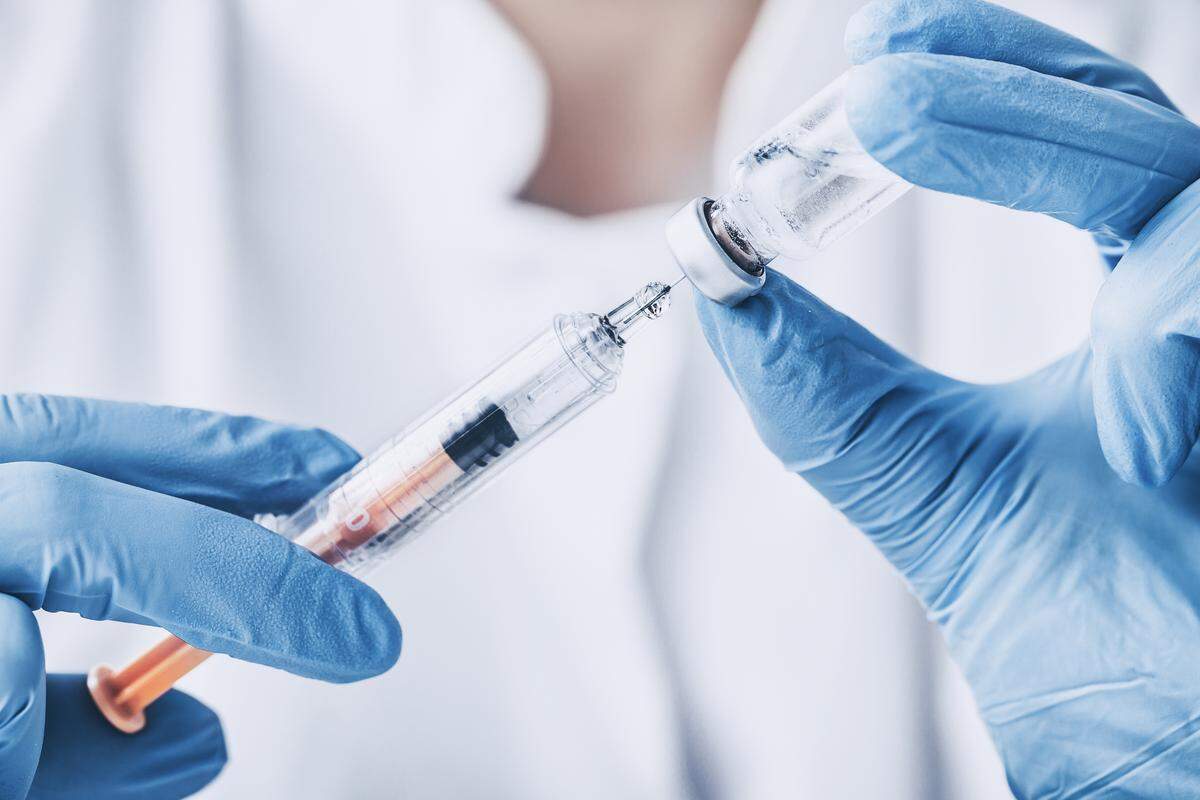
How many shots do you need?
Chin-Hong said most people will only need one shot of the new vaccines.
That’s except for children five and under, he said.
Smaller kids “will have a different series, so people should talk to their pediatrician,” Chin-Hong said.
When will new coronavirus vaccines be available in California?
With pharmacy retailers, such as CVS and Walgreens, already scheduling appointments, Chin-Hong said he anticipates that people could start receiving the new vaccines as early as next week.
However, he said people shouldn’t rush to get the vaccines right away as summer COVID-19 cases are beginning to stabilize.
“If you want to be strategic getting it, then October is the sweet spot to protect against infection in the winter,” Chin-Hong said.
The only ones who should rush to get the latest vaccines are those who are older than 65, immune-compromised or haven’t been vaccinated in the past year, he said.
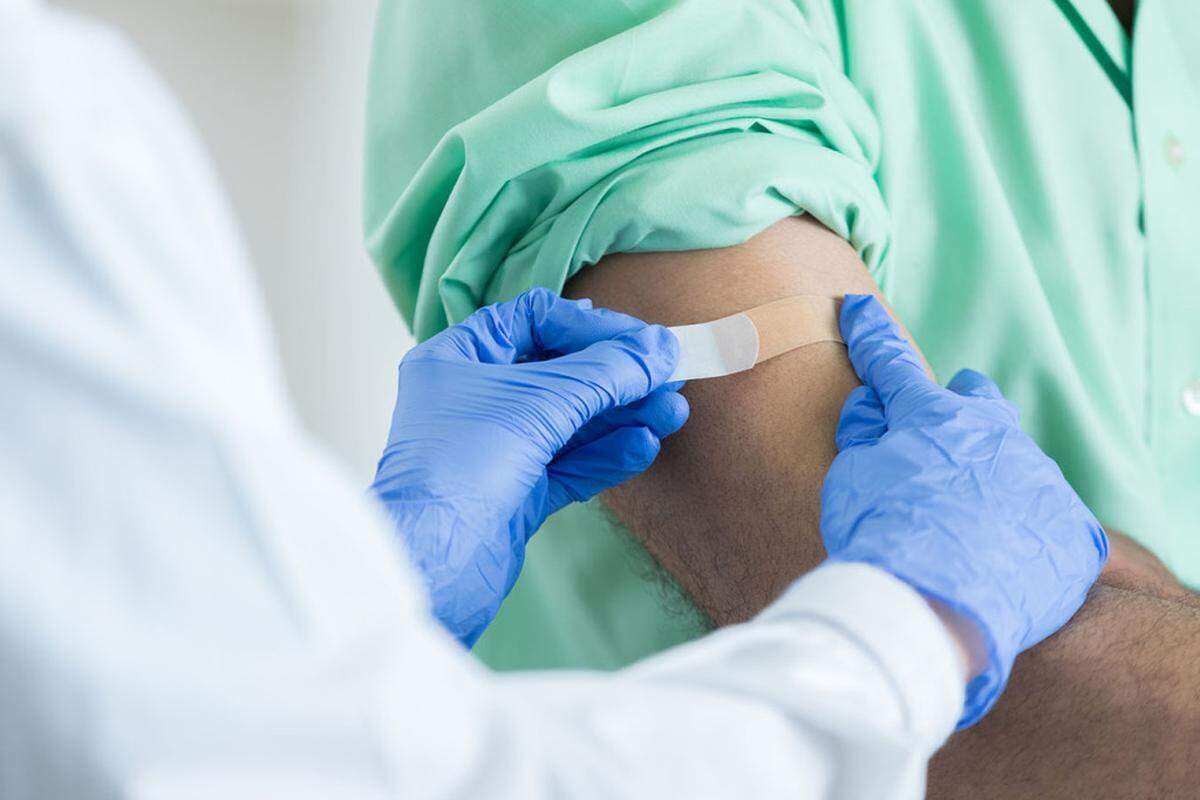
Who is eligible to get the new vaccines?
Everybody six months and older is eligible to get the new vaccines, according to the FDA.
Are there any side effects?
Chin-Hong said there are no new side effects with the new COVID vaccine.
As with previous COVID-19 vaccines, the most common reaction is mild soreness at the injection site.
Other possible COVID-19 vaccine side effects include:
- Tiredness
- Headache
- Muscle pain
- Chills
- Fever
- Nausea
Though the FDA has not yet approved a new vaccine from Novavax, Chin-Hong said people should wait to receive that one if they’ve previously had bad reactions with mRNA versions of vaccines from Moderna and Pfizer.
Novavax is “more of a traditional vaccine,” he said.
Novavax aims to provide consumers with a protein-based vaccine option targeting the JN.1 strain and related variants by this fall.
“Novavax is working expeditiously to provide the additional information the U.S. FDA requires to complete its review and we are grateful for their ongoing efforts and strong partnership,” President and CEO of Novavax John C. Jacobs said in a news release on Saturday.
It will be available for people ages 12 and older.
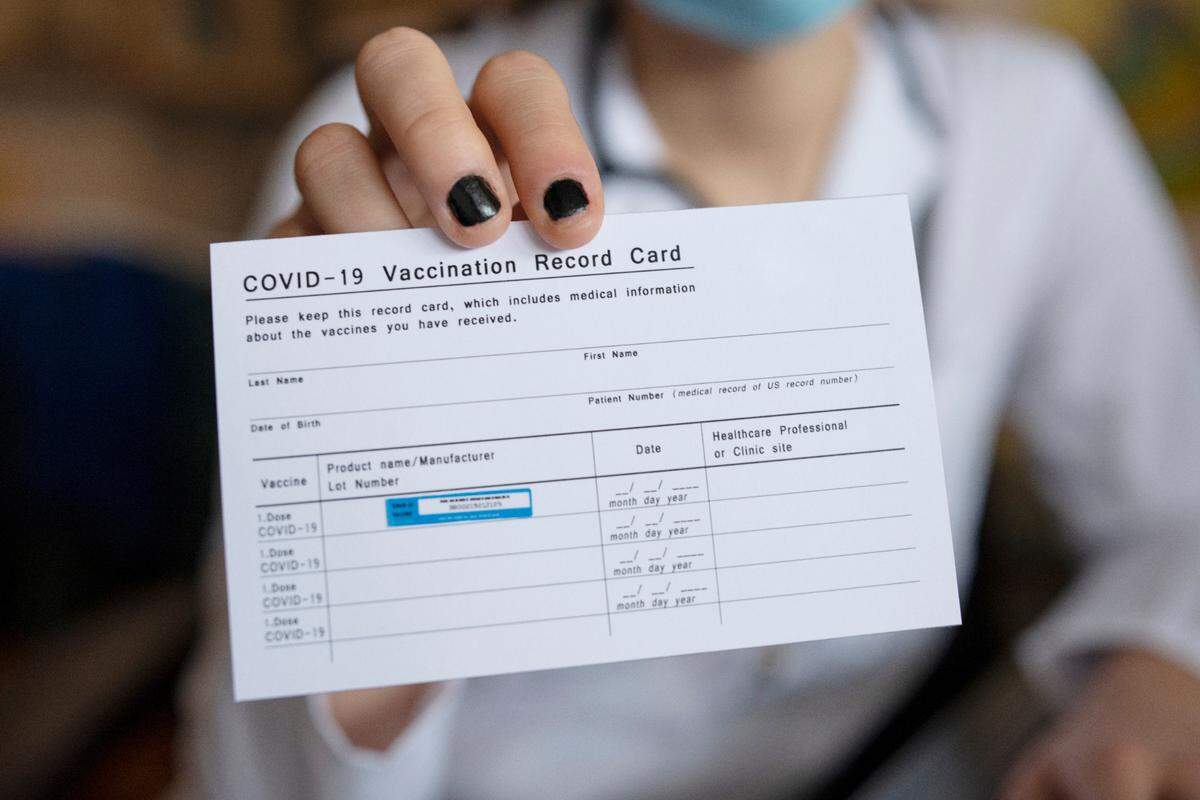
Should people still get old COVID vaccines?
You do not need to have received previous COVID-19 vaccines to get the newest versions, Chin-Hong said.
“You’re starting from scratch,” he said. “It’s just like the flu shot. Every year you get a flu shot, you get a COVID shot.”
Will the new vaccines protect against the virus?
“Yes,” Chin-Hong said. “It’s giving you an extra boost — like a reminder.”
He said the new vaccines will help protect your immune system against future disease.
“It will work for probably as long as a year in most people,” or until next fall, which is when the FDA will likely release a newer version of the vaccine, Chin-Hong said.
This story was originally published August 26, 2024 at 2:47 PM with the headline "Who should get new COVID vaccines? What’s changed? A California doctor explains."