Bird flu has been reported in the Central Valley. Is it contagious? What are symptoms?
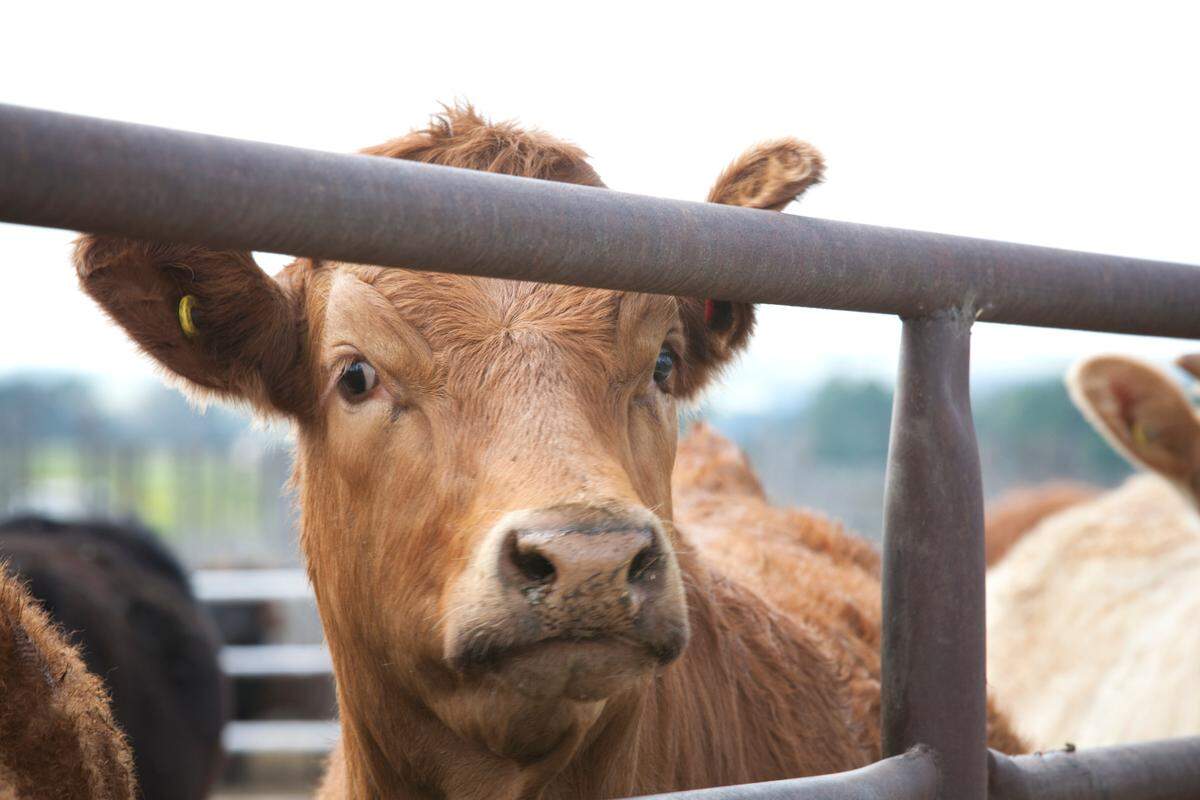
Three Central Valley dairies have tested positive for the highly pathogenic avian influenza, according to the California Department of Food and Agriculture.
Though the virus has been widespread across the United States, this marks the first detection of the virus in California dairy cows.
While the affected dairies are under quarantine and infected cows will be isolated, officials said the public that California’s milk supply is safe and dairies will continue to ship milk from healthy cows for pasteurization.
Here’s what you should know about the avian influence circulating across the Central Valley:
What is bird flu?
According to the U.S. Food and Drug Administration, avian influenza — also known as bird flu — is a highly contagious and often deadly disease primarily found in poultry.
It is “caused by highly pathogenic avian influenza A (H5) and A (H7) viruses,” the food agency said on its website.
While the virus can spread from wild birds to domestic poultry and other animals, it can also infect humans in rare cases.
“It is important to note that ‘highly pathogenic’ refers to severe impact in birds, not necessarily in humans,” the agency said.
How is avian influenza spread to humans?
According to the U.S. Centers for Disease and Control Prevention, avian influenza viruses are spread by infected birds through saliva, mucus and feces.
It can also be present in the respiratory secretions, organs, blood, or body fluids of other infected animals — including milk.
Human infections occur when the virus enters the eyes, nose or mouth, or is inhaled through airborne droplets, aerosol particles or dust. It can also be transmitted by touching contaminated surfaces and then touching the face.
“Illness in humans from avian influenza virus infections have ranged in severity from no symptoms or mild illness to severe disease that resulted in death,” the CDC said.
What are symptoms of avian flu?
According to the CDC, avian flu symptoms in humans can include:
- Eye redness
- Mild flu-like upper respiratory symptoms
- Pneumonia requiring hospitalization
- Fever
- Cough
- Sore throat
- Runny or stuff nose
- Muscle or body aches
- Headaches
- Fatigue
- Shortness of breath or difficulty breathing
- Diarrhea
- Nausea or vomiting
- Seizures
Are there recent bird flu cases in humans?
There have been four avian flu infections in humans so far in 2024, the CDC reported in July.
The most recent case involved an agricultural worker in Colorado, who pnly experienced eye symptoms.
Previous cases involved agricultural workers in Texas and Michigan.
How can I prevent getting the avian flu?
To prevent getting the avian flu, the CDC said, you should
avoid contact with surfaces that appear to be contaminated with animal feces, raw milk, litter or materials contaminated by birds or other animals with suspected or confirmed avian influenza virus infection.
Is the avian flu contagious?
“The spread of bird flu viruses from one infected person to a close contact is very rare, and when it has happened, it has only spread to a few people,” the CDC said.
However, due to the potential for the virus to mutate and spread, the CDC said people should monitor for infection and possible transmission.
What should I do if I think I have the avian flu?
If you believe you have been infected with avian flu, the CDC said you should consult your primary health care physician.
“Bird flu virus infection in people cannot be diagnosed by clinical signs and symptoms alone,” the CDC said. “Laboratory testing is needed.”
The virus is usually detected through a swab from the upper respiratory tract in the nose or throat, ideally collected within the first few days of illness.
This story was originally published September 3, 2024 at 1:54 PM with the headline "Bird flu has been reported in the Central Valley. Is it contagious? What are symptoms?."