
Hoodwinked: Sherri Papini’s kidnapping hoax played on sympathy and entangled innocent people
READ MORE
Hoodwinked: Sherri Papini kidnapping hoax series
Click the arrow below for more coverage on Sherri Papini and the kidnapping hoax that garnered nationwide attention.
Expand All
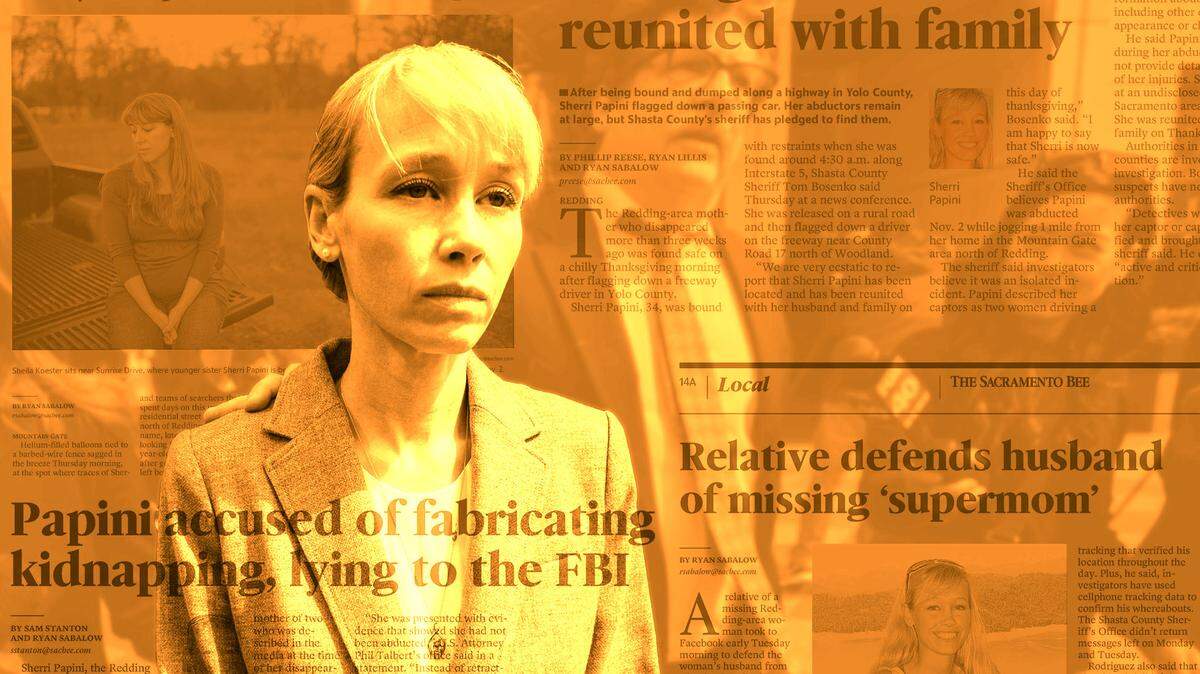
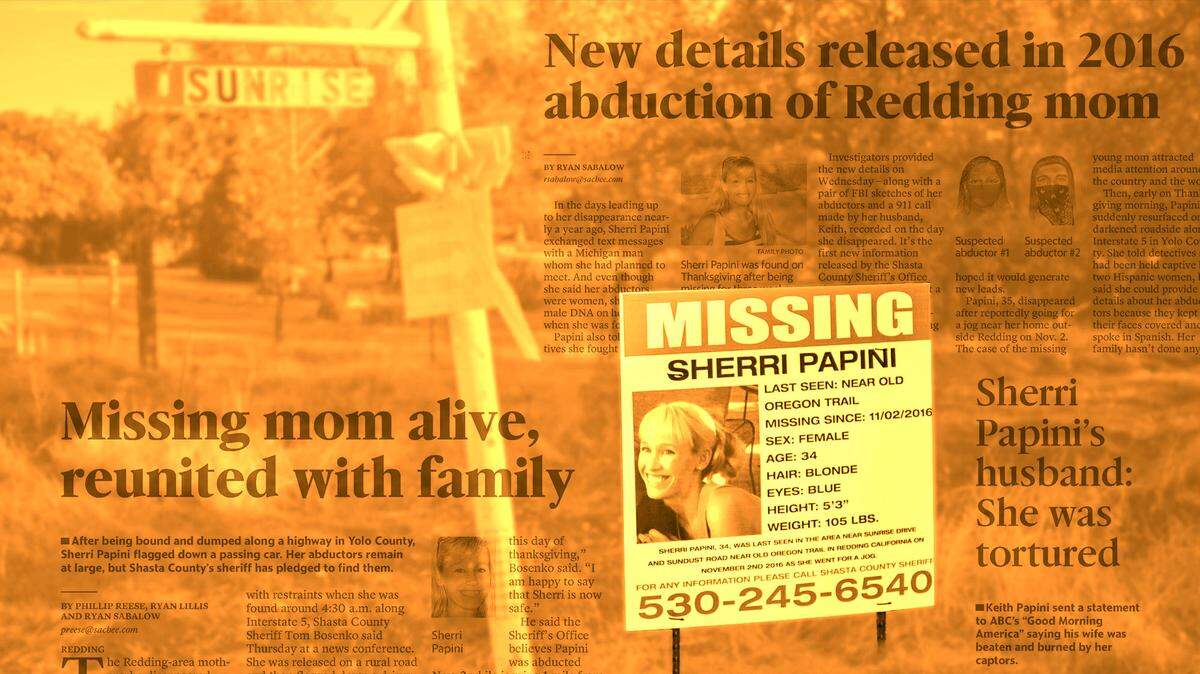
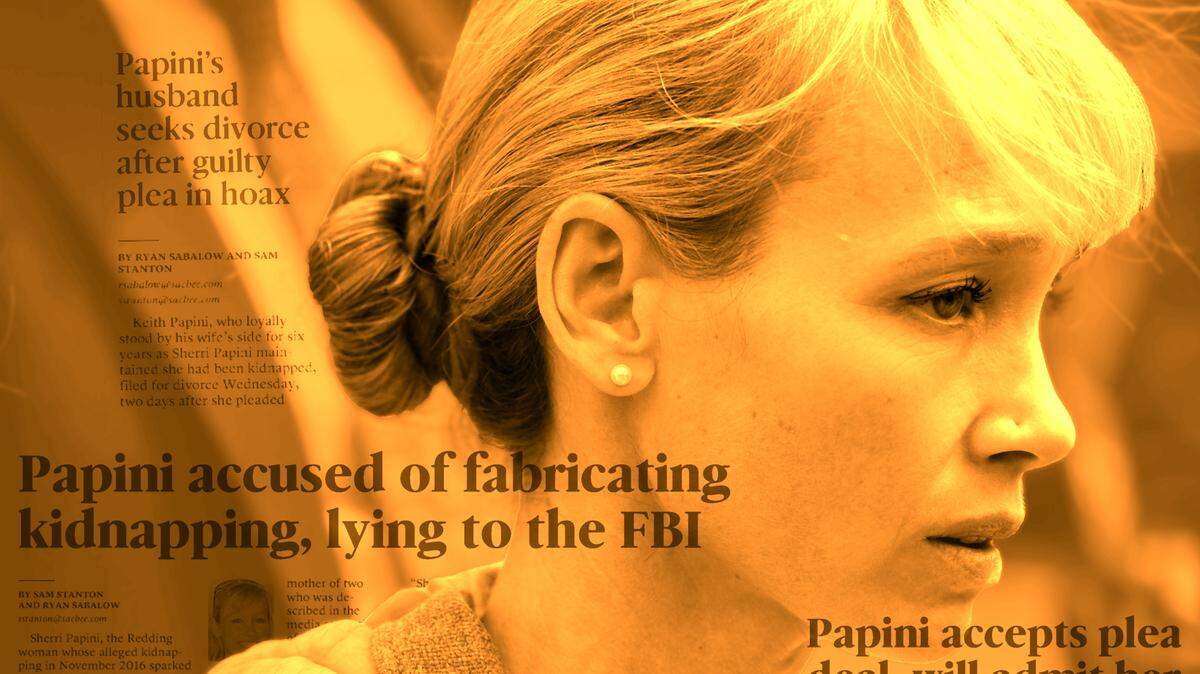
This is the first of three stories that chronicle Sherri Papini’s kidnapping hoax. If you want to skip ahead, click here to read part two and here to read part three.
Missy McArthur believed Sherri Papini’s story. She believed every word.
Only days before, Papini, chains around her wrists and waist, her voice hoarse from screaming, had flagged down a motorist along a darkened road north of Sacramento.
She told detectives that she’d spent 22 days locked in a room, a bucket filled with kitty litter for a toilet. Her captors, she said, were two Latinas who kidnapped her at gunpoint while she was on a jog near her home north of Redding. They beat her. They branded her shoulder as if she were livestock. They told her she was going to be sold as a slave to a cop. Then, inexplicably, they let the 34-year-old mom go.
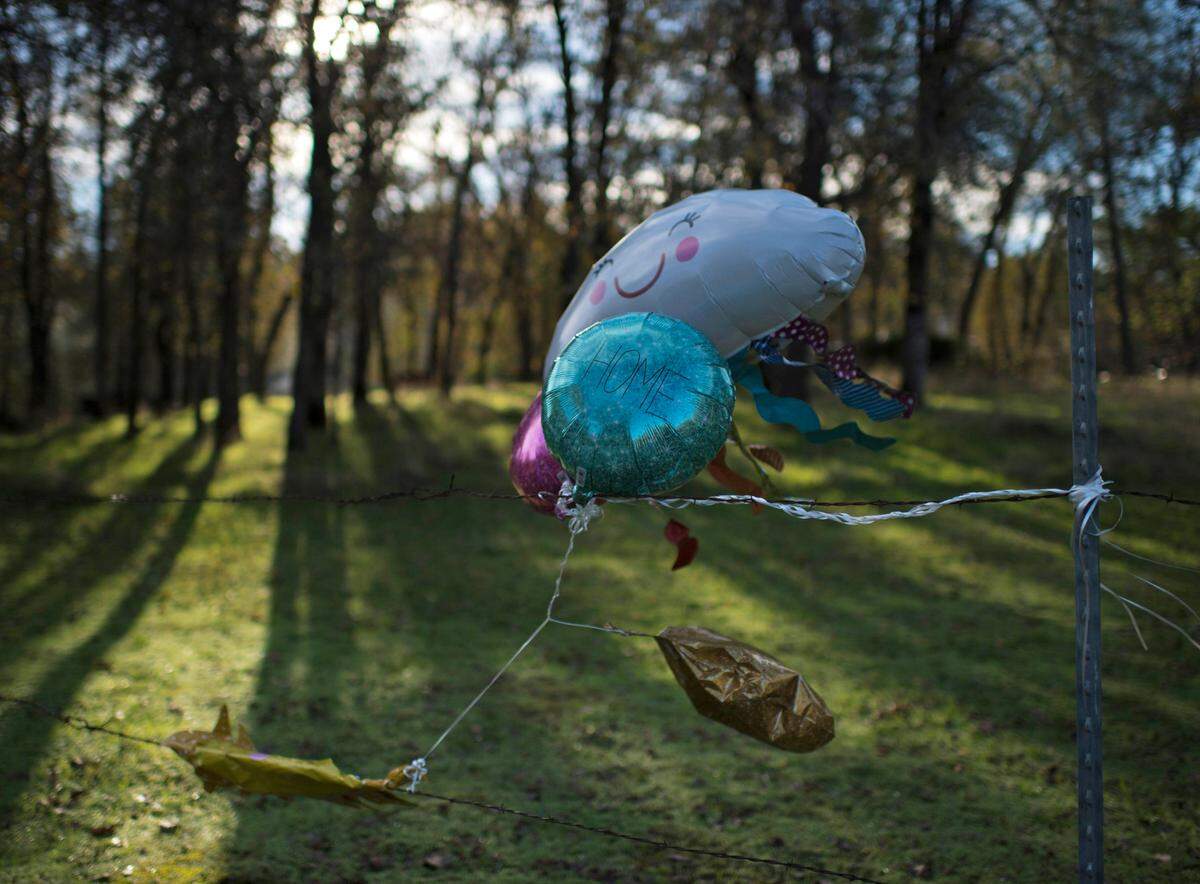
Now, here she sat safely on a living room couch, the invited guest of McArthur, the then-mayor of Redding. Papini’s husband, Keith, did most of the talking, McArthur recalled, while his wife sat hunched over, gaze locked on the floor.
Inside that living room, McArthur, a former physician’s assistant who worked in hospital emergency rooms, saw a woman still cowering in fear of her tormentors.
“This was part of my wheelhouse to see people traumatized by things. You can’t work in an ER for years and not see it.” McArthur recalled 5½ years later, sitting in the same living room. “So I just believed it. I believed it. And she certainly appeared to have signs of PTSD.”
But it was all a lie.
The world now knows the two women never existed after Papini pleaded guilty this spring to lying to FBI agents. Her three weeks in “captivity” in November 2016 were spent in a Southern California apartment with an ex-boyfriend, James Reyes. At Papini’s request, FBI agents said, he branded her shoulder with a wood-burning tool, he hit her with a hockey puck and he held up a hockey stick so that Papini could ram her face into it and break her own nose.
Papini, through her attorney Bill Portanova, declined to comment for this story. Portanova also declined comment.
More than a mere tabloid tale that at once captivated the nation, Papini’s story is one of a community that went from heartbroken to hoodwinked.
What follows is the most comprehensive retelling of the story of Papini’s disappearance, her re-emergence and the web of people victimized by her lies.
It is the culmination of hours of interviews Sacramento Bee reporters Ryan Sabalow and Sam Stanton conducted over the years, both before and after her arrest, and a review of court filings, public records, 911 calls and court testimony. The Bee and its attorneys also successfully petitioned the Shasta County Superior Court to unseal 17 search warrants that detectives had obtained in the case. Those warrants provide previously unreported details that appear in this three-part story.
The Disappearance
The last text message Keith Papini received from his wife on Nov. 2, 2016, urged him to come home for lunch so they could have sex. He wasn’t able to sneak away from work. But when he got home that evening, the house was empty. It made him nervous because the kids didn’t come home either, and Sherri didn’t return his calls. He used a cellphone locator app and found her phone near the edge of their driveway. Their wedding song, Michael Bublé’s “Everything,” was playing on repeat through the phone’s earbuds.
He called 911.
Dispatcher: “Hello, can I help you?”
Keith Papini: “I just got home from work and my wife wasn’t there, which is unusual. And my kids should have been there by now from daycare. So I was like, ‘Oh, maybe she went on a walk.’ I couldn’t find her. So I called the daycare to see what time she picked up the kids. The kids were never picked up. So I got freaked out. … So I hit, like, the ‘Find My iPhone’ app thing. And it showed her phone like at the end of our driveway… I’m totally freaking out thinking that somebody grabbed her.”
Dispatcher: “When’s the last time you heard from her?”
Papini: “She sent me a text asking me if I was coming home from lunch.”
Dispatcher: “What time are the kids supposed to be picked up?”
Papini: “Way before 5:30. She usually goes like 4-4:30-4:45”
Dispatcher: “Okay, are you headed back to the house or where are you at right now?”
Papini: “I’m at the end of the driveway. I’m at Old Oregon Trail and Sunrise where they meet because that’s right where I found her phone on the ground. That’s telling me that something happened to her. Then there’s, like, hair in the headphones. Like they got ripped off.”
In the days that followed, Keith Papini took a lie-detector test to prove he wasn’t involved in her abduction. Sheriff’s deputies with tracking dogs and volunteers walked grid patterns pushing through poison oak in the brushy foothills surrounding the neighborhood where Sherri disappeared.
A local company printed hundreds of signs featuring Sherri Papini’s face and the number for the sheriff’s office. They soon hung from power poles and fences around town.
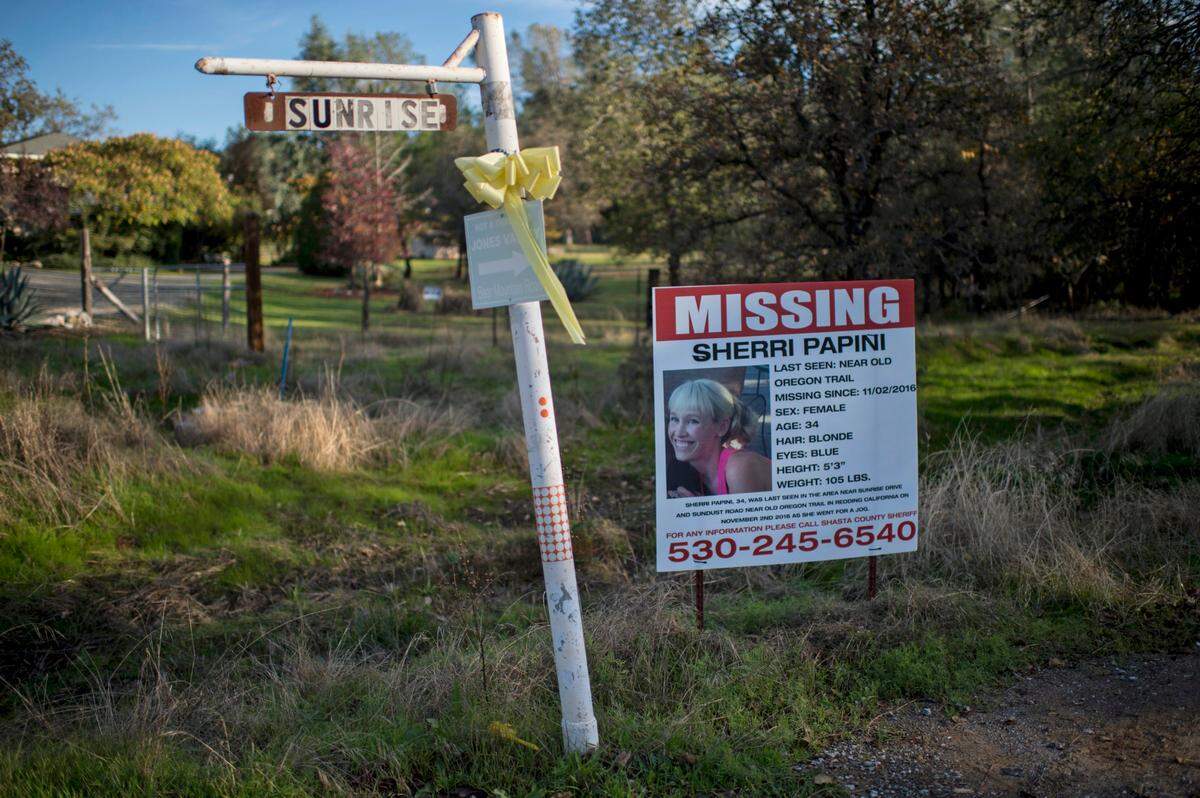
At the intersection where she went missing, a trio of balloons hung from a barbed-wire fence. “Bring” “Sherri” “Home” was written on them in black marker.
Papini’s family reached out to media outlets. It wasn’t a particularly hard sell for a news industry that’s increasingly facing criticism for overhyping stories about missing attractive white women, while paying scant attention to other missing-persons cases.
When she was younger, Papini had been an account executive for AT&T for several years, covering several stores. After she was laid off due to corporate downsizing, she embraced motherhood. She became a stay-at-home mom who home-schooled her children. Her family told reporters she was deeply devoted to her family and would do anything for her children. Headlines and articles declared Papini a “Super Mom.”
Her family shared a number of photos of Papini with news outlets in the hopes someone would recognize her. There were plenty of photos to choose from. Sherri with her children. Sherri with her husband. Sherri smiling as she posed for a picture in front of Shasta Dam.
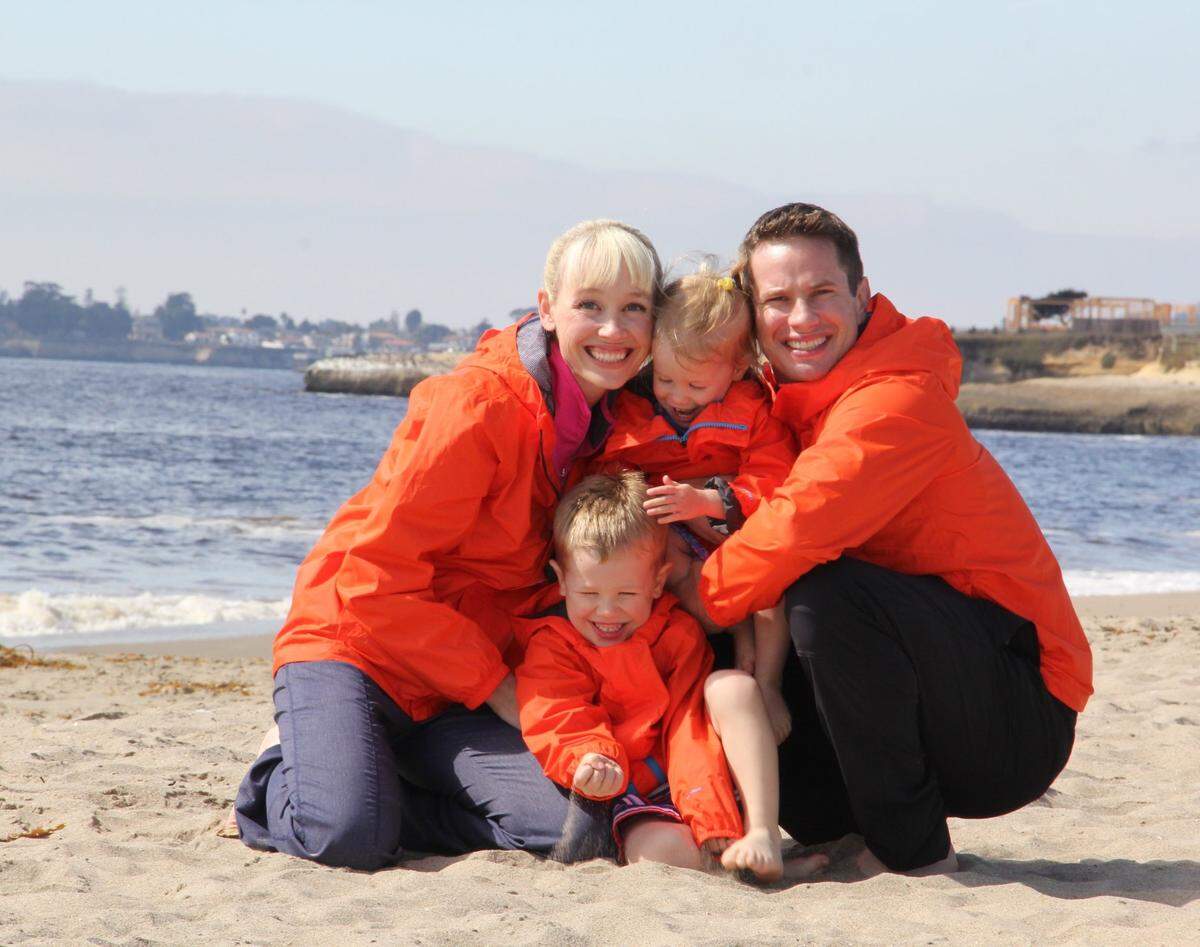
But one photo would get widely shared by the tabloids and the likes of “People’’ magazine in the weeks and years ahead: An image of Papini’s striking blue eyes looking directly into the camera. Keith appears to lean in to kiss her neck.
Meanwhile, donations poured into a GoFundMe account, and a self-proclaimed hostage negotiator and an anonymous donor became involved. A ransom and rewards totalling at least $100,000 were offered.
On Nov. 15, almost two weeks after her disappearance, Keith Papini and Sherri’s sister, Sheila Koester, appeared at a Redding City Council meeting begging for help.
“I’m just trying to do everything I can to get her face everywhere, her name out to everybody,” Keith Papini told the council.
They asked the council to allow them to release balloons in her honor.
“We will make that happen for you,” then-Mayor McArthur replied. “And our prayers are with you.”
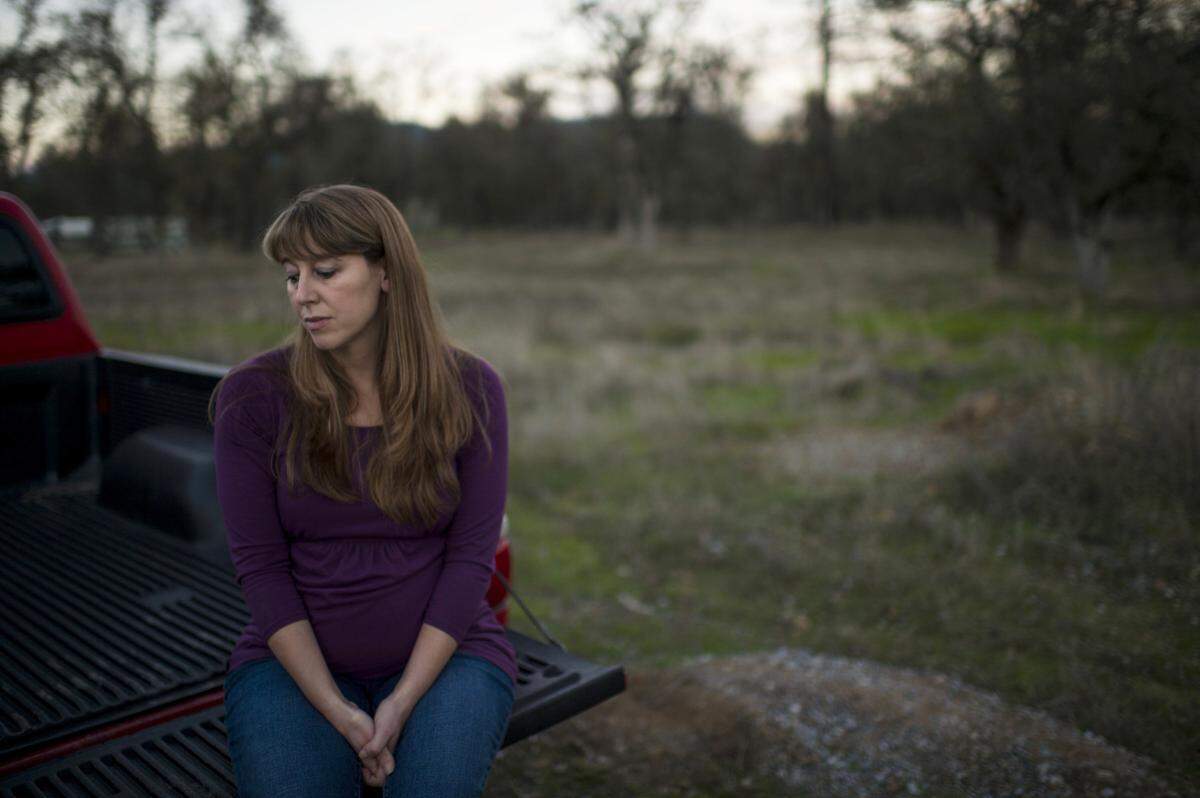
But hopes that Sherri Papini would be reunited with her family began to fade as the days dragged on and the helium in the balloons began to sag. Her case brought back horrifying memories of other women who were abducted, went missing or were murdered in Shasta County over the years.
There was serial killer Darrell Keith Rich, “The Hilltop Rapist,” who murdered three women and an 11-year-old girl in Redding in 1978. He was executed in 2000.
In 1997, Christine Munro, a 37-year-old nurse with blonde hair was found dead along the River Trail, where she’d gone for a jog. She’d been stabbed over and over. At the time Papini was missing, no suspects had been identified. Due to a DNA hit, her killer, James Earl Watkins, pleaded guilty to her murder in 2021.
And there was the 1998 disappearance of Tera Smith, a 16-year-old blonde girl who went to high school with Papini. The last person to have seen her said she went for a jog on Old Oregon Trail, the same road where Papini later vanished. Smith’s body was never found. No arrests were made.
Less than a week after Papini went missing, Keith Papini spoke with Tera Smith’s father, Terry, and asked him for advice. He had little to offer other than to doggedly insist detectives throw everything they have at the case and to not give up.
But Terry Smith told a Bee reporter a few days before Papini showed back up that he wasn’t optimistic.
“In the Papini case, they’ve got nothing. Nothing at all,” Terry Smith said. “I didn’t have a lot of comfort to offer him. I’m not real confident that anything’s going to come out of it, but how do you tell somebody five days after their wife’s gone missing that she’s probably gone for good?”
Suspect No. 1 in Papini abduction
While Sherri Papini was missing, detectives were aggressively pursuing leads.
For a time, they even thought they had their abductor: Donovan Miske, a health care consultant from Michigan.
According to the search warrants The Bee had unsealed, Papini’s deleted text messages revealed that she’d been texting with Miske as recently as the week before she disappeared on Nov. 2.
Miske met Papini in 2011, according to his statement to detectives, when she was in Michigan for a conference.
Miske told The Bee he didn’t know she was married, though she’d been with her husband Keith for two years at that point.
“She appeared to be an exceptional individual,” he said. “Obviously, she was drop-dead gorgeous. And everybody that met her was enamored by her. She was really pretty magical, as I recall.”
Even so, he said, the relationship faded over the years. The two gradually stopped speaking.
She messaged him out of the blue in 2016, presumably when she saw from his social media accounts that he was in San Francisco for work, Miske said.
“I’m in a conference from 9-5. How far of a drive? Where would we meet?” Miske texted her on Oct. 29, according to the search warrants. She replied that she was four to five hours away. “Yikes,” he wrote.
Her messages quickly grew uncomfortable, frequent, frantic — and cryptic.
Miske said one of Papini’s messages was to the effect of, “If we don’t meet now, we may never meet again.”
“I thought to myself, ‘I’m not meeting up with this person,’ ” he said. “It sounds like too much hassle, too weird.”
The distance and Papini’s odd texts prevented a rendezvous, but their messages did persuade two Shasta County detectives to travel halfway across the country to pay Miske a visit.
They, along with the U.S. Marshals and Michigan police officers, showed up unexpectedly at his client’s office and began asking him questions.
“‘Did I have a party and someone leave drugs at my house?’” Miske remembers thinking. “‘Did I accidentally hit someone when I was driving my car? Was there some embezzlement case where I was pinged for it?’ I was trying to go through all the possibilities. And it seemed extremely serious, like I had committed a very heinous crime.
“They acted like I might have, you know, a bunch of guns and people held up in cages in my house or something.”
He was able to show them his cellphone tracking data as well as pictures from his San Francisco trip that proved he wasn’t anywhere near Shasta County when she disappeared.
The detectives also searched Miske’s apartment while he was at work. Sherri Papini wasn’t there.
“They claimed that my door was open,” Miske said, though he swears the place had been locked.
“Normally, I would be very frustrated about that,” Miske said. “But … it probably helped me that they searched me at random. And I passed with flying colors.”
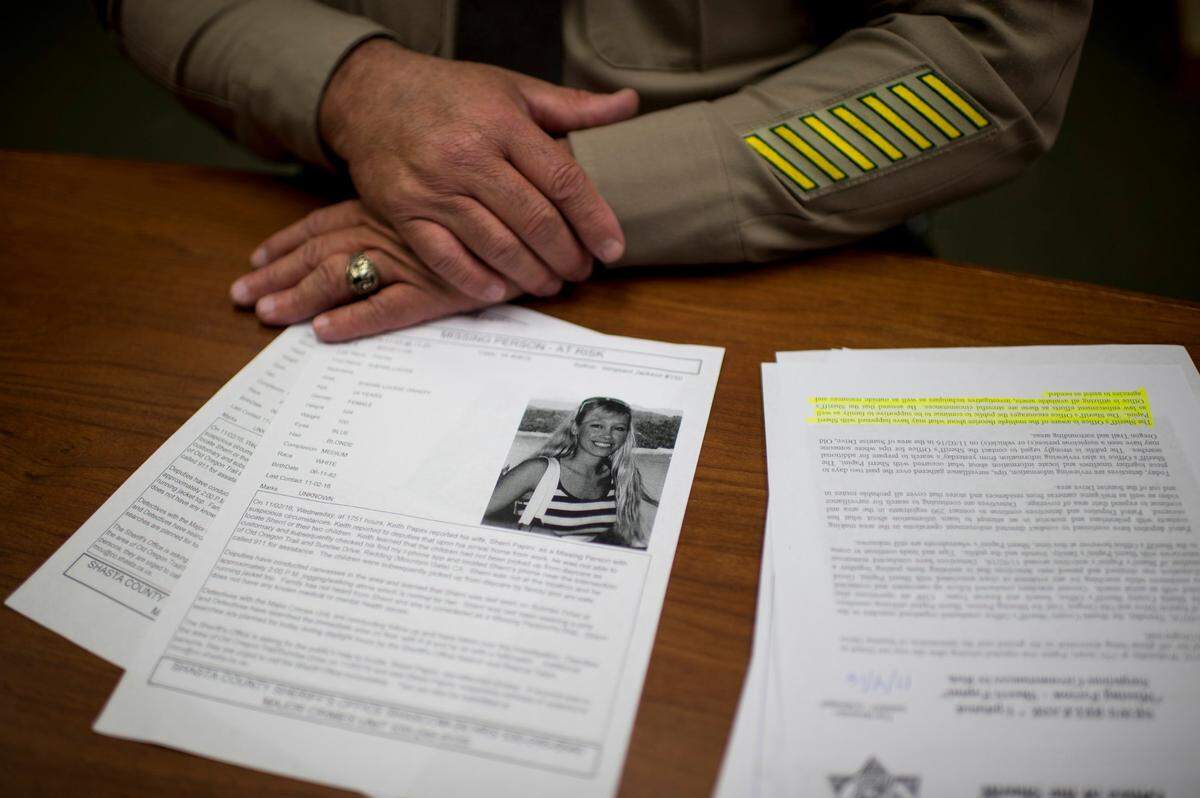
Capt. Brian Jackson of the Shasta County Sheriff’s Office said Miske was their primary lead while Papini was missing. It was a major disappointment to have to make the call to the top brass in Shasta County and tell them their would-be suspect had a rock-solid alibi.
“I mean,” he said, “that was a huge letdown.”
With no suspect and no real lead on Papini’s whereabouts, the situation seemed beyond bleak.
But then it happened — the moment the Shasta County Sheriff’s Office would call “an absolute miracle.”
This is the first of three stories that chronicle Sherri Papini’s kidnapping hoax. Click here to read part two about the events that followed Papini’s reappearance on a lonely stretch of interstate.
This story was originally published July 28, 2022 at 5:00 AM with the headline "Hoodwinked: Sherri Papini’s kidnapping hoax played on sympathy and entangled innocent people."