‘It’s hard when you have to give up.’ Two more Modesto eateries close amid pandemic
Two more Modesto originals have closed their doors during the pandemic, a reminder of the ongoing economic impact COVID-19 has had on valley restaurants and the rebuilding for many yet to come.
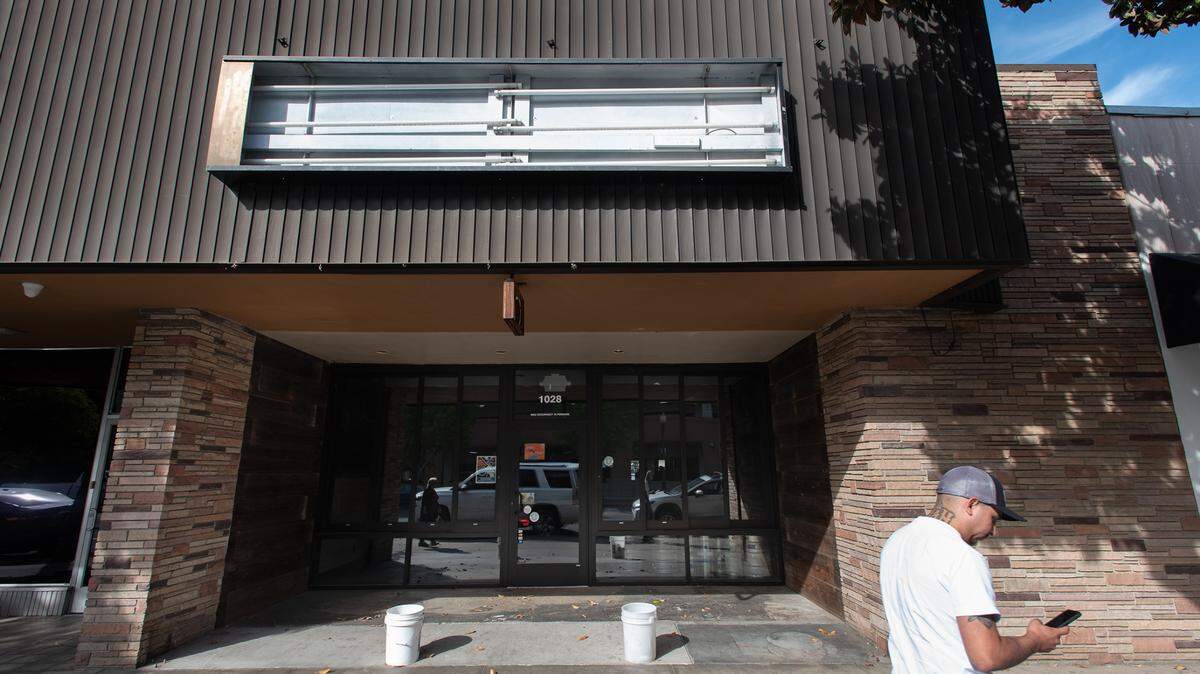
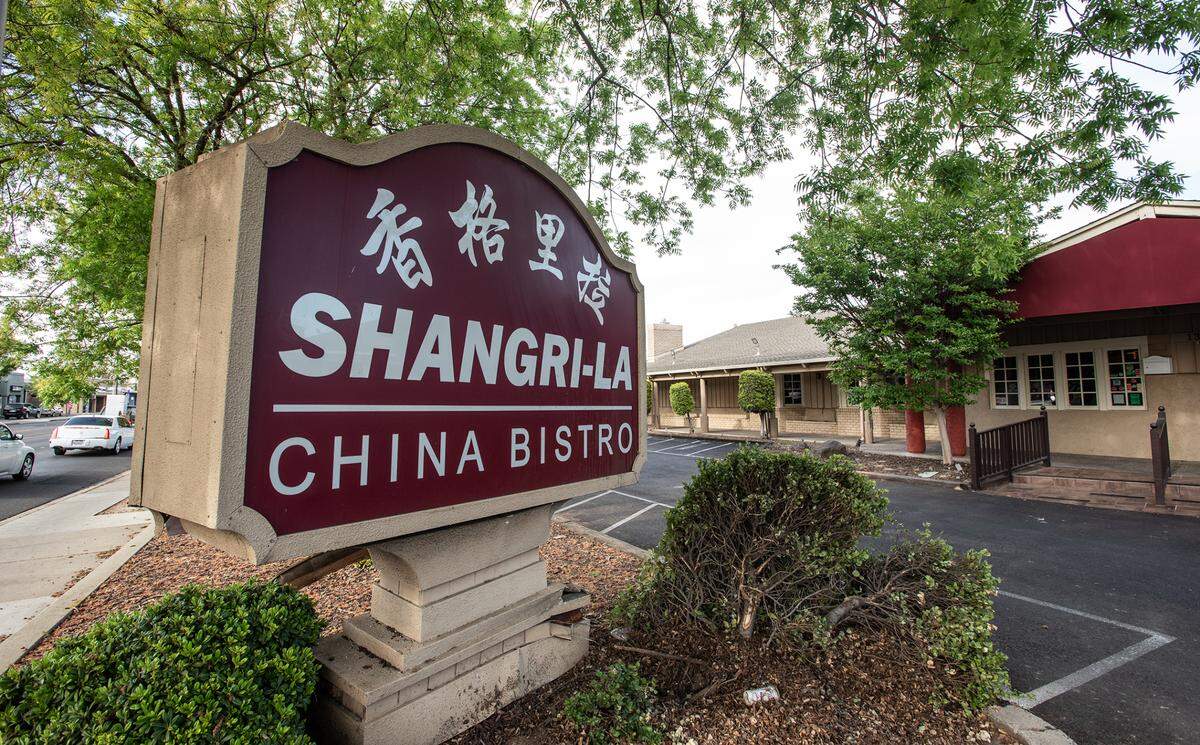
Modesto eateries Shangri-La China Bistro and St. Stan’s Brewing Co. have both shuttered their sites.
The former was a high-profile presence just off the corner of McHenry and Orangeburg avenues since 2009, but now its longtime owners hope to sell the restaurant and building.
The latter was the resurrected version of the city’s original microbrewery from the 1980s, but despite closing its downtown taproom late last year it still hopes to reopen elsewhere in the future.
St. Stan’s Brewing Company, first founded in 1984, returned to Modesto in 2017 after a four-year closure with a taproom and restaurant on 11th Street. But owner Rich Hodder said he decided to close the site in late November when in-person dining was shut down again due to the spike in COVID-19 cases across the state.
Hodder said for much of the pandemic St. Stan’s had been surviving on growler refills and takeout. But the last shutdown and stay-at-home order was the final straw.
St. Stan’s owner still trying to build brewery in Modesto
But, all hope is not lost for the iconic Modesto brand. Hodder retains the name and rights, and hopes to build a brewery-taproom site in the city still. The new St. Stan’s had briefly brewed out of the old Sandude Brewing Co. facility in Turlock, and then switched to a brewery out of the region.
Hodder isn’t currently brewing St. Stan’s beer anywhere, but hopes to contract with a local brewery for batches to use for distribution and to keep the name alive. In the next year or so, he wants to find a facility in Modesto where he could begin brewing independently again and open an adjoining taproom.
But, he said, a lot of his plans depend on how quickly the pandemic can end and what happens next as the region rebuilds.
“It’s going to be an uphill challenge, but it’s still a great part of the history of Modesto. We want to see it continue if at all possible,” Hodder said. “I give props to the folks still in the fight and restaurants that went out of business during COVID. It has been such an incredibly difficult time not knowing what tomorrow brings. Hopefully there’s light at the end of the tunnel and everyone gets vaccinated and we kick this pandemic.”
Popular Stanislaus County Chinese restaurant shutters
Among those Modesto restaurants hanging it up for good is the long-time Chinese restaurant Shangri-La China Bistro. Owner Michelle Ho and her husband, David Lau, bought the sizable building and 250-person capacity restaurant in 2009. Before that it had been the popular Acapulco Mexican Restaurant.
The large stand-alone space gained a dedicated following, more than a couple of whom called me to ask what was happening with Shangri-La when it went dark in January. I am now sad to report that Ho has decided to close for good and sell the site.
Ho initially planned to only shut down for two or three months, to give themselves a needed break. She had been commuting daily from their Dublin home to run the place, while her husband (who is fighting a recurrence of cancer) came occasionally to help when he could.
But she said a combination of slowdowns caused by the pandemic, the decline in her husband’s health and the grind of dealing with the homeless in the area made her come to the conclusion that it was time to close.
“It’s heartbreaking to see the restaurant close down. But it’s not worth it,” she said. “It’s just like a baby. It was our dream. It’s hard when you have to give up. It’s a hard decision.”
She said the restaurant was actually doing OK operating with a much smaller staff and primarily takeout orders from its loyal customers. Before the pandemic she had about a dozen employees, though through last year she was able to keep about five of them staffed. She also got a Paycheck Protection Program loan which she said helped greatly with expenses.
Homelessness, hate contributed to Shangri-La decision
But she said the combination of factors, including the frustration of having to clean up nearly every day after homeless and others left garbage and sometimes human waste outside her doors, became too much.
And, while Ho downplays it, she also had to field a couple nasty, anti-Asian phone calls during the pandemic. One person even screamed at her over the phone he was going to kill her and burn down the restaurant. Her children, now grown, also worried about their safety going to and from the site with the rise of anti-Asian hate crimes across the country.
Ho, who emigrated from China to the United States 40 years ago, referred to the calls as “stupid.” I call them hate speech and they have no place in Modesto, Stanislaus County, California or the United States of America — period.
Despite everything, Ho hopes someone with their own dream of owning a restaurant comes and buys the Shangri-La and builds their own heavenly slice of the American dream there. But for her, it’s time to move on. She said her one regret is not being able to thank all of her staff and customers individually for their support over the past 12 years.
“My customers, we were more like a family. I told them all my problems. They told me they didn’t want to see me leave. I really appreciated all of them,” she said. “Now when I walk inside my restaurant I feel sad. I look at the empty rooms. Everybody feels sad, but it’s a good decision for me.”
This story was originally published April 28, 2021 at 4:00 AM.