State adds $9.8 million for bioindustry jobs in North Valley. Key decision ahead
AI-generated summary reviewed by our newsroom.
- State allocates $9.8M to Stanislaus bioindustry test site focused on waste reuse
- Stanislaus-led project aims to convert ag and forest waste into clean economy jobs.
- Funding backs workforce needs, wildfire prevention and climate-safe innovations
The state has pitched in $9.8 million toward a Stanislaus County test site for turning crop and other wastes into climate-safe products.
The total now stands at $11.15 million for the Innovation Campus, which is expected to cost about $173 million from public and private sources.
The exact site could be announced within three to six months, said a July 8 email from Krystal Acierto, vice president of public policy and development at BEAM Circular. The Modesto-based nonprofit is coordinating the test site, as well as job training and other needs of the future workforce.
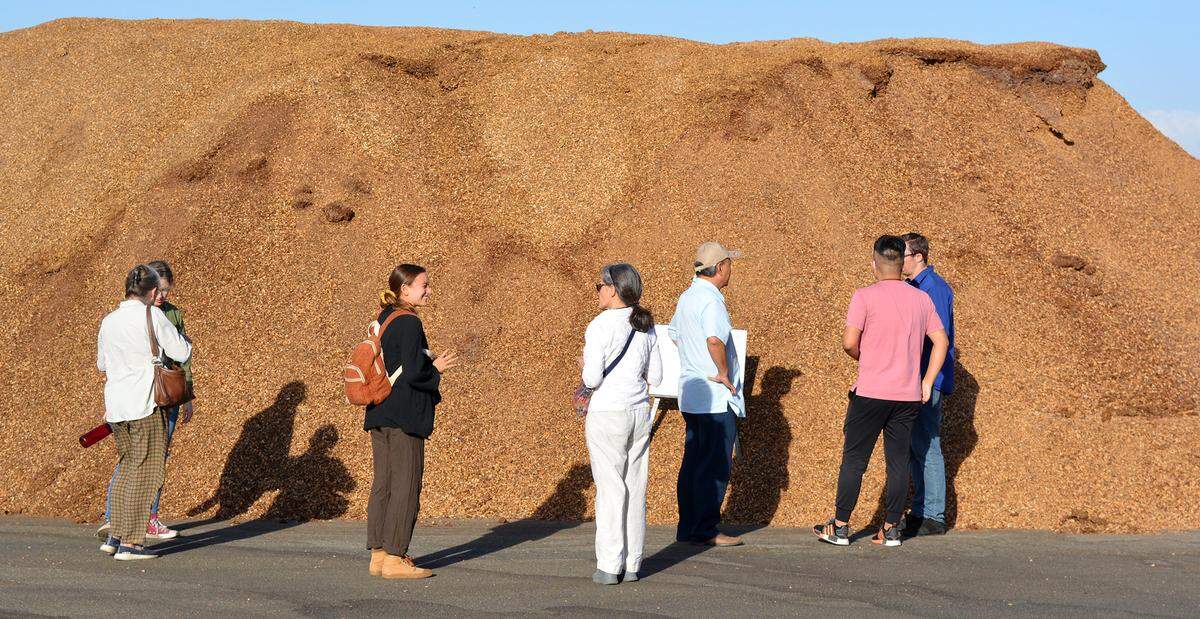
The bioindustry effort also involves Merced and San Joaquin counties, which raise crops and livestock similar to Stanislaus. And it could take wood thinned from wildfire-prone forests in Tuolumne and nearby mountain counties.
The state funding includes $8 million added to the budget for the fiscal year that began July 1, at the request of two legislators. The other $1.8 million is from North Valley Thrive, part of the California Jobs First Program.
The budget request came from Democrats representing parts of San Joaquin County, State Sen. Jerry McNerney and Assemblymember Rhodesia Ransom.
“For generations, we’ve fed the world through agriculture, and now, even our agricultural scraps are helping fuel the future,” Ransom said in a news release.
The budget request was endorsed in the release by two Republicans whose districts include Stanislaus, State Sen. Marie Alvarado-Gil and Assemblymember Juan Alanis.
Backers seek 40,000 well-paying jobs
The bioindustry push grew out of the Stanislaus 2030 report, issued in 2022. It called for at least 40,000 well-paying jobs in and near the county. It also promotes small business in general, including home-based childcare.
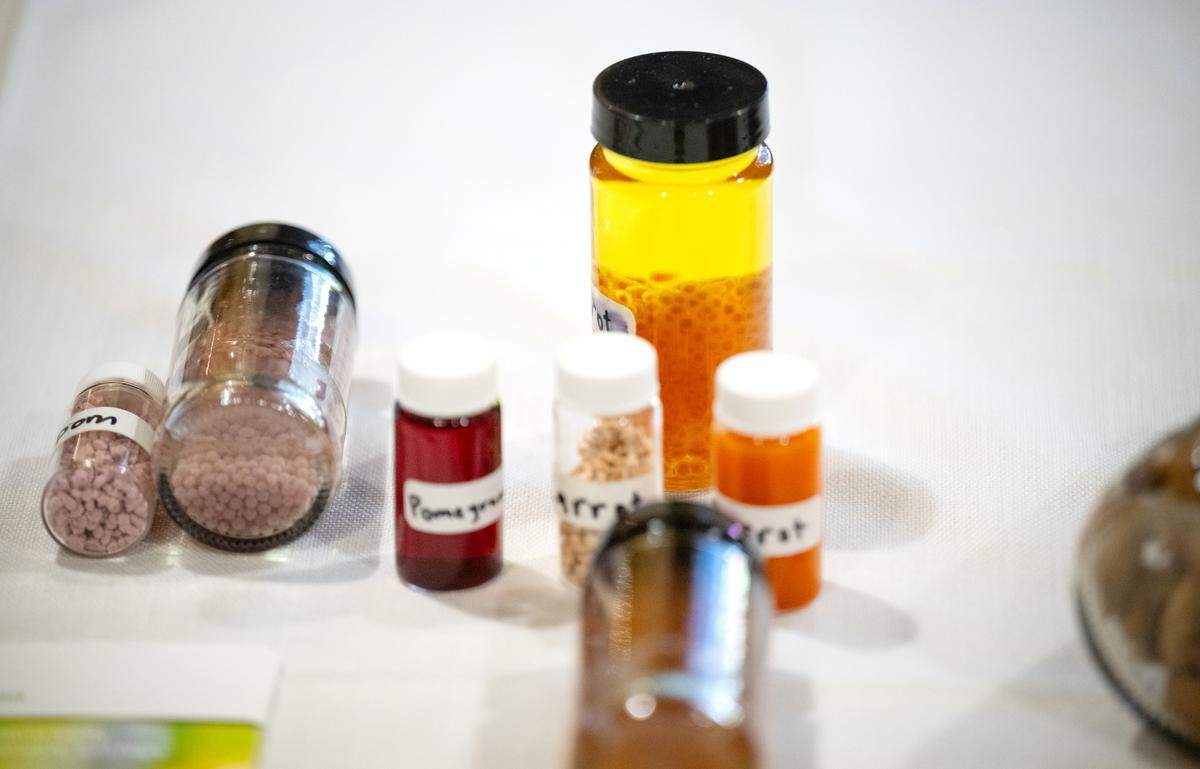
Some of the ventures are well under way, such as fuel from dairy cattle manure. Almond growers already sell the hulls as dairy feed but are looking to turn other woody waste into plastics, fuel and more. Wineries seek new uses for the stems left from grape-crushing.
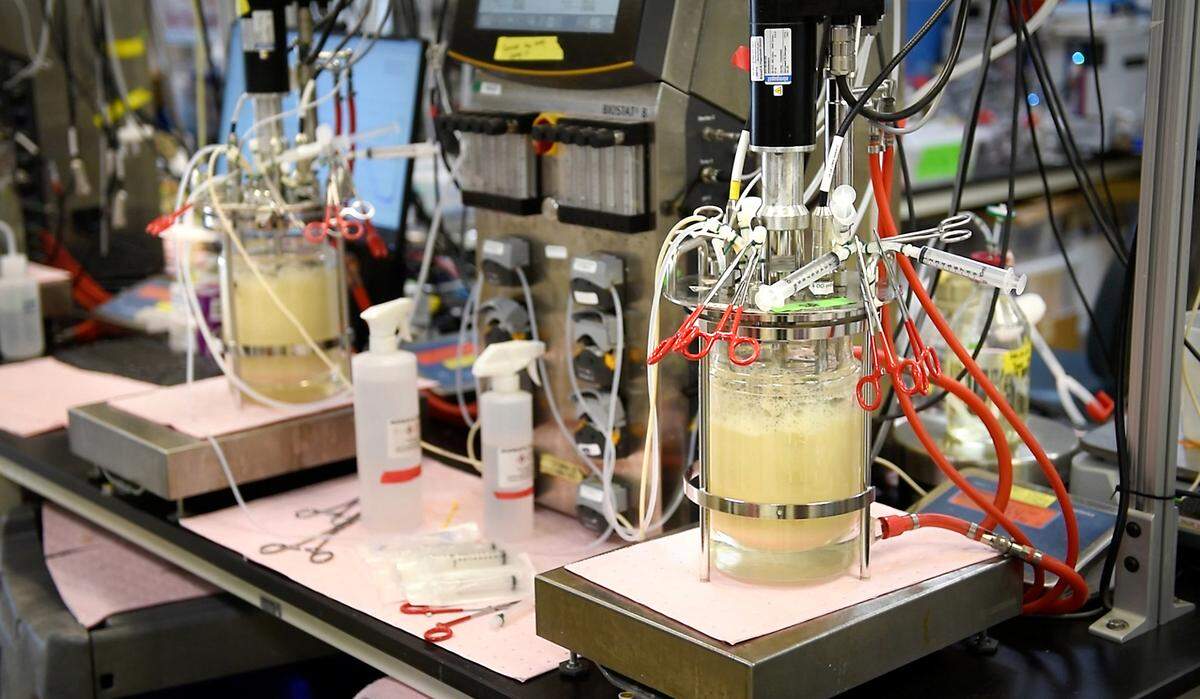
The effort is guided by a federal lab that does small-batch testing in the East Bay city of Emeryville. The backers say the much-larger Stanislaus site is needed to bring ideas close to commercial scale.
The county Board of Supervisors launched the site search last year. It has also allotted $10 million in federal pandemic aid for other bioindustry needs.
About $25 million more came from federal, state, business and philanthropic partners. Some of them funded a recent startup contest that featured pitches in the style of television’s “Shark Tank.”

‘Turn waste into opportunity’
BEAM stands for BioEconomy Agriculture & Manufacturing. Circular means new uses for farm and forest waste, long dumped in landfills or burned in the open.
“Our community is building the infrastructure to turn waste into opportunity,” CEO Karen Warner said in the release, “powering a more resilient and inclusive economy, protecting our environment, and creating a new generation of green jobs.”
McNerney’s district includes Ripon, Escalon and other San Joaquin County cities as well as the Livermore-Dublin area. He said the new state funding “will bring high-quality jobs, benefit farmers and growers, and accelerate wildfire solutions, while helping the state meet its climate goals.”
Union leaders also endorsed the funding, including Will Kelly of Modesto, executive director of the North Valley Labor Federation. “The bioeconomy represents a significant growth opportunity for our region,” he said, “and we’re committed to ensuring working families benefit from this transition to a more sustainable future.”
This story was originally published July 10, 2025 at 2:15 PM.