Feds kick in $1 million for Stanislaus 2030 effort at bioindustry jobs. What will it do?
Advocates for bioindustrial jobs in and near Stanislaus County have received a $1 million grant from the National Science Foundation.
The money will help refine the Stanislaus 2030 Investment Blueprint, which already has $18 million earmarked by county supervisors earlier this year.
They seek to create up to 40,000 well-paying jobs by decade’s end in making materials and fuels from biological sources. This is the largest part of a $75.8 million plan that also urges general support for small business, job training and child care.
The grant, announced May 11, will bolster Stanislaus 2030’s work with a federal lab in the East Bay that does small-batch testing for bioindustry startups. The county aims to build a much larger complex that would scale up production from sources such as orchard wood, corn stalks and dairy manure.
The Northern San Joaquin Valley’s “renewable agricultural residues can serve as feedstocks for biomanufacturing technologies, and its complementary manufacturing capabilities can enable commercial-scale production,” lab Director Deepti Tanjore said in a news release.
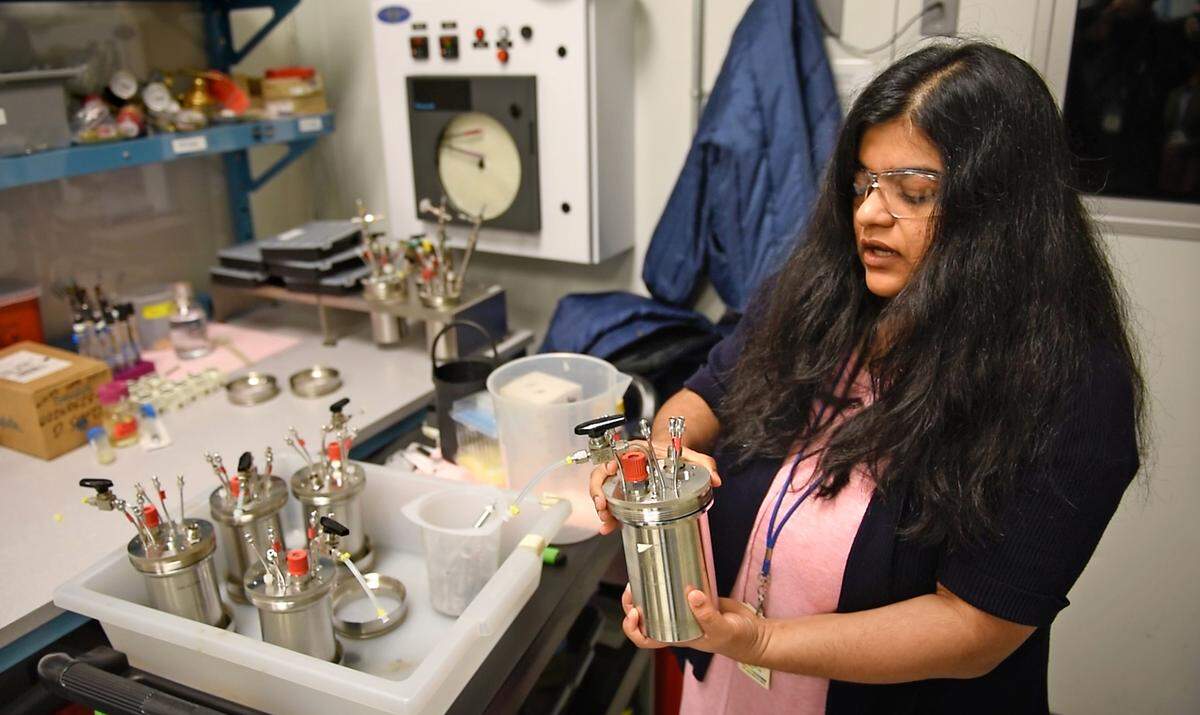
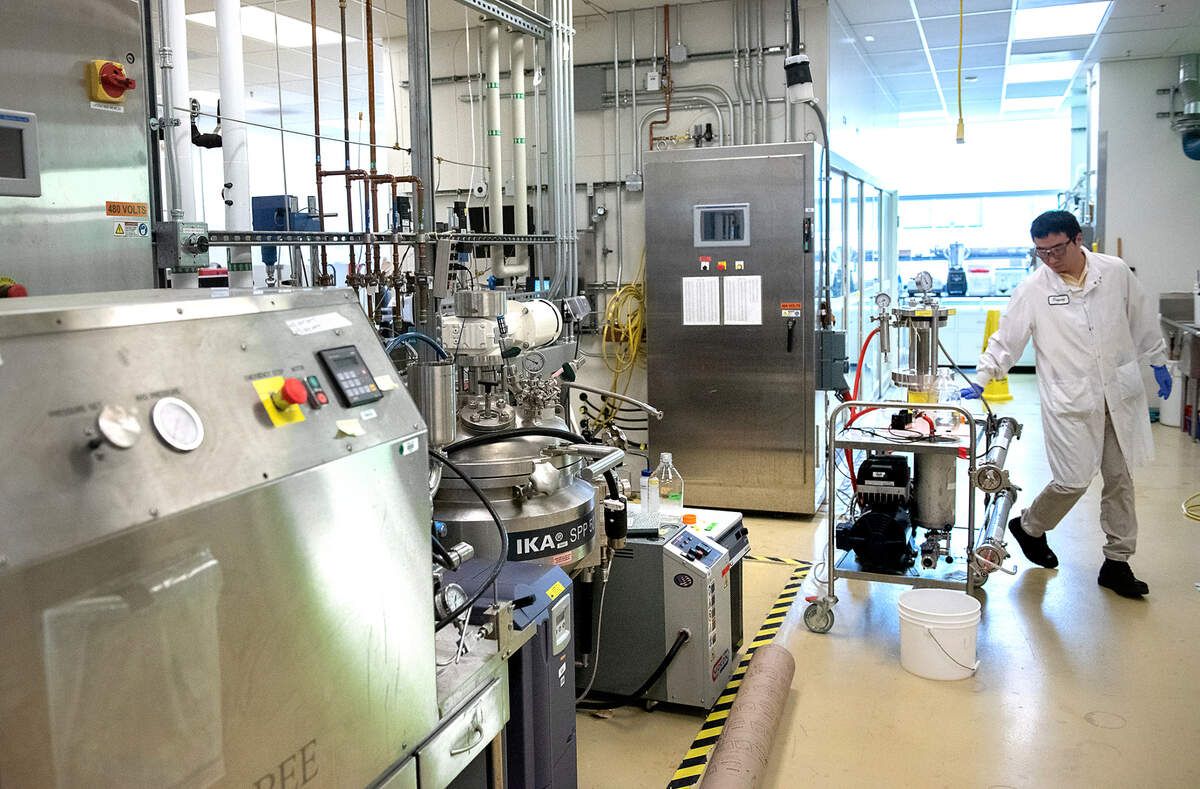
The lab’s formal name is the Advanced Biofuels and Bioproducts Process Development Unit. It is located in Emeryville and overseen by the nearby Lawrence Berkeley National Laboratory.
The National Science Foundation announced a total of 44 grants of up to $1 million through a new program called Regional Innovation Engines.
The local effort is called the Circular Bioeconomy Innovation Collaborative. It also involves UC Merced and a new entity housed at the Modesto offices of Opportunity Stanislaus.
The new grant will fund detailed planning led by Professor Paul Maglio, director of the Division of Management and Information at UC Merced.
In a university news release, Maglio called the grant “a vital investment in the ambitious but attainable goals we have set, providing us the time and resources to create an inclusive plan to leverage our region’s rich agricultural assets and innovation potential to establish sustainable industry and jobs in the North San Joaquin Valley.”
The other partner is called BEAM Circular, referring to the idea that wastes can be tapped for new products. The acronym stands for BioEconomy, Agriculture, Manufacturing.
“This collaboration is about generational change,” said Karen Warner, project co-director and CEO of BEAM Circular.
The partners also hope to create jobs in San Joaquin County.
Stanislaus 2030 launched in November with a report from a 31-member committee. It acknowledged that not enough people make family-supporting wages in traditional farming and food processing. It also saw vast opportunity in turning various wastes into climate-friendly fuels, building materials, plastics and the like.
The first $18 million came federal COVID-19 relief money to the county. Local leaders say both public and private funding will be needed to carry out the plan.
This story was originally published May 16, 2023 at 12:01 PM.