Modesto-area businesses secured millions in COVID-19 relief. How some got PPP loans
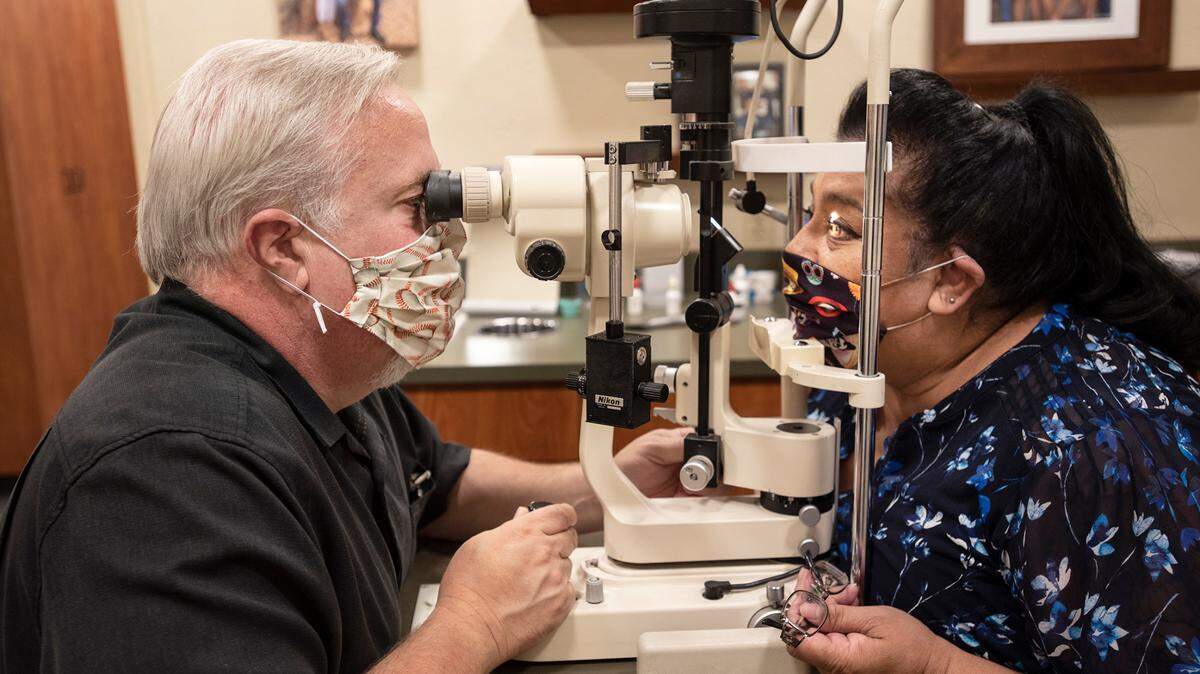
When Congress unveiled its $2.2 trillion COVID-19 stimulus package in late March, a bill that included not only one-time payments to many Americans but also loan opportunities for small businesses, Eric Miedema immediately went to sign up for a loan.
Miedema, an optometrist at Modesto’s Stanislaus Vision, enrolled in the Paycheck Protection Program (PPP), which is designed to provide small businesses with loans to assist with rent and payroll during the coronavirus crisis. Businesses can apply for loan forgiveness over a 24-week period, though those who received the loan before June 5 can also stay on the original eight-week plan.
The initiative, which has already disbursed $520 billion in loans to five million businesses, was hindered by a confusing, rushed roll-out that left many unsure if they were eligible to apply.
After two rounds of applications and funding, the program, which is run by the Small Business Administration, was set to close down on June 30 despite having more than $130 billion left in its coffers. However, the Senate extended the program for another five weeks less than four hours after it was set to shutter. The House passed the extension the next day, and it is awaiting President Trump’s signature to allow businesses to continue to apply for funding through Aug. 8.
Businesses have to sign up for PPP loans through their banks, and Miedema said he was one of the first business owners to start the application process, before his bank had received all of the information about the program. But his banker walked him through the process, and Stanislaus Vision, which has 14 employees, was awarded nearly $138,000.
Miedema, who said his business had “basically no income coming in” for seven weeks as California largely shut down due to the coronavirus pandemic, said the money helped Stanislaus Vision get “back up and rolling” once they were able to re-open, covering payroll so they didn’t have to get by with fewer employees.
“We had seven weeks’ worth of patients built up who broke their glasses, were running out of contacts (or) needed their prescriptions,” he said. “By having the PPP money, we were able to just go full bore right from Day 1, once we were open and be fully staffed and take care of everybody.”
Some in Stanislaus County weren’t as fortunate. Others leaned on fellow business owners or Modesto area agencies that helped them navigate the difficult process, including Phillip Langlois of Langlois Music in McHenry Village.
It was “kind of mysterious,” he said.
SBDC helps companies navigate PPP process
Many businesses across Modesto and Stanislaus County were similarly able to use their PPP funding for payroll and overhead costs. Katy Winders, the director of the Valley Sierra Small Business Development Center, which provides technical assistance to local businesses applying for a variety of loans — including PPP — said her organization has helped more than 35 businesses secure over $7 million in loans.
The amounts vary greatly, Winders said, depending on the type of businesses. Sole proprietors or small businesses, like salons, could be awarded loans as low as $2,500, she said, while Valley Sierra, SBDC’s largest loan so far, has exceeded $3 million.
“It really was a program intended to meet all different people’s needs,” Winders said.
Despite the program’s wide reach, its roll-out was marked by confusion and changing rules. The initial $349 billion designated for PPP loans was gone in less than two weeks, and the rate of borrowing slowed significantly afterward. But applications opened for a second round of funding toward the end of April, allowing for more businesses to take advantage.
But not everyone has despite repeated efforts. Bonnie Rodin, who helps her husband run the family business Rodin Painting, applied through Chase Bank. But she said she wasn’t able to get one-on-one help she believed she needed from the large national bank to walk her through her $8,700 loan application. But she did not seek help with her application beyond her bank.
The company employs two or three people each year besides her husband. And they needed the money to help with the drop in business caused by coronavirus at the start of their busier season in March. But their applications were denied. Instead, Rodin said she used the stimulus checks they received to pay her workers to keep them on for when business picked up again.
“I applied for everything, I got nothing,” she said, after applying during both rounds of initial funding. “I can tell you right now we jumped through every hoop to get loans, and we haven’t gotten anything at all because we’re so small. So I just gave up.”
Langlois said he wasn’t sure if he was eligible for funding, or should even apply for a loan, and the information he was receiving changed on a daily basis.
By the time he decided to apply, the first round of funding had run out. Langlois entered the second round, and secured his six-employee business a loan of $30,000. He said that he would have appreciated a “more coordinated approach” to disseminating information about the loans.
“A lot of the information that I got was from other merchants that were going through the process,” he said. “It wasn’t like somebody stepped forward and said, ‘Hey I’m going to guide you through this.’ No, it was like my neighbor next to me, my business neighbors would tell me, ‘Oh, you need to do this,’ or ‘Have you applied for that?’ It was all kind of anecdotal coming from the people around you.”
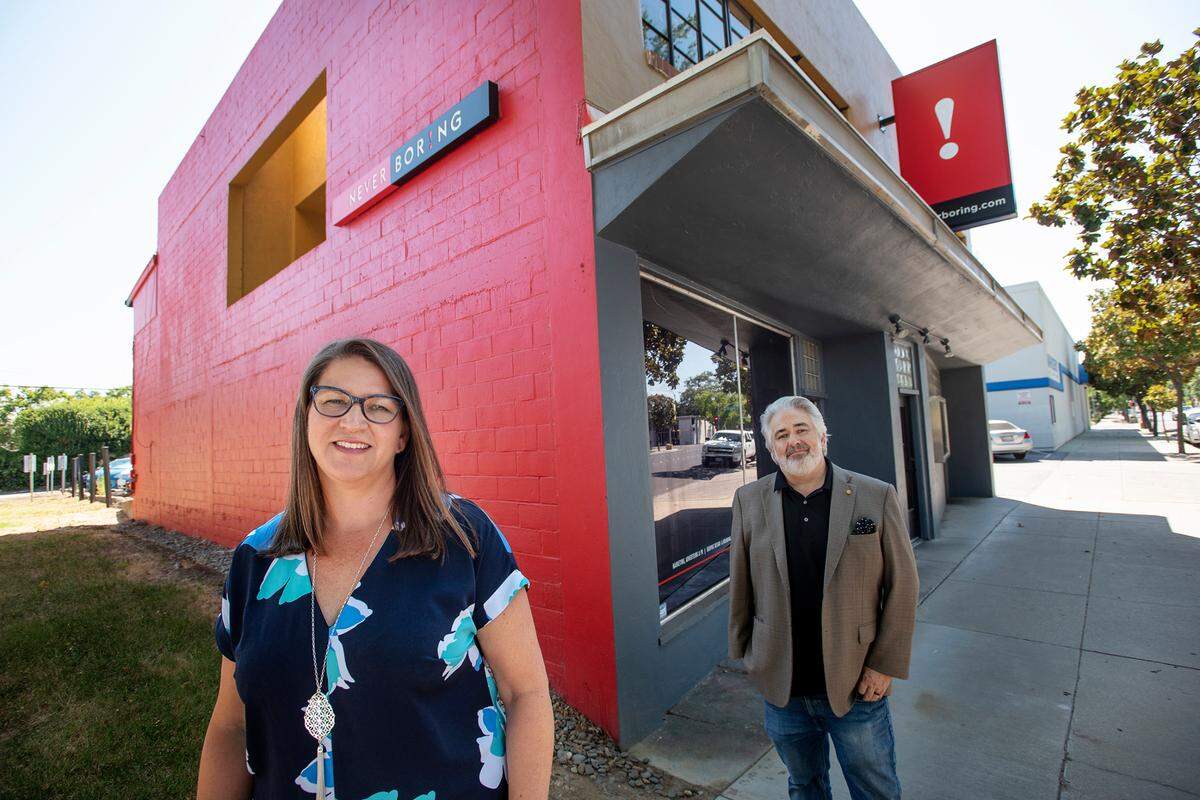
David Boring, who owns the marketing agency Never Boring, Inc., said he also leaned on other business owners for advice when applying for the funding. His business, which employs 17, received a loan of around $200,000, which went primarily to payroll.
“There’s so many people that will just help you and answer your questions,” he said. “I love that about Modesto; we have a really good community. I knew I could call some people and I got some good answers.”
Accounting firms shift focus to coronavirus relief
Other businesses echo Langlois and Boring’s experience. Fellow business owners, many say, provided a network of assistance and advice surrounding the application process. Others relied on organizations like Valley Sierra SBDC and City Ministry Network, which helped non-profits and other small businesses. Still, other businesses turned to accounting firms, and existing relationships with their commercial bankers.
Jessica Filbrun, a fundraising specialist at City Ministry Network, said her organization has helped over 20 businesses receive around $1 million in PPP loans.
“In the beginning we were getting a lot of confusion on what funding was available,” she said. “We helped about 100 or so (workers) stay employed and maintain wages. That was encouraging and something good to see.”
Filbrun’s organization provided its counseling services in both English and Spanish, and she said about 30 percent of applicants took advantage of the bilingual option. She said City Ministry had noticed a gap between the known information about the program and what businesses needed, and hoped to help connect them with bankers and other lenders so they could apply for the funding.
Those businesses without a relationship with a bank have often found themselves “last in line,” she said. Winders at Valley Sierra SBDC said her team had similar experiences when assisting businesses, especially those without in-house bookkeepers.
“They just need a little bit of help walking through the documents and understanding them,” she said. “That’s what we want to do. We want to be kind of the boots on the ground for SBA to help our small businesses.”
IRS extension changed focus to PPP guidance
As the coronavirus pandemic swept the nation and affected nearly every facet of the economy, the government also extended this year’s tax deadline from April 15 to July 15. Martin Fox, a CPA at Grimbleby Coleman in Modesto, said when the extension was announced, he turned to his partners and suggested the firm begin assisting businesses with PPP funding applications, since their annual tax filing workload would be decreased.
“I thought it was more important for these businesses who are struggling to stay afloat to tap the resources that were available to them, as opposed to getting their tax return filed by April 15, which didn’t seem to matter anymore,” he said.
Since then, he said his firm has “run the gamut” in terms of the assistance they’ve provided to businesses.
“When the program first came out, we were assisting business owners in just understanding what the program was,” he said, after which they focused on following up with businesses throughout the process as the program’s rules kept changing. Now, Fox said, they are assisting businesses primarily with the loan forgiveness part of the program.
Initially, PPP loans would have had to be used up in eight weeks; Congress extended the timeline to 24 weeks in early June, giving businesses more time to use the money they were awarded.
Employers must keep up their staffing levels to qualify for forgiveness, as well as pay at least 75% of employee’s normal salaries. Businesses can apply for forgiveness through the same bank or lender they submitted the original application with. If a business is ineligible for forgiveness, they must pay off the loan with a 1% interest rate over a period of five years.
With the extension coming in place, both Grimbleby Coleman and Valley Sierra SBDC are continuing to assist businesses with loan applications and helping those who have applied navigate the rest of the process, from loan forgiveness applications to communicating new information sent out by the SBA as rules and regulations keep changing.
As Miedema said, “this whole PPP process is like trying to build an airplane while you’re flying.”
This story was produced with financial support from the Stanislaus Community Foundation, along with the GroundTruth Project’s Report for America initiative. The Modesto Bee maintains full editorial control of this work.
To help fund The Bee’s economic development and children’s health reporters with Report for America, go to bitly.com/ModbeeRFA
Bee staff writer Marijke Rowland contributed to this report.
This story was originally published July 7, 2020 at 4:00 AM.