Stanislaus reports $3.15 billion in farm income, the lowest since 2011
AI-generated summary reviewed by our newsroom.
- Stanislaus farm income fell to $3.15B in 2024, lowest level in 14 years.
- Avian flu caused steep poultry losses; almonds and milk held top spots.
- Farmworker recognition expanded despite tensions and empty committee seats.
Stanislaus County reported about $3.15 billion in gross farm income in 2024, the lowest in 14 years, mainly due to bird flu.
Agricultural Commissioner Linda Pinfold presented the annual tally to the county Board of Supervisors on Sept. 9. Despite the lull, officials said, farming remains a solid foundation for the local economy.
The report continued an effort to recognize the hired crews who help make the income to farm owners possible. To this end, the board created the Farmworker Advisory Committee last November. It remains unfilled amid tensions over mass deportations and other issues.
Almonds remained the No. 1 farm product in 2024, but well below their peak a few years ago. Milk was second once again. The biggest decline was for poultry, resulting from the nationwide outbreak of avian influenza.
Pinfold’s staff estimates the value of dozens of crops by multiplying the total volume by the average prices. The report does not list production costs, such as water, fertilizer, pesticides and labor. They can mean profits in some years and losses in others.
The report also does not account for the ripple effect from processing the raw farm goods and shipping them to buyers around the world. Tens of thousands of county residents work at canneries, wineries, cheese plants, nut companies and other employers.

The report began recognizing labor in 2020, when the first Farm Worker of the Year award was presented. The sponsoring groups had meant it to be only during COVID-19, but it has continued.
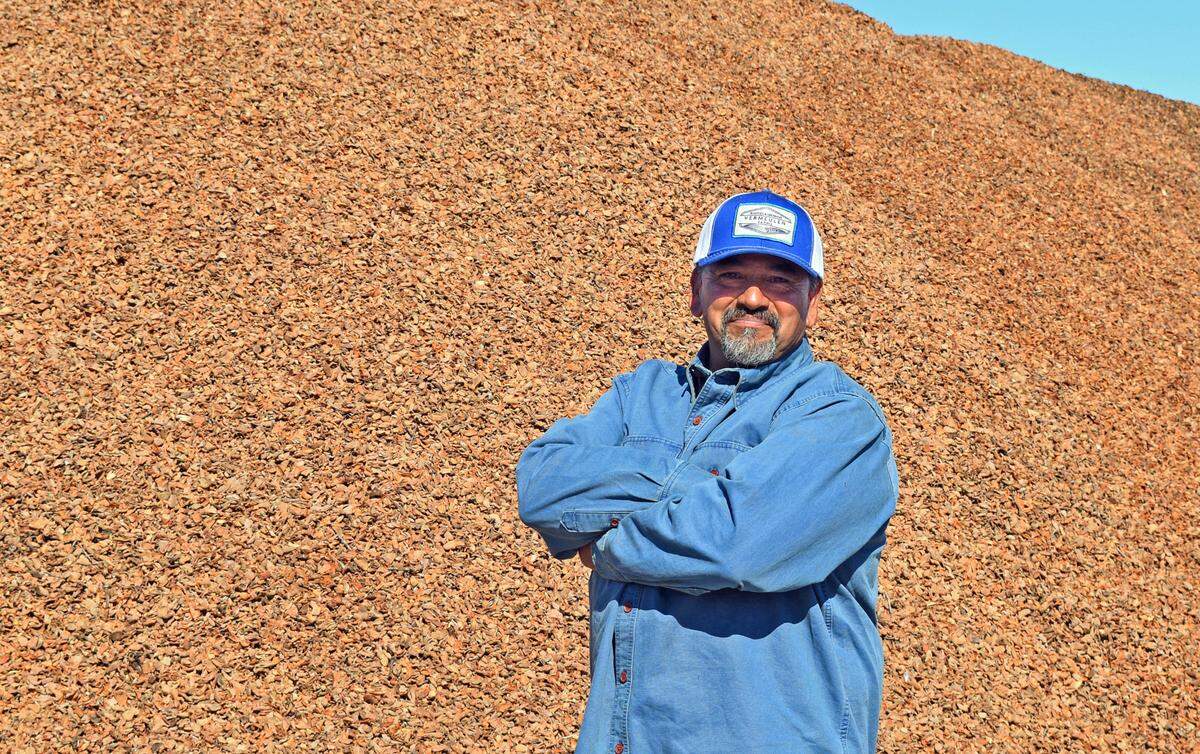
The latest winner of the top $3,000 top prize was Frank Hernandez, a three-decade employee of Vermeulen Almond Hulling, west of Modesto. He helps maintain the machines that remove the outer hulls and inner shells from the nuts. They come from the company’s own orchards and from other growers.
Hernandez was mentioned in a Fresno Bee editorial praising counties with farmworker awards, including Fresno. He also was in the semi-monthly newspaper of the Stanislaus County Farm Bureau, one of the sponsors of the April 1 presentation.
“He’s kind of the soul behind all of us,” said owner Paul Vermeulen. “He makes sure everyone has what they need to get going. And talk about knowledge — there’s not a job in almond farming that he hasn’t done.”
Ten other nominees received smaller cash awards. The ag commissoner’s office co-sponsored the contest and featured it in its annual crop report. Other partners incuded the Modesto Rotary Club, the Central Valley Opportunity Center and the AgSafe training program.
What will advisory committee do?
The Stanislaus committee would advise county supervisors on health, housing, immigration and other worker concerns. It would be a one-year trial, with findings noted in the next crop report.
The committee would have two workers from each of the five supervisor districts. Pinfold said no one has applied so far, so she extended the deadline to Sept. 30. More information in English and Spanish is at www.stanag.org.
Four other seats have been filled, for a farm owner, labor contractor and two nonprofits that aid workers. Another member will come from the county Agricultural Advisory Board.
The county has been working on the idea with the Latino Community Rountable. The group’s leaders have warned that prospective committee members might be scared off by President Donald Trump’s call for mass deportations. They also worry about airing workplace concerns at public meetings that include farmers and the labor contractors who assemble the crews.
Pinfold reitertated the workers’ importance when presenting the crop report: “They plant, prune, irrigate, harvest crops, care for livestock and make sure food gets from the farm to our tables.”
Last year’s $3.15 billion in gross farm income was down 6% from 2023. Both were short of the record $4.4 billion in 2014, when milk and nut prices were especially high. The 2024 figure was the lowest since the $3.07 billion in 2011.
.jpg "IMG_6555 (1).jpg")
What were the top 10 farm products?
The leaders in gross income for 2024, compared with 2023:
1. Almonds: $824.2 million, up from $813.4 million. The price per pound rose slightly but remains low due to an oversupply from recent years.
2. Milk: $754.6 million, down from $761.5 million. Prices improved for dairy farmers, but volume dropped during quarantines against bird flu.
3. Poultry: $291.8 million, down from $399.6 million. The county was among many nationwide dealing with bird flu in chickens and turkeys. An infected flock must be destroyed, unlike a cattle herd.
4. Cattle: $208.2 million, down from $208.7 million. Prices per pound were up. The category includes older animals sold to beef processors and younger ones entering dairy and ranch herds.
5. Fruit and nut nurseries: $110.8 million, down from $146.3 million. These businesses sell young trees and vines to farmers. The drop reflects the current downturns for nuts and wine grapes.
6. Silage: $108.5 million, down from $121.4 million. This is a high-quality dairy feed made by fermenting corn and other grains under large tarps.
7: Walnuts: $87.8 million, up from $55.5 million. Prices sharply improved for the crop, which has struggled even more than almonds.
8. Pollination: $78.6 million, down from $85.3 million. Beekeepers rent hives to almond and other growers. Honey brought another $11.6 million.
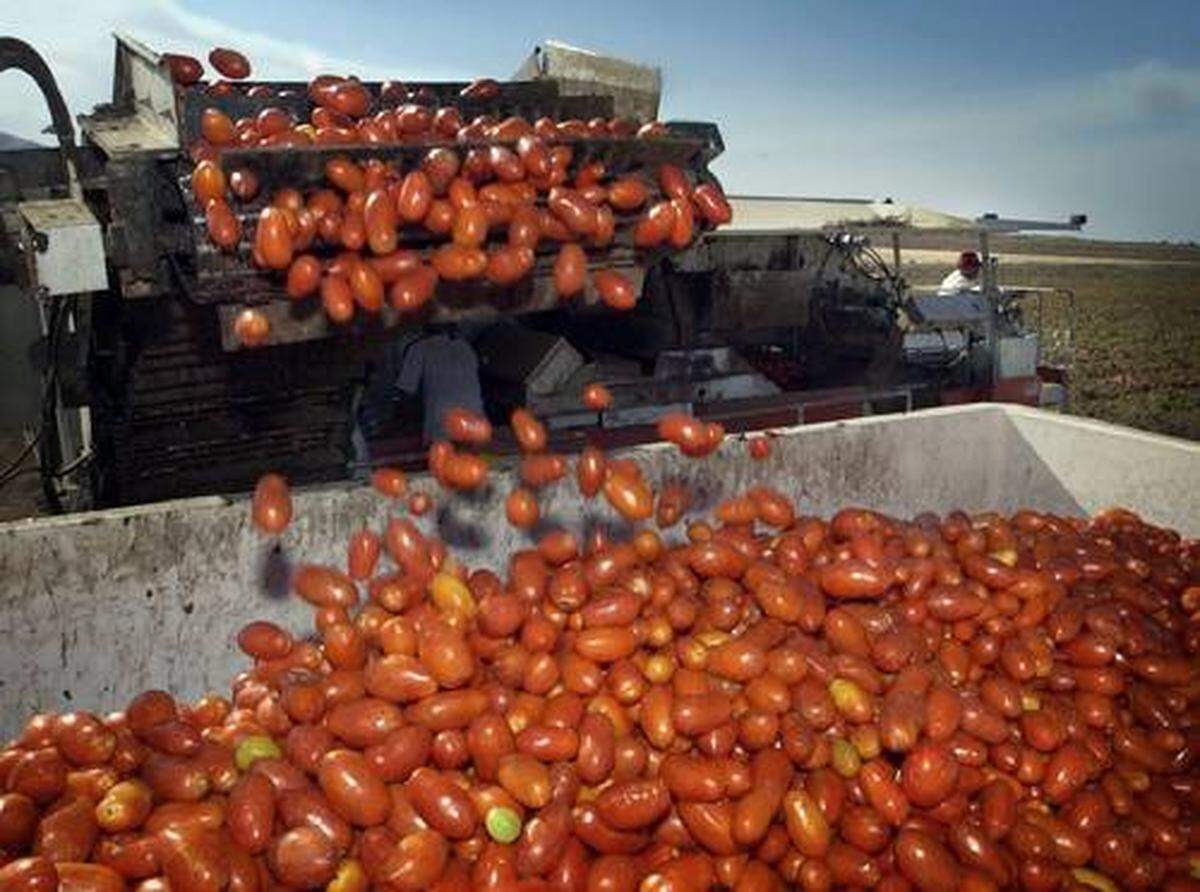
9. Tomatoes: $60.2 million, down from $107.1 million. Acreage and prices both declined. Most of the crop goes to canneries rather than produce aisles.
10: Eggs: $47.1 million, down from $54.3 million. Avian influeza reduced production.
This story was originally published September 15, 2025 at 4:28 PM.