Storms bring pause for state drought orders in Modesto and beyond. They could return
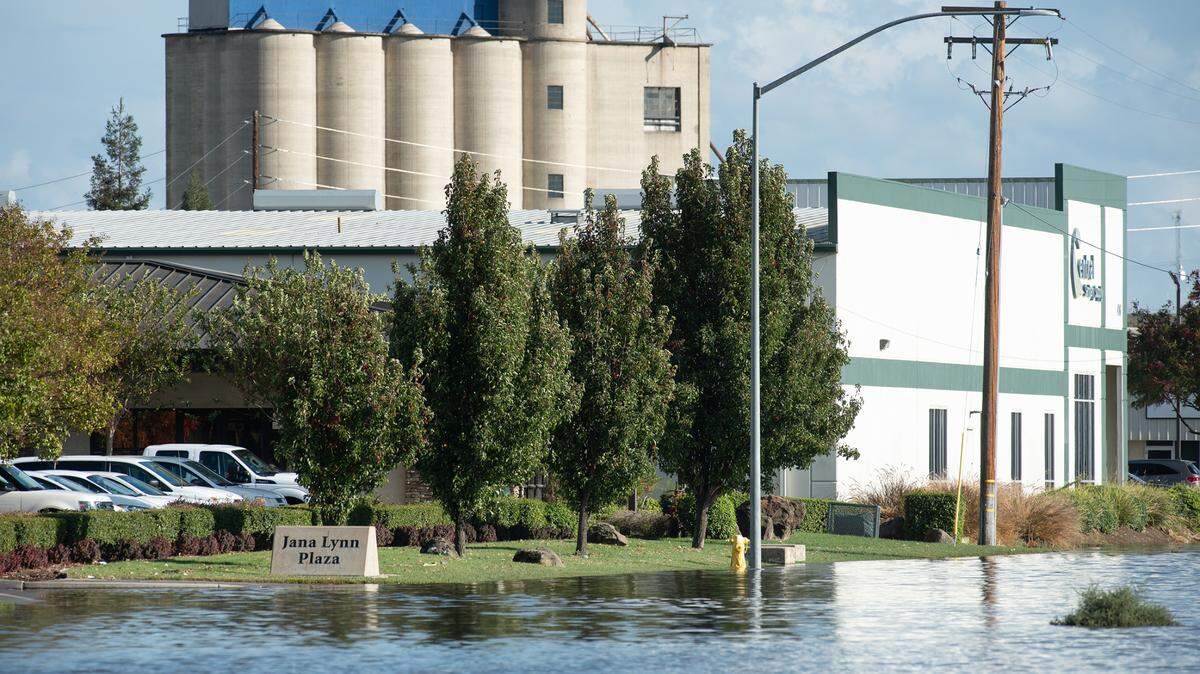
The recent storms allowed California to suspend the drought curtailment orders that had been imposed during the summer.
Cities and irrigation districts now are free to capture river runoff that had been unavailable because of the orders. Officials warned that they could fall back into place if the state gets another stretch of dry weather.
“We are still in drought and no precipitation is expected over the next 10-12 days,” an email Tuesday from spokeswoman Ailene Voisin at the State Water Resources Control Board read in part.
The orders had permitted use of water already in reservoirs, which helped many areas get through the 2021 irrigation season. This includes the Modesto, Turlock, Oakdale and South San Joaquin districts.
But the four warned that water could fall short if the orders continued into 2022. They also sued the state agency in September, claiming that it interfered illegally with long-held river rights.
State officials said they had to curtail diversions to keep enough water flowing for fish and water quality. The most orders by far were for streams in the Sacramento-San Joaquin Delta. About 10,300 agencies and individuals hold rights along the tributaries.
Runoff was just 47% of average in the central Sierra Nevada in the water year ending Oct. 1, the California Department of Water Resources said. That followed a 62% year. The effects were eased by storage from the above-average 2017 and 2019.
The recent rain and snow came early in the storm season, which mainly runs from November through March. The storms brought 16% of the average annual precipitation to the central Sierra, DWR said, but officials warned of possible drier conditions ahead.
They base this in part of the emergence of La Niña, a cooling of the eastern Pacific Ocean that tends to deflect storms from California.
Despite the mountain runoff, storage has not risen much in the main reservoirs for the Modesto area. They have to release extra water in autumn to aid salmon spawning.
Don Pedro Reservoir, owned by the Modesto and Turlock irrigation districts, was at 49% of its capacity as of Wednesday. New Melones Reservoir, used by the Oakdale and South San Joaquin irrigation districts, was at 34%.