Stanislaus rural roads becoming increasingly deadly. Is Google Maps part of the problem?
Grayson has a gas station, a community center and two churches. On a clear day, its roughly 1,000 residents can enjoy sweeping views of almond farms and the dry Diablo Mountains to the west. But one day four months ago, this quiet farming town became a beehive.
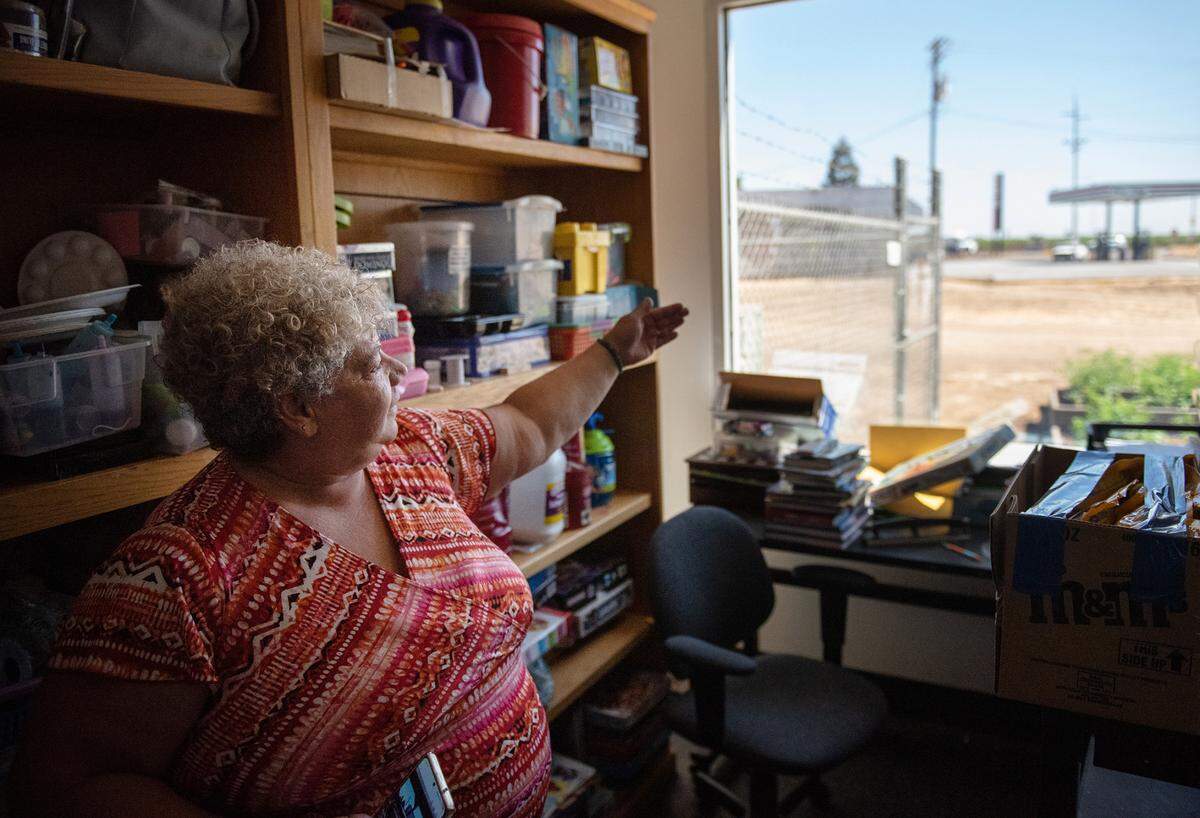
“It was so crazy that I thought, ‘Oh, God, there is an accident waiting to happen,’” said Lilia Lomeli-Gil, 70, standing outside the Grayson United Community Center, where she works as assistant manager. It was rush hour, she recalled, and cars were detouring through the residential streets in the town because of an accident on Highway 132. At one point, a stream of cars tried to bypass the traffic by traversing a treacherous dirt road.
It was a sign of a trend that has been slowly rattling this community for years. As business in nearby Patterson booms with the addition of Amazon, Kohl’s and CVS warehouses, cars and trucks are using Google Maps and other navigation apps to avoid growing traffic by taking two-lane country roads. The consequences can be fatal, as the apps direct drivers based only on the speed of a route.
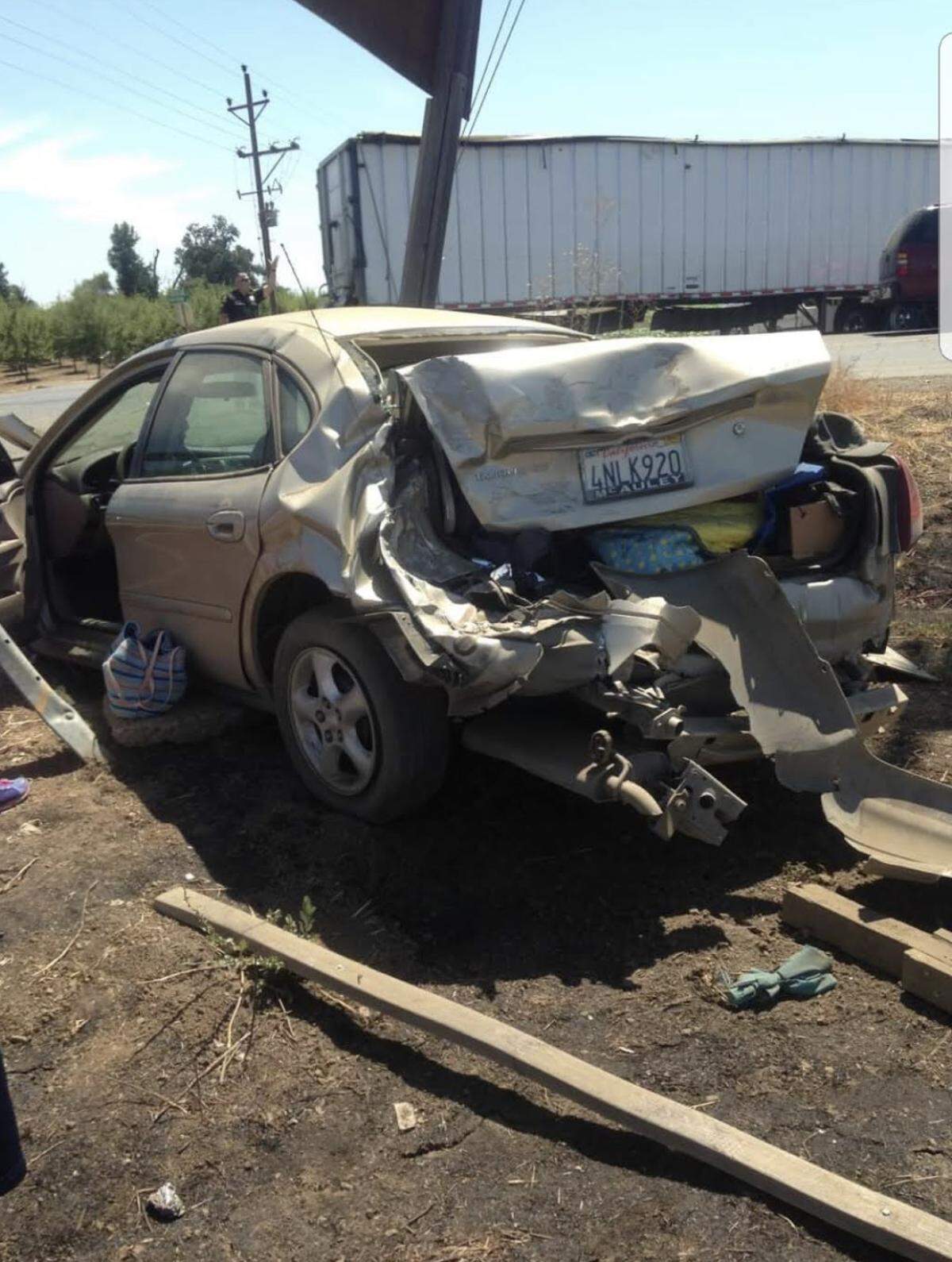
Helena Melo-Flowers, 64, was headed to work at the United Community Center one morning in July 2015 when she spotted a big rig in her rearview mirror. “I’m making a right, and he’s coming behind me. He’s not slowing down,” she remembered. She closed her eyes and waited for the impact.
When she opened her eyes, she was in a field on the other side of the road. “If I had gone just a little to the left or right, a post would have gone into my car,” Melo-Flowers recalled. Stunned but otherwise OK, she saw that the truck had hit another vehicle, too, and she watched a helicopter carry away a child.
Two lanes, endless problems
Traffic has ballooned along the country routes by the community center, including Grayson, Paradise and Shiloh roads. Stanislaus County Senior Civil Engineer Andrew Malizia said roadways typically see a 1.5% to 3% growth in car volume each year. At the intersection of West Grayson Road and Laird Street, where Melo-Flowers was hit, Malizia said there has been an 80.3% increase in just four and a half years. Another common bypass route, West Keyes Road, saw traffic go up by nearly 100% in the last five years.
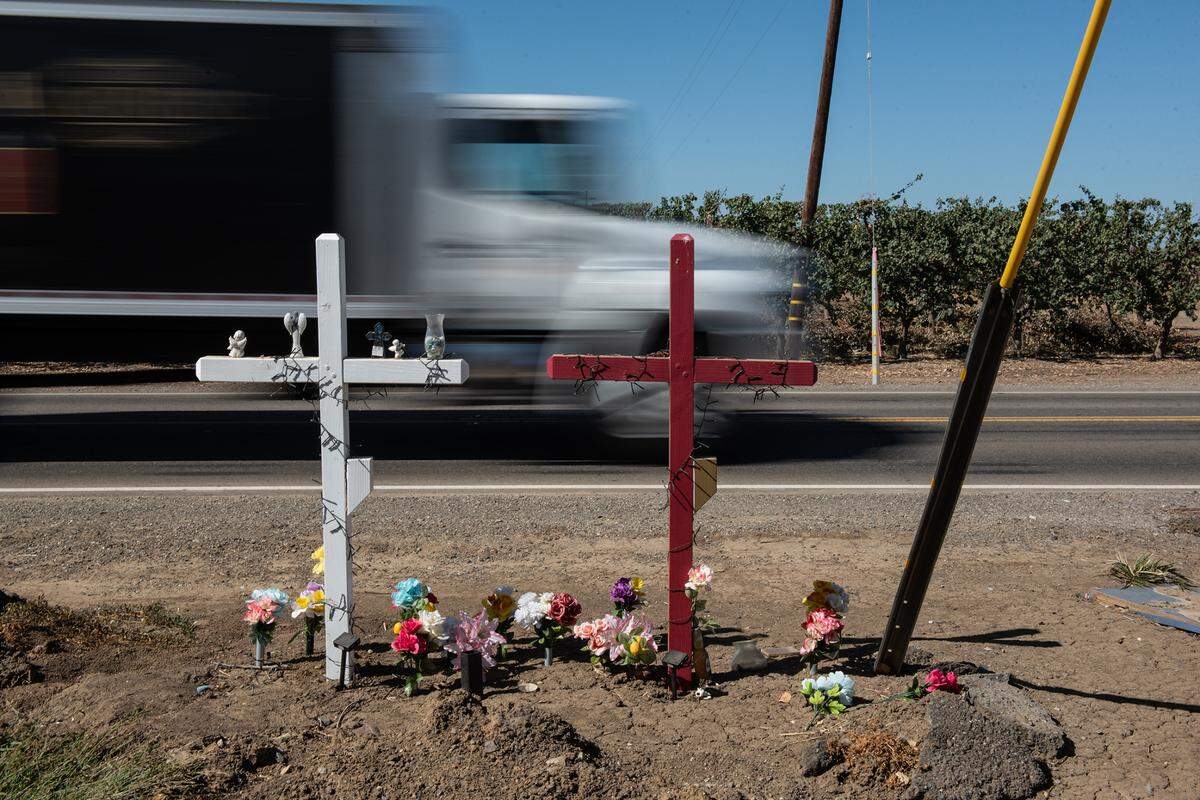
More cars mean more accidents. Four two-lane roads — West Grayson, Paradise, Shiloh and Carpenter — saw 459 crashes, a 66% increase, in the last five years compared to the prior five years, according to a Bee analysis of preliminary California Highway Patrol data collected by researchers at the University of California at Berkeley. These crashes often take place at intersections or on stretches of road where drivers attempt to pass traffic.
More accidents mean more deaths, too. On those four roads alone, recent crashes led to 692 injuries and 18 deaths. In the previous five-year time span, there were 419 injuries and 10 deaths.
At the CHP office in Modesto, officers put a pin on a map each time a fatal collision takes place. The majority of pins fall on two-lane county roads, said CHP spokesman Officer Tom Olsen. More people are dying on Stanislaus County roads in general, but the rural and unincorporated parts of the county are driving the trend.
Grayson is a good example: It is unincorporated and surrounded by two-lane roads. But it’s not the only example. Westley, Hatch, Denair and Claribel roads have the same set-up. Olsen said the pins on the map “look like a shotgun blast.”
“These two-lane county roads, they’re not dangerous,” he said, “it’s just people taking chances.” Data from the CHP show that a quarter of the crashes on West Grayson, Shiloh, Paradise and Carpenter roads resulted from speeding or, in fewer cases, improper turning or failure to recognize the right of way. But Olsen sees clear patterns, especially when it comes to fatalities: drivers who are trying to pass when it isn’t safe to do so, who aren’t wearing seat belts, or who aren’t paying attention.
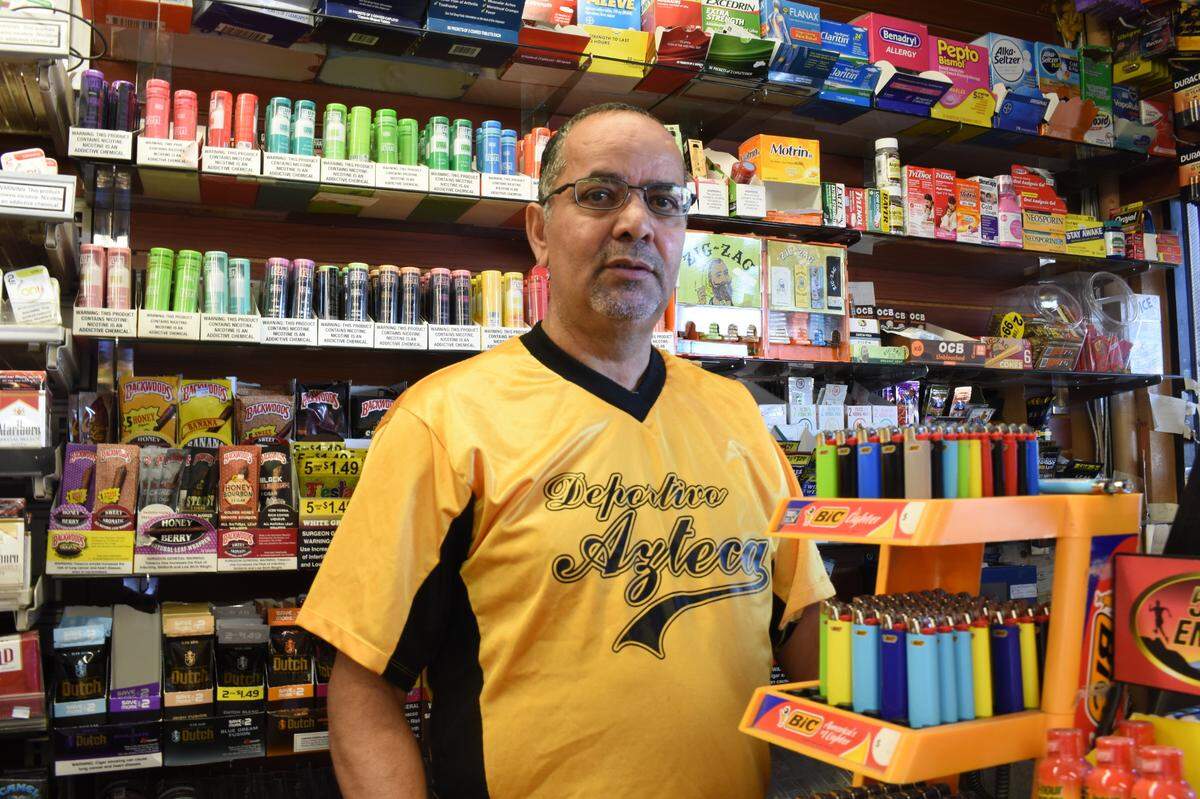
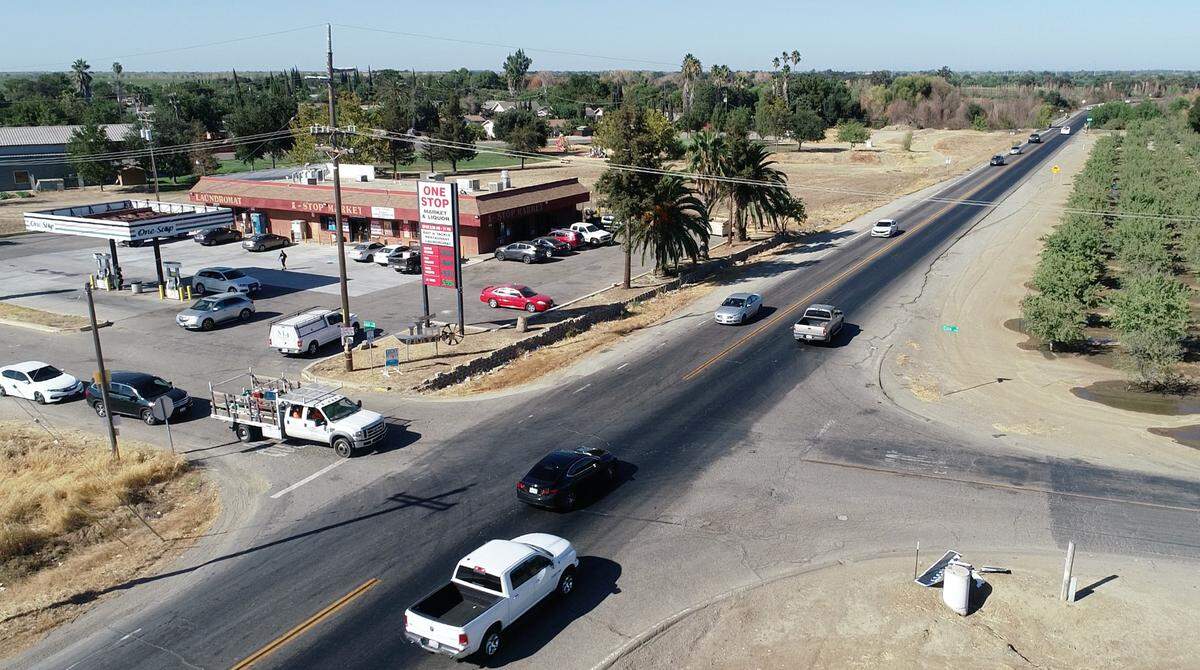
Mohamad Obeid has observed the increased traffic trend from behind his counter at the One Stop Market & Liquor gas station that sits on the main road in Grayson, at the intersection of West Grayson and Laird Street. Business is up by 25% compared to last year, Obeid said before greeting regulars who stop by for lottery cards and breakfast burritos.
But he is worried about the traffic, too. Five or six years ago, he said, the number of cars started to grow to the point that now, he estimates there’s a crash at the intersection once a month. When Melo-Flowers got hit in 2015, Obeid gave her access to the footage from the gas station camera to help with her insurance claim.
“We need a stop sign here,” he said. “We need it badly.” Lomeli-Gil and Melo-Flowers have made the same request to the county, but Obeid has an additional incentive: A stop sign might encourage more customers to get gas or food at his store.
Trucks tear through
Obeid arrives every day at 4 a.m. as workers headed to the nearby almond and dairy farms converge with the truck drivers and commuters who are gearing up to beat the Bay Area traffic. Obeid knows most of those who stop as he greets customers in both English and Spanish.
“Since those warehouses came to Patterson,” he said, “it’s a lot of traffic.” In the last 15 years, Amazon, Kohl’s, CVS, Restoration Hardware and other major retailers have opened warehouses and distribution centers in Patterson, just eight miles from Grayson. These businesses are huge, sometimes exceeding 1 million square feet, with hundreds of cars and trucks flowing into the parking lots.
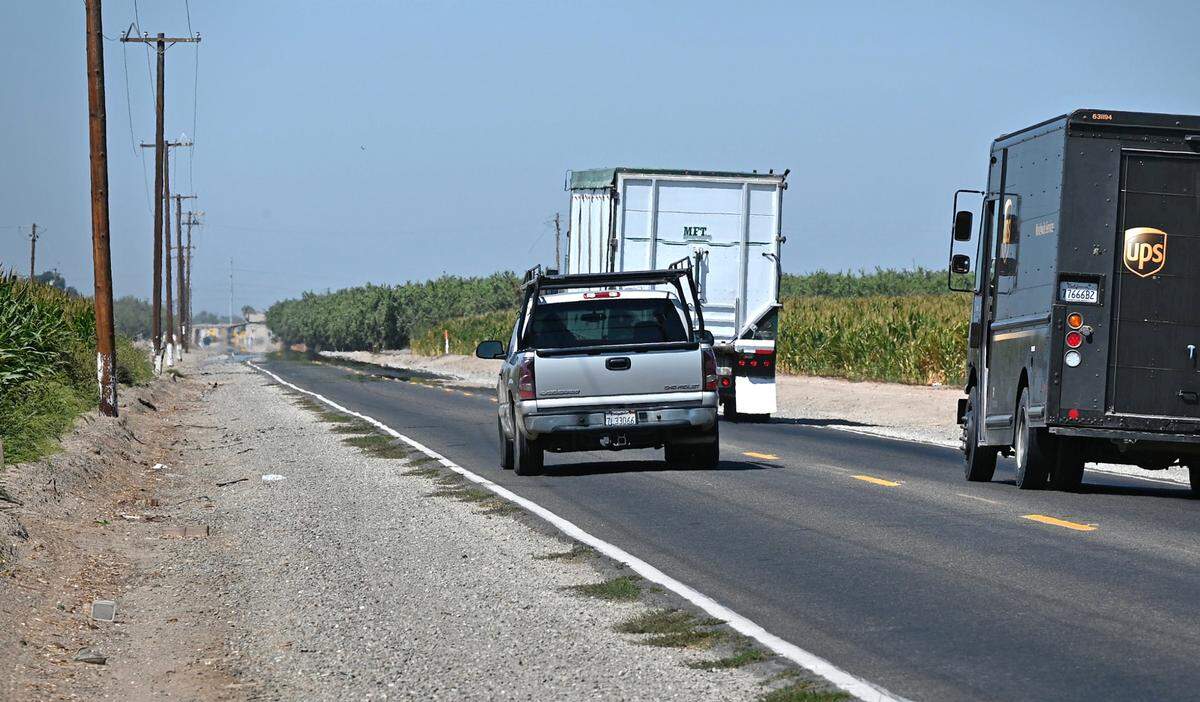
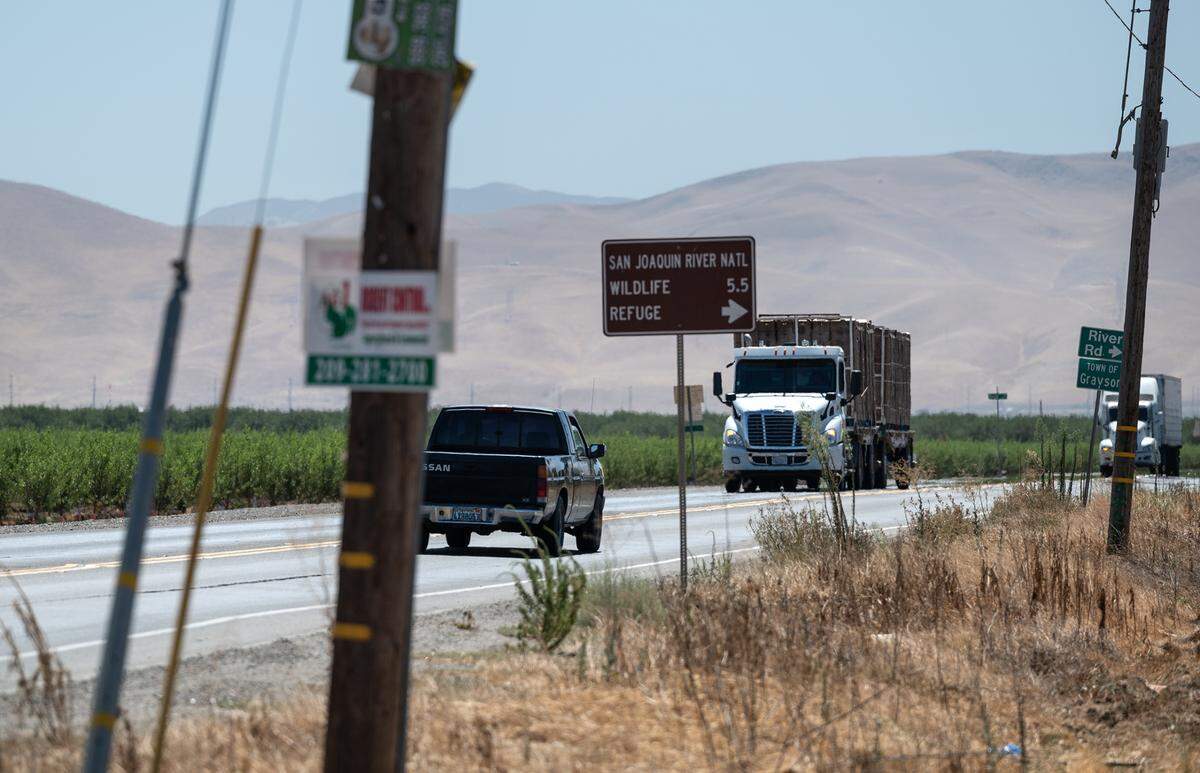
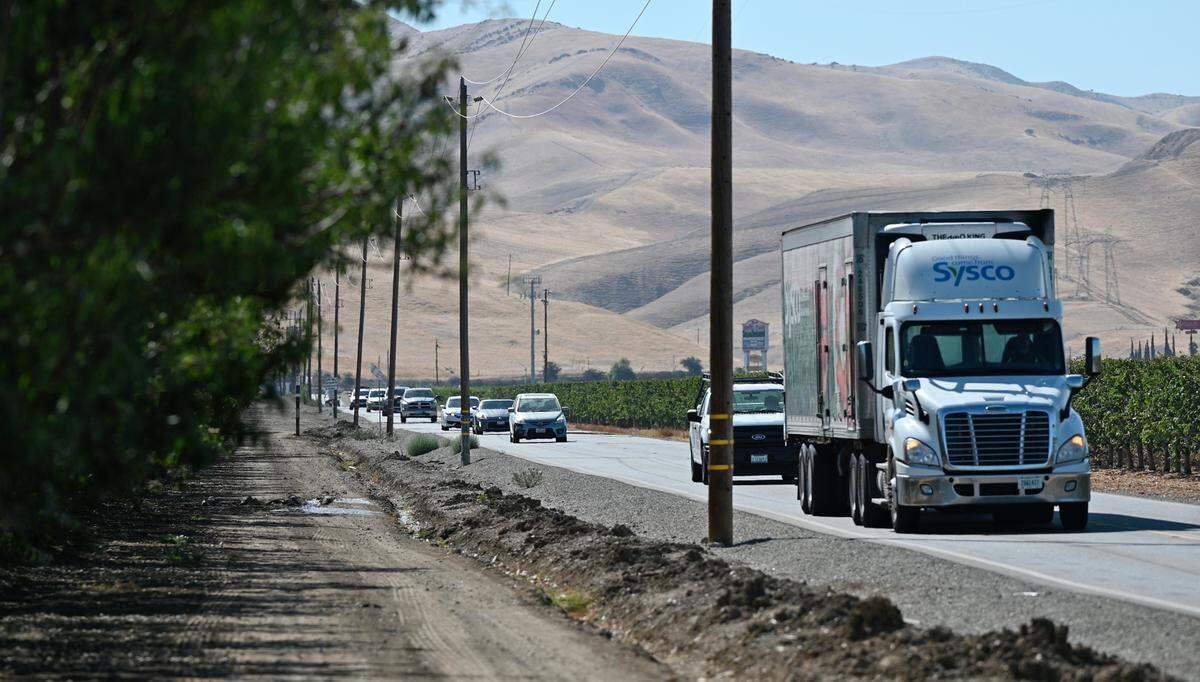
More than 1,000 trucks go by the gas station every day, according to Stanislaus County Public Works, and though the speed limit is 45 mph by the town, Lomeli-Gil, Melo-Flowers, and Obeid all say many drivers treat the area like a freeway, driving 55 mph or more.
Michael Bousquet, 40, has driven his 70-foot, 32,000-pound transfer truck on West Grayson Road and other two-lane routes, though he isn’t thrilled about it. His truck is just two years old and still carries a glossy red sheen like the sides of a jukebox. These rural roads have battered the vehicle and thrown its wheels out of alignment, he said.
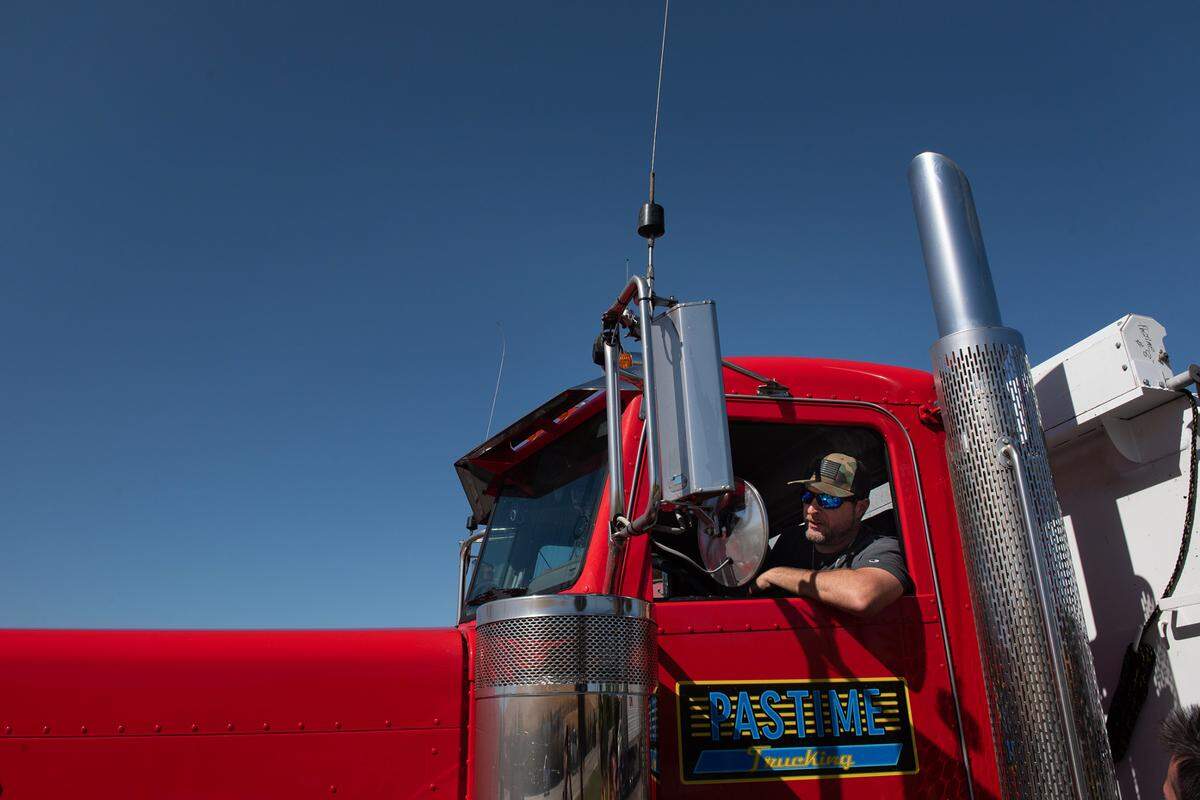
While Bousquet’s and other trucks are conspicuous and viewed as dangerous by some, they aren’t necessarily the culprits in Grayson’s traffic woes. The volume of trucks passing through Grayson has been about the same since 2013, while the amount of cars has skyrocketed. Obeid points to the number of people who commute to the Bay Area, which has been rising for much of the last 15 years. However, it’s hard to know if the trend is continuing because the most recent numbers on these “supercommuters” are from 2019 and don’t take into account any of those who now work remotely.
Malizia sees a different reason for the increase in traffic. “What we’re seeing is, with the rise of technology, Google Maps, Waze, Apple Maps, any of those systems, they’ll take you on whatever road they think would be the fastest, not necessarily the safest,” he said.
Bousquet, for example, uses the same Google Maps application for his 70-foot truck as a motorcyclist does. When construction or collisions occur on the major freeways, the app gives both of them, and many others, an option to take a faster route through two-lane roads.
The moving target
For Malizia, navigation apps make designing safe roads difficult and put the fate of the county’s transportation plans in jeopardy.
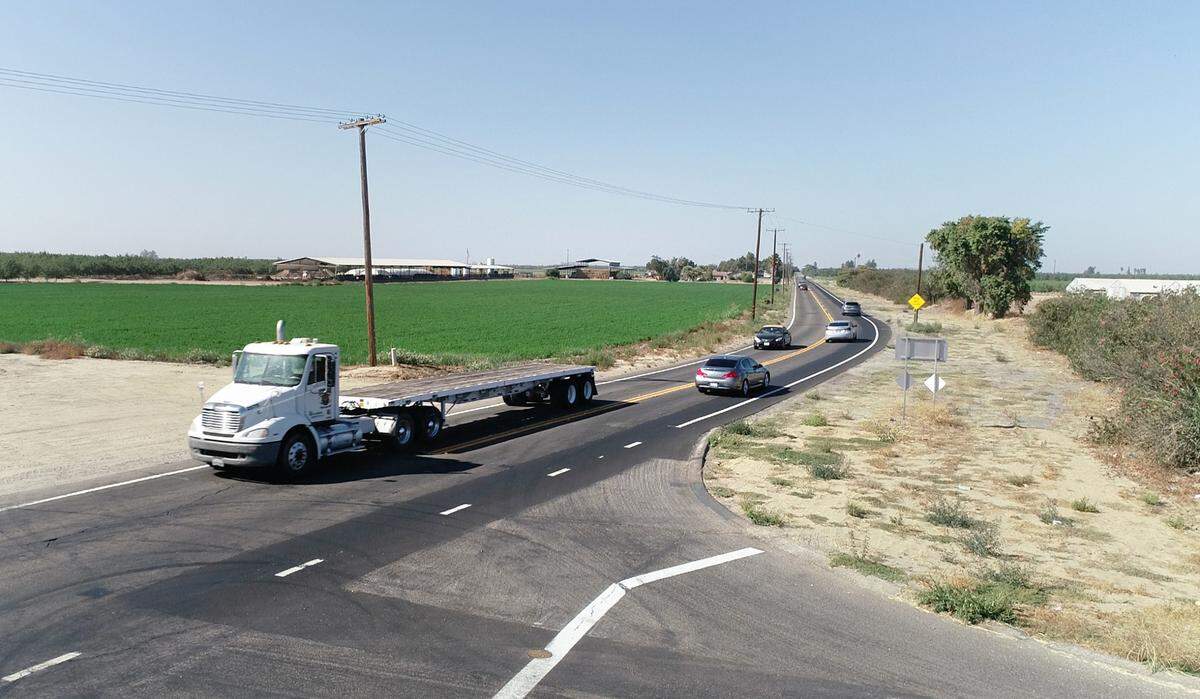
County roads are designed like the branches of a tree, where narrow local streets lead to wider and busier roads and freeways. Crows Landing Road, for instance, is designed to handle north-south traffic while West Main Street is meant to carry vehicles from Modesto into Patterson, Malizia said. As more people move to Modesto, Patterson and the surrounding communities, Stanislaus County has widened Crows Landing and West Main and added traffic signals at key intersections.
“Now, people are jumping off Crows Landing and taking different routes, adjacent to Central Avenue, Carpenter Road,” Malizia said. “Mind you, it’s minutes to seconds of reduced trip length.” West Grayson, Shiloh and Paradise Roads, he added, have become alternatives, too. He hinted that Google Maps should take into account collision information and data about the branched road system the county has designed.
Malizia hasn’t been able to get in touch with Google Maps personnel, and he noted that other apps like Waze and Apple Maps also suggest alternative routes along rural, two-lane roads. He refers to Google Maps “since it’s the most recognizable.”
Google Maps has blogged about introducing a feature that would use data about when drivers rapidly decelerate, what is called “hard-braking,” and factor that into the suggestion about which route to take. It’s unclear if and when that change will roll out (Google did not respond to multiple requests for comment for this article).
That leaves it up to county engineers and other planners to anticipate where drivers might reroute next.
The Stanislaus Council of Governments, a regional governing body established to address transportation issues, is finalizing its plan for the next 25 years. As part of that process, Elisabeth Hahn, deputy director of planning and programming at StanCOG, analyzed a long list of prospective projects submitted from each of the county’s cities and agencies.
Fixing roads isn’t cheap. Adding a traffic signal, for example, can cost hundreds of thousands of dollars. Bigger projects run in the millions. Hahn’s team calculated the estimated total of all proposed transportation projects across the county for the next 25 years, $6.949 billion, and then drafted a sample tool to prioritize the projects, primarily based on Measure L commitments.
Many rural two-lane roads are slated for infrastructure improvement between now and 2046 according to StanCOG’s report. That could mean a variety of things, said Hahn, like creating a new turning lane or elongating an existing one, adding a deceleration lane to allow traffic exiting a major road to slow down and turn right at an intersection without affecting the main flow of traffic, and reconstructing a roadway’s edge at an intersection to provide a larger turning radius for trucks and other large vehicles.
“It’s like a moving target,” Malizia said. “You fix one area, and then Google is like all of a sudden, ‘Nope, we’re going to move them over here.’”
This story was originally published August 31, 2022 at 6:31 AM.