Stanislaus health report reveals leading causes of death in county. What to know
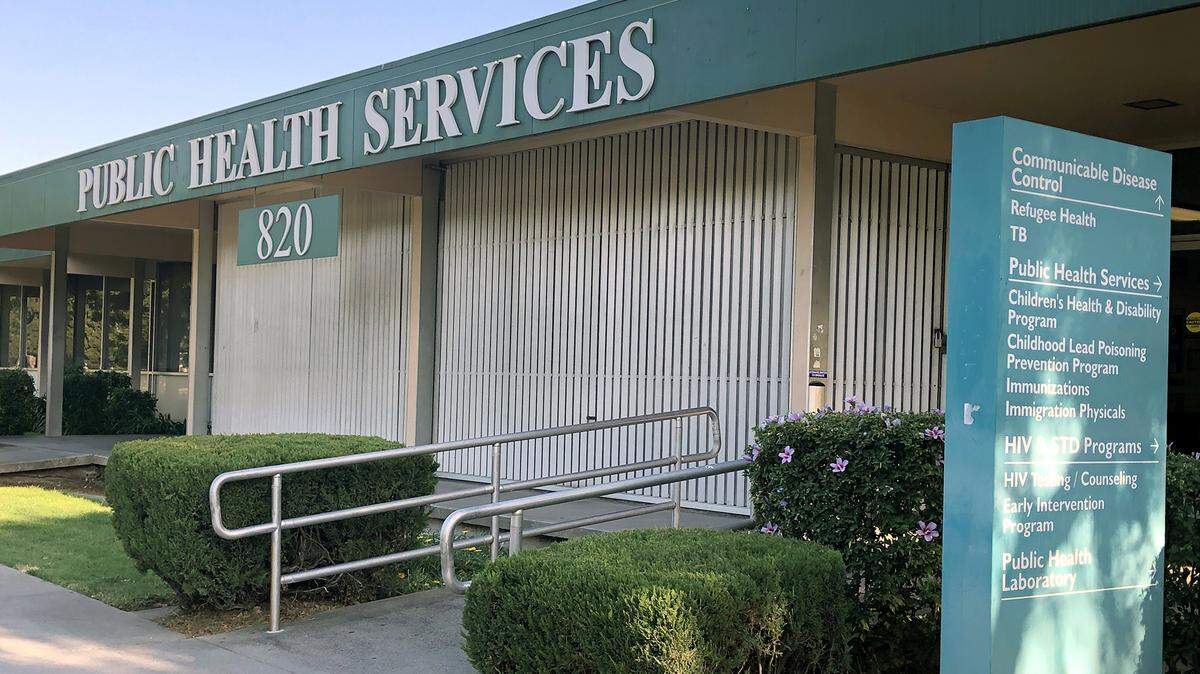
Stanislaus County health officials released an annual report providing insights into local public health challenges such as heart disease and the opioid crisis.
Heart disease and cancer remained the leading causes of death in the county, followed by Alzheimer’s disease or dementia, injuries and strokes, according to the 2024 Public Health Report presented to county supervisors Tuesday evening.
Dr. Thea Papasozomenos, county public health officer, said for each of the top causes of death, the rates were higher here than in California as a whole. “We definitely have some room for improvement,” she said. Injuries, as a cause of death, included accidents, road injuries, homicides, violence, drug overdoses, suicide and self-harm, the health officer said.
The county struggled last year with an elevated death rate from opioid overdoses of 28.2 per 100,000 residents. That was far higher than the 17.8 per 100,000 recorded in all of California.
The Health Services Agency report included other indicators considered as priorities for the county public health division and the healthcare sector.
Cancer mortality was 165.7 per 100,000, far above the 137.4 per 100,000 statewide.
Some 35% of adult county residents were considered obese, while physical inactivity was a problem for 24% and 14% were smokers.
The county’s suicide rate — a mental health concern for years — was 12 deaths per 100,000, exceeding the California rate of 10 per 100,000.
Ethnicity and gender were identified as factors in some categories. Males were four times more likely than females to end their lives, the report said, and suicide was more prevalent in the white population than in other ethnic groups.
By far, Black people had the highest heart disease mortality, at 332.7 per 100,000, while whites had the second highest rate, at 274.4 per 100,000. Asians (146.5) and Latinos (123.6) had far lower rates of heart disease mortality.
Some improvement on the fentanyl front
Illegal fentanyl was responsible for the majority of the county’s 213 drug overdose or poisoning deaths in 2023. But the final count for last year showed a decline to 101 fentanyl deaths, down from 138. There were 173 total drug-related deaths last year, almost a 20% decrease, according to Coroner’s Office data.
Papasozomenos said an Opioid Safety Coalition worked hard on fentanyl outreach and education and made lifesaving medications, such as naloxone, available in the county. “We are hoping that it was part of the downturn,” she said.
County Supervisor Terry Withrow said the news is usually bad in public health reports focused on the county. He asked if quality of care in the Central Valley may be a factor in the cancer mortality rate. Papasozomenos replied that the higher mortality is possibly driven by access to care, as there are longer wait times to get appointments with specialists.
“If patients have to drive a long way for care, they might not pursue it,” she said.
Efforts to improve the county’s health status
Heather Duvall, managing director of the Health Services Agency, said the report also highlighted efforts to address health problems in the community.
Duvall said that improvements to the county’s health status may involve changes to the commercial environment. A survey of Modesto retailers found that 35% of stores selling tobacco offered illegal flavored products to customers.
Efforts to promote health included Food Smarts classes to motivate students to eat fruits and veggies and a program to encourage physical activity in parks.
The Health Services Agency creates partnerships with schools, healthcare providers and organizations for initiatives to improve health. The report listed highlights such as 2,779 home visits to bolster maternal, infant and adolescent health and 19,640 residents receiving education in nutrition and breastfeeding through the Women, Infants and Children program.
This story was originally published April 16, 2025 at 6:06 AM.