What do you do when that bottle of wine stinks? Modesto columnist has the answer
A special event? A fancy restaurant? An expensive wine list? You get to select the wine (gulp!). When the wine server arrives at your table, you check the label and the vintage … so far so good. After the cork removal ritual, the wine is poured for you to taste. You mentally review your tasting steps (see, swirl, smell, sip, swallow, summarize). Is something wrong with the wine? An off odor or an unpleasant taste? Repeat the steps again? Is there still something just a bit off? You probably have a flawed or spoiled wine.
What should you do?
First of all, tell the server you think there is something wrong with the wine. A trained sommelier will be able to tell with just a whiff if the wine is spoiled (oxidized) or corked — the two most common causes for a tainted wine. Being able to recognize these wine flaws will help you identify an “off” wine and hopefully not spoil your dining experience.
What is an oxidized wine?
A loose cork or a faulty seal which allows oxygen to enter the bottle will start breaking down the wine. To learn how an oxidized wine smells, just leave leftover uncorked wine on the kitchen counter for a few days. Also storing wine improperly or keeping wine in extremely hot temperatures will cause oxidation. Remember that case you left in the trunk of your car? The wine loses its fruit character, tastes dull, will turn a brownish color, have a nutty aroma and a sherry-like quality. White wines take on a dried apple flavor and reds can smell like stewed prunes and will not pair well with your filet mignon.
What is a corked wine?
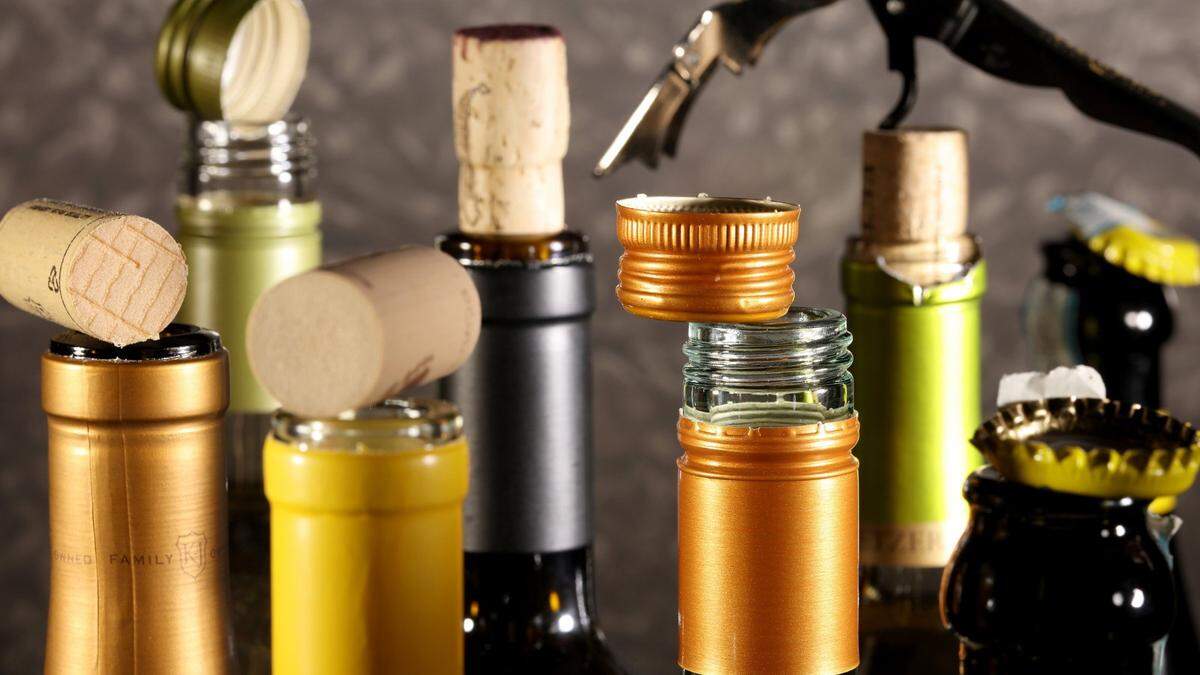
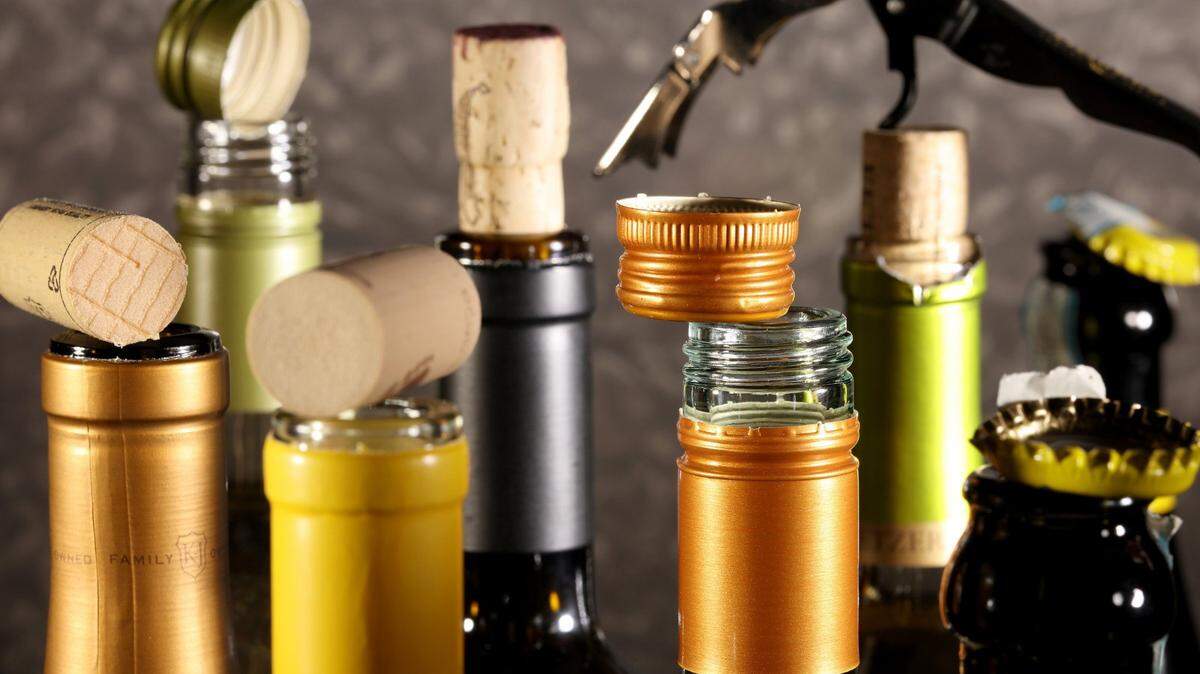
No, a corked wine doesn’t mean those bits of cork floating around in your glass. It refers to mold in the cork or present in the winery which combines with chemicals used to clean the cork creating a compound called trichloranisole or TCA. The wine smells and tastes like wet cardboard or wet newspaper. This musty quality can be present in fine wines (read expensive) as well as daily wines. Today, most wineries are fighting TCA by using composite corks, synthetic corks or screw caps. Ten to 15 years ago cork taint was present in nearly 5% of wines in the market, according to experts.
Both wine flaws here are pretty easy to identify. If you’re not sure, don’t hesitate to call the sommelier back for a whiff. The wine will be replaced if it is flawed, with a clean wine glass to taste the new wine. Corked or oxidized wines are really yucky wines. Please don’t ruin a nice dining experience by drinking a wine that smells and tastes like stewed prunes or musty wet newspapers.
Wine events to consider
If you are a Pinot Noir fan, the Anderson Valley Pinot Noir Festival, May 17-19, should be No. 1 on you list. Nobody does Pinot like Anderson Valley. More than 50 wineries will be pouring including two dozen Napa and Sonoma wineries that covet Anderson Valley’s fabulous fruit. Learn alongside winemakers at Friday’s seminars then enjoy wine and music at the Friday sunset barbecue. Saturday immerse yourself in amazing Pinot Noirs, roses and sparkling wines at the Grand Tasting and then explore the Valley during Sunday’s winery open houses. Three days in paradise! For tickets and more information go to avwines.com.
The fifth annual San Joaquin Valley Portuguese Festival hosted by the Carlos Vieira Foundation will be held April 19-21 at the Stanislaus County Fairgrounds in Turlock. The three-day event is open to all to discover the culture and heritage of the Portuguese people and honor their contributions to the San Joaquin Valley. The Navigator and I went last year on Saturday and enjoyed the parade, the wine and cheese tasting and the entertainment. All the proceeds benefit the Carlos Vieira Foundation’s Race for Autism campaign.
For a complete list of activities over the three day run visit carlosvieirafoundation.org. and remember admission and parking are free. Cheers!
Questions? Comments? Find me on Facebook or at rgwinton@yahoo.com.