
Parents sued Modesto for answers in son’s death. But one question can’t be answered
Modesto will pay $75,000 to settle a wrongful death lawsuit brought against it by the parents of a homeless drug addict who died after several police officers used Tasers and a beanbag shotgun to subdue him.
Garrett Schmidt, 33, was bloodied and smeared with feces when he broke into a Grantland Court home, off Morris Avenue, on the evening of Oct. 24, 2016, police have said. More than a half dozen residents had called 911, saying Schmidt apparently was under the influence and on a rampage throughout the neighborhood. Schmidt had methamphetamine and marijuana in his system and had a heart attack while being subdued by several officers. He died three days later.
Schmidt’s parents say they sued to get answers in their son’s death, but there is one question that may never be resolved: How a promising life was derailed by drugs.
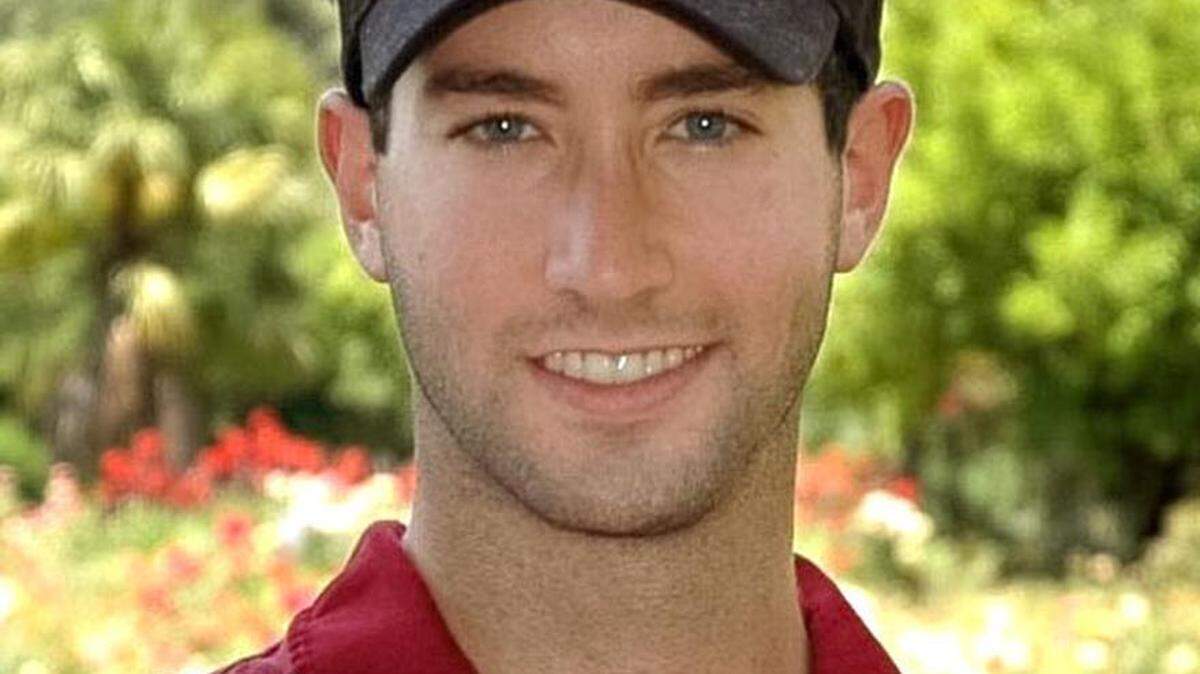
His parents said Garrett Schmidt was a smart, adventuresome boy with a sweet smile who excelled in baseball and golf (he was on the golf teams at Davis High School and Modesto Junior College). But he began to lose his way when he started using drugs in high school and never found his way back.
“He had a bright future,” said Jim Schmidt, Garrett’s father. “He got into Cal Poly. But the last eight to 10 years of his life he had trouble with his addiction.”
Cynthia Schmidt, Garrett’s mother, said: “The many years of drug addiction transformed Garret into someone and something unrecognizable to us. There was no getting him back.”
Jay Zwahlen met Garrett Schmidt in kindergarten and the two were best friends through junior high school. “I’ve gone on to have a successful career and he was on the same path,” Zwahlen said. “He was super smart. You would never imagine that this is the way it would turn out. It’s changed how I look at homeless people on the street. I think, ‘That could be Garrett.’ ”
The Schmidts sued Modesto in October 2017 in federal court in Fresno. But Police Chief Galen Carroll said that well before the lawsuit, he met with Jim Schmidt and another family member for about two hours and showed them body camera footage. He said a detective also met with the family. “I understand it’s hurtful and painful to lose a son,” he said. “We were not hiding anything.”
But Jim Schmidt said the family did not get the full picture and all their questions answered until after they sued.
Blake Loebs – the lead attorney for the city in the lawsuit – said Modesto offered to settle so the family and the city could put this matter behind them and to avoid the enormous expense that would have been necessary to defend and vindicate the officers at trial.
Loebs said he did something he normally does not do in an attempt to bring about a quick resolution. He offered to let the Schmidts and their attorney review all of the evidence, including the body camera footage and police and autopsy reports, well before the city was required to provide it. That took place about a month ago. He then followed up with the city’s settlement offer.
The Schmidts accepted the settlement a couple of weeks ago, and a judge last week dismissed the lawsuit. The settlement states the city also will pay the parents’ legal costs, which have not yet been determined. Loebs declined to release Modesto’s legal costs until this matter is fully resolved.
“The Schmidts needed to view that video and the reports to be satisfied that they could leave the whole issue behind them as parents,” said Panos Lagos, the attorney who represented the Schmidts.
Lagos said that while he had strong concerns about the officers’ actions, it was not clear that the Schmidts would have prevailed had they pursued their civil rights and wrongful death lawsuit. “I saw use of force that was unnecessary,” he said, “but the problem with the case is proving ... that caused his death.”
The lawsuit alleged Schmidt was not armed and “posed no significant or immediate threat of death or serious bodily harm to anyone” as he lay face down with one arm handcuffed behind his back. Six officers punched and shot him with a stun gun, the lawsuit alleged, causing the heart attack
But Loebs said Schmidt charged and tackled one officer, taking his Taser, and fought and resisted officers as they tried to subdue and arrest him. Carroll said officers used their Tasers in drive-stun mode, which involves placing the Taser against the body and delivering a painful shock.
One Grantland Court resident – an off-duty probation officer – has told The Bee that officers yelled: “Just give up, we don’t want to hurt you.”
Police have said Schmidt broke into homes, and the residents of one home locked themselves in a bedroom and a bathroom when Schmidt, who also attacked the off-duty probation officer next door, broke through the window of a back door, moved about the house, climbed on a bed, tore blinds from a window and broke out the screen before police arrived.
“We feel bad about it,” Jim Schmidt said. “We are law-abiding citizens. I understand he put them through a lot of hell that night. That was not his intention. He was out of his mind because of the drugs.”
A police department review cleared the officers, but Loebs said the review “found a potential officer safety-training issue with respect to the beanbag being deployed so close to the other officers around the suspect.”
Loebs said the review found the beanbags did not contribute to Schmidt’s death, but the settlement removes the risk that a jury might confuse “a potential officer safety issue with using appropriate force to detain a violent suspect.”
Schmidt’s full name is Garrett James Schmidt. The Stanislaus County Superior Court website shows someone with that name was charged 21 times from 2008 to 2014 with such offenses as being in a park after it closed, disorderly conduct-loitering, resisting arrest, petty theft and possession of narcotics.
Jim Schmidt said he and other family members tried over the years to help Garrett Schmidt, including several stints in rehab. Garrett Schmidt could not live at home because he would not follow his parents’ rules. But Jim Schmidt went out periodically to check on his son, and Garrett Schmidt checked in with his parents.
“The pull of the drugs and the addiction was so difficult for him,” Jim Schmidt said. “He gave up everything for that, but he never failed to say he loved us.”
This story was originally published April 1, 2018 at 3:26 PM with the headline "Parents sued Modesto for answers in son’s death. But one question can’t be answered."