
Downtown Modesto jail is closing. Where are the prisoners going, and who's moving in?
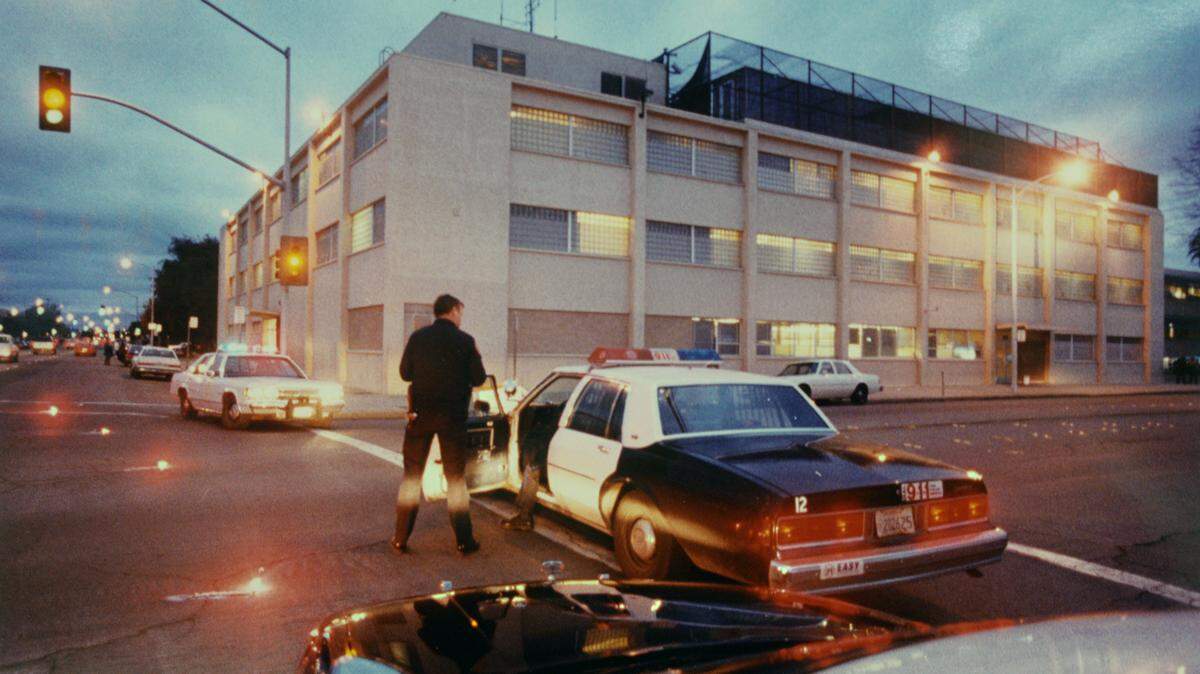
For a decade, the Stanislaus County Civil Grand Jury has recommended the antiquated downtown Modesto men’s jail, which opened in 1954, be demolished or closed.
In 2007, its report called the jail on H Street, "old, smelly, overcrowded (and) out of date."
Today, it is no longer one of these things.
Jail officials have spent the last few months moving hundreds of inmates housed there to facilities on Hackett Road in south Modesto, which over the past few years have undergone a massive expansion to add more than 1,000 beds and create a centralized hub for education, training, counseling and other rehabilitative opportunities.
About 90 inmates remain downtown, accounting for less than a quarter of the jail’s 396-inmate capacity. The entire second floor is empty and the first floor is mostly empty.
All will be transferred by Feb. 17 when the facility will cease operating as a 24-hour jail and become a Monday through Friday operation, serving as a holding facility for inmates going to court.
"I still move more than 200 people a day through the criminal justice system,” said Sheriff Adam Christianson. "The jail makes a perfect court holding facility as there is still a tunnel that connects the jail to the court."
A memo was sent to county law enforcement Tuesday regarding the move.
"From this day forward, the Stanislaus County Men’s Jail is being referred to as The Stanislaus County Court Holding Facility," the memo reads.
It will continue to operate as a court holding facility until the new courthouse is built. Design work for the courthouse could be completed in 2019. Once construction starts, it should take up to three years to complete.
What happens with the building after that remains to be seen.
Lt. Scott Houston, who has spent at least half of his 18-year career working at the downtown facility, said the departure from the downtown jail is bittersweet.
While the grand jury has criticized the jail’s condition for years, Houston said it is like a second home for many of the deputies who have worked there for years.
Before inmates started being transferred to the Hackett Road campus and before booking was centralized there about six months ago, the downtown jail was the busiest of all the county's jail facilities, he said.
"There were nights when we would have upwards of 30 to 40 bookings during a shift, and not all of those arrested were always the most cooperative. Due to the physical layout and assortment of duties, it made this facility an intense and dynamic place to work," Houston said, "Everyone assigned to the facility, from the civilian staff to the deputies, would develop a strong sense of camaraderie. This was largely due to working so closely together and from having to depend on each other not only to complete their constant workload, but also for their safety."
Houston will now be in charge of the 288-bed Re-entry and Enhanced Alternative to Custody Training (REACT) facility, slated to open on the Hackett Road Campus in May.
REACT provides educational and vocational training and counseling to prepare inmates to re-enter the community.
"The creation of this facility, the first of its kind in the state of California, is based on the governor's vision of program and rehabilitation opportunities," Christianson said, referring to Public Safety Realignment, the state’s 2011 prison reform initiative designed to reduce prison overcrowding by making counties responsible for housing and rehabilitating lower level offenders.
The completion of the REACT facility will conclude more than five years of constructing three new housing facilities, including one with a medical and mental health unit and an intake, transportation and administration center, as well as a Day Reporting Center for adults on probation.
"$153 million dollars later and we are done," Christianson said of the project that was paid for by state and local funding.
The now five-facility campus provides an opportunity for inmates to take advantage of rehabilitation through a “behavioral-based and incentivized” system.
"It is not at all what the community would normally consider jail,” Christianson said. "We created a continuum of care so (inmates) can go from maximum security to minimum security to REACT to the Day Reporting Center …. providing an opportunity for people to leave behind destructive behavior."
This story was originally published January 13, 2018 at 3:24 PM with the headline "Downtown Modesto jail is closing. Where are the prisoners going, and who's moving in?."